Behavioral Bridge Connected Research, Practice and International Cooperation
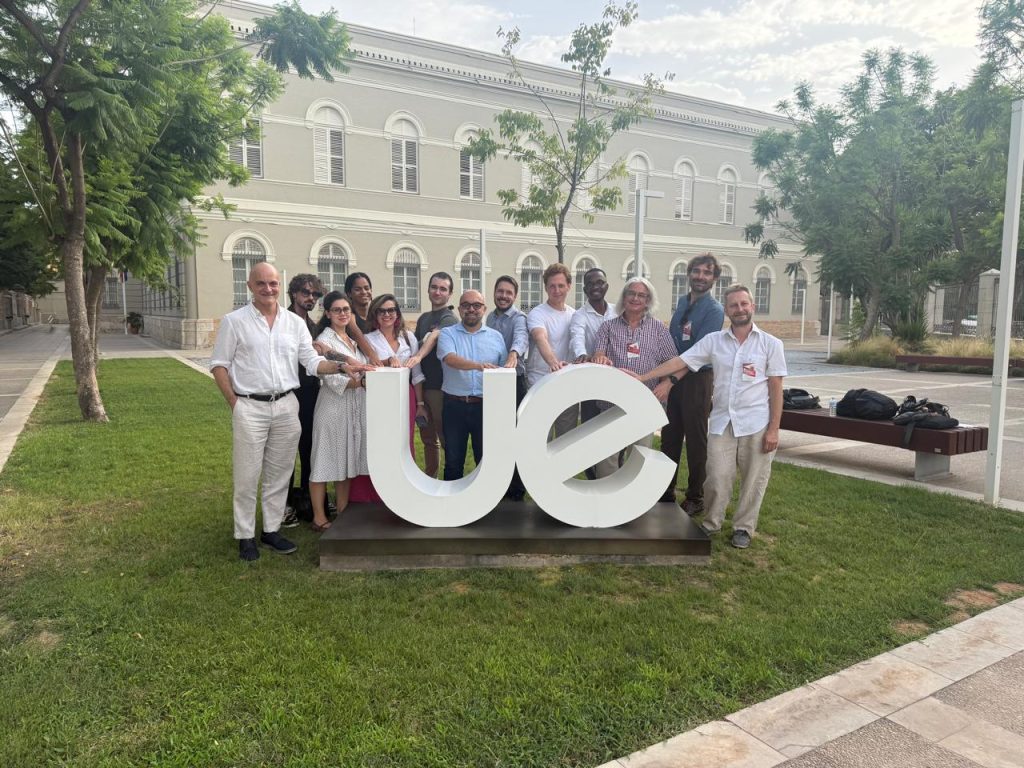
From 13 to 18 July 2026, Universidad Europea de Valencia hosted the first edition of Behavioral Bridge, a summer school dedicated to applied behavioural methods. Organised by the Behavioral Economics Institute with the support of the ChallengeEU Alliance, the event brought together students, doctoral candidates, researchers and practitioners from many countries. The inaugural edition of Behavioral Bridge: Summer School on Applied Behavioral Methods was combined with the 5th WoBE Research Workshop. This allowed participants to develop their methodological skills, explore the latest research and discuss the practical application of behavioural insights. The programme included training in applied research methods, research presentations, poster sessions and discussions on contemporary social and economic challenges. Its format was designed to build bridges between research and practice, early-career and established scholars, and European and global cooperation networks. An International Community in Valencia The first edition of Behavioral Bridge had a distinctly international character. Participants represented institutions from Spain, Italy, Latvia, Poland, Germany, Kazakhstan, Japan, India and Australia. The event brought together representatives of institutions including the University of Warmia and Mazury in Olsztyn, the University of Tsukuba, Ashoka University, LUMSA University, the University of Milan, the University of Potsdam, the University of Göttingen, the University of Technology Sydney and the Academy of Public Administration under the President of Kazakhstan. Valencia became a meeting point for people working in behavioural economics, public administration, management, sustainability, health, finance and political economy. This broad representation confirmed the programme’s potential as a platform supporting academic mobility, partnership development and collaborative research. Research Addressing Contemporary Challenges The research programme assembled scientists and scholars affiliated with institutions ofconsiderable international standing. Contributors included: All three members of the organizing committee, Professor Enrique Fatas (BEI Director), Dr. Lina Restrepo-Plaza and Dr.Hector Solaz, also presented their research in the Workshop. The sessions addressed topics including the transition from laboratory to field research, social-preference studies, sustainability, green human resource management, access to social services and justice, fertility norms, human rights and support for victims of fraud. The programme demonstrated how behavioural science can contribute to finding solutions to challenges related to inequality, institutional trust, public services, financial security and social well-being. Development Opportunities for Early-Career Researchers One of the particular strengths of Behavioral Bridge was the environment it created for doctoral candidates, early-career researchers and professionals interested in research. Participants took part in practical training, presented papers and posters, and received feedback from experienced scholars. The relatively small scale of the event encouraged meaningful conversations and networking, which can be more difficult to achieve at large international conferences. Direct contact with researchers representing institutions including the University of Oxford, University College London and CNRS-affiliated organisations enabled participants to develop their research projects and establish connections that may lead to joint publications, mobility opportunities and future funding applications. Research in Dialogue with Practice The involvement of practitioners and representatives of the private sector was another important element of the programme. A dedicated roundtable focused on the operation of behavioural units within organisations and the practical use of behavioural insights. Enrique Belenguer from BBVA contributed the perspective of the financial sector. Discussions addressed the application of behavioural economics to financial decision-making, consumer protection, digital service design and the development of responsible customer-oriented solutions. Exchange between researchers and practitioners was one of the programme’s central principles. Participants represented finance, consulting, healthcare, public administration, non-governmental organisations and private companies. Strategic Value for ChallengeEU The first edition of Behavioral Bridge confirmed the programme’s strong potential for further development. Universidad Europea de Valencia demonstrated its ability to attract international researchers, connect academic work with external organisations and create a meeting space for people from different disciplines, institutions and countries. The event’s themes were closely aligned with the priorities of ChallengeEU and wider European public policy agendas. They included health and well-being, sustainable consumption, organisational transformation, financial inclusion, digitalisation and institutional effectiveness. The continued development of Behavioral Bridge could broaden its international participant base, increase practitioner engagement and create new training and mobility opportunities for early-career researchers. The inaugural edition demonstrated that the programme has the essential foundations needed to become a lasting European hub for applied behavioural science: academic quality, international reach, institutional cooperation and openness to dialogue with the wider socio-economic environment.
Representatives of the ChallengeEU Alliance participated in the Summer School at the University of Warmia and Mazury
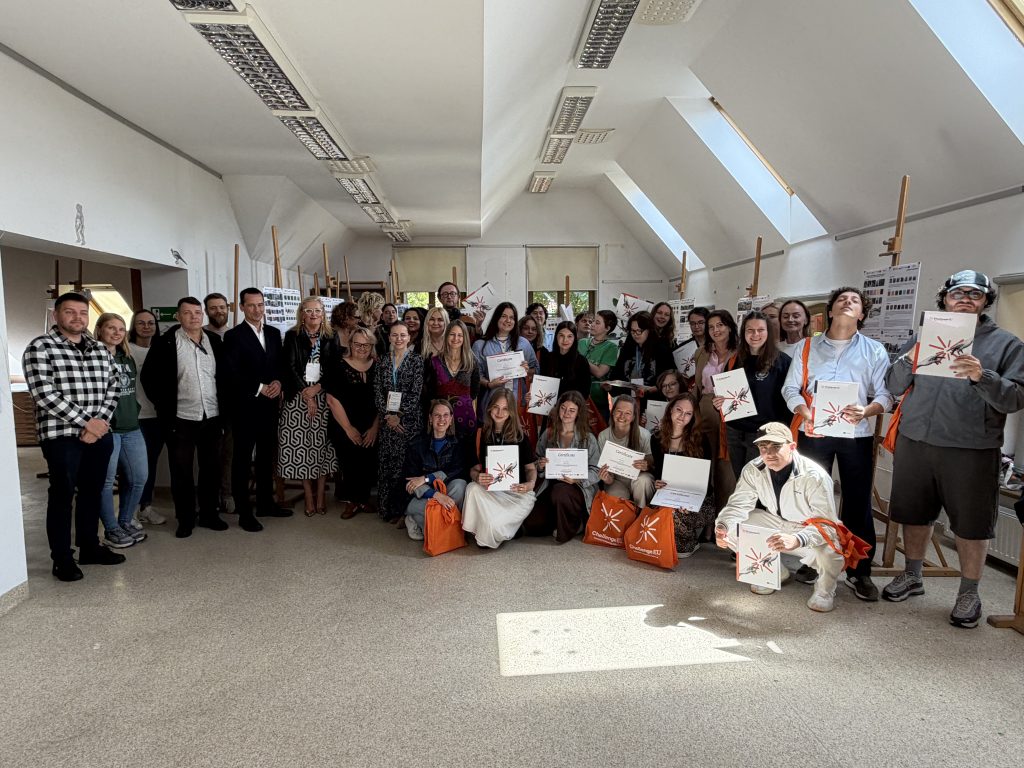
From 1 to 9 July, the University of Warmia and Mazury (UWM) hosted the Summer School “Traces in the Landscape”, organised by the Department of Landscape Architecture as part of the ChallengeEU Alliance. The programme brought together students from three ChallengeEU partner universities: the Latvia University of Life Sciences and Technologies (LBTU), the University of Applied Sciences and Arts Northwestern Switzerland (FHNW), and the University of Warmia and Mazury (UWM). In Search of Traces in the Landscape The staff of the Department of Landscape Architecture at the University of Warmia and Mazury invited students from ChallengeEU universities to explore the landscape as a palimpsest shaped by history, nature, and human activity. Participants developed their skills in identifying, interpreting, and preserving the cultural, natural and aesthetic values embedded in the environment. The Summer School programme was designed to address contemporary challenges, including climate change, the homogenisation of landscapes, and the disappearance of traditional settlement patterns. Throughout the Summer School, academic staff from the Department of Landscape Architecture shared the teaching methods they use in their everyday academic practice. “Our department places a strong emphasis on field-based analysis, which is why we decided to incorporate challenge-based learning into the programme. We also organised llandscape workshops in which students explored the subject in a less conventional way. They learned about architecture while also developing an understanding of the shapes, colours and textures that make up the landscape. In addition, participants experienced the landscape through sound and learned how to prepare graphic studies using traditional hand-drawing techniques,” explained Professor Agnieszka Jaszczak. The opening session of the “Traces in the Landscape” summer school was held at the Municipal Office in Stawiguda. The Municipality of Stawiguda is an associated partner of the ChallengeEU Alliance.The event was officially opened by Professor Jakub Sawicki, Vice-Rector for Research and International Cooperation at the University of Warmia and Mazury, Michał Kontraktowicz, Mayor of the Municipality of Stawiguda, and Professor Agnieszka Jaszczak. Following the opening ceremony, the students began working on their first challenge: designing a logo for the Municipal Centre for Social Services, a local institution recently established through the transformation of the Municipal Social Welfare Centre. included study visits to several locations across the region: the Łężany Palace, owned by the University of Warmia and Mazury; the Marian Sanctuary in Święta Lipka; the Bishops’ Castle in Lidzbark Warmiński; and the Museum of Folk Architecture – Ethnographic Park in Olsztynek. Inspiration for the Future Students who took part in the Summer School agreed that their time in Olsztyn was both enjoyable and enriching, giving them an opportunity to experience the landscape in a completely new way. “I think it was an excellent opportunity not only to gain new knowledge but also to look at many issues from a different perspective. We had the chance tto learn from UWM lecturers and experience their distinctive teaching methods as well as to exchange ideas and experiences with students from other countries. All of this made the experience extremely valuable,” said Vincenzo Zuccerello from FHNW. “It’s a place where you can relax while also meeting new people. I think that’s the most wonderful part of the experience. We often live in our own bubble, within our own country, but opportunities like this allow us to step outside of it,” added Kristiana Pabina from LBTU. The Summer School also inspired a wealth of new ideas in Vanessa Grabkowska, a landscape architecture student at the University of Warmia and Mazury. “Landscape architecture is a highly creative profession, and creativity depends on inspiration. That’s why I’m so grateful to have taken part in this Summer School. I’m sure that the experiences and ideas I’ve gained will influence my future projects,” said Vanessa. Students from ChallengeEU universities will soon have another opportunity to expand their knowledge, develop new skills and strengthen international connections. Applications are currently open for the ChallengeEU Blended Intensive Programme (BIP) entitled “Regional Promotion and Development,” organised by the Faculty of Humanities at the University of Warmia and Mazury. Using the challenge-based learning approach, participants will work together to develop solutions that support the sustainable development of local communities and foster collaborative ecosystems. More information and the application form are available on the ChallengeEU website. Photos by Marta Wiśniewska and Department of Landscape Architecture