Universidad Europea de Valencia Promotes International Training in Behavioural Economics through the Behavioral Bridge Summer School
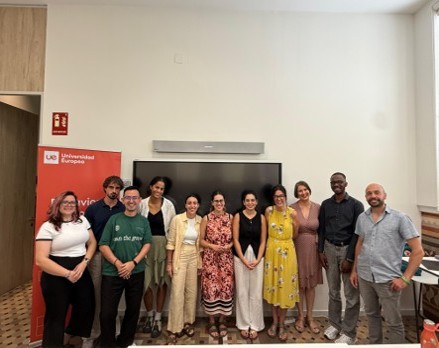
The programme, organised by the Behavioral Economics Institute and supported by the ChallengeEU Alliance, brought together students and researchers from Europe, Asia and Oceania to explore the impact of behavioural economics and artificial intelligence on decision-making.
Universidad Europea de Valencia hosted the Behavioral Bridge Summer School from 13 to 18 July, an initiative organised by the Behavioral Economics Institute (BEI) with the support of the ChallengeEU Alliance.
For one week, researchers, experts, and local and international students shared knowledge, methodologies, and experiences to deepen their understanding of the role of behavioural economics in analysing and improving decision-making in areas such as public policy, healthcare, consumer behaviour, and climate change.
Behavioural economics examines how individuals make decisions in real-world environments, where factors such as uncertainty, social pressure, and limited information often play a significant role. With this perspective, Behavioral Bridge provided practical training focused on translating scientific knowledge into real-world applications, combining experimental methods, fieldwork, and artificial intelligence to better predict human behaviour.
The academic programme featured internationally renowned specialists. Professor Nikolaos Georgantzis, from Burgundy School of Business, addressed the application of behavioural methods to consumer markets and the wine industry; Dr Tommaso Batistoni, from the University of Oxford, explored the use of artificial intelligence and digital twins to predict human behaviour; Professor Esther Blanco, from the University of Innsbruck, examined the contribution of behavioural economics to climate change policies; and Professor Paolo Crosetto, from INRAE-CNRS, analysed the impact of food labelling on healthy consumer choices.
The Summer School combined conceptual and practical learning activities with individual mentoring sessions, during which participants received expert guidance from the faculty. The student cohort reflected the programme’s strong international reach, bringing together participants from leading institutions such as the University of Tsukuba (Japan), Ashoka University (India), University of Potsdam (Germany), University of Göttingen (Germany), and the University of Technology Sydney (Australia), among others, as well as doctoral students from the Valencian Community representing both Universidad Europea de Valencia and neighbouring universities.

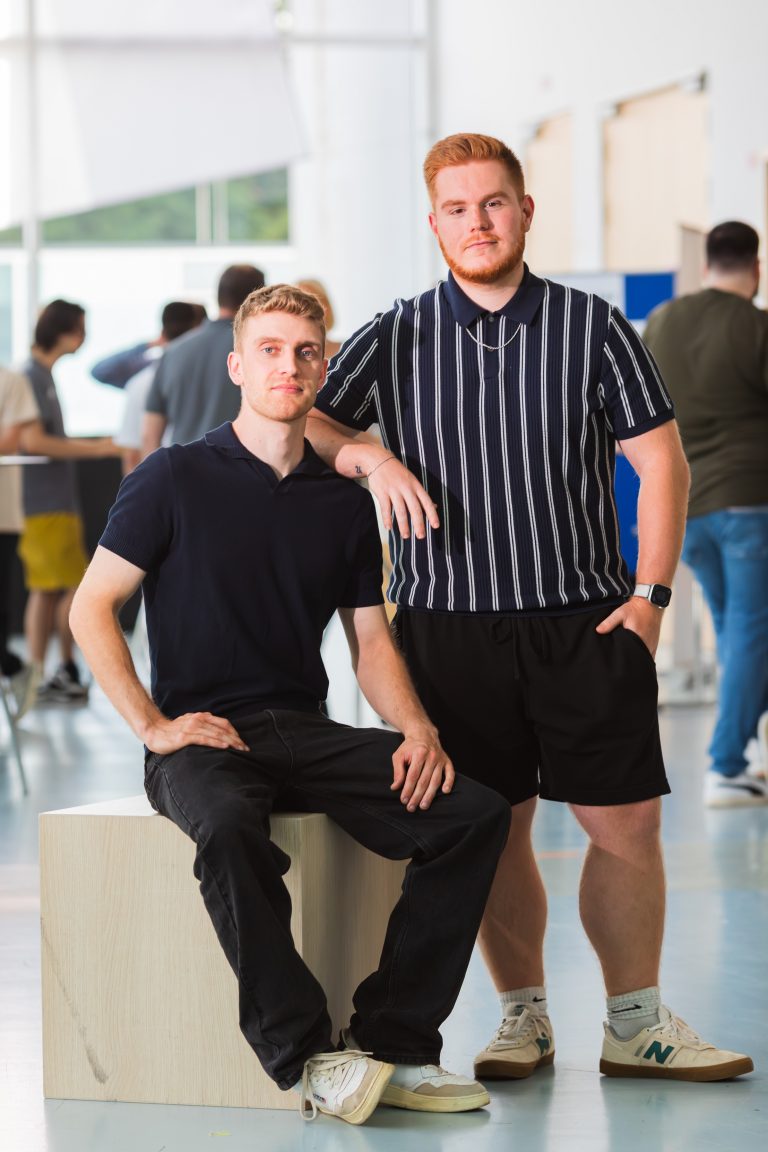
Michal
Contributor at ChallengeEU Alliance.
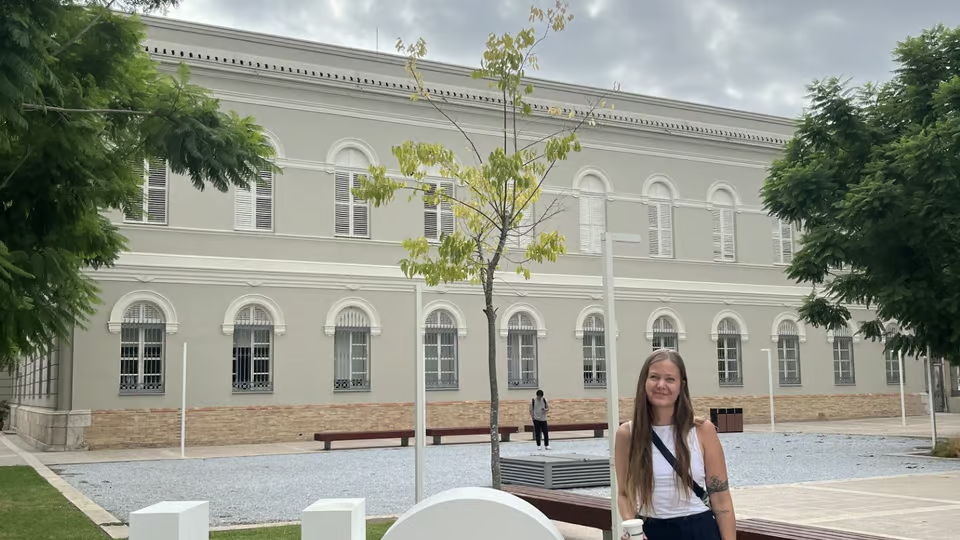
First student abroad on ChallengeEU exchange semester
Read article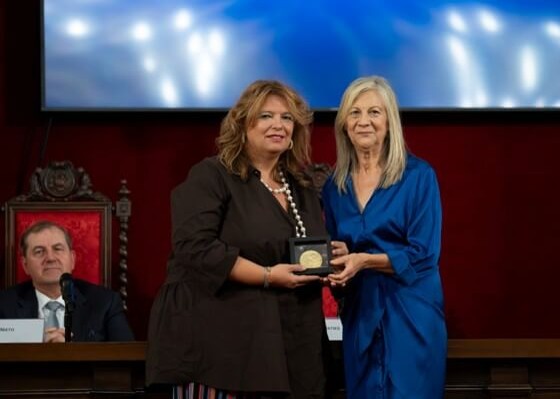
Universidad Europea de Valencia receives the Manuel Broseta Forum Club Medal on its 40th Anniversary
Read article