Behavioral Bridge Connected Research, Practice and International Cooperation
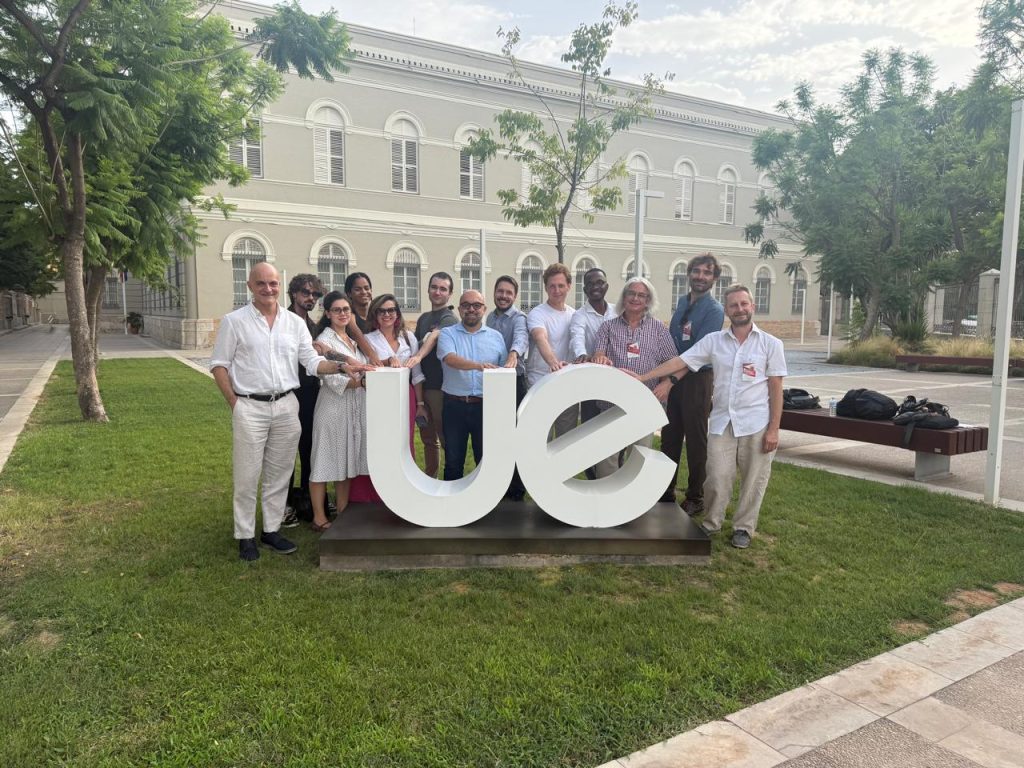
From 13 to 18 July 2026, Universidad Europea de Valencia hosted the first edition of Behavioral Bridge, a summer school dedicated to applied behavioural methods. Organised by the Behavioral Economics Institute with the support of the ChallengeEU Alliance, the event brought together students, doctoral candidates, researchers and practitioners from many countries. The inaugural edition of Behavioral Bridge: Summer School on Applied Behavioral Methods was combined with the 5th WoBE Research Workshop. This allowed participants to develop their methodological skills, explore the latest research and discuss the practical application of behavioural insights. The programme included training in applied research methods, research presentations, poster sessions and discussions on contemporary social and economic challenges. Its format was designed to build bridges between research and practice, early-career and established scholars, and European and global cooperation networks. An International Community in Valencia The first edition of Behavioral Bridge had a distinctly international character. Participants represented institutions from Spain, Italy, Latvia, Poland, Germany, Kazakhstan, Japan, India and Australia. The event brought together representatives of institutions including the University of Warmia and Mazury in Olsztyn, the University of Tsukuba, Ashoka University, LUMSA University, the University of Milan, the University of Potsdam, the University of Göttingen, the University of Technology Sydney and the Academy of Public Administration under the President of Kazakhstan. Valencia became a meeting point for people working in behavioural economics, public administration, management, sustainability, health, finance and political economy. This broad representation confirmed the programme’s potential as a platform supporting academic mobility, partnership development and collaborative research. Research Addressing Contemporary Challenges The research programme assembled scientists and scholars affiliated with institutions ofconsiderable international standing. Contributors included: All three members of the organizing committee, Professor Enrique Fatas (BEI Director), Dr. Lina Restrepo-Plaza and Dr.Hector Solaz, also presented their research in the Workshop. The sessions addressed topics including the transition from laboratory to field research, social-preference studies, sustainability, green human resource management, access to social services and justice, fertility norms, human rights and support for victims of fraud. The programme demonstrated how behavioural science can contribute to finding solutions to challenges related to inequality, institutional trust, public services, financial security and social well-being. Development Opportunities for Early-Career Researchers One of the particular strengths of Behavioral Bridge was the environment it created for doctoral candidates, early-career researchers and professionals interested in research. Participants took part in practical training, presented papers and posters, and received feedback from experienced scholars. The relatively small scale of the event encouraged meaningful conversations and networking, which can be more difficult to achieve at large international conferences. Direct contact with researchers representing institutions including the University of Oxford, University College London and CNRS-affiliated organisations enabled participants to develop their research projects and establish connections that may lead to joint publications, mobility opportunities and future funding applications. Research in Dialogue with Practice The involvement of practitioners and representatives of the private sector was another important element of the programme. A dedicated roundtable focused on the operation of behavioural units within organisations and the practical use of behavioural insights. Enrique Belenguer from BBVA contributed the perspective of the financial sector. Discussions addressed the application of behavioural economics to financial decision-making, consumer protection, digital service design and the development of responsible customer-oriented solutions. Exchange between researchers and practitioners was one of the programme’s central principles. Participants represented finance, consulting, healthcare, public administration, non-governmental organisations and private companies. Strategic Value for ChallengeEU The first edition of Behavioral Bridge confirmed the programme’s strong potential for further development. Universidad Europea de Valencia demonstrated its ability to attract international researchers, connect academic work with external organisations and create a meeting space for people from different disciplines, institutions and countries. The event’s themes were closely aligned with the priorities of ChallengeEU and wider European public policy agendas. They included health and well-being, sustainable consumption, organisational transformation, financial inclusion, digitalisation and institutional effectiveness. The continued development of Behavioral Bridge could broaden its international participant base, increase practitioner engagement and create new training and mobility opportunities for early-career researchers. The inaugural edition demonstrated that the programme has the essential foundations needed to become a lasting European hub for applied behavioural science: academic quality, international reach, institutional cooperation and openness to dialogue with the wider socio-economic environment.
Building Bridges Through Mobility: FHNW Representative Visits UEV
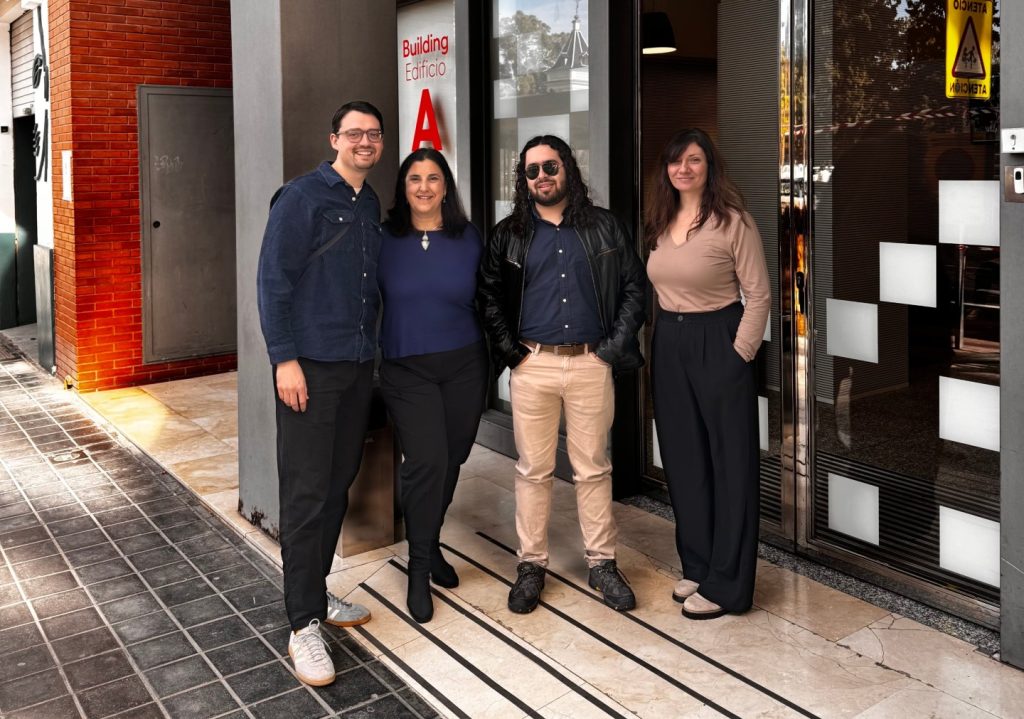
Luca Niederhauser from Fachhochschule Nordwestschweiz (FHNW) visited university in Valencia as part of the Mobility Program Visit at Universidad Europea de Valencia (UEV). The visit provided an opportunity to strengthen institutional ties, exchange best practices, and explore new avenues for academic cooperation between the partner universities. Mr. Niederhauser represents Hochschule für Angewandte Psychologie, specifically the Zentrum für Ausbildung. This visit is part of a mobility initiative linked to Work Package 3 (WP3) of the European university alliance ChallengeEU, in which both FHNW and UEV are active partners. During his stay in Valencia, Mr. Niederhauser participated in a comprehensive program designed to strengthen inter-institutional collaboration and promote the exchange of best practices. His visit included a series of academic, administrative, and cultural activities, such as: a guided tour and in-depth explanation of the Alameda Campus; job shadowing in the area of innovation and the development of new academic programmes with Ana Ferrer, Dulce Gómez, and Alberto Garcés; and a presentation on the ChallengeEU network delivered by Laura Bertolin (WP4 Officer) and Emmanuël Hazé (ChallengeEU, CIO). Professional exchange with Luz Barradas focusing on quality management, a guided tour and detailed presentation of the Turia Campus, a discussion with Ana Povoa on the Psychology degree programme, an exchange with Christian Garzoni on the admissions process, and a visit to a Psychology class to observe teaching practices. Beyond the academic agenda, Mr. Niederhauser also had the opportunity to discover the rich culture, traditions, and gastronomy of the city of Valencia, gaining a deeper appreciation of its local identity. These exchanges not only enrich the experience of visiting staff, but also strengthen the relationships between partner universities within the ChallengeEU alliance, fostering trust and mutual understanding. They also open the door to new avenues of academic collaboration, from program development to joint initiatives that contribute to the internationalisation of higher education. The European University of Valencia extends its warmest thanks to Mr. Niederhauser for his visit and looks forward to future cooperation with FHNW within the ChallengeEU framework.
Talent Day at Universidad Europea de Valencia: Boosting Young Careers
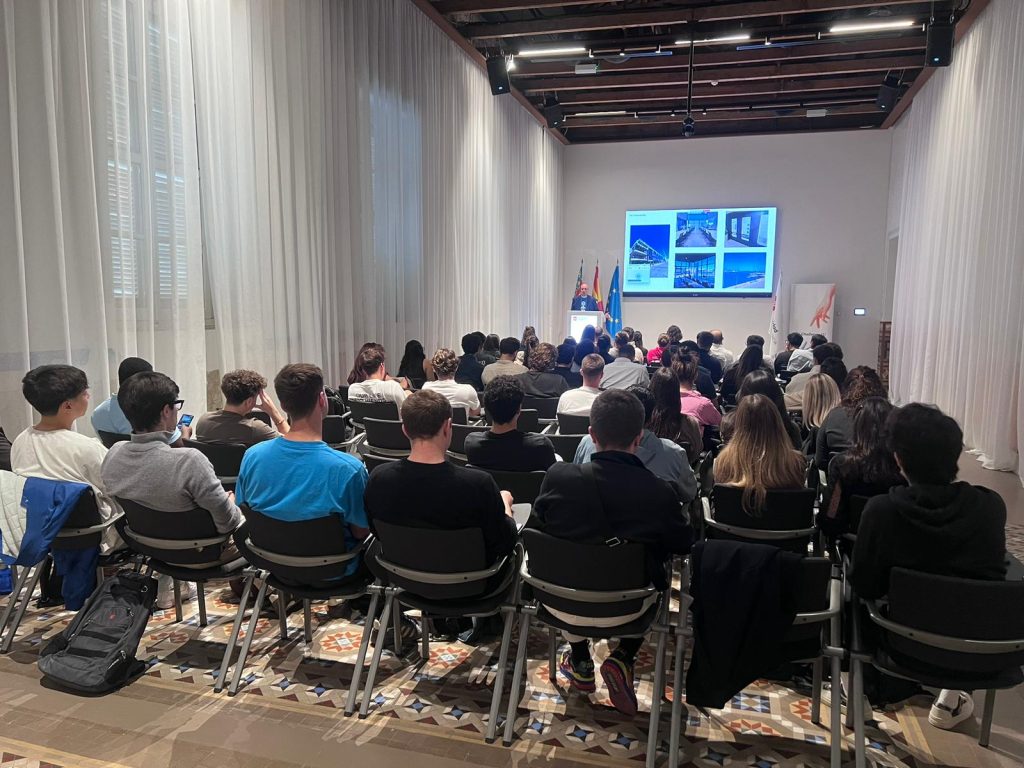
European companies, students and universities come together for a day that promotes professional development and strengthens the ChallengeEU alliance. Universidad Europea de Valencia has successfully held a new edition of Talent Day, an event dedicated to connecting students with companies that are committed to young talent and work every day to promote their professional growth. Talent Day – a bridge between the university and the labour market During the event, students had the opportunity to participate in practical activities designed to strengthen key skills for their professional development, such as Adecco’s Escape Room and professional photography sessions to improve their image on social media and in selection processes. The event took place on the Valencia, Viveros and Turia campuses, as well as on the Alicante Campus, where job fairs were held with the participation of companies such as Domusvi, Ecura, Globalworking, NorasCare Talent , Preventium, Adecco, Fundación Adecco, Eures, Melt Group, Randstad and Eurofirms. In addition, the auditorium hosted an IBM Masterclass on artificial intelligence and career opportunities in Valencia, which brought together around 75 students from Valencia and Alicante, who attended both in person and online. The European dimension of the event thanks to the ChallengeEU Alliance One of the major new features of this edition was the Job Fair becoming much more European as it was organized in collaboration with the European ChallengeEU Alliance, which allowed member universities from 8 different countries to participate, offering more opportunities to students from the Alliance. In total, 116 registered users explored the offers of the 11 participating companies, including Adecco, Fundación Adecco, GlobalWorking, Melt Group, Ecura, Eurofirms, Vezë Sharri, Fecke Coaching, ECAM La Salle, OSYPKA and the Port Authority of Valencia. In addition, the virtual open lectures organized within the framework of ChallengeEU attracted a total of 541 listeners, reflecting the growing interest in professional opportunities at European level. The sessions were offered by institutions such as South East European University (SEEU) from North Macedonia, Latvia University of Life Sciences and Technology (LBTU), Eures France, Eures Switzerland and the Universidad Europea de Valencia itself, consolidating the international and collaborative nature of the event. Talent Day has proven to be an effective platform for bringing the academic world closer to the professional world, and has reinforced Universidad Europea de Valencia’s commitment to employability, innovation and internationalisation. It should be noted that, in this edition, the collaboration with ChallengeEU, the European alliance that promotes cooperation between universities, companies and students, has been key to expanding the impact of this event and offering real opportunities for professional development beyond our borders. During Talent Day, Jana and Rocío from Universidad Europea de Valencia, members of the ChallengeEU Student Ambassadors Team, were among those who spoke about the opportunities that come with the development of the alliance. Their involvement in the event underlined in a special way that the idea of cooperation within the European Universities initiative is very close to the hearts of young Europeans.