Family Law through ODEI M.A.R.K.E.T.: Student Perspectives
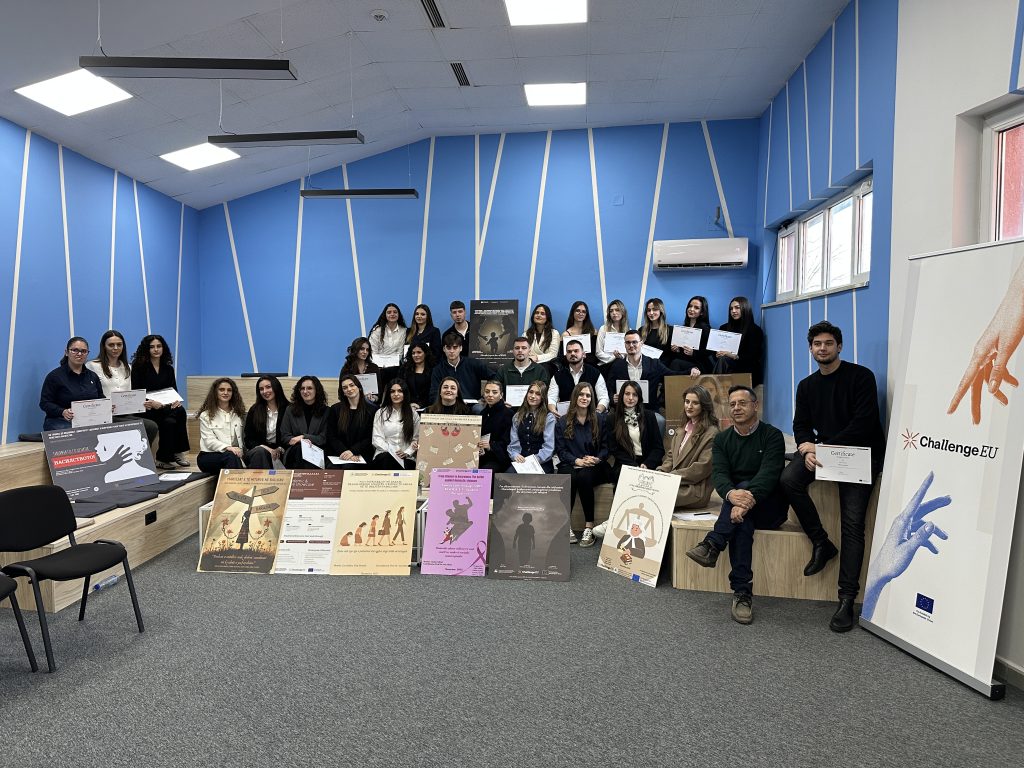
The event “Family Law through ODEI M.A.R.K.E.T.: Student Perspectives”, organised as part of ChallengeEU, is a compelling example of how innovative, inclusive and student-centred learning can generate meaningful academic and societal impact at South East European University (SEEU). The event opened with remarks from Prof. Dr Arta Mero, who emphasised the pedagogical value of the ODEI M.A.R.K.E.T. approach in fostering student advocacy, critical thinking and socially engaged legal education. This was followed by a welcome address from Prof. Dr. Veli Kreci, Director of the Max van der Stoel Institute, who highlighted the importance of embedding openness, diversity, equity, and inclusion into academic practice and curricula, particularly within the framework of the ChallengeEU Alliance. Representing the student perspective, Mevlan Ademi, Student Ambassador for ChallengeEU, reflected on the role of students as active contributors to university initiatives and European academic collaboration, underscoring how such formats empower students to engage meaningfully with societal challenges. Through the ODEI M.A.R.K.E.T. framework (Multi-Actor Research, Knowledge, Exchange, Teams), students moved beyond traditional classroom learning to become active researchers, presenters, and contributors to public and academic discourse. Their work demonstrated not only strong legal knowledge but also critical reflection, ethical awareness, and social sensitivity, particularly in addressing family law challenges through the lenses of diversity, equity, openness, and inclusion. The integration of the M.A.R.K.E.T. model in Family Law confirms its value as a sustainable, inclusive, and high-impact educational approach, enhancing academic excellence while strengthening the social relevance of legal education. The event also highlighted the transformative role of academic staff and fourth-year student mentors, whose guidance and commitment enabled participating students to translate theoretical knowledge into practice-oriented and socially responsive legal analysis. This collaborative effort reflects SEEU’s core values and reinforces its position as a leading institution within the European University Alliance, actively shaping modern, responsible and inclusive higher education. Presentations on adoption, domestic violence, child marriage, post-divorce parental responsibilities, children’s participation in legal proceedings and evolving approaches to divorce were delivered by: Albina Pajaziti, Sara Besimi, Era Fejzullai, Arion Dauti, Erjon Murseli; Iva Stefanovska, Bojana Velkovska, Emanuela Dimovska, Suejla Sulejmani, Zahide Hajdari, Drita Emini, Sara Vejseli; Aida Selami, Fatime Sejfuli, Leonita Xhelili, Mimoza Jahiu; Erlind Rufati, Valon Bexheti; Lindihana Uzeiri, Amina Iljazi, Eugerta Selami; and Jehona Saiti, Albina Rexhepi and Djellza Pajaziti, under the mentorship of Elisa Murseli, Mila Arsić, Elsa Havziju, Amina Ademi, Elfatir Lloga, Mevlan Ademi, Era Sadiku and Omer Ajruli (fourth-year students). The presentations were followed by an open and dynamic debate, during which students, mentors, and participants discussed research challenges, the role of mentoring, and emerging perspectives for family law within the ODEI framework, further enriching the academic exchange and reinforcing the participatory nature of the initiative. Strong engagement from legal practitioners (attorneys, notaries and judges), NGOs, institutional representatives, and students from other faculties and universities significantly amplified the event’s impact. Stakeholders welcomed the initiative and described it as a unique and rarely seen format in the legal field, emphasising its value in bridging academia and practice. As key collaborators of SEEU, they recognised the importance of such initiatives in advancing legal scholarship and strengthening societal trust in the legal system. The event concluded with a certificate ceremony, recognising the commitment and academic contribution of all participating students and mentors. Overall, this initiative confirms that ODEI M.A.R.K.E.T. within the ChallengeEU framework is not merely a project activity but a sustainable educational model, one that empowers students as agents of change, strengthens academic practice, and positions SEEU as a hub of inclusive, forward-looking, and socially responsible higher education with a tangible impact on both society and academia.
ECAM: An International Partnership Supporting Innovation and Entrepreneurship
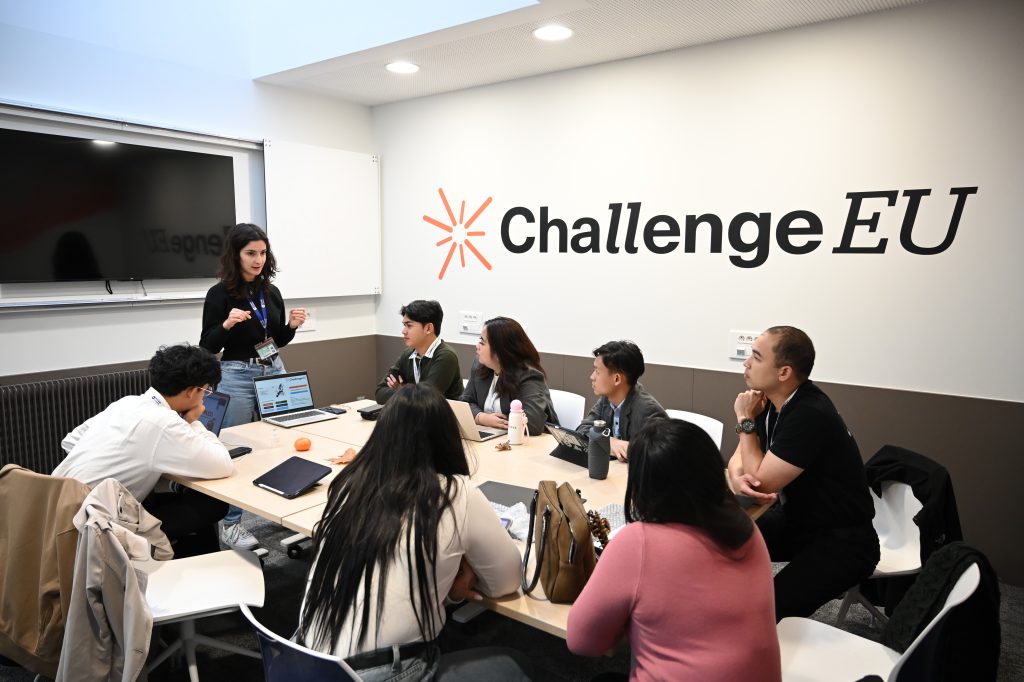
ECAM LaSalle and the Science and Technology Park (STeP) of Chiang Mai University are continuing their collaboration with a shared objective: to promote innovation, entrepreneurship, and international openness. At the heart of this partnership, an ambitious exchange program strengthens the ties between the two institutions. THE ELP PROGRAM: AN INCUBATOR FOR EXPERIENCE AND INITIATIVES Signed at the end of 2023, the partnership centers around the ELP (Experiential Learning Program) incubation initiative. Over the course of 10 months, student entrepreneurs from across Thailand test and develop their projects while strengthening their entrepreneurial mindset. At the end of the program, selected project leaders spend two weeks in one of STeP’s partner institutions, including ECAM LaSalle, to explore an international market and broaden their vision. The program also hosts staff members from partner universities, fostering a cross-exchange of practices and expertise. AN ENTREPRENEURIAL IMMERSION AT THE HEART OF ECAM LASALLE For the third consecutive year, ECAM LaSalle welcomed a delegation of seven Thai student entrepreneurs, accompanied by their coordinator. Each participant brought an innovative project: sustainable skin cream, intelligent orchard management, a wellness drink made from black rice, precision Thai craftsmanship, a secure device for opening medical ampoules, a solution for preserving cut flowers, and an AI-personalized learning platform. During their stay, participants took part in workshops, visits, and professional meetings, including: The European alliance ChallengeEU was also presented, illustrating ECAM LaSalle’s commitment to innovative educational practices and international mobility. The two-week stay concluded with a presentation of the work carried out, presented before a jury. This dynamic cooperation fully embodies the shared ambition of ECAM LaSalle and STeP to support international entrepreneurship and connect their innovation ecosystems on a global scale.
Mental Health at the Centre: M.A.R.K.E.T. MEET-UP at UEL
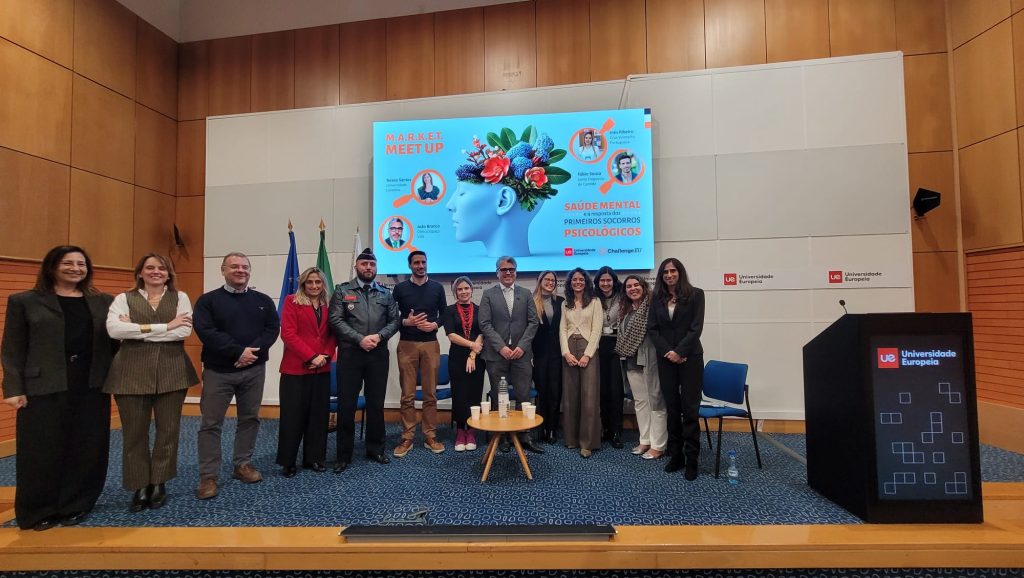
On 4 December, Quinta do Bom Nome, one of Universidade Europeia’s campuses in Carnide, hosted a vibrant gathering that brought together 50 participants: partners in the ChallengeEU Alliance, academia (academic staff, administrative staff and students), civil society, political decision-makers and economic actors. The group engaged in a frank, action-oriented conversation on mental health and psychological first aid (PFA). Opening remarks were delivered by Dr Rita Freitas, ChallengeEU Chief Implementation Officer at Universidade Europeia. She framed the Quadruple Helix model as a collaborative framework that brings together academia, government, civil society and the economy to reflect on shared challenges and design practical solutions across the initiative’s three Smart Specialisation Areas: Health & Well-Being, Smart Digitalisation and Sustainable Futures. Professor Dr Sofia Lopes hosted the event throughout the day, ensuring smooth transitions between segments and speakers. The roundtable was moderated by Professor Dr Lisa Roque, a member of the ChallengeEU community and a psychology faculty member, who placed PFA at the centre of the discussion and emphasised the need to build capacity to respond competently when someone experiences a critical event. Quadruple Helix in action The conversation gained depth as representatives from each “vertex” of the helix sat side by side. On behalf of academia, Prof Teresa Santos, Dean of the Faculty of Health Sciences, underscored the importance of mental-health literacy and transversal training – integrating competencies such as active listening, emotional regulation and crisis management into curricula and professional development programmes for students, faculty and staff. Representing civil society, Dr Inês Ribeiro of the Portuguese Red Cross highlighted the importance of timely responses and certified training in PFA, especially in crisis contexts, and the value of normalising these care practices as part of collective preparedness. From the local economy, Dr João Branco of Clínica Espaço Vida – Clínica Médica shared an integrated clinical perspective (general practice, psychiatry, nutrition and psychology), emphasising the link between prevention, triage and referral, as well as the value of accessible protocols connecting campus services, community support and specialised follow-up. The political dimension was represented by Fábio Sousa, Vice-President of the Carnide Parish Council, who explained how the council engages with local residents and stressed the importance of shared involvement – building proximity, networks and collective responsibility as pillars of an effective public response. Regional voices join the dialogue In a second round, the dialogue opened to regional stakeholders, reinforcing the reach of the model and the commitment to translate intentions into consistent practice. Firefighter Miguel Pereira, from the Sacavém Volunteer Firefighters, brought frontline experience, showing how early emotional and behavioural responses can make a tangible difference in mitigating harm and guiding decisions under pressure. Pedra Base – Consulting & Training, represented by Sara Carvalha and Daniela Guerreiro, presented first-aid training solutions for the corporate sector, advocating the implementation of internal protocols, response plans and ongoing team capacity-building. From expertise to practice: building mental-health literacy and response capacity A key takeaway resonated throughout the day: anyone can provide psychological first aid – provided they have the competence to do so. In many settings, equipping communities with PFA skills can help address shortages in resources and existing capacity, strengthening empathy, mutual support and immediate responses to critical events – alongside physical first aid when necessary. This shared vision turns the campus into a living laboratory of solutions, with impact both within and beyond the university. The closing segment opened the floor and turned the gathering into a productive brainstorming session, generating proposals that set direction and ambition: PFA modules embedded in curricula and continuous training; campus response plans and referral protocols aligned with local partnerships; mental-health literacy campaigns combined with hands-on skills training; and monitoring and impact-evaluation mechanisms grounded in data and continuous improvement. It became clear that Universidade Europeia and ChallengeEU are taking the concept off the page and into practice: when academia, civil society, political decision-makers and the economy sit at the same table – with informed moderation, careful hosting and shared objectives – the outcomes can be applicable, replicable and sustainable. More than a debate, this meet-up marked a turning point: empowering people to act with competence and care, precisely when it matters most.