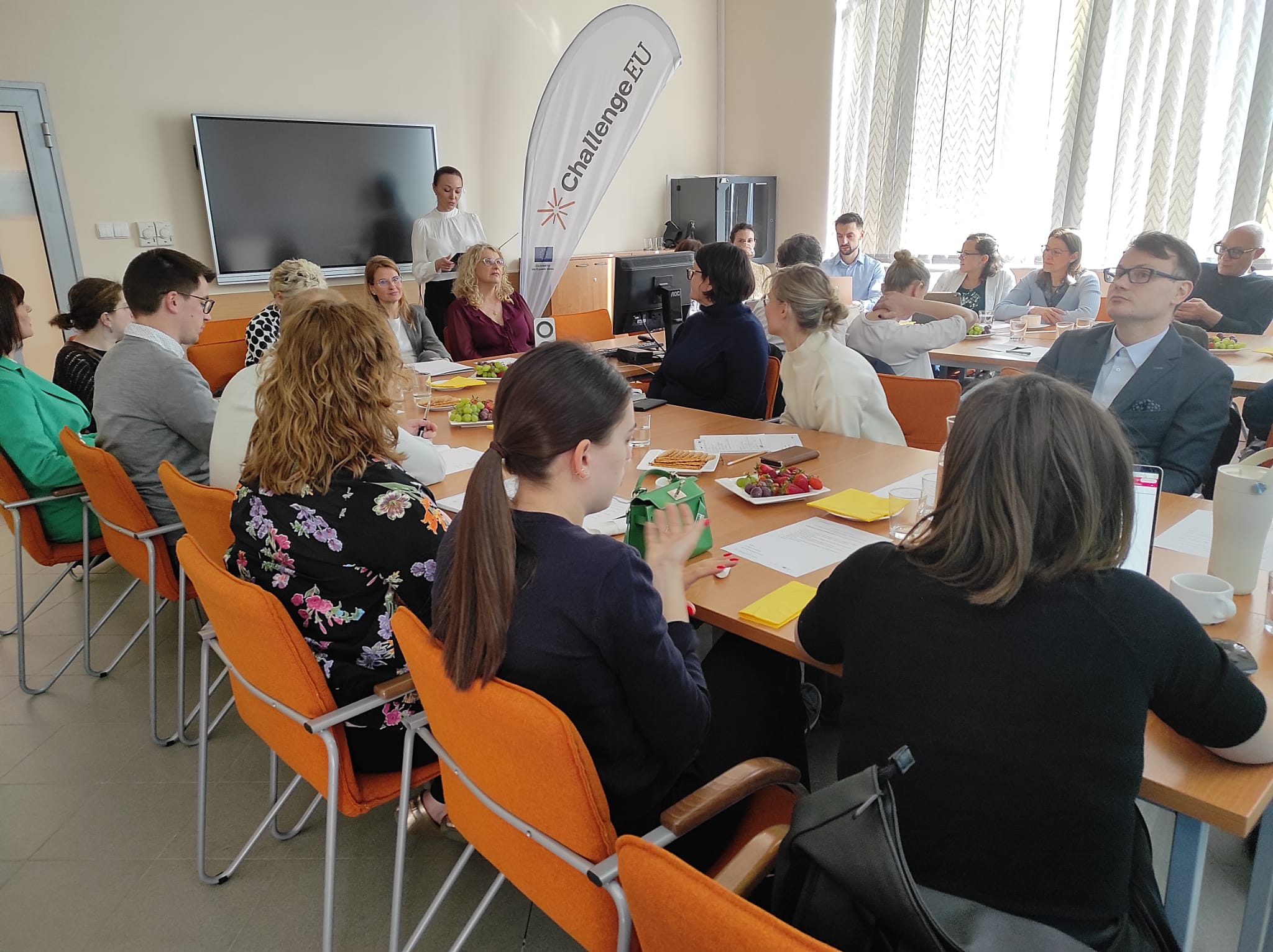
On 22 April 2026, the M.A.R.K.E.T. Meet-Up titled “From Water Challenges to Solutions: Innovation, Treatment and Resource Recovery” took place at the University of Warmia and Mazury in Olsztyn. The event brought together representatives of regions and institutions from across Europe, who engaged in joint discussions on modern solutions in water management, environmental protection, and resource recovery.
Participants included representatives of: the Region of West Flanders (Belgium), the Region of Lower Austria – Business Agency of Lower Austria, the Tampere Region (Finland) and the Baltic Institute of Finland, TUA West – Technical University Alliance for Economic Transformation in West Flanders (Belgium), the City of San Sebastián (Spain) – Formento, the municipal economic development agency, the Emilia-Romagna Region (Italy), the City of Bremen (Germany), the Autonomous Province of Vojvodina (Serbia), and the Warmia and Mazury Regional Development Agency in Olsztyn.
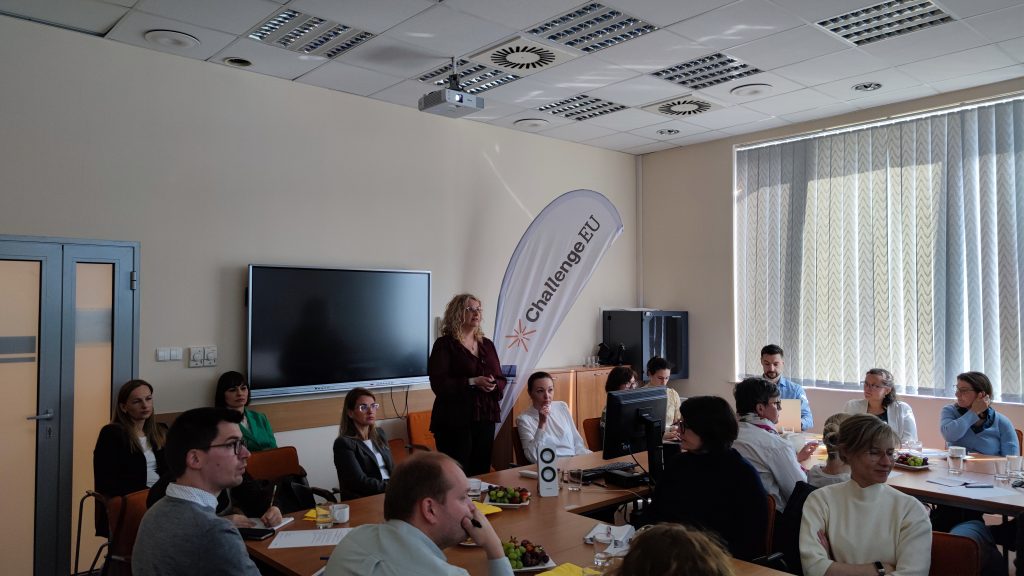
Among the participants was also a representative of an associated partner of ChallengeEU from the Marshal’s Office of the Warmia and Mazury Voivodeship.
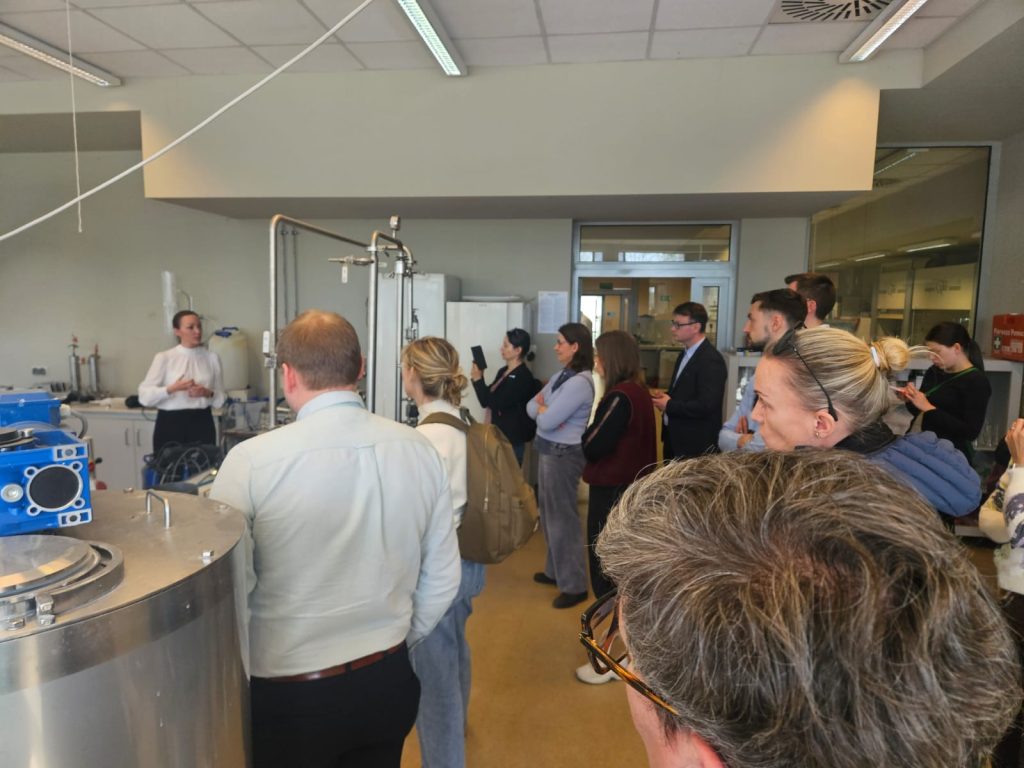
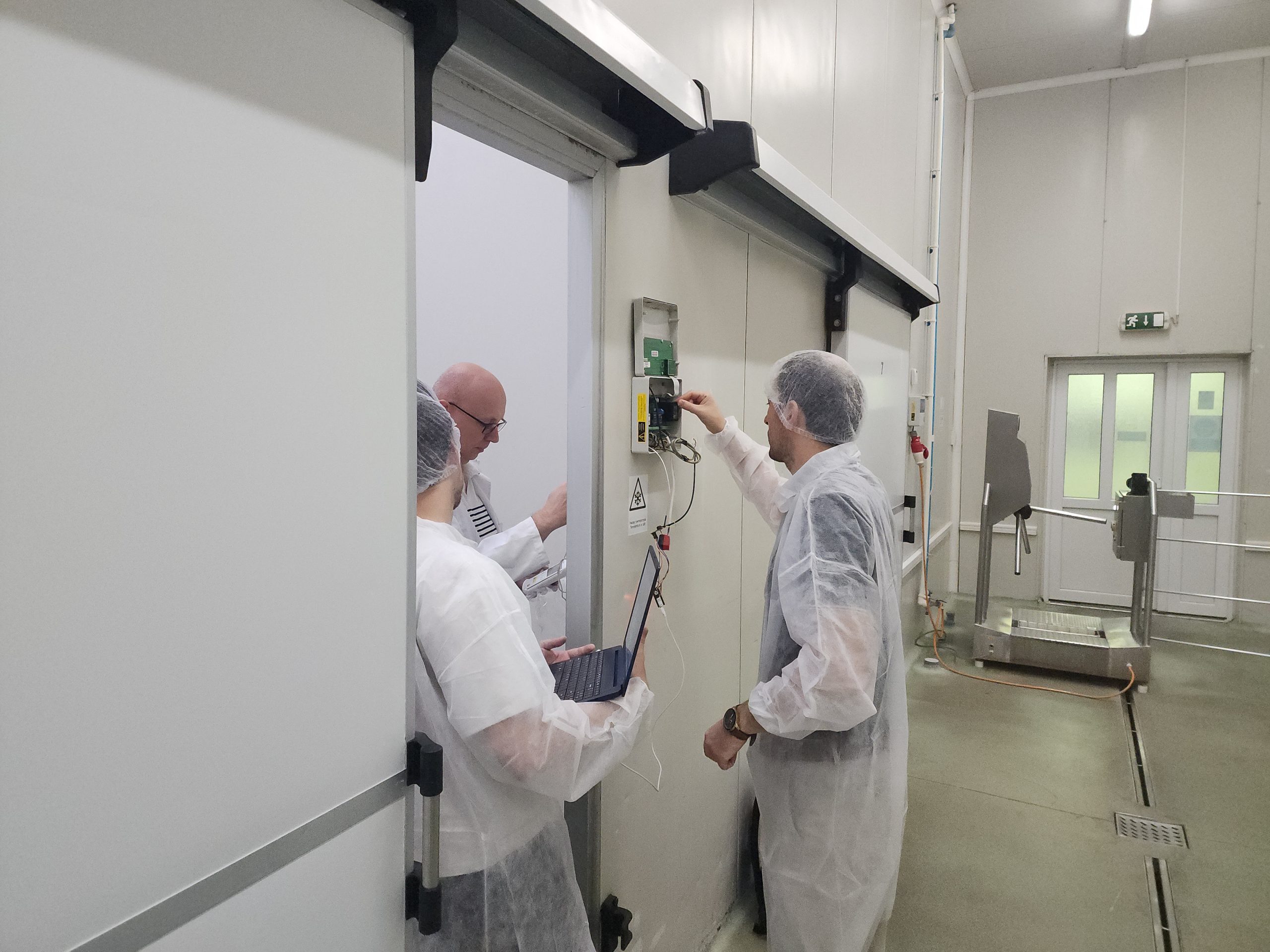
The programme featured presentations on innovations in lake protection and restoration, sludge management in the context of reducing eutrophication, and advanced environmental technologies such as anaerobic digestion and microalgae cultivation. The meeting concluded with a visit to the technological laboratory of the Department of Environmental Engineering at UWM, where participants had the opportunity to explore ongoing research and scientific infrastructure.
The M.A.R.K.E.T. Meet-Up served as a platform for the exchange of experiences and good practices among European regions, fostering cooperation between academia, public administration, and economic partners.
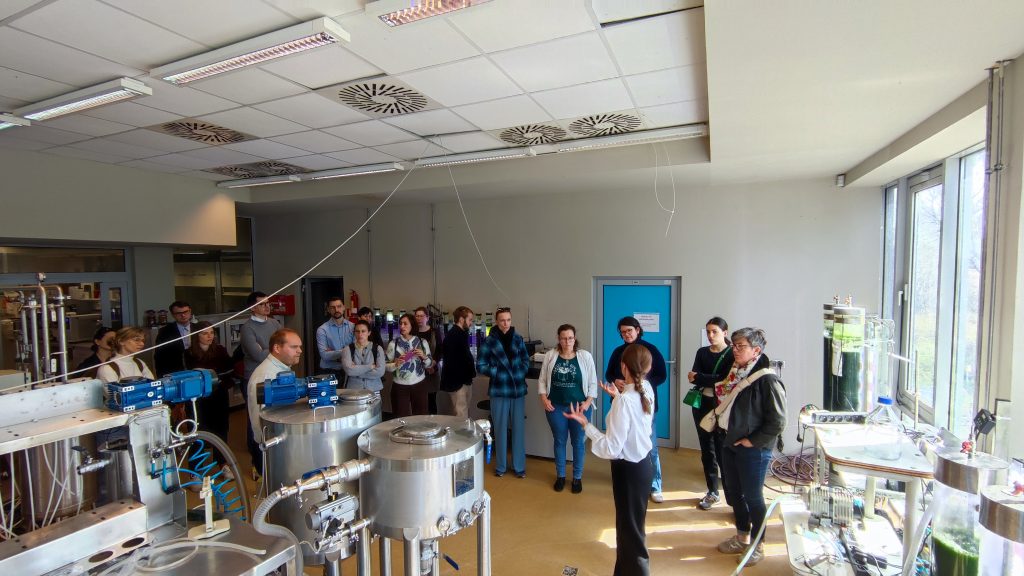
“One of the topics that attracted particular attention during the meeting was lake restoration. This is a highly relevant issue not only for our region, but across Europe, especially in areas with a long history of intensive agricultural and urban development. As highlighted during the discussions, the current state of many lakes is largely the result of historical pressures — decades of nutrient inflows, insufficient wastewater treatment in the past, and land-use practices that have led to the accumulation of pollutants in sediments. These legacy effects mean that even if external pollution sources are reduced today, lakes often continue to degrade due to internal loading.
In this context, innovative restoration approaches are gaining increasing importance. Among them, the use of phosphorus inactivation compounds (salts of iron and aluminum) was presented as a particularly promising method. These technologies can effectively limit phosphorus release from sediments, which is one of the key drivers of eutrophication. What makes them especially valuable is their potential for relatively rapid implementation and measurable environmental impact, supporting the recovery of aquatic ecosystems,” said Dr Paulina Rusanowska, ChallengeEU Project Implementation Specialist at UWM.
“The strong interest from international participants confirms that lake restoration is not only a scientific challenge but also a strategic priority for regional development, water management, and environmental protection. Sharing experiences and solutions in this field creates real opportunities for scaling up effective practices and building long-term resilience of water resources across Europe,” she added.