Celebrating Success: ChallengeEU Mentoring Programme Concludes Cycle 1
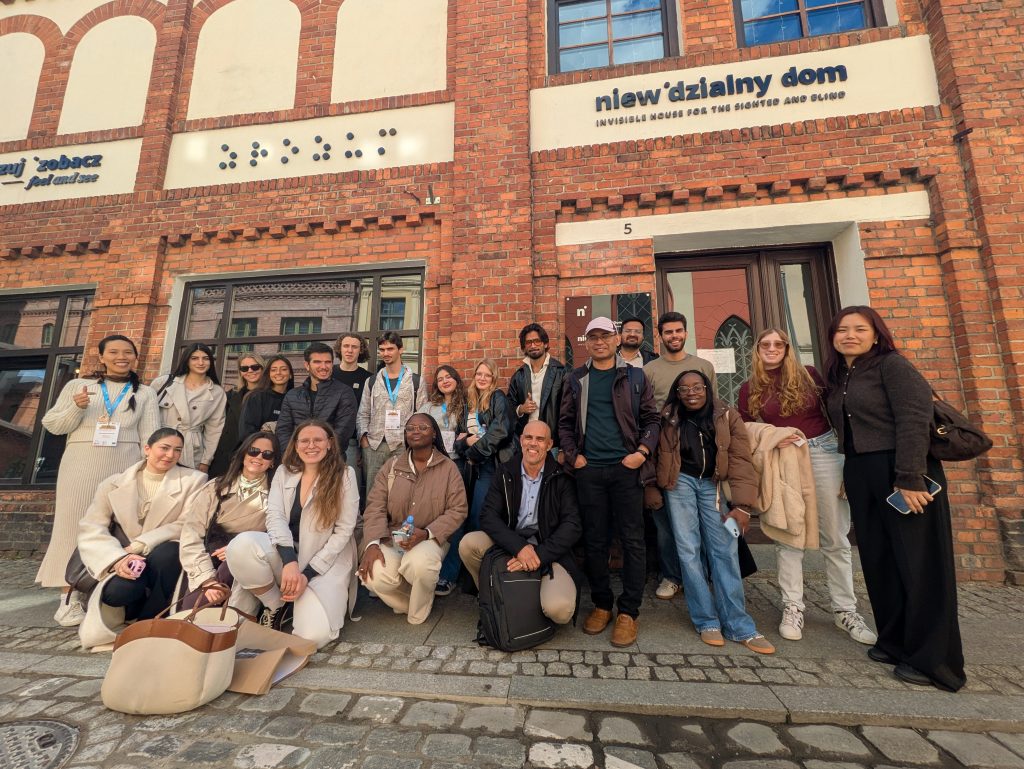
The first cycle of the ChallengeEU Mentoring Programme concluded with an online meeting bringing together mentors and mentees from across the Alliance to reflect on their experiences, share key lessons and highlight the value of cross-cultural and cross-disciplinary mentoring. On 28 September 2026, the ChallengeEU Alliance gathered online to mark the successful completion of the first cycle of the ChallengeEU Mentoring Programme. The meeting, organised by University of Warmia and Mazury in Olsztyn (Prof. Katarzyna Ćwirynkało and Dr Monika Ryndzionek) in collaboration with Mid Sweden University (Dr Hafizur Rahman), brought together mentors and mentees to reflect on a journey shaped by cross-cultural collaboration and mutual growth. The session opened with an overview of the cycle’s reach: 75 mentors and 79 mentees from all nine partner institutions. One of the highlights of the cycle was the Blended Intensive Programme (BIP) held in Olsztyn, Poland, which focused on inclusion and diversity. At the heart of the meeting was the “Voices of Mentors and Mentees” segment. Participants shared their experiences, emphasising that the programme offered benefits extending far beyond its initial goals. Mentors spoke about the value of “giving back” and gaining “fresh perspectives from youth”, while mentees highlighted how the programme helped them build confidence and navigate unfamiliar situations. A key takeaway from the discussions was that cross-disciplinary matching is a strength rather than a limitation. As one participant noted, “Some of the most meaningful outcomes come from the mutual exchange of ideas and perspectives, regardless of disciplinary boundaries.” The relationships established through the programme often developed into genuine personal connections, showing that the mentoring relationship itself can become as valuable as the academic or professional goals it supports. With Cycle 2 set to launch in January 2027, the organisers expressed their appreciation for the dedication and engagement of everyone involved. The success of the first cycle was made possible by the commitment of mentors and mentees across the Alliance. The meeting concluded with a message reflecting the spirit of the programme: “Alone we can do so little; together we can do so much.”
Working in the GIS Sector: Regional M.A.R.K.E.T. Student Activity held at UWM
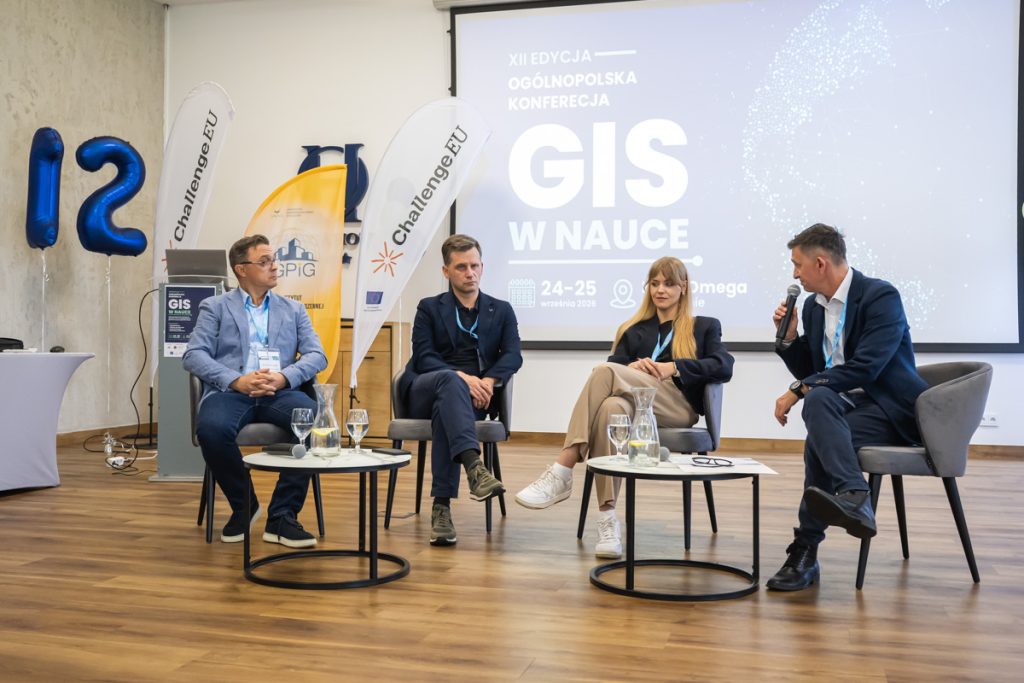
The meeting “GIS and the Labour Market – What Do Employers Expect from Graduates?”, was held on 25 September and was part of the 12th edition of the scientific conference “GIS in Science.”
Humanoid Robotics and Embodied AI Foundation Established
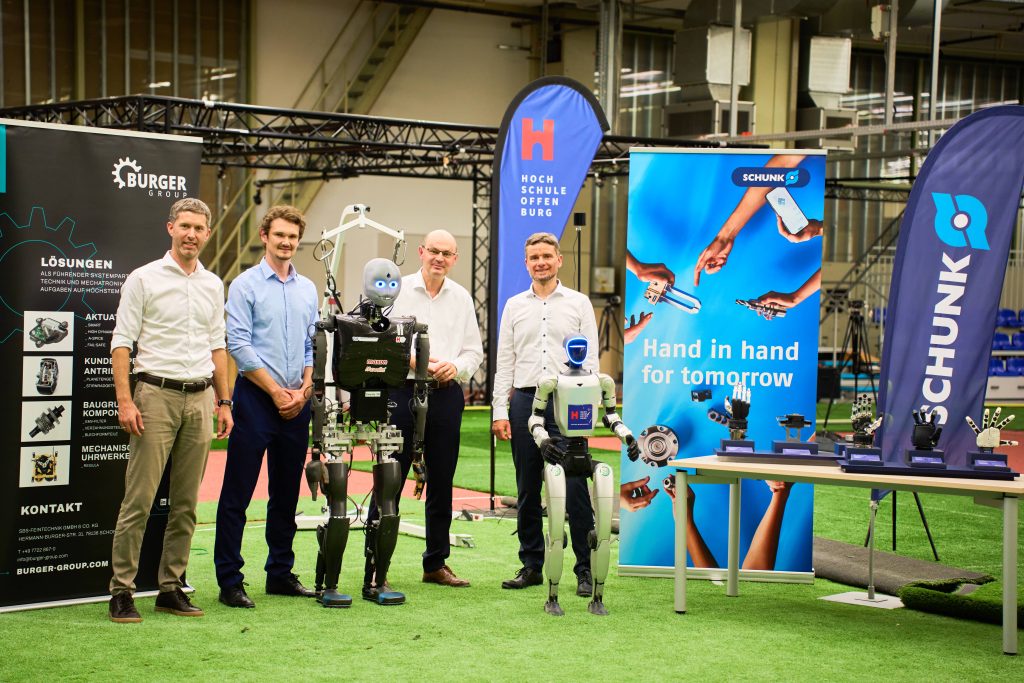
Hochschule Offenburg and companies are promoting research and technology transfer in the field of humanoid robotics “made in Baden-Württemberg.” At a time when humanoid robotics is becoming a crucial solution to the shortage of skilled workers and a key factor in competitiveness, Hochschule Offenburg, Schunk SE & Co. KG, and the Burger Group are setting the course for innovation and technological autonomy: Together, the university and the companies have established the nonprofit “Humanoid Robotics and Embodied AI” Foundation. The founders aim to support applied research and technology transfer projects focused on the development, testing, and deployment of sustainable, economically valuable solutions utilizing humanoid robotics and embodied AI. The goal is to create an innovation ecosystem that consolidates the entire value chain—from basic research to market-ready systems—within the region. This ranges from application-oriented basic research for innovative, AI-based subcomponents—such as intelligent sensor technology and anthropomorphic grasping systems—and software solutions to complete systems and their transfer to industry. In addition, a regional and supraregional network of experts from academia, industry, and society is to be established and maintained to address issues related to humanoid robotics and embodied AI. More information: https://www.hs-offenburg.de/hochschule/news/artikel/stiftung-humanoid-robotics-and-embodied-ai-gegruendet
ChallengeEU M.A.R.K.E.T. Activity Focuses on Tourism in Utiel-Requena
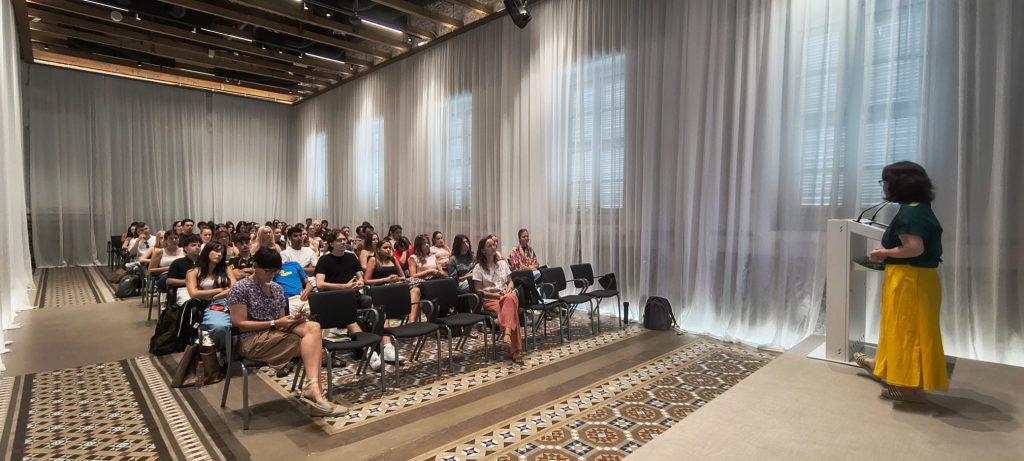
On 28 September, Universidad Europea de Valencia organised a two-hour preparatory session for the launch of the M.A.R.K.E.T. Activity on Tourism. There could hardly be a better way to celebrate World Tourism Day than by bringing together students and academics to explore the future of sustainable tourism ahead of the second phase of the activity, which will take place on 30 September in the form of a field trip to a winery in the Utiel-Requena region. The activity, entitled “From Wine Product to Destination Experience: Sustainable and Innovative Future of Utiel-Requena Vinitourism”, brought together 70 students and three lecturers from the Bachelor’s Degree in Tourism and Leisure Management. The session was opened by Emmanuël Hazé, Chief of UEV Implementation Office, who welcomed participants and introduced the objectives of the activity. He also took the opportunity to highlight the importance of the ChallengeEU European University Alliance, raising awareness among students and staff of its mission, opportunities and key initiatives. As a M.A.R.K.E.T. Activity, the project will be implemented in line with the Quadruple Helix model, ensuring the active involvement of academia, public institutions, private-sector stakeholders and civil society throughout the process. This collaborative approach will enrich participants’ understanding of destination development and strengthen connections between education, industry, governance and local communities. This preparatory session marks the beginning of a valuable learning experience that will allow participants to explore first-hand how innovation and sustainability are shaping the future of wine tourism and destination management in the Utiel-Requena area.
Regional Promotion and Regenerative Tourism. ChallengeEU Students Join an International Programme at UWM
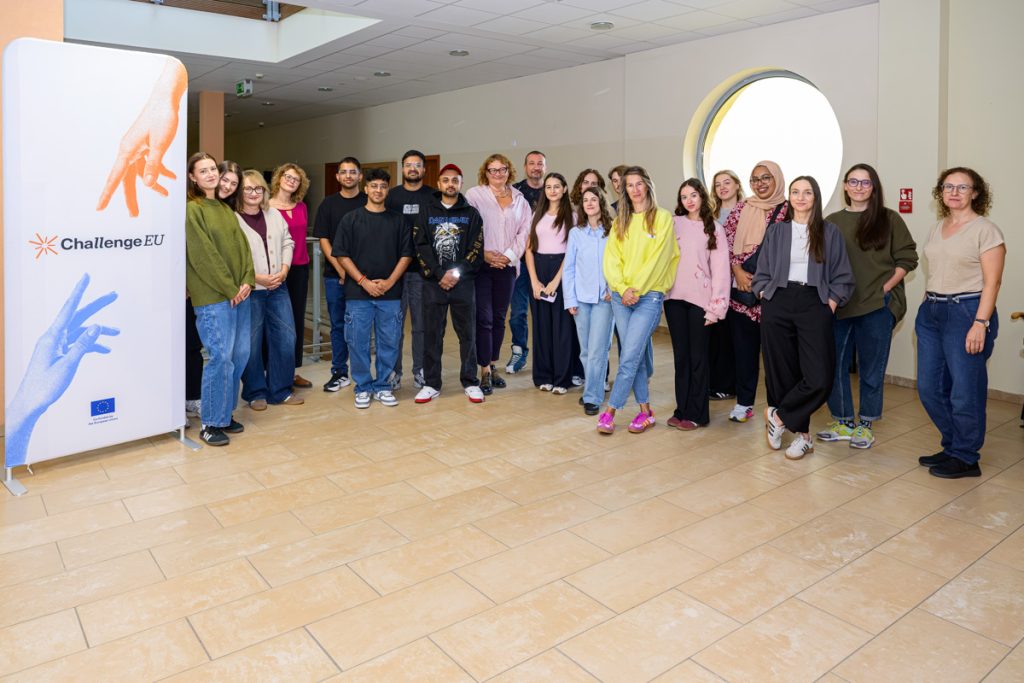
Students from ChallengeEU Alliance universities in Spain, Portugal, Germany, North Macedonia, Latvia and Poland came to the University of Warmia and Mazury to learn how to promote a region by treating its spaces, resources and local ecosystems as interdependent elements of a single system.
Universidad Europea de Valencia Promotes International Training in Behavioural Economics through the Behavioral Bridge Summer School
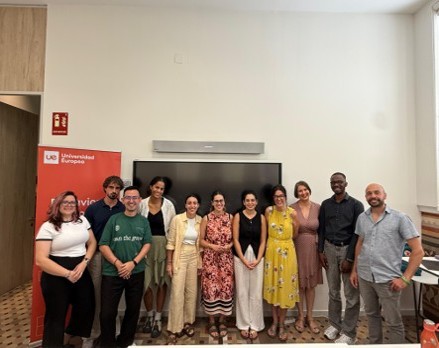
The programme, organised by the Behavioral Economics Institute and supported by the ChallengeEU Alliance, brought together students and researchers from Europe, Asia and Oceania to explore the impact of behavioural economics and artificial intelligence on decision-making. Universidad Europea de Valencia hosted the Behavioral Bridge Summer School from 13 to 18 July, an initiative organised by the Behavioral Economics Institute (BEI) with the support of the ChallengeEU Alliance. For one week, researchers, experts, and local and international students shared knowledge, methodologies, and experiences to deepen their understanding of the role of behavioural economics in analysing and improving decision-making in areas such as public policy, healthcare, consumer behaviour, and climate change. Behavioural economics examines how individuals make decisions in real-world environments, where factors such as uncertainty, social pressure, and limited information often play a significant role. With this perspective, Behavioral Bridge provided practical training focused on translating scientific knowledge into real-world applications, combining experimental methods, fieldwork, and artificial intelligence to better predict human behaviour. The academic programme featured internationally renowned specialists. Professor Nikolaos Georgantzis, from Burgundy School of Business, addressed the application of behavioural methods to consumer markets and the wine industry; Dr Tommaso Batistoni, from the University of Oxford, explored the use of artificial intelligence and digital twins to predict human behaviour; Professor Esther Blanco, from the University of Innsbruck, examined the contribution of behavioural economics to climate change policies; and Professor Paolo Crosetto, from INRAE-CNRS, analysed the impact of food labelling on healthy consumer choices. The Summer School combined conceptual and practical learning activities with individual mentoring sessions, during which participants received expert guidance from the faculty. The student cohort reflected the programme’s strong international reach, bringing together participants from leading institutions such as the University of Tsukuba (Japan), Ashoka University (India), University of Potsdam (Germany), University of Göttingen (Germany), and the University of Technology Sydney (Australia), among others, as well as doctoral students from the Valencian Community representing both Universidad Europea de Valencia and neighbouring universities.
UWM and ECAM LaSalle Explore Joint Educational Initiatives
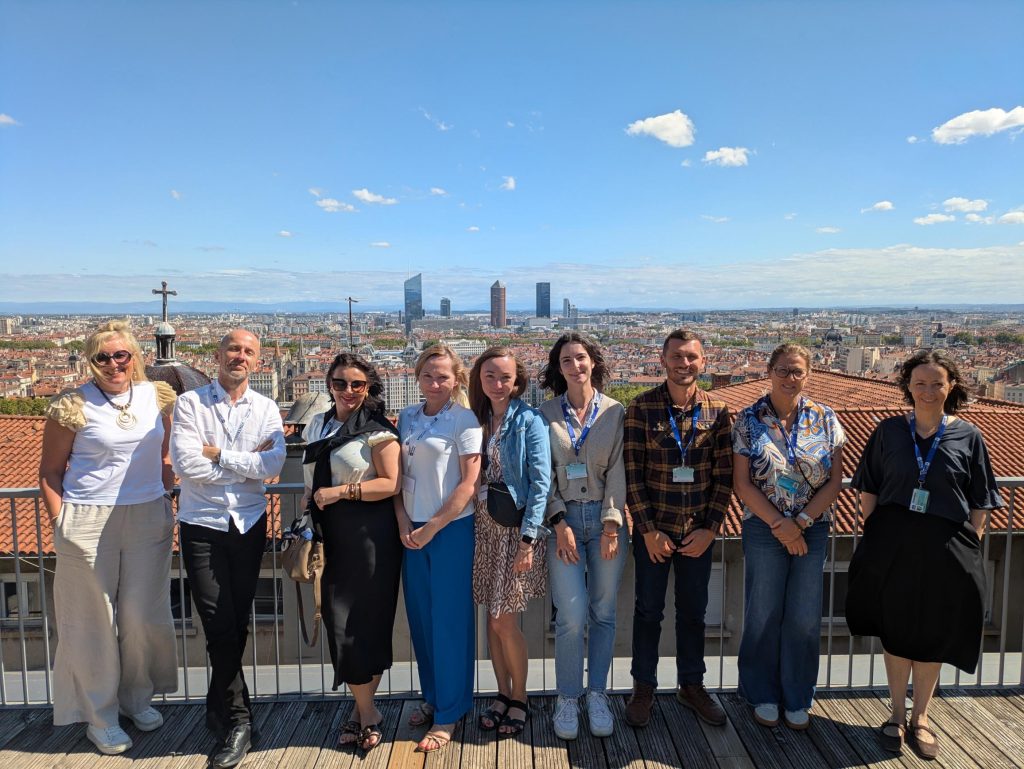
From 9 to 14 September, ECAM LaSalle were delighted to welcome a five-person delegation from the University of Warmia and Mazury in Poland for a working visit focused on strengthening cooperation and developing joint activities within the ChallengeEU Alliance. During their stay, the UWM representatives had the opportunity to explore various academic departments at ECAM LaSalle and meet with members of the teaching staff. These meetings created space for direct exchange, discussion and a closer look at areas in which both institutions could further develop their cooperation. The visit focused in particular on several areas of potential joint work. One of them was Challenge-Based Learning, including discussions on the development of e-learning resources for teachers. The partners also exchanged ideas related to languages, with a view to developing future joint activities in this field. Another important topic was cybersecurity, where discussions centred on the possibility of creating an online teaching module. The working visit therefore combined institutional exchange with practical discussions on future cooperation. It allowed colleagues from both universities to identify areas of shared interest, compare approaches and explore how joint educational initiatives could be developed within ChallengeEU. These exchanges provide a concrete example of what participation in the ChallengeEU alliance can offer: opportunities to meet colleagues from other European partner universities, share best practice, learn from one another and work together on new educational projects. They also show how cooperation within the alliance can move from initial conversations to the development of specific ideas and potential joint activities.
ChallengeEU Students Join the First FHNW Exploration Week

Students from UWM, UEV, HSO and FHNW took part in the ChallengeEU module “Team Collaboration – Working Together Efficiently”, organised as part of the first FHNW Exploration Week. The one-week programme in Switzerland combined Challenge-Based Learning, intercultural exchange and teamwork focused on a real-world regional challenge. The first FHNW Exploration Week, held from 31 August to 4 September 2026, was launched as a pilot initiative marking the 20th anniversary of FHNW. It brought together more than 400 participants across 22 modules and four events, creating a new interdisciplinary learning format focused on collaboration, exchange and future-oriented skills. The programme explored FHNW’s key future fields: New Work, Zero Emission and Future Health, and offered students, lecturers and staff the opportunity to work across schools, disciplines and perspectives. As part of the FHNW Exploration Week 2026, the ChallengeEU module “Team Collaboration – Working Together Efficiently” brought together students from University of Warmia and Mazury, Universidad Europea de Valencia, Hochschule Offenburg and FHNW for a one-week international learning experience in Switzerland. The week also welcomed teaching staff from ChallengeEU partner university, who took part in short-term mobility activities and contributed to the broader exchange of knowledge, perspectives and good practices. The module, hosted by FHNW within Exploration Week, applied a Challenge-Based Learning (CBL) approach, enabling students to work in interdisciplinary and international teams on a real-world challenge. Throughout the week, participants explored topics such as team formation, effective collaboration, diversity in teams, conflict management, feedback culture, project organisation and self-reflection. Working alongside students from different academic and cultural backgrounds, they developed practical solutions to a challenge set by a regional gardening company, focusing on the attractiveness of vocational education for young people. At the end of the week, the students presented their ideas to an expert jury. Beyond the academic programme, the mobility fostered intercultural exchange through social and cultural activities, including a Swiss yodelling workshop, joint excursions and collaborative team-building exercises. The module was co-funded by MovetiaExploration Week was co-funded by the Swiss Federal Office for the Environment
ChallengeEU Strengthens Cooperation with Associated Partners
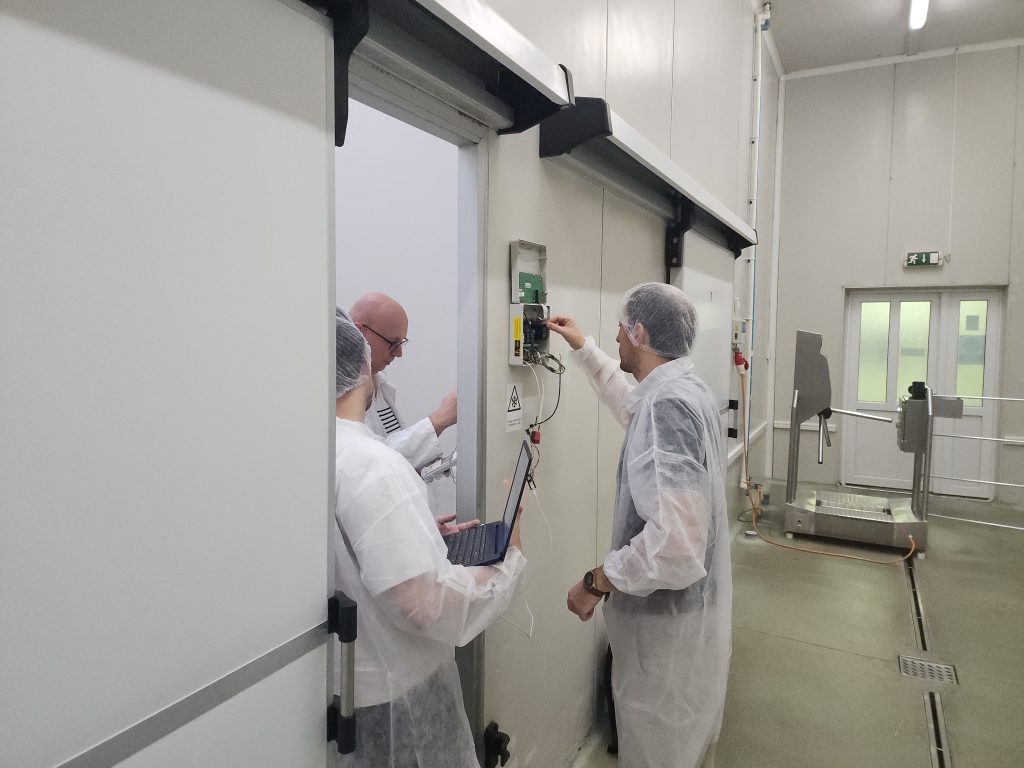
On 4 September, as part of the ChallengeEU initiative, South East European University (SEEU) successfully carried out sensor testing in collaboration with Veze Sharri, one of ChallengeEU’s Associated Partners. This activity marks an important milestone in the development of the Smart Fridge Monitoring System, which aims to explore innovative solutions for monitoring and improving refrigeration processes through smart sensor technologies and data-driven insights. This project component is led by Prof. Mennan Selimi, Hamit Kamberi and Samir Shabani, who are working closely with Veze Sharri on testing, data collection and the further development of the solution. SEEU is grateful to Veze Sharri for its cooperation and commitment to supporting innovation, experimentation and the practical application of digital technologies. This collaboration within ChallengeEU demonstrates the value of connecting academia, industry and innovation to develop solutions with real-world impact.
ChallengeEU Connects Polish and Latvian Foresters
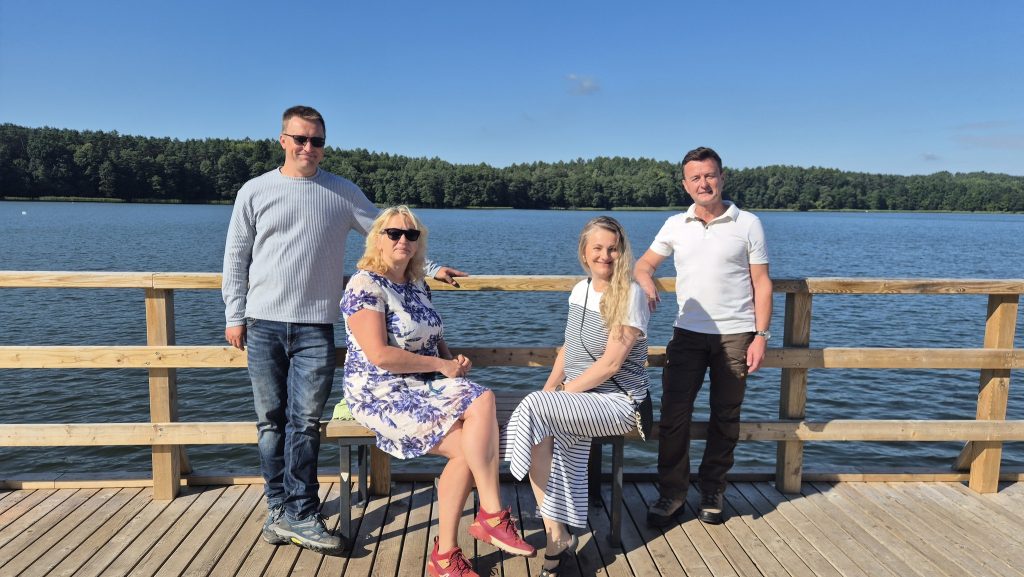
For five days, experts from the Latvia University of Life Sciences and Technologies (LBTU), hosted by Professor Piotr Mederski, travelled through Polish forests – from the steep slopes of the Silesian Beskids to stands of the famous Tabórz pine. They were looking for answers to one key question: how can Latvia’s forests be prepared for climate change? The visit was made possible thanks to the ChallengeEU Alliance and support from the Polish National Agency for Academic Exchange (NAWA). The University of Warmia and Mazury in Olsztyn hosted representatives of the Institute of Forestry at LBTU’s Faculty of Forest and Environmental Sciences in Jelgava. Their guide to both Polish forestry and UWM itself was Prof. Piotr Mederski from Faculty of Agriculture and Forestry. The Staff Week programme followed a simple principle: fewer presentations, more time in the forest. “During the five-day visit, we planned trips to selected State Forests units that demonstrate both the similarities between forestry in Poland and Latvia and the differences that may be particularly interesting in the context of introducing new solutions in Latvia,” explains Prof. Piotr Mederski. The first stop was southern Poland. “We visited the Silesian Beskids, which was a completely new experience for our Latvian guests, who are used to a lowland and relatively flat landscape,” says the group’s host. “At the same time, visiting beech stands was of particular interest to Latvian foresters because of climate change and the search for solutions involving changes in tree-species composition, including the introduction of European beech (Fagus sylvatica).” The final part of the programme brought the group back to Warmia and Mazury, with a visit to the Miłomłyn Forest District. There, the guests could see stands of Tabórz pine for themselves – an ecotype known for trees reaching up to 40 metres in height, with exceptionally straight trunks and few lower branches. Tabórz pine is regarded as one of the most valuable pine ecotypes in Europe. For the Latvian visitors, the scale of Polish forestry proved just as interesting as the forests themselves. “It is very interesting to come from a small country to one as large as Poland and compare how small- and large-scale forestry can work alongside each other,” says Dr Lelde Vilkriste, Associate Professor at the LBTU Institute of Forestry, whose research focuses on forest resource economics and private forestry. “The differences in species composition and forest management methods are also very interesting and valuable.” Solveiga Luguza, a lecturer at the LBTU Institute of Forestry specialising in dendrology and forest regeneration, summed up the differences between the two countries most succinctly. “The forests are similar, but they are not the same. They are similar because we have the same species – Scots pine, for example, is just as important in Latvian forests as it is in yours. But your soils are more fertile, which is why you have many more deciduous forests compared with our predominantly coniferous ones. There are many similarities and plenty of differences we can learn from,” says the Latvian researcher. Her words capture the essence of the entire visit. The shared tree species and forestry traditions of the Baltic Sea region provided a starting point for identifying solutions that could potentially be transferred to Latvia, as well as those that work only under Poland’s specific habitat conditions. The intensive exchange of experience during the five-day Staff Week was made possible thanks to the support of the Polish National Agency for Academic Exchange (NAWA) and the ChallengeEU European University Alliance, which brings together nine universities. LBTU is UWM’s Latvian partner within the Alliance, and cooperation between the two universities in the field of forestry is set to continue.