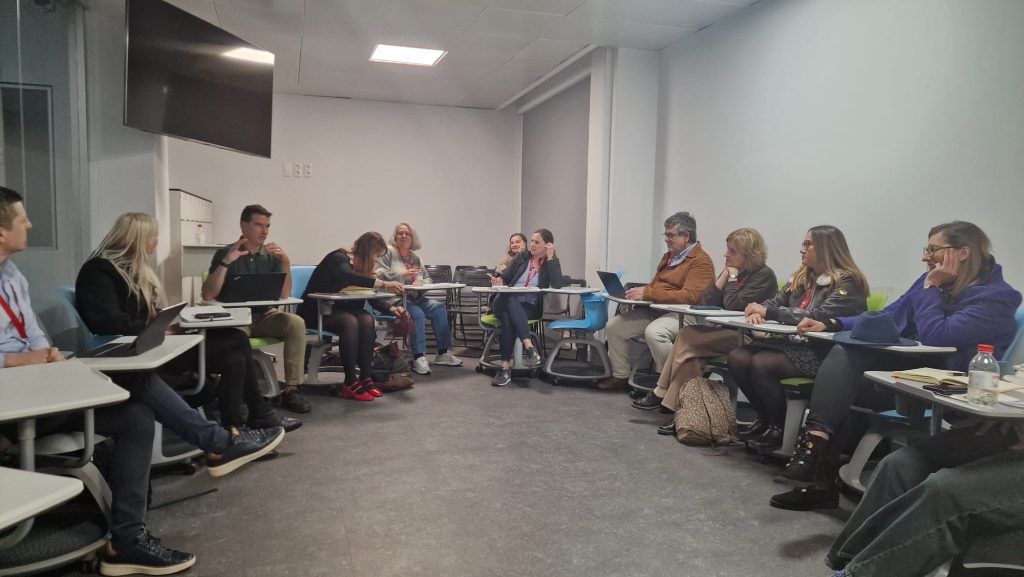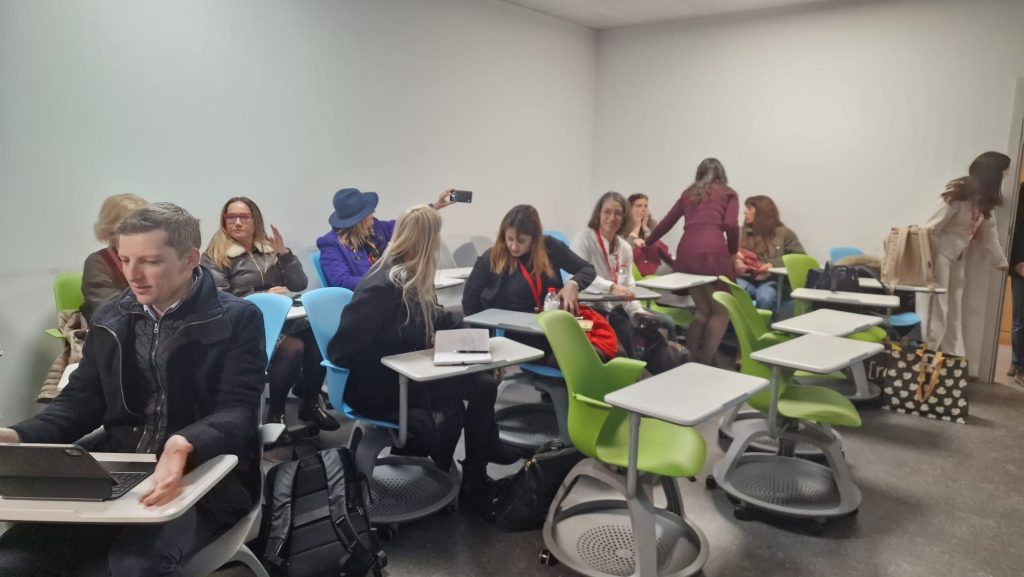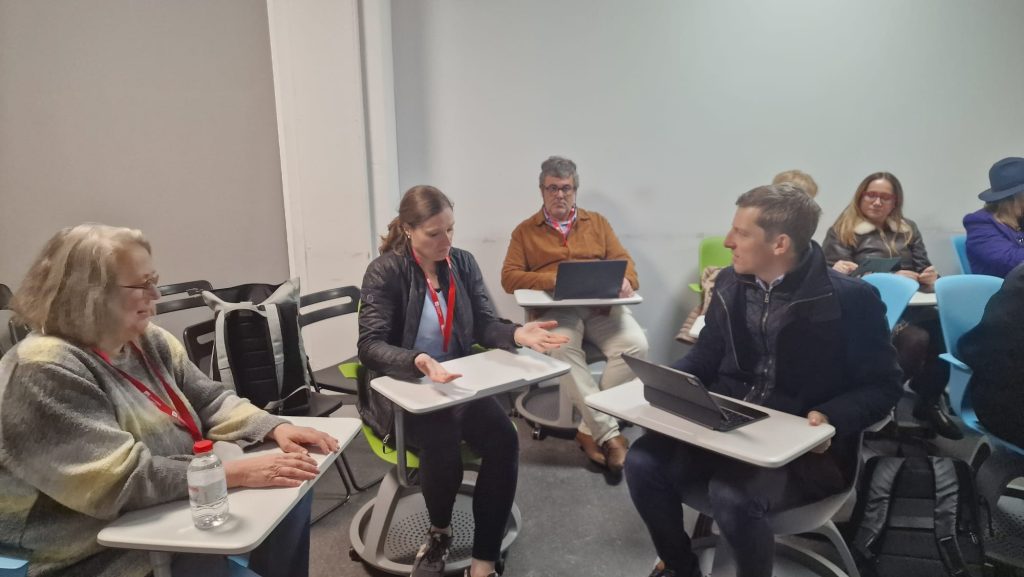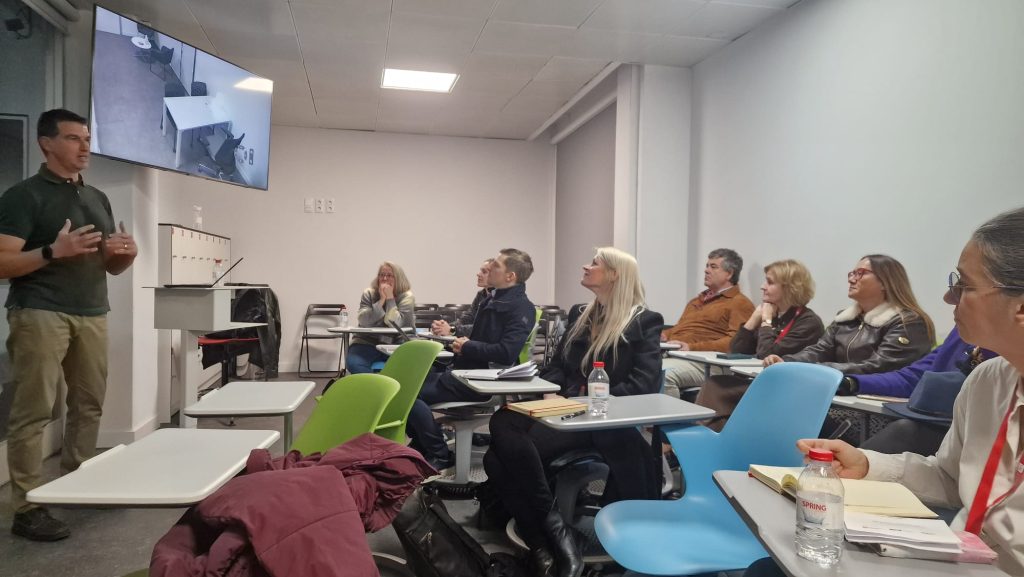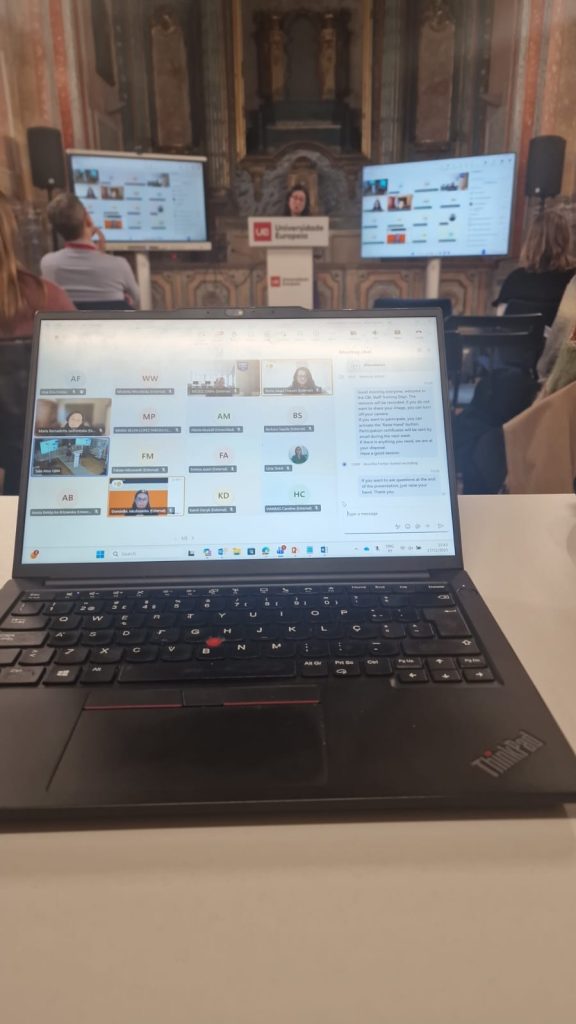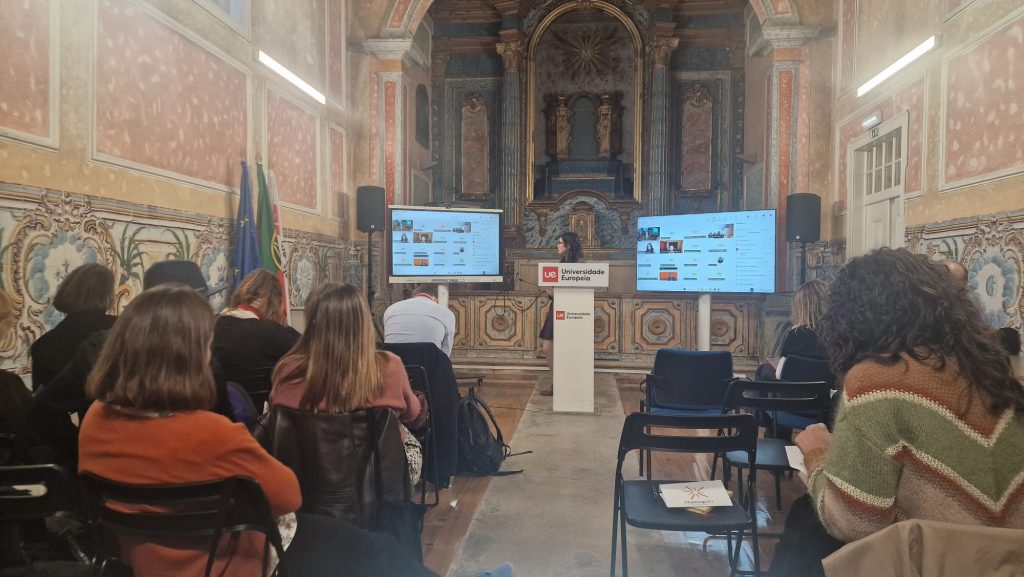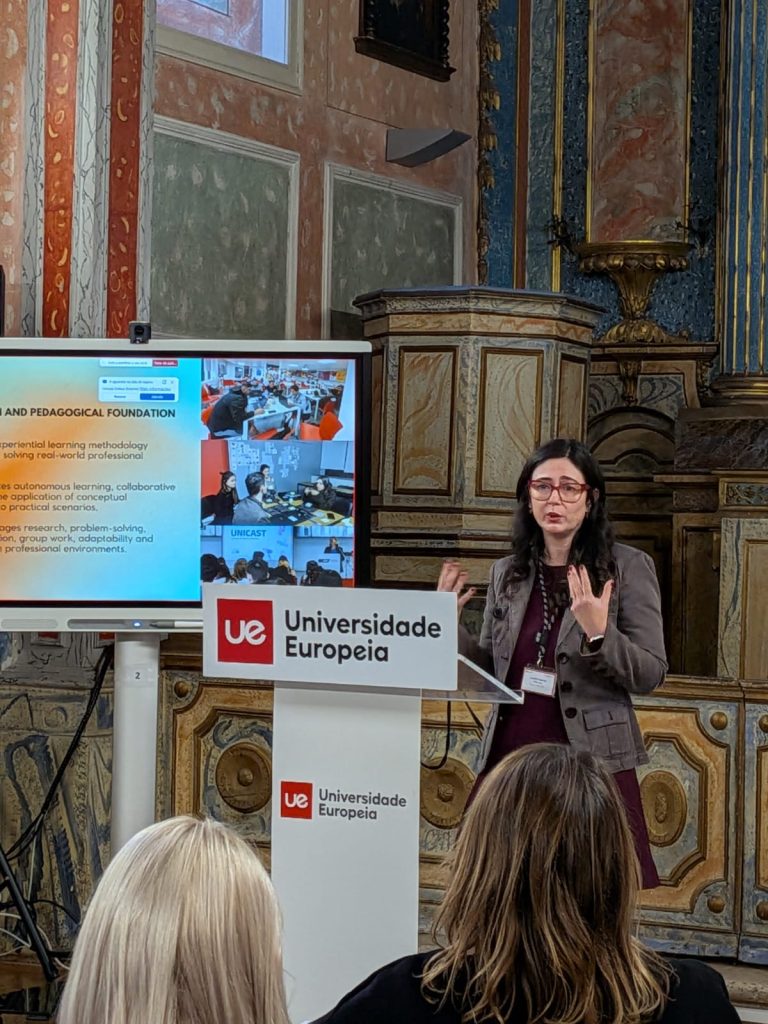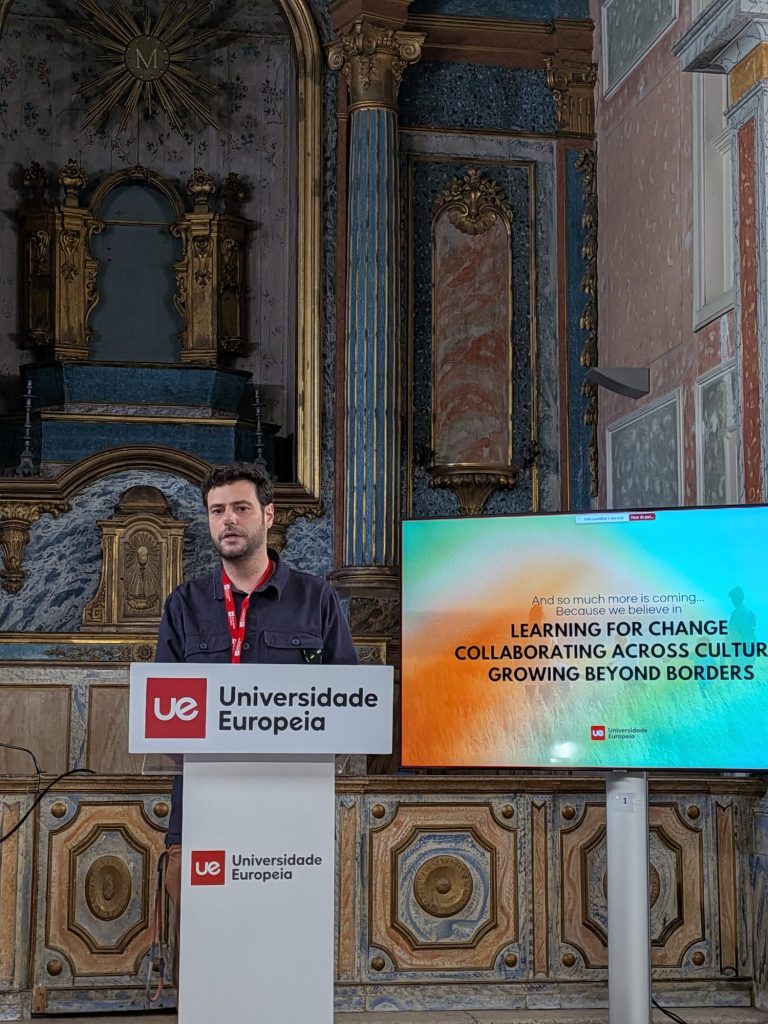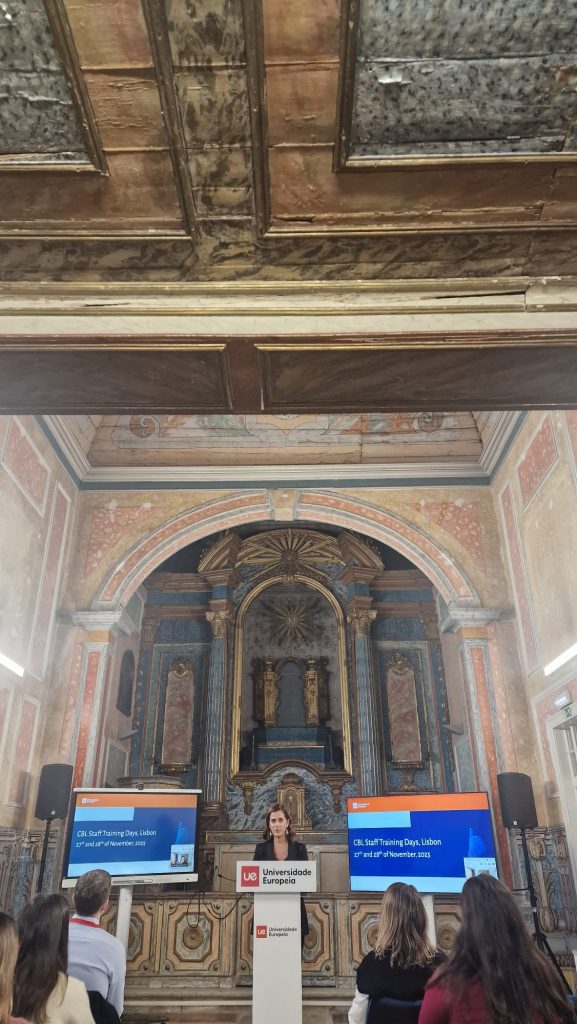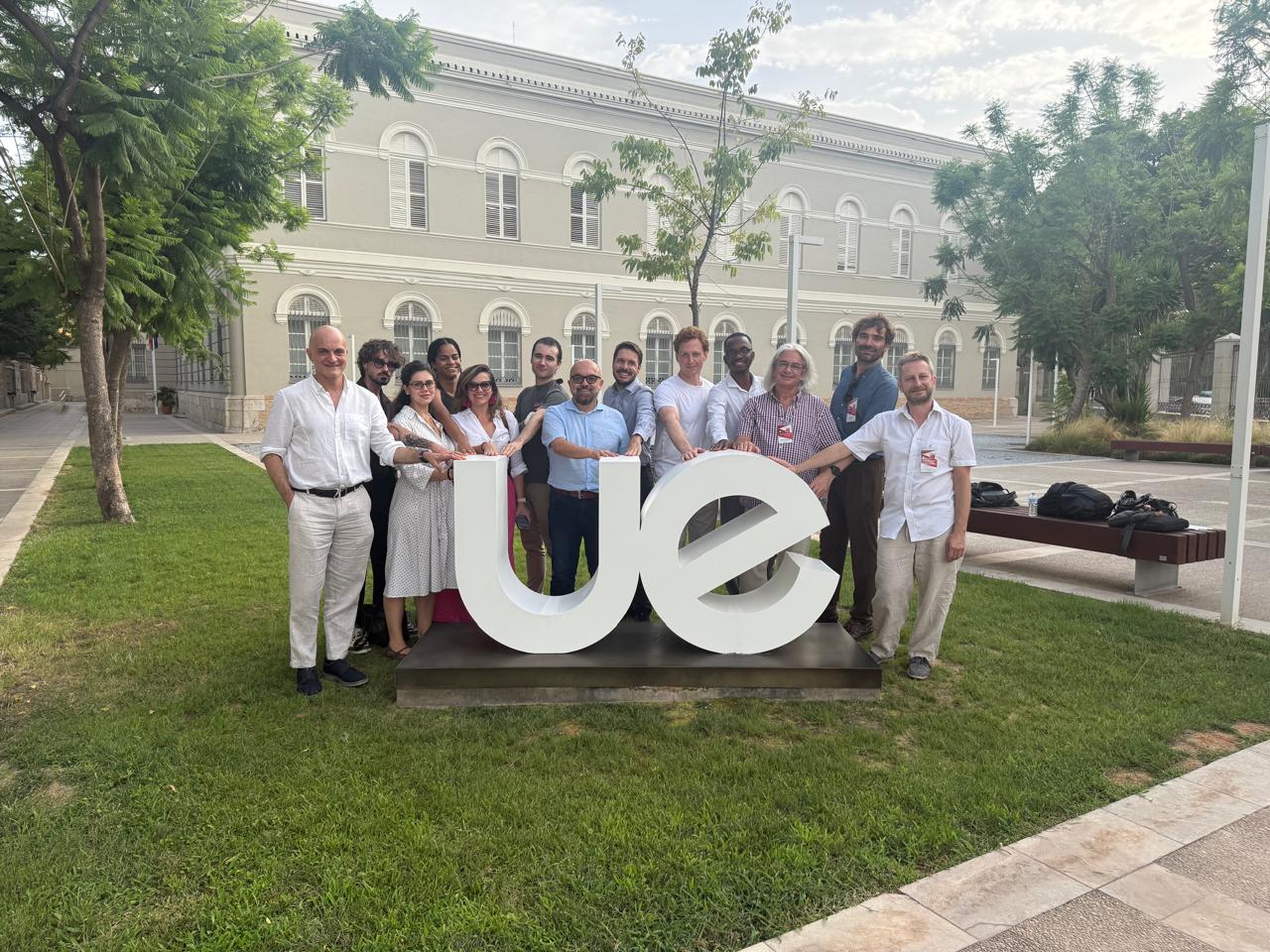
Under a bright winter sun and crisp Lisbon air, Universidade Europeia hosted the CBL Training Days on November 27 and 28, bringing together more than 40 participants from the 9 universities of the ChallengeEU Alliance. The mission was clear: to deepen the practice of Challenge-Based Learning (CBL) and strengthen cooperation among European institutions to transform education.
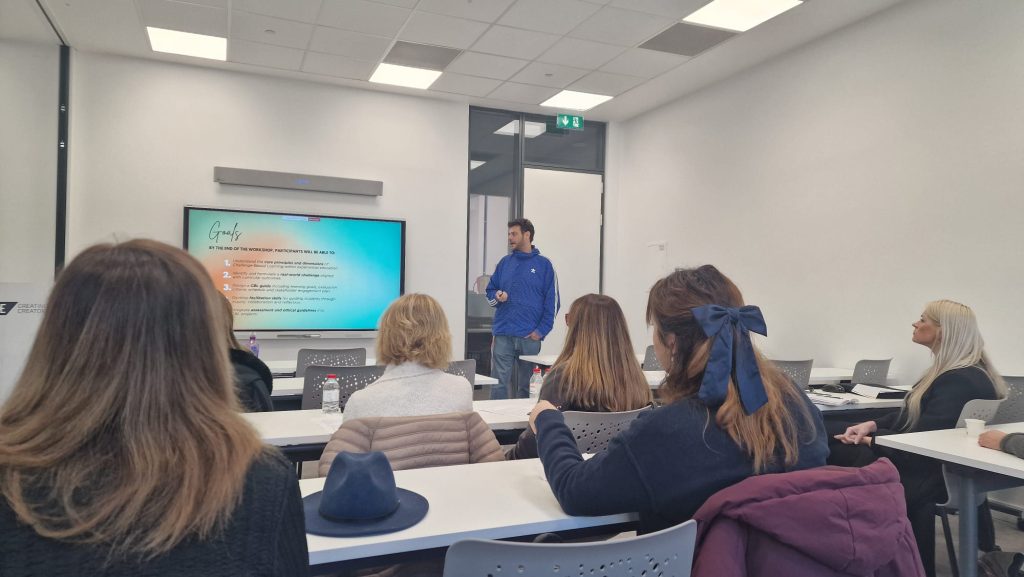
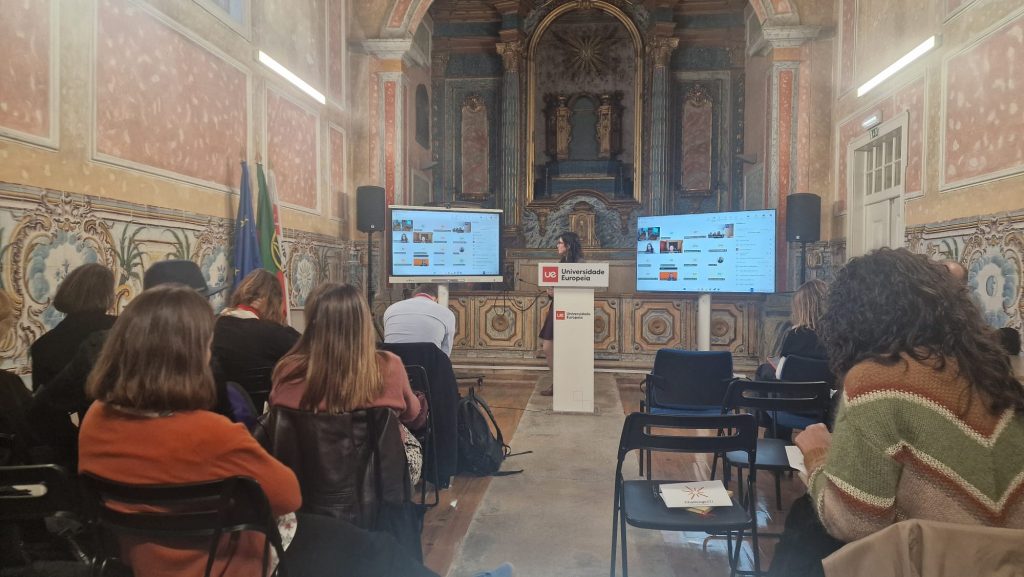
The first day took place at the historic Quinta do Bom Nome, starting with a hybrid opening session in the Sala de Atos. Rector Prof. Dr. Hélia Gonçalves Pereira welcomed participants, followed by Prof. Dr. Rodrigo Morais, who introduced the Academic Model for Sustainability. The afternoon featured the CBL Challenge, led by Prof. Dr. Sara Gancho, and concluded with an immersive experience in simulation-based learning with actors, moderated by Professors Frederico Raposo and Sofia Lopes, turning disciplinary problems into opportunities for practical reflection.
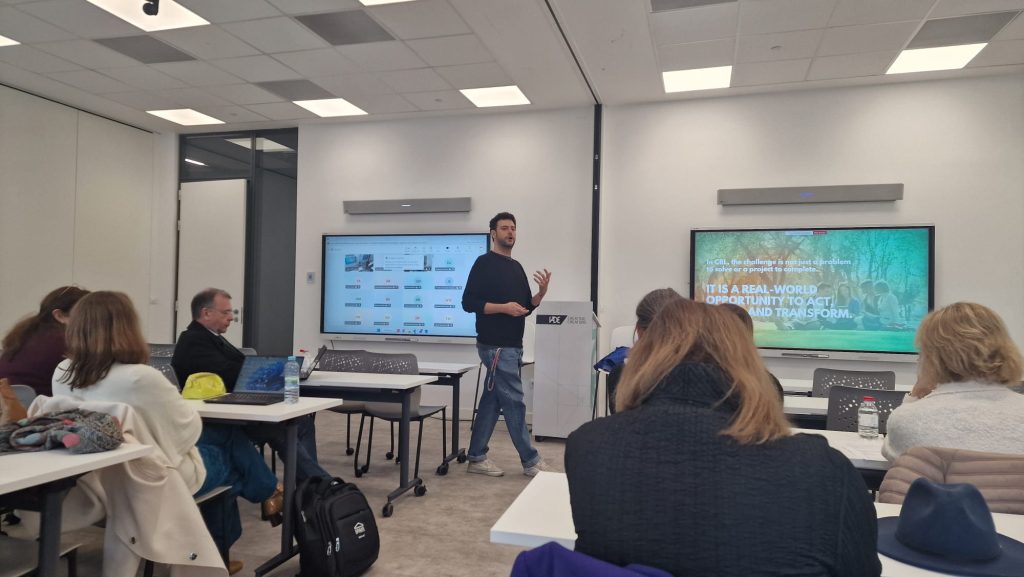
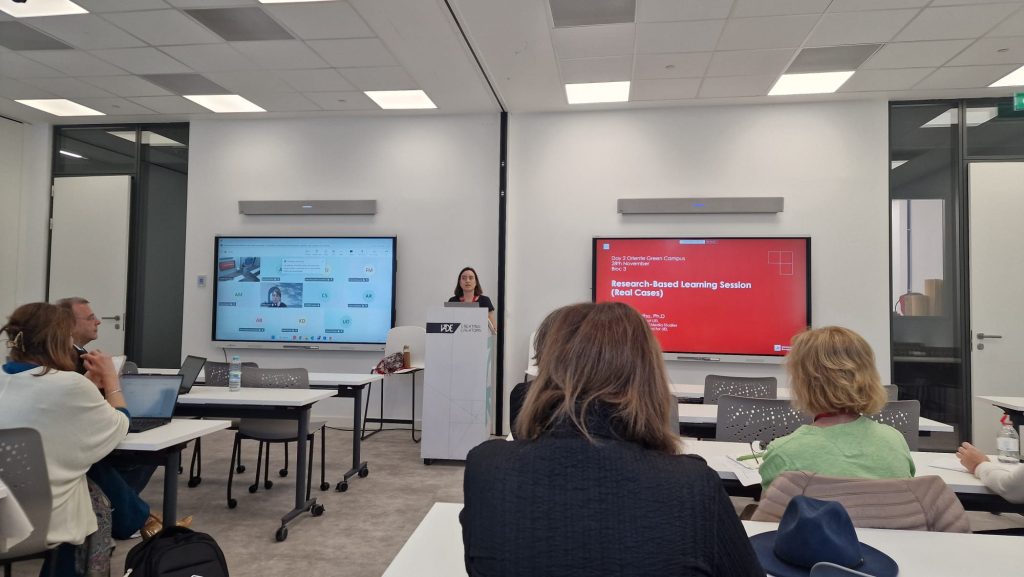
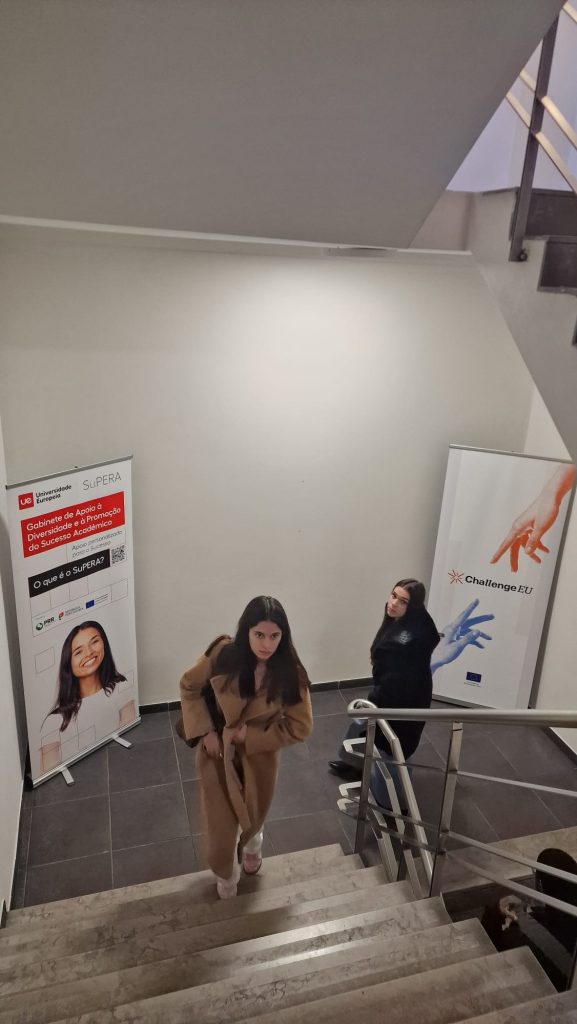
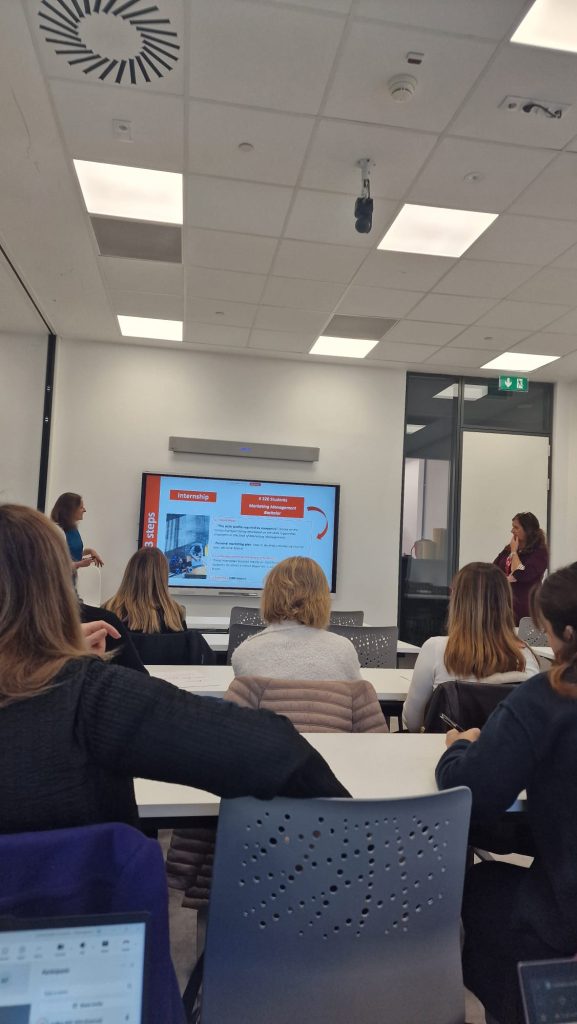
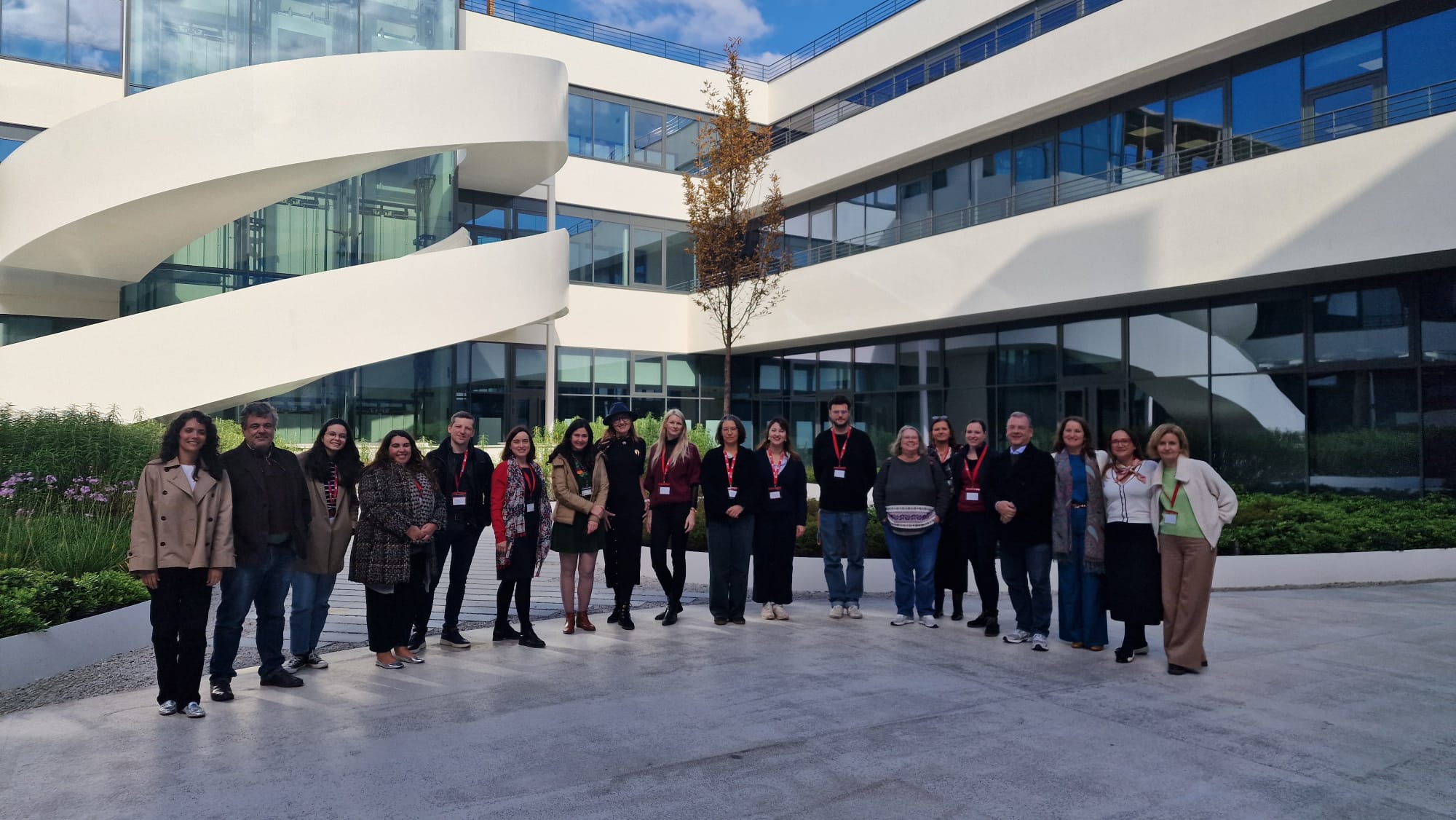
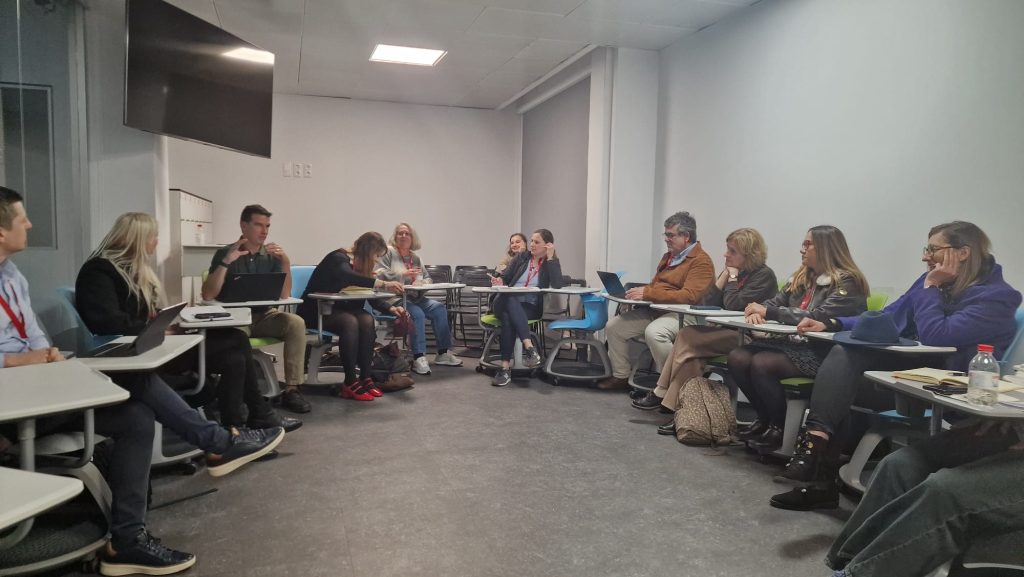
On the second day, the event moved to the modern Oriente Green Campus, where advanced CBL strategies were explored with Professors Cidália Neves, Sandra Oliveira, and Sofia Santos, who shared real success stories, including cases from IPAM Porto and projects with APPDCI, a partner entity of the ChallengeEU Alliance that promotes inclusive and sustainable practices. The program continued with a hands-on workshop using real cases, led by Prof. Dr. Rodrigo Morais, and a session on research-based learning, conducted by Prof. Dr. Joana Ramalho. The closing session, led by Vice-Rector Prof. Dr. Paulo Vieira, highlighted the next steps to adapt learning to the ChallengeEU project, during a networking moment that reinforced a shared ambition: to transform education through collaboration and innovation.
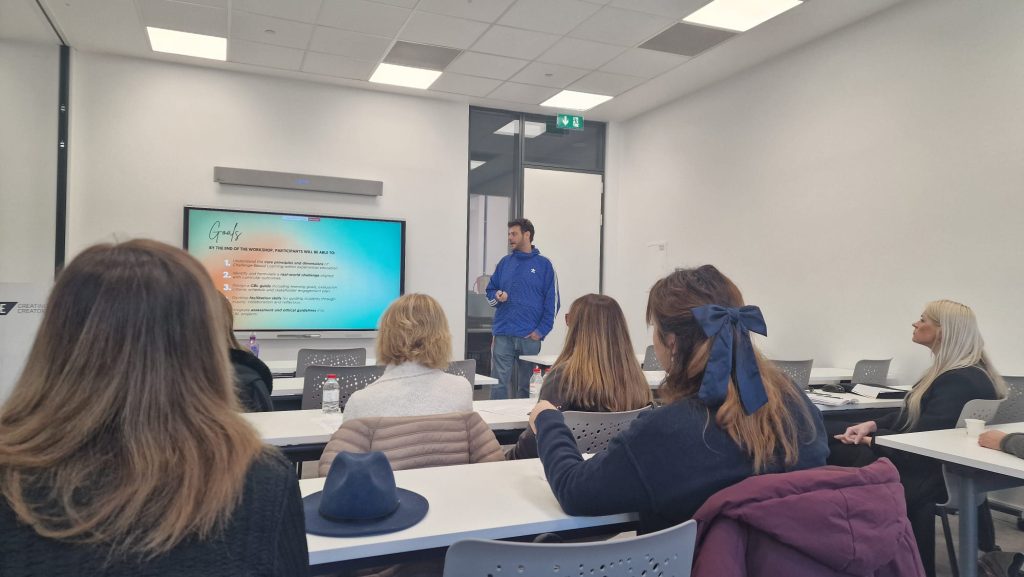
“During the training, we learned how to apply the CBL method in practice, how to integrate it into the content of different courses, and how several courses or subjects can be combined into a single joint project based on practical solutions,” explains Prof. Agnieszka Jaszczak, Head of the Department of Landscape Architecture at the University of Warmia and Mazury in Olsztyn.
She also notes that the training offered an opportunity to examine the project development process – starting from the selection of a partner, such as a company for which a solution is being designed.
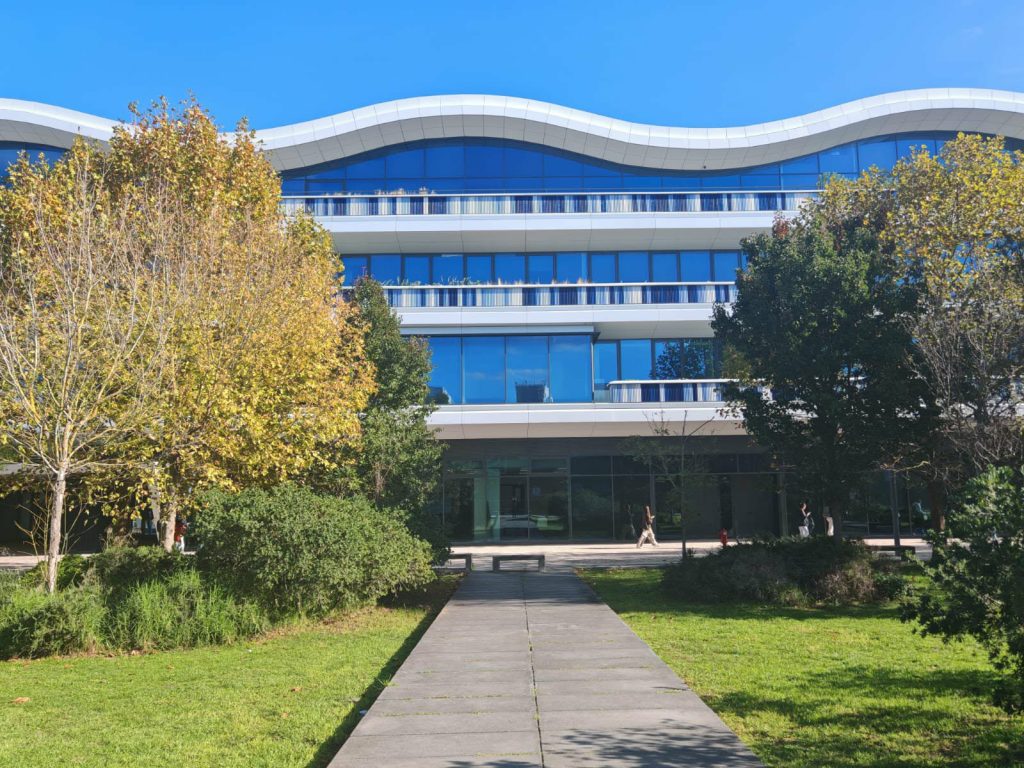
“I was particularly interested in projects developed within design programmes due to their close connection with my own field of work – architecture, landscape and spatial planning. I was impressed by the excellent, modern infrastructure, including laboratories, graphic, artistic, photographic and computer studios available to students not only during project work but also after classes. I was also struck by the university campus, with its beautiful architecture and green spaces,” adds Prof. Agnieszka Jaszczak.
During the event, Professor Agnieszka Jaszczak also promoted the ChallengeEU summer school entitled “Traces in the Landscape,” which will take place next year at the Department of Landscape Architecture at the University of Warmia and Mazury in Olsztyn. The school will bring together students and doctoral candidates from the nine universities forming the Alliance. Its aim is to deepen participants’ knowledge and sensibility in identifying, interpreting and protecting traces present in the landscape – cultural, natural and aesthetic.
The CBL Training Days were not just an academic event – they were a living laboratory of ideas, where theory and practice came together to build concrete solutions for the challenges of the future.