Hochschule Offenburg Represents ChallengeEU at the University Alliances Coordinators Meeting in Brussels
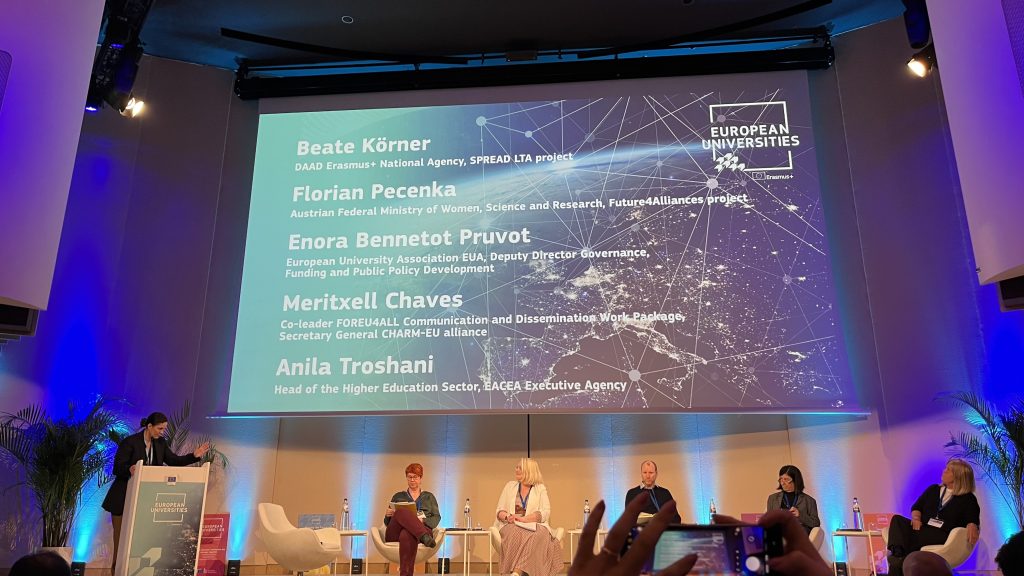
As part of the ChallengeEU Alliance’s continuous commitment to sustained transnational cooperation and impact-oriented governance, Hochschule Offenburg participated in a high-level Alliance Coordination Meeting in Brussels, represented by Vice Rector for Internationalisation and Managing Director, Prof. Dr. Tobias Hagen. Joined by other European University Alliances, the meeting outlined an array of strategic objectives set by Erasmus+ partners, with particular attention given to the long-term financial and structural roadmap for the alliances under the future Erasmus+ programming period. The programme emphasis was placed on the role of alliances within strategic sectors for European competitiveness, as well as their contribution to strengthening and completing the European Research Area. ChallengeEU was actively involved in the University Alliances Coordinators’ “Working Retreat” in Brussels on 14 April 2026, organised by the European Commission. Prof. Dr. Tobias Hagen participated alongside coordinators from all University Alliances and high-level representatives of the European Commission and Erasmus+ national agencies. Discussions centred on the future of University Alliances, including a shift towards long-term funding models rather than project-based funding as an integral part of Erasmus+ in the next Multiannual Financial Framework (MFF), the role of alliances as a model for the European higher education system, and their contribution to the Union of Skills and Europe’s competitiveness. Further exchanges shed light on the optimisation of reporting and review processes to enhance overall efficiency and measurable impact, reinforcing the importance of streamlined governance and performance monitoring across alliances. The meeting concluded with a plenary session reflecting on the consolidation of alliance structures, contributing to a more resilient and integrated European research and education landscape. Discussions between the Commission and Alliance representatives will continue at a rectors’ meeting on 10 June. Prof. Dr. Tobias Hagen further stated: “The Commission clearly recognises the importance of alliances and acknowledges the drawbacks of the current four- or two-year funding periods. We also had excellent networking opportunities with other alliances. All in all, it was a day full of information and opportunities to actively contribute to the future of European University Alliances.”
Universidade Europeia at the Milha Urbana de Moscavide: Promoting Wellbeing and Community
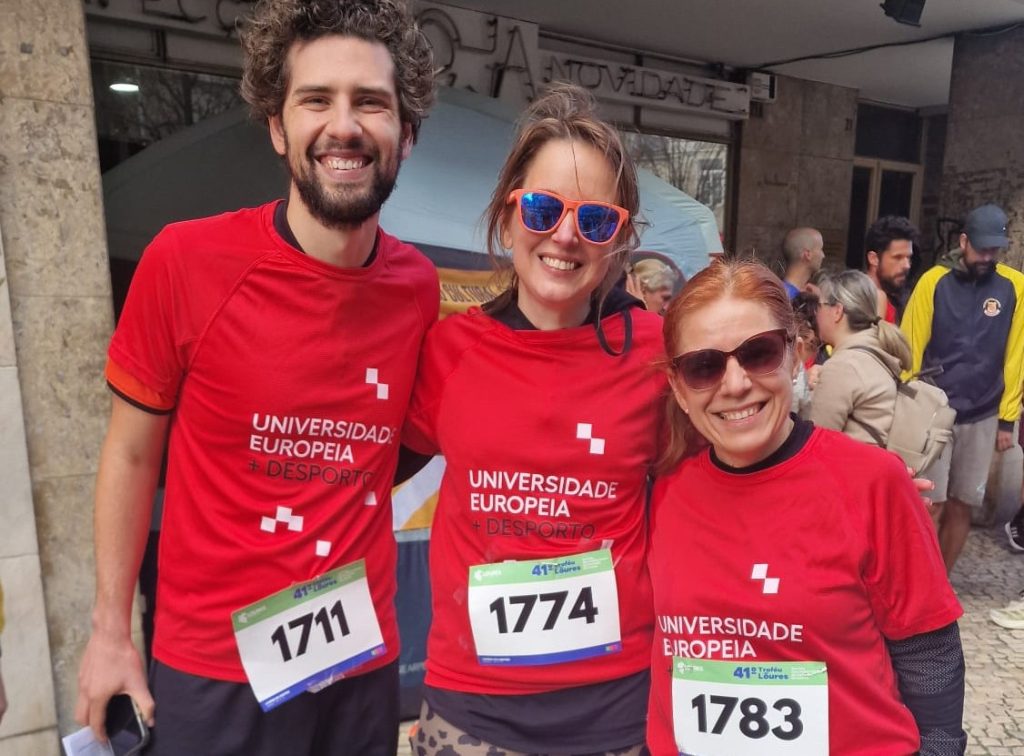
On April 12, the Universidade Europeia de Lisboa, through its Campus Life initiative, brought together health, well-being, team spirit, and community engagement by taking part in the 26th Milha Urbana de Moscavide, one of the most emblematic running events in the region. The initiative brought together members of the academic community, including students, academic staff, and professional staff, reinforcing the University’s commitment to promoting healthy lifestyles and encouraging moments of connection beyond the academic setting. More than just a sporting event, this participation provided a valuable opportunity to strengthen bonds among colleagues, foster a sense of belonging, and celebrate the University’s close relationship with the local community. By proudly wearing the University’s colours, participants highlighted the strong link between the institution and the city that hosts the Oriente Green Campus. The presence of Universidade Europeia de Lisboa at the Milha Urbana de Moscavide reflects the Campus Life mission to promote initiatives that combine physical activity, well-being, and community involvement, contributing to a more balanced, inclusive, and enriching academic experience. Events such as this underline the importance of creating shared moments where the University is recognised not only as a place of learning, but also as an active contributor to health promotion, social cohesion, and civic engagement.
SEEU Hosts Second Session of ChallengeEU Youth Mental Health Initiative in Skopje
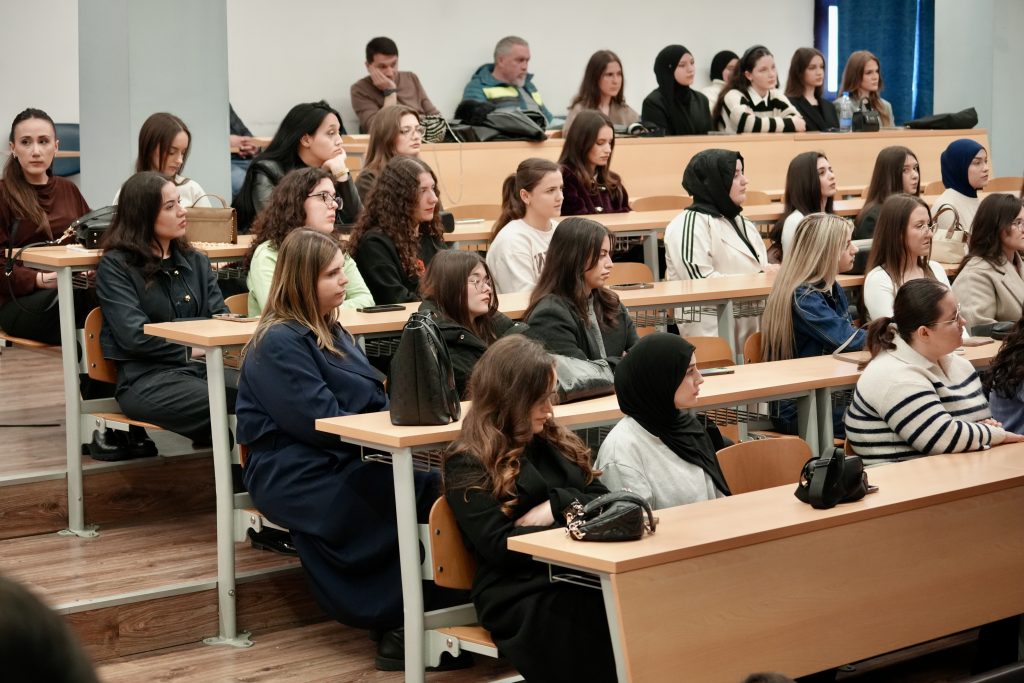
Following its successful launch in Tetovo, the ChallengeEU Youth Mental Health Initiative continued its momentum with a second impactful session held at the South East European University (SEEU) Skopje campus on April 2. The event opened with a focus on the ODEI initiative, led by Prof. Arta Mero in her role as ODEI Officer. She reaffirmed the university’s commitment to the values of Opportunity, Diversity, Equity, and Inclusion, emphasizing that mental health is an essential component of a truly inclusive academic community. Impact Lab in focus: Led by Prof. Shpresa Alija, the session provided students with clear pathways to access the Lab’s resources. The discussion highlighted the vital role of the M.A.R.K.E.T. Officer in bridging the gap between institutional research and the student community, ensuring that support is genuinely accessible. Expert clinical insights: Prof. Dr. Naser Durmishi, a distinguished neuropsychiatrist and SEEU professor, delivered an in-depth overview of the neurological trends and stressors unique to Generation Z. His lecture offered valuable clinical insights and practical strategies for building resilience in an increasingly complex world. With both the Tetovo and Skopje sessions now concluded, the ChallengeEU initiative has successfully sparked a vital cross-campus dialogue, ensuring that mental health remains at the forefront of the student experience.
Advancing ODEI Through Legal Education: The Impact of Mentorship and Student Engagement

In an era where legal education is increasingly called upon to address real-world challenges, the role of mentorship and student engagement has never been more vital. This article highlights how the principles of Opportunity, Diversity, Equity, and Inclusion (ODEI) can be effectively advanced through academic work that bridges theory and practice. By showcasing student research on domestic violence and the guidance of dedicated faculty, it demonstrates how legal education can move beyond the classroom to drive meaningful social change. We proudly recognize and commend the outstanding work of students from South East European University, Iva Stefanovska and Bojana Velkovska, authors of the article “From Silence to Visibility: The Role of Diversity, Equity and Inclusion in Preventing Domestic Violence.” This contribution reflects the core mission of our University: to foster academic excellence that is closely connected to societal impact. The students’ work demonstrates not only a high level of legal analysis, but also a strong sense of social responsibility. By addressing domestic violence through data, institutional critique, and a human rights perspective, they contribute meaningfully to raising awareness and fostering a culture of reporting, protection, and accountability. We particularly emphasize the essential role of their mentor, Prof. Dr. Arta Mero, Professor of Family Law and Inheritance Law and ODEI Officer at South East European University. Through her dedicated mentorship, students are guided not only to understand the legal framework, but also to critically engage with the realities behind the law. Her approach reflects the values of modern legal education, combining doctrinal knowledge with clinical insight, ethical responsibility, and a strong commitment to social justice. As ODEI Officer, her leadership ensures that the principles of Opportunity, Diversity, Equity, and Inclusion are not merely abstract ideals, but are actively integrated into teaching, research, and student engagement. This work is a clear example of how mentorship and institutional values come together to produce meaningful outcomes. The students’ analysis highlights the complexity of domestic violence, including its less visible forms, and underscores the need for stronger institutional coordination and more inclusive support systems. At the same time, the article powerfully advances the principles of ODEI: Such initiatives reflect our University’s commitment to developing future legal professionals who are not only knowledgeable, but also empathetic, engaged, and ready to contribute to a more just and inclusive society. We remain proud of our students and their mentor, whose work embodies the transformative power of education—turning knowledge into action, and action into societal change. Below you can read the full version of the article. FROM SILENCE TO VISIBILITY: THE ROLE OF DIVERSITY, EQUITY AND INCLUSION IN PREVENTING DOMESTIC VIOLENCE Domestic violence in North Macedonia is increasingly coming out of the shadows, and recent data show a concerning trend. In 2024 alone, 101 cases of psychological violence were reported—almost twice as many as in the previous two years, when 57 cases were recorded in 2022 and 56 in 2023. This increase may indicate two things: that violence is indeed rising, but also that victims are increasingly recognizing it and feel more encouraged to report it. Particularly concerning are the data from the Sector for Internal Affairs in Tetovo. In the period from 2022 to 2024, a total of 1,667 cases of domestic violence were reported, along with 28 cases of sexual violence. Although the number of sexual violence cases is significantly lower, an upward trend is evident, especially in cases involving minor victims. An additional problem is that data from different institutions often do not match. This points to insufficient inter-institutional coordination and the absence of a unified, functional system for monitoring cases of violence. Violence Has Many Faces and Not All Leave Bruises When discussing domestic violence, physical injury is often what first comes to mind. However, the reality is much broader. Psychological control, economic dependence, constant threats, humiliation, and forced sexual relations are also forms of violence that leave deep consequences, even though they are often not visible. Victims can be women, men, children, and elderly individuals—especially those who are economically or emotionally dependent on the abuser. Many do not recognize their situation as violence, as it often develops gradually and is disguised as “care,” “control out of love,” or “jealousy.” The reasons why victims remain silent are often similar: fear of retaliation, financial dependence, feelings of shame or guilt, as well as distrust in institutions. It is precisely this combination of factors that keeps violence hidden behind closed doors. Why ODEI Can Be Part of the Solution One of the concepts increasingly mentioned in violence prevention is ODEI—an acronym for Opportunity, Diversity, Equity, and Inclusion. This approach is applied by institutions and organizations worldwide to create fairer and more inclusive societies, where all individuals have equal access to rights, protection, and support. In the context of domestic violence, the principles of ODEI imply several important aspects. First, diversity reminds us that violence can occur in any family, regardless of education, social status, or cultural background. Second, equity ensures that every victim has fair and effective access to protection, institutional assistance, and legal support. Third, inclusion involves creating an environment in which victims are encouraged to speak out and seek help without fear of judgment or marginalization. When these principles are absent, violence is easily normalized. A culture of silence emerges, cases go unreported, and victims become isolated. Over time, patterns of violence are repeated and passed down from generation to generation. How the Findings Were Reached This research is based on an analysis of institutional reports from the Ministry of Internal Affairs and social services, available statistical data for the period 2022–2024, as well as information from crisis centers, non-governmental organizations, and victim support and protection programs. The data were compared to identify trends, discrepancies, and systemic weaknesses. The conclusion is clear: domestic violence is not a private matter, but a social responsibility. Greater visibility, accurate data, and the application of ODEI principles are the first steps from silence to protection, and from silence to justice. Combating domestic violence is not only about punishing perpetrators,
Communication Without Borders: From Academia to the Job Market
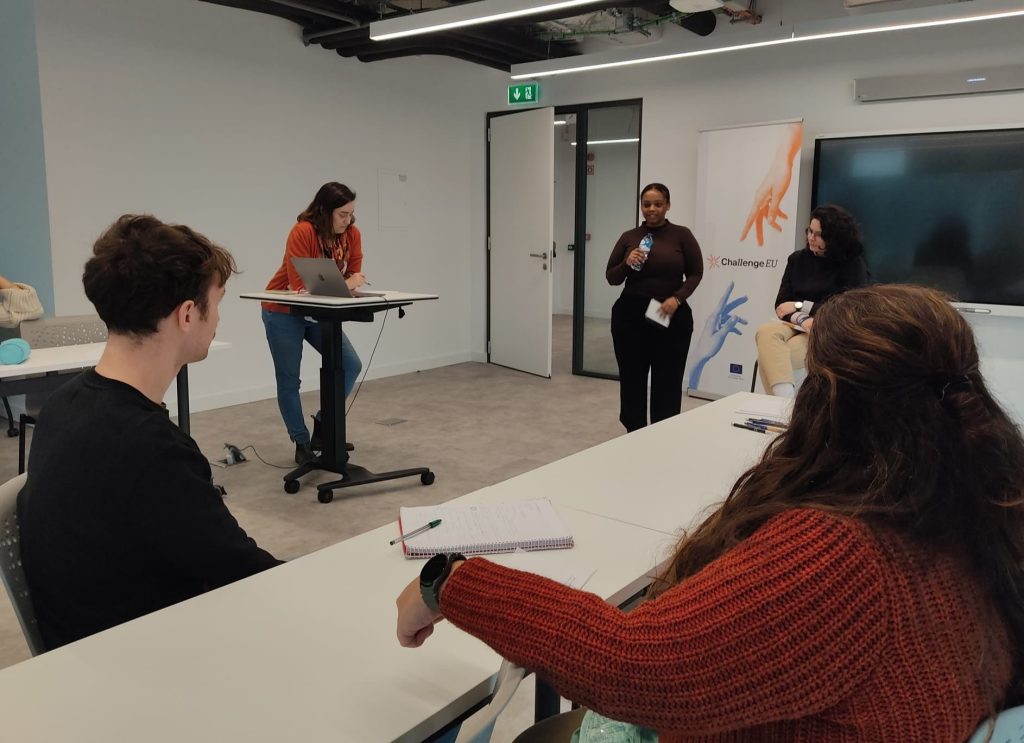
On March 19, Universidade Europeia de Lisboa hosted the workshop “Communication Without Borders: From Academia to the Job Market”, an excellent initiative led by Professor Joana Ramalho, aimed at equipping students with the critical communication tools necessary for a successful transition from the academic ecosystem to the global job market. The workshop was grounded in the understanding that presence and non-verbal communication precede verbal interaction, and therefore placed strong emphasis on developing communication awareness as a foundational professional skill. Participants were encouraged to reflect on how posture, tone, and non-verbal cues shape first impressions and influence collaboration in professional contexts. Throughout the session, students worked on strengthening functional and collaborative communication skills, particularly in multidisciplinary and multicultural team settings. The training supported participants in clearly articulating their academic and professional identities, helping them adapt their discourse to different audiences, contexts, and institutional cultures — a key competence in today’s dynamic and international labour market. Developed within the framework of ChallengeEU – the European Universities Alliance, the workshop highlighted the importance of intercultural intelligence and the ability to decode diverse professional and cultural contexts. Students were encouraged to recognise their international academic experiences not only as learning opportunities, but also as strategic assets and differentiating factors in their future careers. By fostering self-awareness, adaptability, and communication clarity, the workshop contributed to preparing students for meaningful engagement in global professional environments. Initiatives such as Communication Without Borders reinforce the role of higher education institutions in supporting holistic student development — bridging academic excellence with employability, intercultural competence, and lifelong learning.
The M.A.R.K.E.T. Student Pop-Up: Launch of ChallengeEU Youth Mental Health Initiative at SEEU
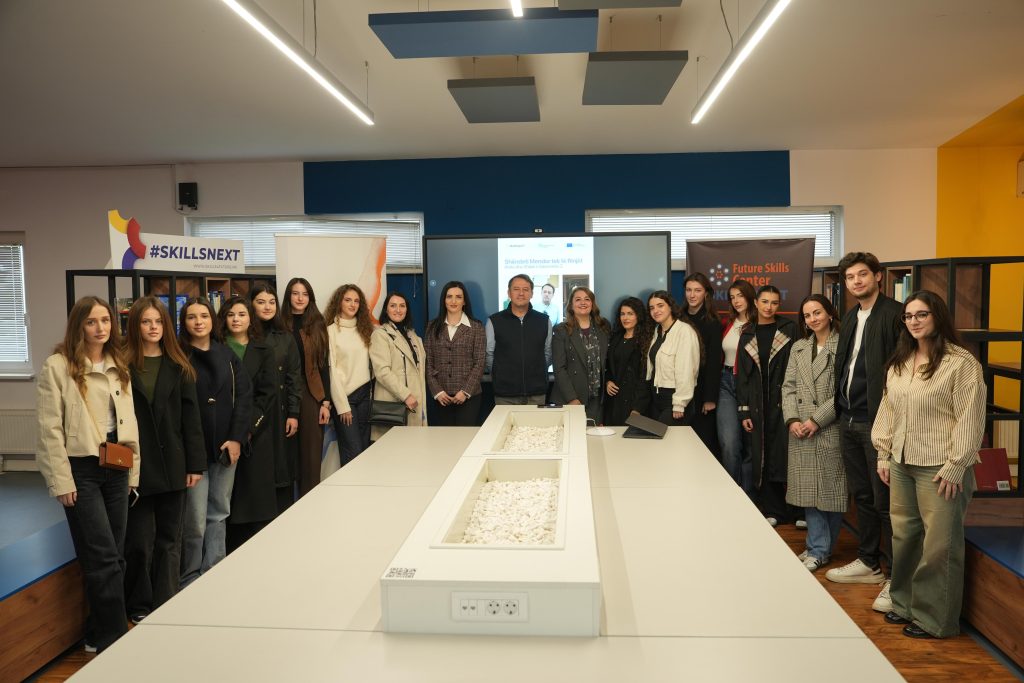
The ChallengeEU project’s initiative on youth mental health launched yesterday at the Tetovo Campus, marking a significant step in addressing the psychological complexities facing Generation Z. The event opened with a focus on the ODEI initiative, where Prof. Arta Mero emphasized South East European University’s (SEEU) commitment to the values of Opportunity, Diversity, Equity, and Inclusion. This framework reflects the commitment of the ChallengeEU pillar to fostering a campus culture where mental health is treated as an essential component of a truly inclusive academic community. The M.A.R.K.E.T. Student Pop-Up served as a hands-on outreach activity aimed at directly connecting students with available mental health support. A key focus was introducing students to the Impact Lab, led by Prof. Shpresa Alija, informing them about its purpose, the resources it offers, and how to register and make use of its services. The M.A.R.K.E.T. Officer role was also highlighted as the key bridge between the Impact Lab’s institutional research and the student community, ensuring these resources are clearly communicated and genuinely accessible. The highlight of the session was an expert lecture by Prof. Dr. Naser Durmishi, a distinguished neuropsychiatrist and SEEU professor. Dr. Durmishi provided a deep dive into the neurological trends shaping Gen Z, offering clinical insights into the unique stressors this generation faces while providing actionable strategies for resilience. With the Tetovo session successfully concluded, the dialogue continues on April 2, at the Amphitheater on the Skopje Campus from 11:00 to 12:30, inviting the community to further engage with these critical topics.
Universidade Europeia Celebrates National Student Day with Live Broadcast from Oriente Green Campus
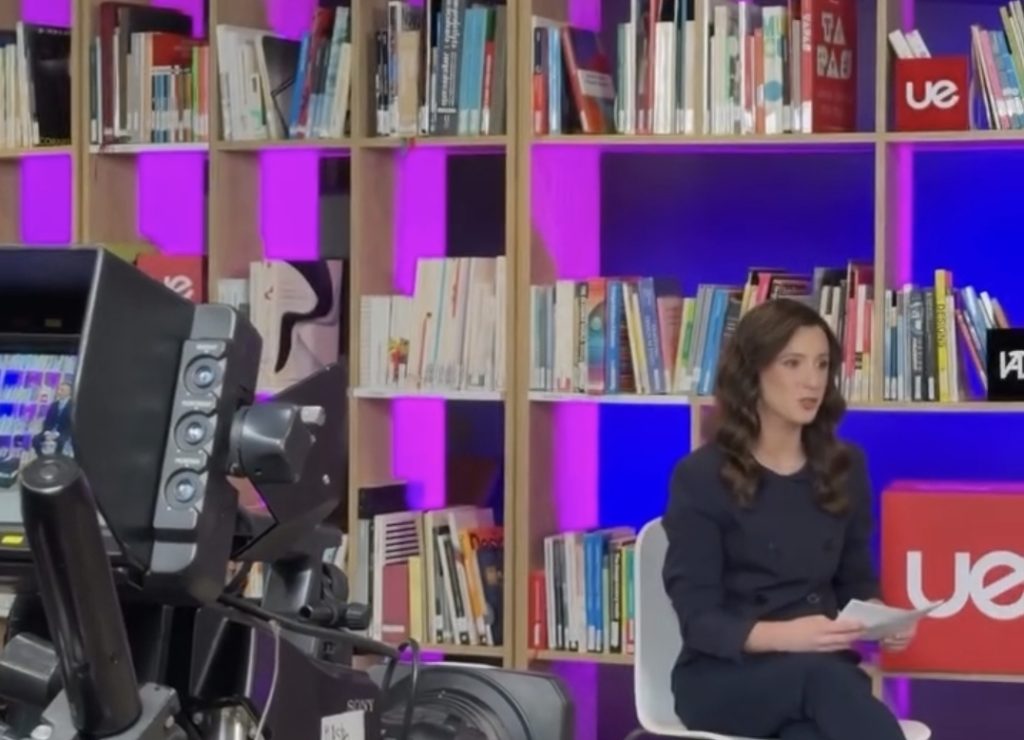
On National Student Day, 24 March, Universidade Europeia de Lisboa hosted a special live broadcast by NOW Television Channel, transmitted directly from the University’s new sustainable campus, the Oriente Green Campus, in Moscavide. Throughout the day, the campus welcomed several distinguished guests who shared important reflections on higher education and the role of students in shaping the future. Among those interviewed were the Minister of Education, Fernando Alexandre, and the University’s Rector, Helia Gonçalves Pereira, who highlighted key perspectives on education within an open and engaging dialogue with the academic community. This initiative marked National Student Day in a meaningful and visible way, celebrating the talent, commitment, and diversity of the University’s students — who stand at the very heart of the mission of Universidade Europeia de Lisboa. The Oriente Green Campus was also showcased as a symbol of innovation and sustainability, reflecting the University’s commitment to forward-looking education, social responsibility, and strong connections with society. More than a symbolic celebration, the day served as a source of inspiration to continue striving for excellence, reinforcing the belief that students are always at the centre of the University — at the core of learning, innovation, and the development of an active, inclusive, and global academic community. Celebrating National Student Day in this way reaffirms the University’s purpose: to educate engaged, critical, and future-ready citizens in an environment that values knowledge, people, and positive social impact.
Self-Defence Sessions Promote Physical Activity and Community Well-being at Universidade Europeia de Lisboa
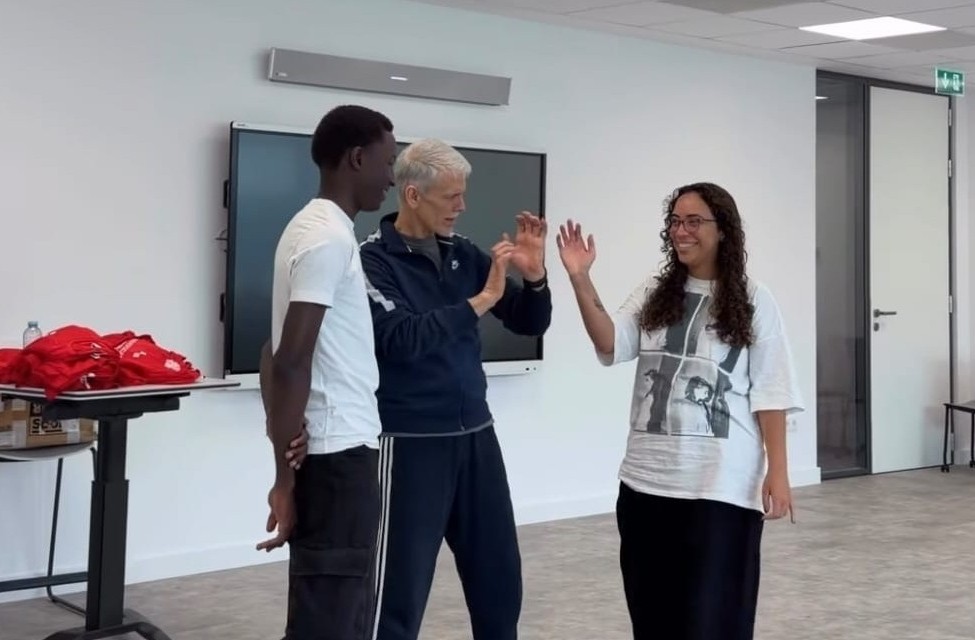
As part of the Month of Physical Activity and Sport, the Campus Life initiative at Universidade Europeia de Lisboa organised a series of practical self-defence sessions, bringing together members of the academic community in an engaging and empowering experience. The sessions took place across different university locations, including Oriente Green Campus, Quinta do Bom Nome, and IPAM Lisboa. They were open to students, academic staff, and professional staff, encouraging broad participation and intergenerational exchange. Designed to be inclusive and accessible, the activities required no prior experience and focused on developing personal safety skills, self-confidence, and physical well-being. Beyond the technical aspects of self-defence, the initiative highlighted the importance of regular physical activity as a key contributor to both physical and mental health. Engaging in activities like these helps reduce stress, enhance focus, and support overall quality of life within the academic environment. Equally important was the role of the event in strengthening interpersonal relationships within the university. Moments like these, where students, teachers, and staff participate side by side, contribute to a stronger sense of belonging, mutual trust, and community cohesion. These informal and collaborative settings foster dialogue, connection, and a more human-centred academic culture. By creating opportunities that combine physical activity, learning, and social interaction, Campus Life at Universidade Europeia de Lisboa continues to promote a holistic approach to well-being—where academic excellence goes hand in hand with health, inclusion, and meaningful community engagement.
Building Bridges Through Mobility: FHNW Representative Visits UEV
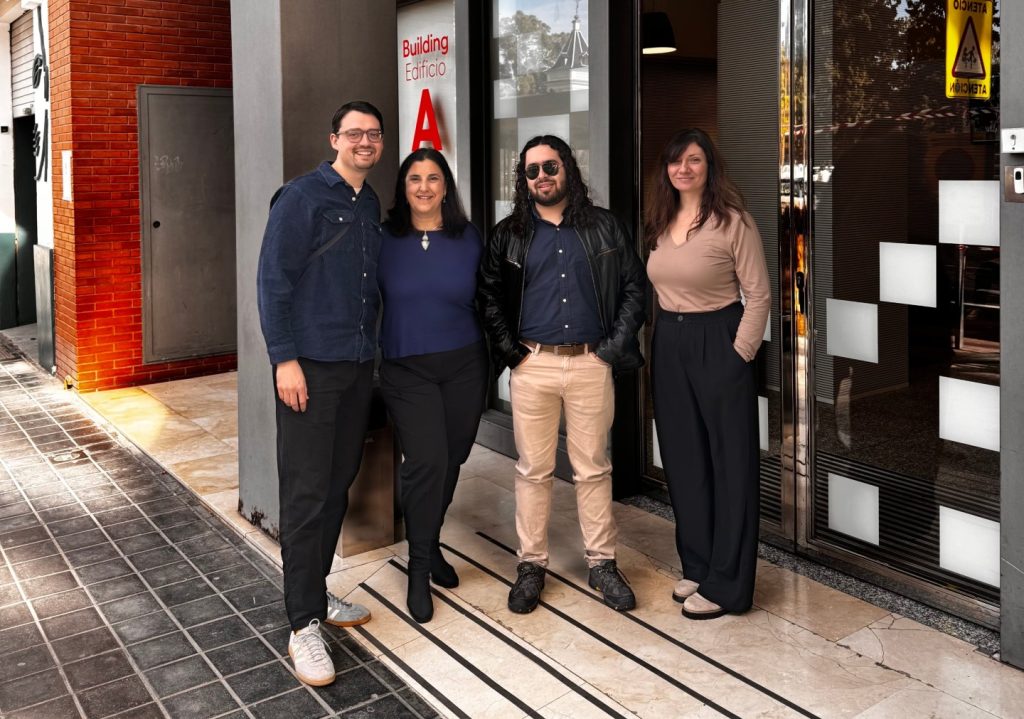
Luca Niederhauser from Fachhochschule Nordwestschweiz (FHNW) visited university in Valencia as part of the Mobility Program Visit at Universidad Europea de Valencia (UEV). The visit provided an opportunity to strengthen institutional ties, exchange best practices, and explore new avenues for academic cooperation between the partner universities. Mr. Niederhauser represents Hochschule für Angewandte Psychologie, specifically the Zentrum für Ausbildung. This visit is part of a mobility initiative linked to Work Package 3 (WP3) of the European university alliance ChallengeEU, in which both FHNW and UEV are active partners. During his stay in Valencia, Mr. Niederhauser participated in a comprehensive program designed to strengthen inter-institutional collaboration and promote the exchange of best practices. His visit included a series of academic, administrative, and cultural activities, such as: a guided tour and in-depth explanation of the Alameda Campus; job shadowing in the area of innovation and the development of new academic programmes with Ana Ferrer, Dulce Gómez, and Alberto Garcés; and a presentation on the ChallengeEU network delivered by Laura Bertolin (WP4 Officer) and Emmanuël Hazé (ChallengeEU, CIO). Professional exchange with Luz Barradas focusing on quality management, a guided tour and detailed presentation of the Turia Campus, a discussion with Ana Povoa on the Psychology degree programme, an exchange with Christian Garzoni on the admissions process, and a visit to a Psychology class to observe teaching practices. Beyond the academic agenda, Mr. Niederhauser also had the opportunity to discover the rich culture, traditions, and gastronomy of the city of Valencia, gaining a deeper appreciation of its local identity. These exchanges not only enrich the experience of visiting staff, but also strengthen the relationships between partner universities within the ChallengeEU alliance, fostering trust and mutual understanding. They also open the door to new avenues of academic collaboration, from program development to joint initiatives that contribute to the internationalisation of higher education. The European University of Valencia extends its warmest thanks to Mr. Niederhauser for his visit and looks forward to future cooperation with FHNW within the ChallengeEU framework.
ChallengeEU Ambassadors: The Alliance Integrates European Students
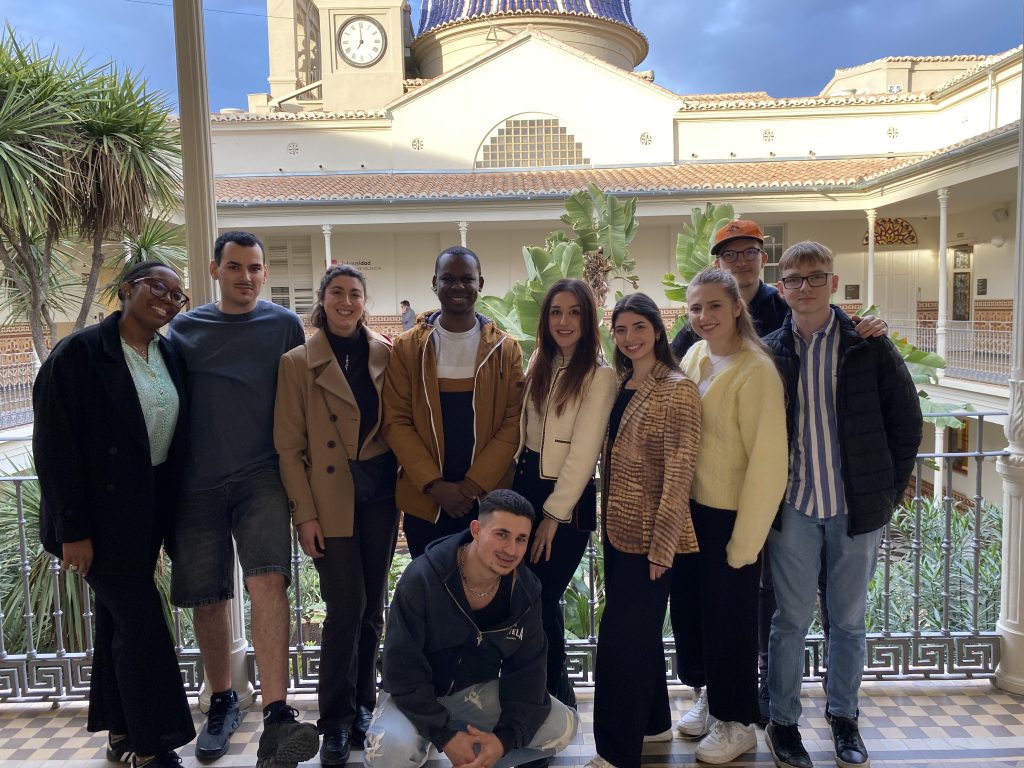
From February 9–13, the ChallengeEU Ambassadors Week took place at Universidad Europea de Valencia, a university that co-creates the ChallengeEU alliance. Students participated in workshops and other educational activities, became familiar with the university and its campus, and had the opportunity to immerse themselves in Spanish culture. Julia Wysocka and Temitope Francis share their impressions of the trip and their experience serving as ambassadors of the alliance. What memories did you bring back from your trip to Valencia? Julia Wysocka (J.W.): It was one of the best trips of my life, largely thanks to the weather (laughs), but speaking seriously, the most valuable part was meeting the other ambassadors. Already during our visit to Hochschule Offenburg last December [in Germany, at the leader of the ChallengeEU alliance – editor’s note], I was surprised by how quickly we bonded. Even though we come from so many different countries, speak many languages, and follow different religions, we formed a close-knit group. That’s why, for me, the most important lesson from such trips is that if we remain open, no borders will exist. Temitope Francis (T.F.): For me, it was also very important that I could meet people from all over the world. It broadened my horizons and opened my eyes to the fact that no matter where we come from, we are all the same, because we are all human. I am also very glad that I had the chance to meet students studying fields other than journalism — it was a very interesting experience for me. Temi, at the university in Valencia you gave a presentation on how the war in Ukraine is portrayed in Polish media compared to Western media coverage. What kind of reception did you receive? T.F.: I’m glad I had that opportunity and I’m satisfied, especially since the students were very interested in the topic, as shown by the many questions I received after the presentation. For example, they were curious about where reliable and up-to-date information on the war in Ukraine can be found. And for you, Julia, what was the most instructive among all the activities you took part in? J.W.: I really enjoyed all the workshops and training sessions. They convinced me that practice is more important than theory. This became especially clear during the workshops where we talked about openness, diversity, equality, inclusivity, and different cultures. There was a presentation followed by a discussion, but what mattered most to me was that we could also share our own experiences and reflections. For example, it turned out that we do not always fully understand the limitations faced by people with disabilities — if we do not experience similar challenges ourselves, we simply do not notice them. That is why it is important to keep our eyes wide open. Were you asked questions about Poland and the University of Warmia and Mazury? J.W.: Yes, we were asked about Poland many times. Already during the first workshop devoted to Spanish culture and the Spanish language, we shared linguistic and cultural differences. However, the topic came up most strongly during a meeting with students who had decided to participate in the Erasmus program and were going to Poland or were still choosing — for example, between Germany and Poland. Rafał [Pirsztuk — UWM ambassador in the ChallengeEU alliance — editor’s note] and I shared the Polish perspective, while Temi and Georden [Shaw — UWM ambassador in the alliance — editor’s note] talked about what it is like to be an international student at the University of Warmia and Mazury. I’m glad that others are curious about our country, our culture, and what studying here is like, and I must admit I haven’t heard any stereotypes about Polish people. T.F.: We all spoke very positively about the University of Warmia and Mazury — truthfully so, because if we felt otherwise, we would not be studying here, although each of us has a slightly different perspective. I think it was an excellent opportunity to promote our university, which we did. I would also like to add that for us, international students, being able to study here is something wonderful. I have also studied at other universities, including in Greece and Romania, so I also have experience from different places around Europe. It is worth emphasizing that no other university has a campus like Kortowo — not even Universidad Europea de Valencia (laughs). As for Poland, we see only two downsides: the Polish language, because it is very difficult, and the weather, because it is too cold (laughs). How do you find yourselves in the role of UWM ambassadors in the ChallengeEU alliance? J.W.: At first, I wasn’t sure what to expect, but it turned out to be a fantastic experience. And it’s not even about the opportunity to travel to other universities — the most valuable part, which I would like to emphasize once again, is meeting the other ambassadors. We have grown very close and remain in constant contact. If it weren’t for ChallengeEU, we probably would not have had the chance to meet, and even if we had, we wouldn’t have had something that connects us so strongly. Moreover, thanks to this role, we learn many interesting and useful things, for example how to apply for various European programs, and we have the opportunity to take part in valuable training sessions. Every day I am grateful that my application to become a ChallengeEU ambassador was accepted. T.F.: For me, as a student from another continent, being an ambassador of the ChallengeEU alliance has opened me up to Europe — its advantages, problems, and challenges. It is an honor to serve in this role and to participate in all these meetings, which are based on the ideas of openness, diversity, and inclusivity. It shows that Poland is very open and attentive to what people of other nationalities have to say, and the fact that the alliance’s ambassadors come from different continents demonstrates that even if we are