A Joint Initiative for Digital Civic Education through Microcredentials
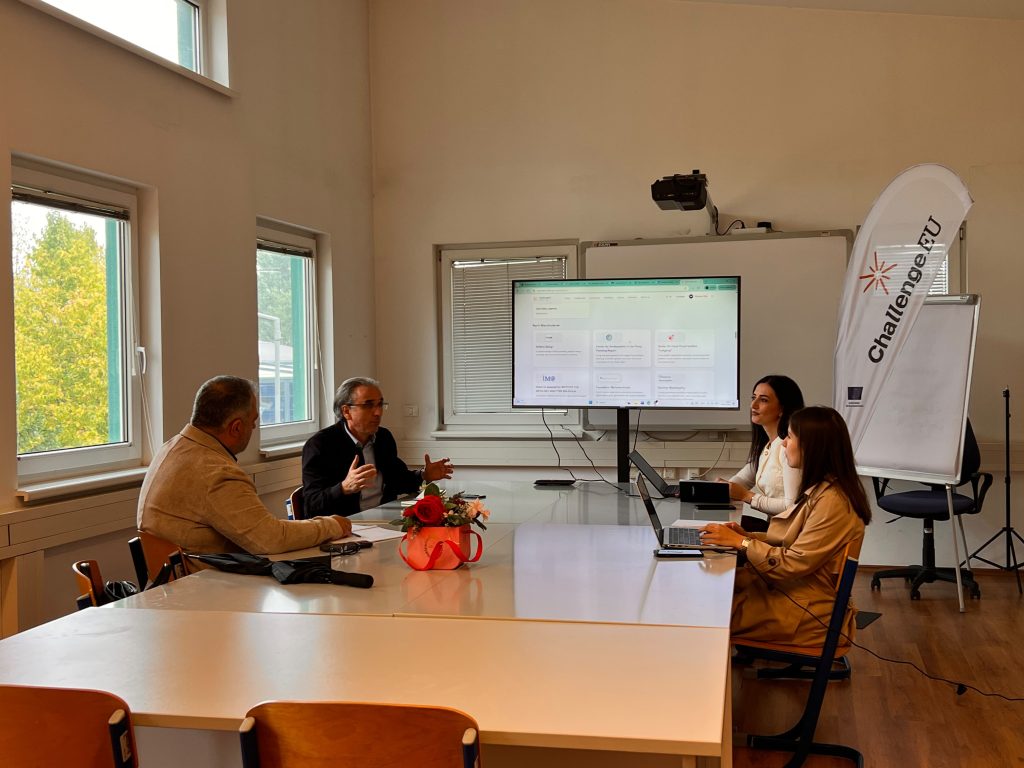
Within the framework of the ChallengeEU European University Alliance, South East European University (SEEU) is strengthening its cooperation with the Metamorphosis Foundation, an Associated Partner of the Alliance, to expand innovative learning opportunities through microcredentials. The meeting was attended by SEEU representatives Prof. Dr. Veli Kreci, Director of the Max van der Stoel Institute (MVDSI); Shpresa Alija, Market Officer; and Lejla Ademi-Shaqiri, researcher at MVDSI. They welcomed Bardhyl Jashari, Executive Director of the Metamorphosis Foundation. A key outcome of the meeting was the launch of a joint initiative to develop a Civic Education in the Digital Era programme for inclusion in the ChallengeEU Course Catalogue as a microcredential. The programme will cover topics such as civic participation, digital literacy, online engagement, and responsible participation in the digital environment. Developed as part of SEEU’s activities within ChallengeEU Work Package 4 (WP4), the initiative aims to expand flexible and accessible learning opportunities for students across ChallengeEU partner universities. It will also explore ways for Associated Partners to contribute to the development of microcredential programmes. This cooperation reflects SEEU’s commitment to expanding the ChallengeEU Course Catalogue, promoting innovative learning formats, and strengthening collaboration with Associated Partners to create educational opportunities that respond to society’s evolving needs.
Working in the GIS Sector: Regional M.A.R.K.E.T. Student Activity held at UWM
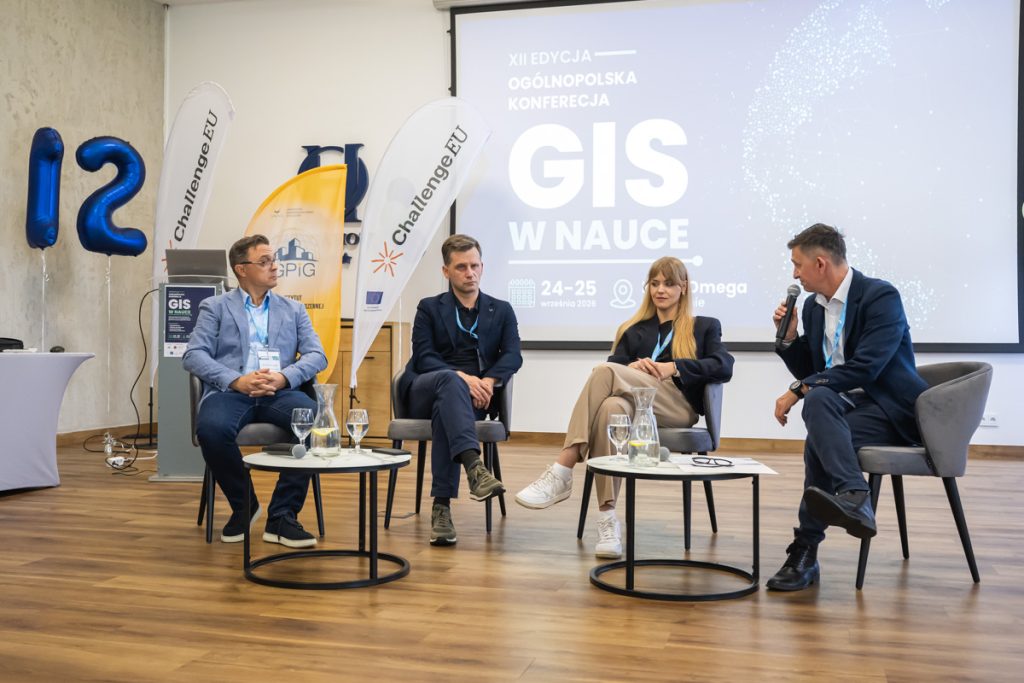
The meeting “GIS and the Labour Market – What Do Employers Expect from Graduates?”, was held on 25 September and was part of the 12th edition of the scientific conference “GIS in Science.”
Regional Promotion and Regenerative Tourism. ChallengeEU Students Join an International Programme at UWM
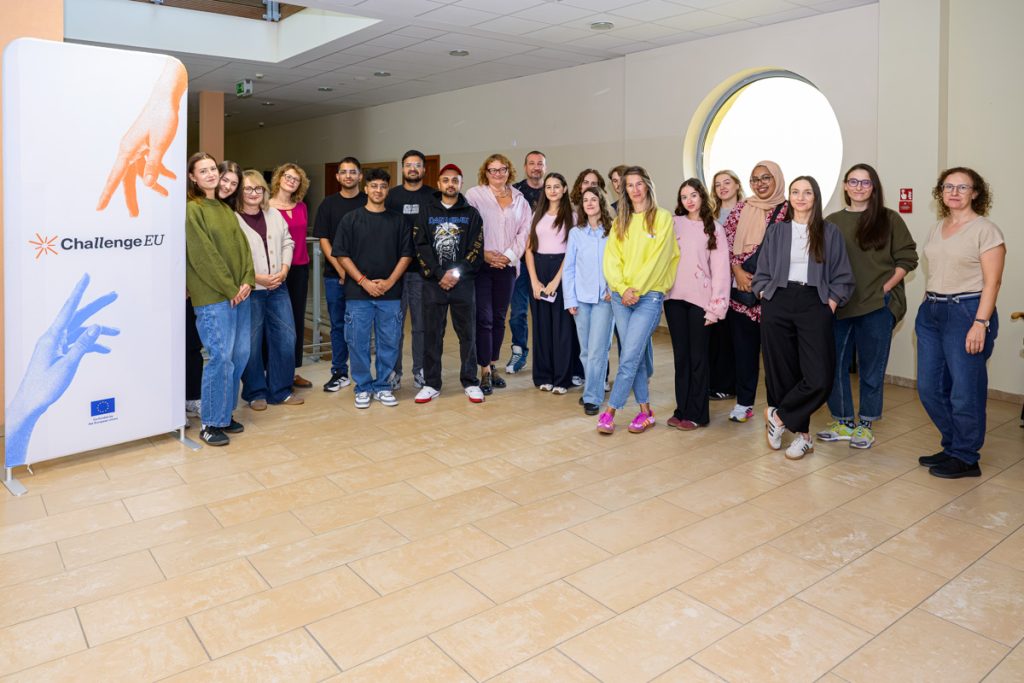
Students from ChallengeEU Alliance universities in Spain, Portugal, Germany, North Macedonia, Latvia and Poland came to the University of Warmia and Mazury to learn how to promote a region by treating its spaces, resources and local ecosystems as interdependent elements of a single system.
Representatives of the ChallengeEU Alliance participated in the Summer School at the University of Warmia and Mazury
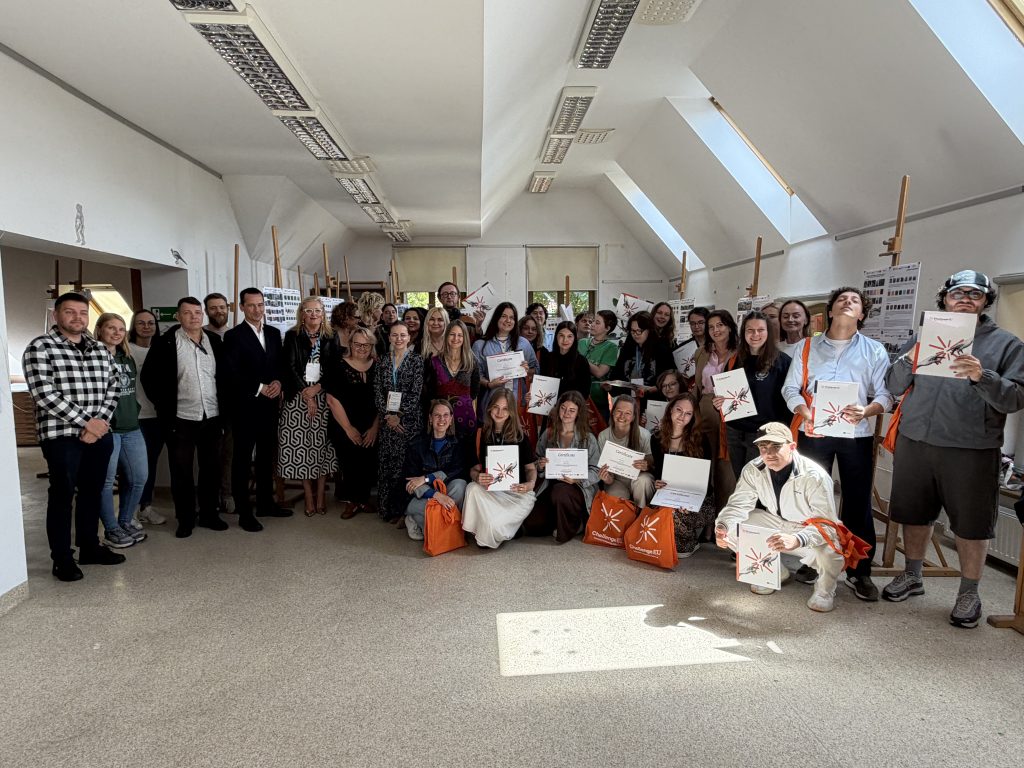
From 1 to 9 July, the University of Warmia and Mazury (UWM) hosted the Summer School “Traces in the Landscape”, organised by the Department of Landscape Architecture as part of the ChallengeEU Alliance. The programme brought together students from three ChallengeEU partner universities: the Latvia University of Life Sciences and Technologies (LBTU), the University of Applied Sciences and Arts Northwestern Switzerland (FHNW), and the University of Warmia and Mazury (UWM). In Search of Traces in the Landscape The staff of the Department of Landscape Architecture at the University of Warmia and Mazury invited students from ChallengeEU universities to explore the landscape as a palimpsest shaped by history, nature, and human activity. Participants developed their skills in identifying, interpreting, and preserving the cultural, natural and aesthetic values embedded in the environment. The Summer School programme was designed to address contemporary challenges, including climate change, the homogenisation of landscapes, and the disappearance of traditional settlement patterns. Throughout the Summer School, academic staff from the Department of Landscape Architecture shared the teaching methods they use in their everyday academic practice. “Our department places a strong emphasis on field-based analysis, which is why we decided to incorporate challenge-based learning into the programme. We also organised llandscape workshops in which students explored the subject in a less conventional way. They learned about architecture while also developing an understanding of the shapes, colours and textures that make up the landscape. In addition, participants experienced the landscape through sound and learned how to prepare graphic studies using traditional hand-drawing techniques,” explained Professor Agnieszka Jaszczak. The opening session of the “Traces in the Landscape” summer school was held at the Municipal Office in Stawiguda. The Municipality of Stawiguda is an associated partner of the ChallengeEU Alliance.The event was officially opened by Professor Jakub Sawicki, Vice-Rector for Research and International Cooperation at the University of Warmia and Mazury, Michał Kontraktowicz, Mayor of the Municipality of Stawiguda, and Professor Agnieszka Jaszczak. Following the opening ceremony, the students began working on their first challenge: designing a logo for the Municipal Centre for Social Services, a local institution recently established through the transformation of the Municipal Social Welfare Centre. included study visits to several locations across the region: the Łężany Palace, owned by the University of Warmia and Mazury; the Marian Sanctuary in Święta Lipka; the Bishops’ Castle in Lidzbark Warmiński; and the Museum of Folk Architecture – Ethnographic Park in Olsztynek. Inspiration for the Future Students who took part in the Summer School agreed that their time in Olsztyn was both enjoyable and enriching, giving them an opportunity to experience the landscape in a completely new way. “I think it was an excellent opportunity not only to gain new knowledge but also to look at many issues from a different perspective. We had the chance tto learn from UWM lecturers and experience their distinctive teaching methods as well as to exchange ideas and experiences with students from other countries. All of this made the experience extremely valuable,” said Vincenzo Zuccerello from FHNW. “It’s a place where you can relax while also meeting new people. I think that’s the most wonderful part of the experience. We often live in our own bubble, within our own country, but opportunities like this allow us to step outside of it,” added Kristiana Pabina from LBTU. The Summer School also inspired a wealth of new ideas in Vanessa Grabkowska, a landscape architecture student at the University of Warmia and Mazury. “Landscape architecture is a highly creative profession, and creativity depends on inspiration. That’s why I’m so grateful to have taken part in this Summer School. I’m sure that the experiences and ideas I’ve gained will influence my future projects,” said Vanessa. Students from ChallengeEU universities will soon have another opportunity to expand their knowledge, develop new skills and strengthen international connections. Applications are currently open for the ChallengeEU Blended Intensive Programme (BIP) entitled “Regional Promotion and Development,” organised by the Faculty of Humanities at the University of Warmia and Mazury. Using the challenge-based learning approach, participants will work together to develop solutions that support the sustainable development of local communities and foster collaborative ecosystems. More information and the application form are available on the ChallengeEU website. Photos by Marta Wiśniewska and Department of Landscape Architecture
Cracking the Job Market: SEEU Connects Students with Industry Experts
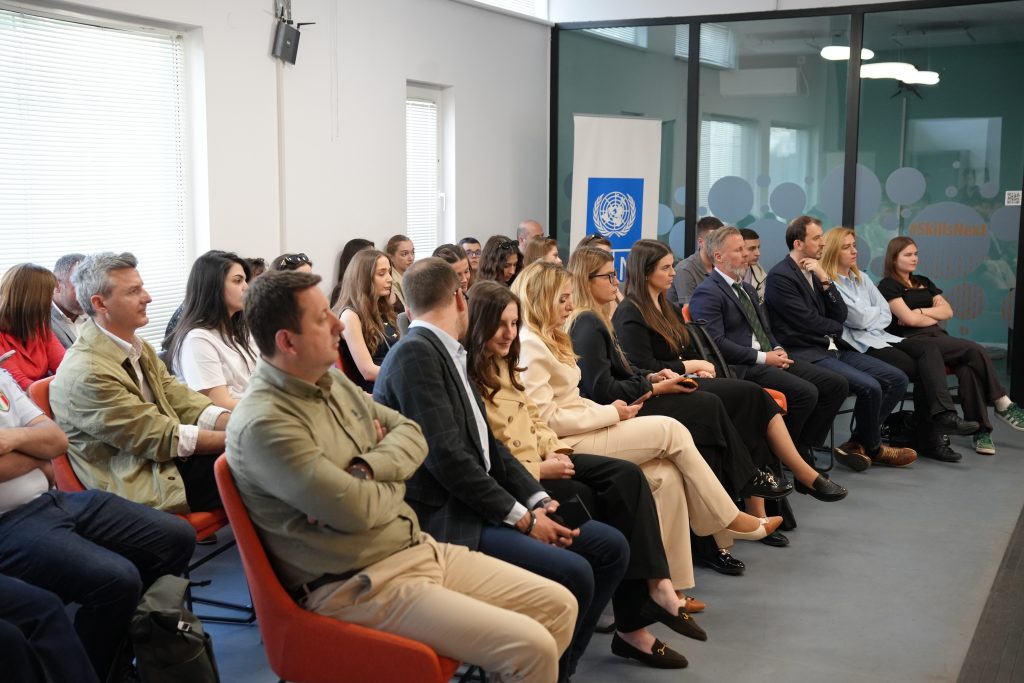
South East European University (SEEU), within the framework of the ChallengeEU alliance, organized the session “Preparing the Next Generation: Cracking the Job Market” as part of its Career Fair activities, bringing together students, staff, and industry professionals for an engaging discussion on career development and employment opportunities. The hybrid event, held at the Future Skills Center, featured distinguished speakers from leading organizations. Vigan Ademi, Head of Group Recruitment and Employer Branding at EVN, shared insights into hiring strategies within a major international energy company and highlighted what employers look for in candidates entering the workforce. Predrag Karanfiloski, Recruitment Officer at Coordea, offered practical perspectives on recruitment processes in the outsourcing sector, emphasizing adaptability and communication skills in international work environments. From a career development perspective, Anita Kochovska, Career Advisor at the Association of Career Development Advisors (ASK), focused on guiding students in building clear career paths, strengthening employability skills, and making informed professional decisions. Meanwhile, Nebi Mustafi, CEO of M House, provided an entrepreneurial perspective, sharing his experience in building and managing a successful brand in North Macedonia and encouraging students to think creatively and pursue opportunities beyond traditional career paths. Throughout the session, participants had the opportunity to learn from real-life experiences and gain practical advice on entering and navigating today’s competitive job market. The discussion highlighted the importance of continuous learning, resilience, and proactive engagement in shaping successful careers. As part of the ChallengeEU initiative, the event was open to students from partner universities, further strengthening collaboration and knowledge exchange across institutions. This session reflects SEEU’s ongoing commitment to supporting students’ career readiness by connecting academia with industry and creating opportunities for meaningful professional engagement.
To Improve Communication: UWM Hosted Two Online Events for ChallengeEU Community
The University of Warmia and Mazury, coordinator of the ChallengeEU Mentoring Programme, organised two online events dedicated to communication in mentoring and inclusive mentoring, which took place on 17 April 2026. The workshop titled “Communication in the context of mentoring” was led by Dr Monika Cichmińska from the UWM. “I designed these workshops in a way that would help raise awareness of how important the words we use to communicate with each other are. Despite the online format, participants practiced, among other things, active listening and formulating precise messages—ones that are not judgmental but based on facts. The goal was to learn how to become a more effective ‘communicator.’ I hope these sessions provided a foundation for further exploration of these topics,” explained Dr Monika Cichmińska. Dr Monika Cichmińska is an Assistant Professor at the Institute of Linguistics in the Department of Humanities at the University of Warmia and Mazury in Olsztyn, Poland. Her academic interests include cognitive semantics, especially the use of conceptual metaphors and multimodality in popular culture, the language of emotions, and different aspects of communication. She is also interested in applied linguistics, especially the influence of affective factors in learning, and brain-friendly teaching and learning. She enjoys working with people, and likes to combine theory (linguistics, psychology and neurosciences) with practice (teaching English). In her free time, she likes to read, learn new things, go to the cinema and watch TV series. On the same day, there was also an open online lecture dedicated to inclusive mentoring in the context of bridging academia and business. The workshop, titled “Inclusive mentoring for interdisciplinary and international career development: bridging academia and industry,” was led by Dr Hafizur Rahman from Mid Sweden University (MIUN). The researcher shared his experience stemming from an interdisciplinary education and professional background that included academia, industry, international collaboration, and active involvement in mentoring within the ChallengeEU alliance. His lecture focused on inclusive mentoring, which allowed participants to recognize its benefits for career development, also at the international level. During the session the worlds of academia and business were brought together. Dr Hafizur Rahman is a Researcher and Project Manager at Mid Sweden University, Sweden, working at the interface of chemical engineering, sustainable materials, and industrial innovation. His research focuses on fiber-based materials, resource-efficient processes, and advanced material characterization in close collaboration with industry and international research infrastructures. With a multidisciplinary academic background and professional experience spanning academia, industry, and international collaboration, he is actively engaged in mentoring within the ChallengeEU program. His mentoring focuses on helping early-career researchers navigate interdisciplinary and international environments, bridge academia and industry, and develop impactful, sustainable career pathways. The workshops were mandatory for participants of the BIP programme entitled “Inclusive Mentoring and Career Development for a Diverse Academia”, but at the same time they were open to all members of the ChallengeEU alliance community. Main photo: www.freepik.com
ChallengeEU Research Matchmaking Workshop Launches New Collaborative Initiatives
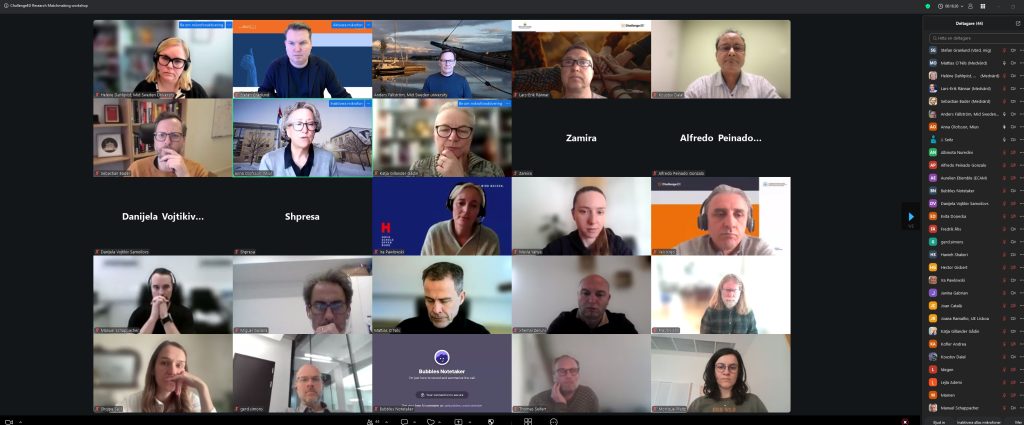
The first ChallengeEU Research Matchmaking Workshop, hosted by Mid Sweden University on 13 April, brought together 44 researchers from across the alliance to initiate new collaborations and explore joint research opportunities. Following a joint introduction, participants worked in four thematic breakout groups covering areas such as IoT and AI, additive manufacturing, anxiety, depression, stress and trauma, and digital health, health economic evaluations, and policy. The interactive format enabled participants to quickly identify shared interests, complementary expertise, and potential pathways for future cooperation. For example, in the IoT, AI and Electrification group, participants aligned around AI applications, data-driven development, and the role of AI in education and organisations. The group has already established a shared communication channel and scheduled a follow-up meeting in June to continue developing ideas. In the Metal Additive Manufacturing group, researchers connected across the full value chain—from materials and processes to industrial applications. Key collaboration areas include advanced materials such as tungsten, characterisation methods, and educational uses of 3D printing. The group also identified several relevant funding opportunities and has planned a follow-up meeting in late May. Overall, the workshop marked a strong starting point for deeper research collaboration within ChallengeEU, with several concrete follow-up activities already underway.
Inclusive Mentoring in Action: ChallengeEU Alliance Members Meet in Olsztyn
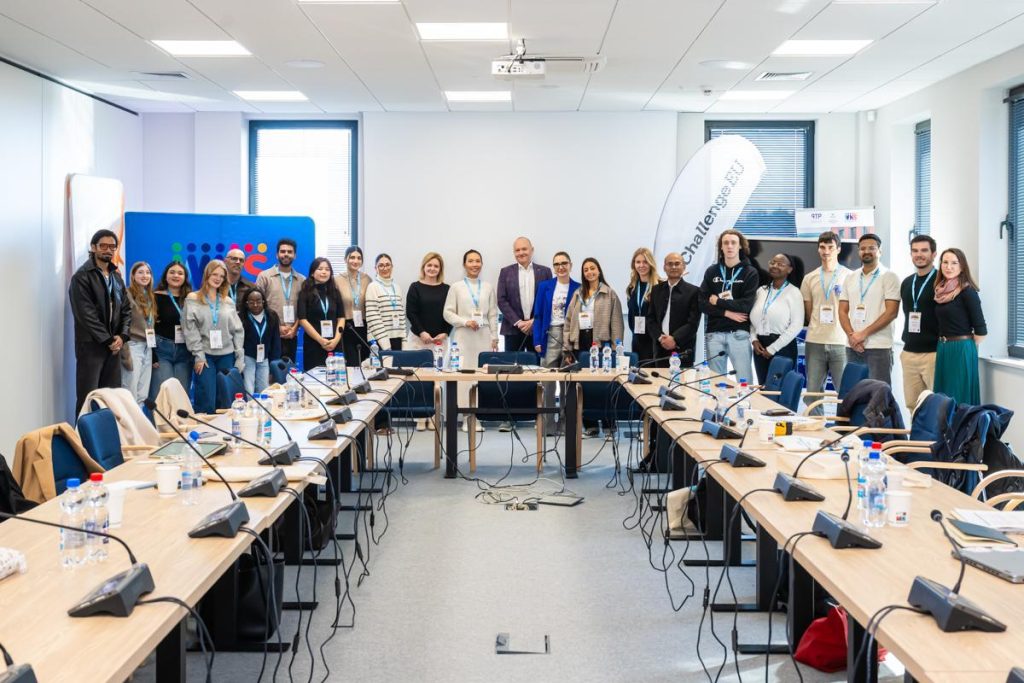
The Faculty of Social Sciences at the University of Warmia and Mazury hosted an Erasmus+ BIP Programme entitled “Inclusive Mentoring and Career Development for a Diverse Academia”. Eighteen students from universities that form the ChallengeEU alliance came to Olsztyn. The students represented Universidade Europeia (UEL), Hochschule Offenburg (HSO, the alliance leader), and Latvia University of Life Sciences and Technologies (LBTU). The programme also involved academic staff: Dr Hafizur Rahman from Mid Sweden University (MIUN), Professor Maria Rita Albergaria, and Dr Mafalda Leitão (both from UEL). Without leaving anyone behind “The main theme of this BIP programme was inclusive mentoring, so we focused on the idea of ODEI (openness, diversity, equity, inclusion). Around these values, we built the programme of the event, which included workshops, lectures, and a trip to the Invisible House in Toruń, where everyone can experience what everyday life is like for people who are blind,” said Professor Katarzyna Ćwirynkało from the Faculty of Social Sciences at UWM and ODEI Officer in the ChallengeEU alliance. The principles of inclusive mentoring were explained to the BIP programme participants by Dr Monika Ryndzionek from the Faculty of Social Sciences, who works in the ODEI team within the ChallengeEU alliance. “We discussed the conditions that must be met for mentoring programmes to be considered inclusive. The primary goal of inclusive mentoring is to support individuals who, for various reasons, may be at risk of exclusion, feel overlooked, or face different challenges at university. The idea is to respect diversity and help such individuals navigate the academic community—regardless of their social, identity-related, or demographic characteristics,” explained Dr Monika Ryndzionek. Participants developed practical skills in mentoring communication, giving feedback, and setting boundaries. They also explored strategies for building trust, psychological safety, and intercultural sensitivity, while reflecting on their professional identity and leadership potential within an inclusive academic environment. Workshops were led by Dr Czesław Kiński (“Feed Back, Feed Forward: A Quick Guide to Giving, Getting, and Using Feedback”), Dr Jacek Łagun (“Let’s Get Emotional… in a Mentoring Space: Building an Emotionally Aware Learning Environment”), and Agata Przyborowska, MA, who addressed the topic of procrastination. Professor Maria Rita Albergaria led a seminar on coping with difficult interpersonal situations, while Dr Mafalda Leitão facilitated interactive sessions on observing and analysing support dynamics. Dr Hafizur Rahman focused on inclusive mentoring in multicultural and multidisciplinary environments. A wealth of knowledge and experience Angelo Valente from Universidade Europeia emphasised that the programme helped him better understand other cultures. “I think it is very important to talk about equality and inclusivity, because we live in an increasingly globalised world. We need to learn to respect other cultures without losing our own identity,” he said. Vishwajeet Kumbhar from Hochschule Offenburg highlighted the interactive nature of the programme. “Once I arrived, I realised that many interactive sessions had been planned, which was quite different from my usual classes. The programme focused not only on mentoring, but also on personal development. I particularly enjoyed the sessions where Polish students joined us and we worked together,” he said. Renāte Ruska, a ChallengeEU Student Ambassador from LBTU, also took part in the programme at the Faculty of Social Sciences at the University of Warmia and Mazury. “It was wonderful to learn more about ODEI. The lectures and workshops we attended inspired me to move beyond stereotypical thinking. The trip to Toruń was also very educational—we were able to experience, even if only for a moment, what it is like to be blind. It completely changes your perspective and helps you better understand the challenges such individuals face in everyday life,” said Renāte. Renāte also admitted that the competences she gained during the Blended Intensive Programme at UWM will allow her to become an even better ambassador of the ChallengeEU alliance. “We are diverse, and we must respect that by approaching each person individually. I am also glad that, as an ambassador, I had the opportunity to meet people from other universities within the alliance and see how different—and at the same time similar—we are. The ChallengeEU alliance brings together universities that are distant not only geographically but also culturally, and it is inspiring to see how each of us can contribute something and how we can build a community that shares the same values,” she emphasised.
Advancing Digital Transformation through ChallengeEU: Open Lectures at SEEU
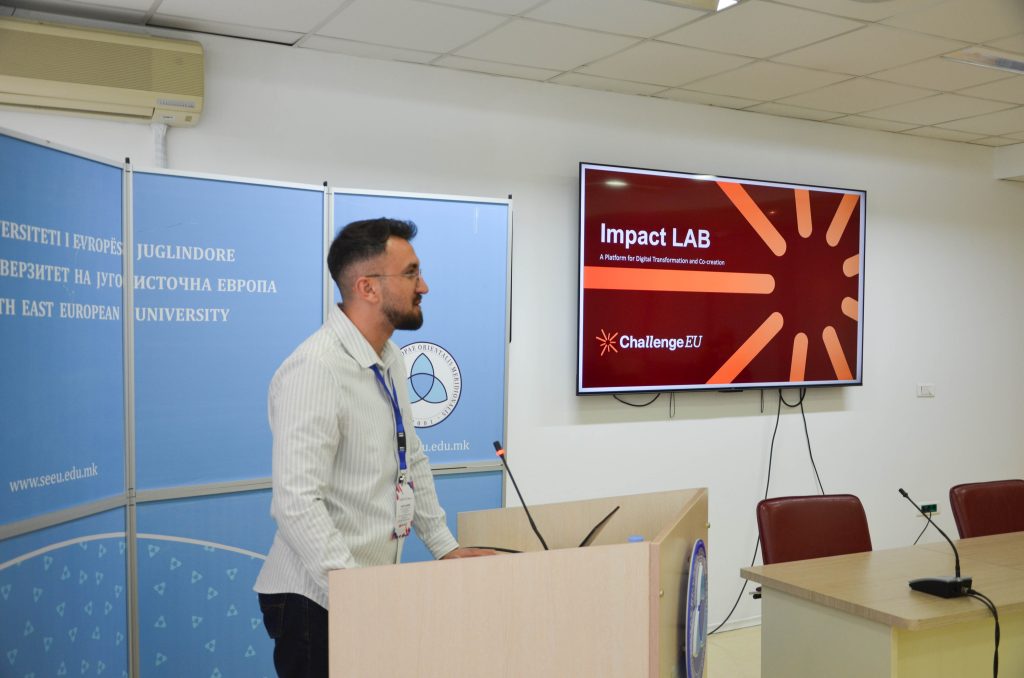
A series of open lectures was held at South East European University, highlighting key developments in digital transformation and collaborative learning within the ChallengeEU alliance. Delivered as part of a dedicated ChallengeEU track titled “Digital Transformation through ChallengeEU” within a broader international symposium, the sessions represented a distinct contribution of ChallengeEU staff to a wider public event, engaging information professionals, academics, and external stakeholders. Through these sessions, the initiative moved beyond internal promotion by presenting concrete digital infrastructures and tools developed within the alliance. Prof. Dr. Mennan Selimi, in his lecture “Digital Foundations of ChallengeEU: Building the Joint E-Campus,” introduced the concept of the Joint E-Campus as a shared digital foundation. This was followed by Samir Shabani with “Online Learning through the ChallengeEU Course Catalogue,” where he demonstrated the practical use of the platform for cross-institutional learning. In addition, Hamit Kamberi presented “Impact Lab: A Platform for Digital Transformation and Co-Creation,” showcasing its functionality as a space for innovation, collaboration, and engagement with a broader network of partners and users. By opening these discussions to an international audience and embedding them within a larger collaborative event, the ChallengeEU track contributed to public engagement and knowledge exchange, while also disseminating the alliance’s tangible outputs and results to stakeholders beyond its immediate institutional framework. The lectures were organized as part of the International Symposium “Empowering Information Professionals: Digital Transformation through Collaboration between Türkiye, Norway, and North Macedonia,” held from 20–25 April 2026 and hosted by the Max van der Stoel Library, SEEU, which brought together information professionals, academics, and experts from Türkiye, Norway, and North Macedonia to exchange knowledge and best practices in digital librarianship, open science, and data management, while presenting innovative digital initiatives.
Positive Impact Challenge in Freiburg
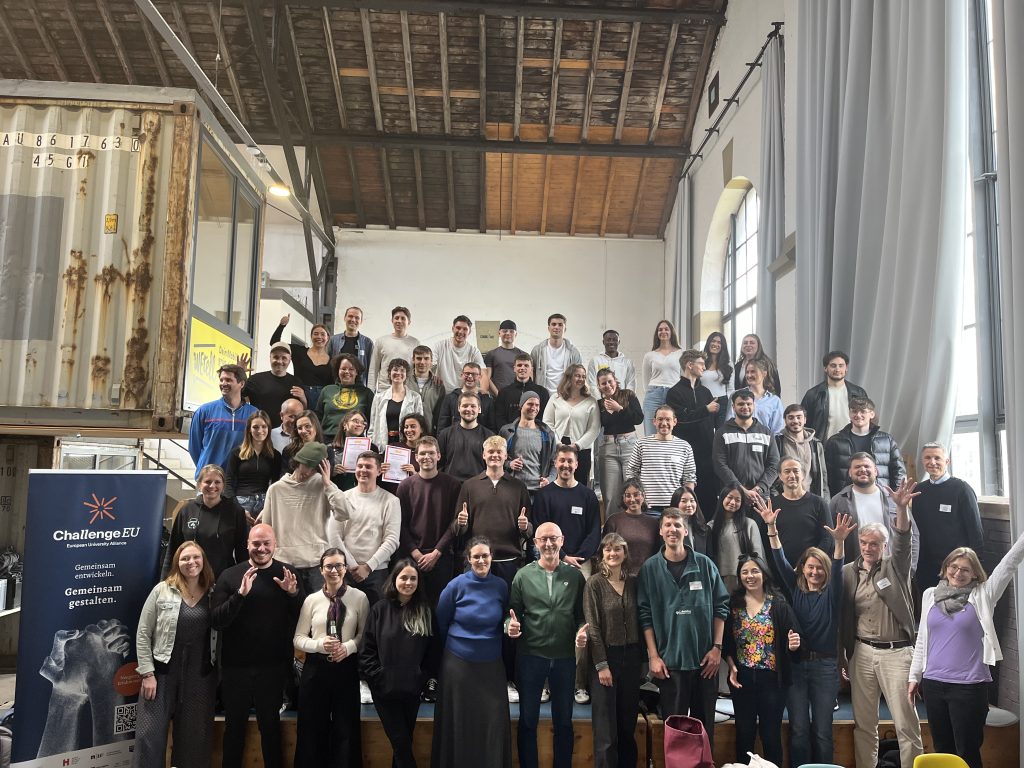
Hochschule Offenburg just concluded three inspiring days at the Positive Impact Challenge in Freiburg—an experience that reflects the core of ChallengeEU’s mission to drive challenge-based, impact-oriented education across Europe. The programme began with an onboarding Design Sprint, equipping students with design thinking tools to engage in collaborative, solution-driven processes from the outset. Building on this, teams developed social impact projects addressing real societal challenges—ranging from digital community engagement to inclusive everyday systems—demonstrating how student-led initiatives can contribute to regional innovation ecosystems. Throughout the challenge, participants were supported by our Seekers, whose expertise helped translate ideas into sustainable, scalable solutions with long-term impact. This mentorship process embodies ChallengeEU’s approach to fostering open innovation and knowledge exchange between academia and society. What stood out most was not only the diversity of project outcomes, but also the process itself: teams applied user-centred, emotionally intelligent methods, reflecting the shift towards challenge-based learning as a driver of societal transformation. In doing so, students actively became agents of change, contributing to more inclusive and responsive innovation practices. The collaborative environment—bringing together local and international perspectives—highlighted the strength of transnational cooperation within the ChallengeEU Alliance. It is through these shared experiences that we build a connected European learning community capable of addressing complex challenges beyond institutional and national boundaries. This activity is more than a standalone event—it is part of a broader ambition to reshape higher education towards impact, participation, and social innovation, strengthening Europe’s capacity to respond to the triple transition and future societal needs. As we close this chapter, we carry forward the momentum generated in Freiburg, looking ahead to the continued development and real-world implementation of these ideas. Stay tuned for the final project launches on June 24.