ChallengeEU Connects Polish and Latvian Foresters
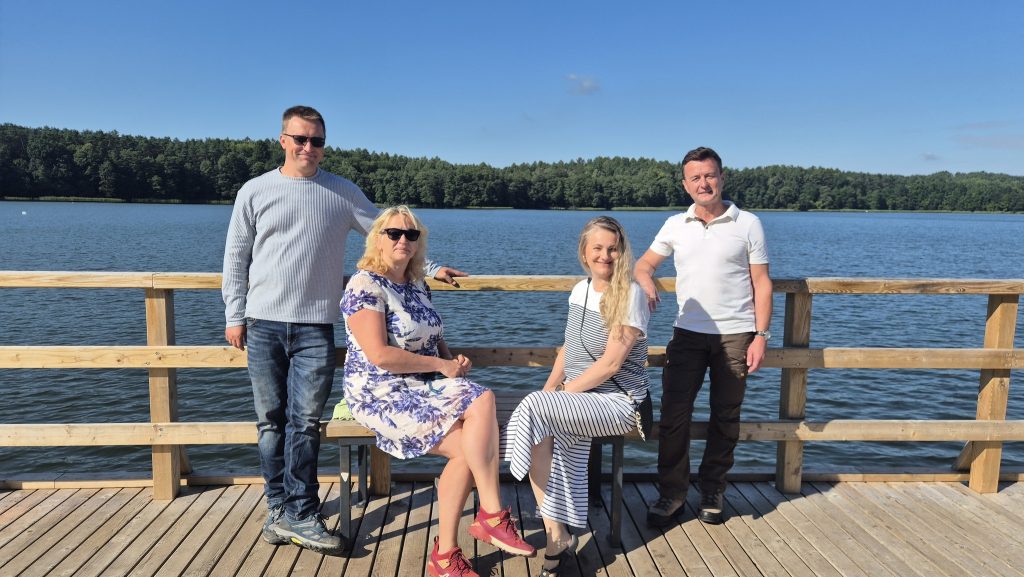
For five days, experts from the Latvia University of Life Sciences and Technologies (LBTU), hosted by Professor Piotr Mederski, travelled through Polish forests – from the steep slopes of the Silesian Beskids to stands of the famous Tabórz pine. They were looking for answers to one key question: how can Latvia’s forests be prepared for climate change? The visit was made possible thanks to the ChallengeEU Alliance and support from the Polish National Agency for Academic Exchange (NAWA). The University of Warmia and Mazury in Olsztyn hosted representatives of the Institute of Forestry at LBTU’s Faculty of Forest and Environmental Sciences in Jelgava. Their guide to both Polish forestry and UWM itself was Prof. Piotr Mederski from Faculty of Agriculture and Forestry. The Staff Week programme followed a simple principle: fewer presentations, more time in the forest. “During the five-day visit, we planned trips to selected State Forests units that demonstrate both the similarities between forestry in Poland and Latvia and the differences that may be particularly interesting in the context of introducing new solutions in Latvia,” explains Prof. Piotr Mederski. The first stop was southern Poland. “We visited the Silesian Beskids, which was a completely new experience for our Latvian guests, who are used to a lowland and relatively flat landscape,” says the group’s host. “At the same time, visiting beech stands was of particular interest to Latvian foresters because of climate change and the search for solutions involving changes in tree-species composition, including the introduction of European beech (Fagus sylvatica).” The final part of the programme brought the group back to Warmia and Mazury, with a visit to the Miłomłyn Forest District. There, the guests could see stands of Tabórz pine for themselves – an ecotype known for trees reaching up to 40 metres in height, with exceptionally straight trunks and few lower branches. Tabórz pine is regarded as one of the most valuable pine ecotypes in Europe. For the Latvian visitors, the scale of Polish forestry proved just as interesting as the forests themselves. “It is very interesting to come from a small country to one as large as Poland and compare how small- and large-scale forestry can work alongside each other,” says Dr Lelde Vilkriste, Associate Professor at the LBTU Institute of Forestry, whose research focuses on forest resource economics and private forestry. “The differences in species composition and forest management methods are also very interesting and valuable.” Solveiga Luguza, a lecturer at the LBTU Institute of Forestry specialising in dendrology and forest regeneration, summed up the differences between the two countries most succinctly. “The forests are similar, but they are not the same. They are similar because we have the same species – Scots pine, for example, is just as important in Latvian forests as it is in yours. But your soils are more fertile, which is why you have many more deciduous forests compared with our predominantly coniferous ones. There are many similarities and plenty of differences we can learn from,” says the Latvian researcher. Her words capture the essence of the entire visit. The shared tree species and forestry traditions of the Baltic Sea region provided a starting point for identifying solutions that could potentially be transferred to Latvia, as well as those that work only under Poland’s specific habitat conditions. The intensive exchange of experience during the five-day Staff Week was made possible thanks to the support of the Polish National Agency for Academic Exchange (NAWA) and the ChallengeEU European University Alliance, which brings together nine universities. LBTU is UWM’s Latvian partner within the Alliance, and cooperation between the two universities in the field of forestry is set to continue.
ChallengeEU at the 4th European Universities Initiative Forum in Ireland
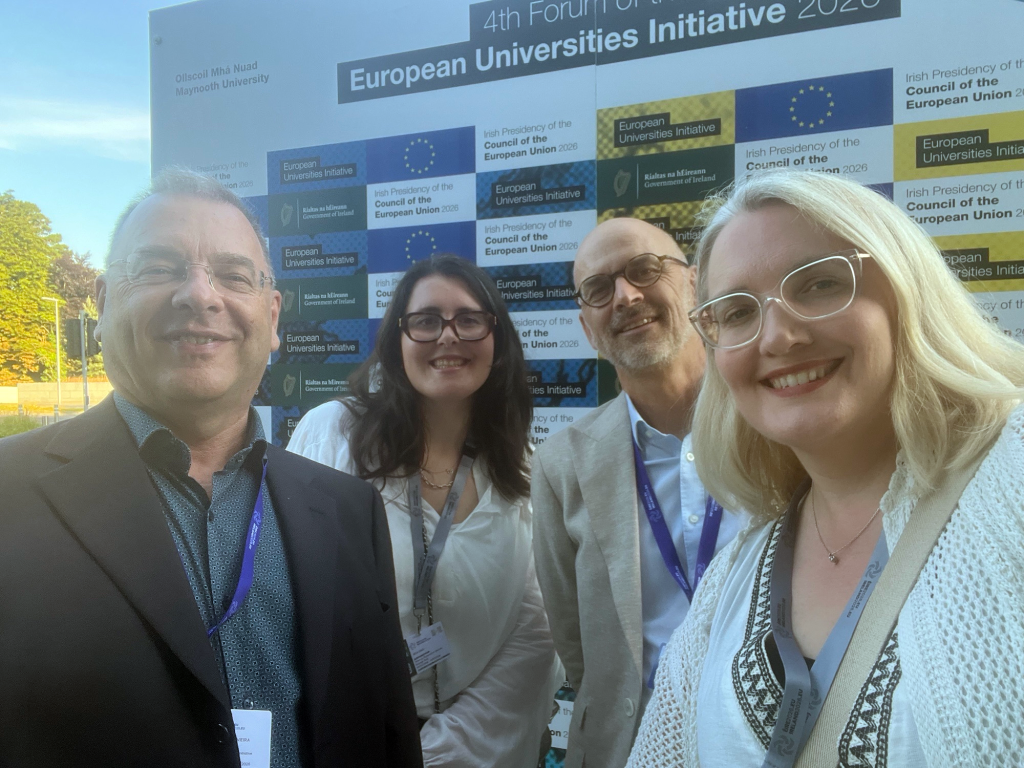
Shaping the future of higher education requires both bold ambition and a sustainable foundation. This perspective guided the ChallengeEU delegation during the 4th European Universities Initiative Forum, held on 10 July 2026 in County Kildare, Ireland, under the Irish Presidency of the Council of the European Union. The forum brought together representatives of the European higher education and research sectors, as well as institutions responsible for shaping public policy to take stock of the progress of the European Universities Initiative and discuss its future direction. The programme focused on the future of European University Alliances, with particular attention to sustainable investment, governance and policy frameworks that can support deep and lasting collaboration in education, research and innovation. The ChallengeEU delegation included Managing Director Tobias Hagen from Hochschule Offenburg, Paulo Nuno Vieira from Universidade Europeia, who serves on the Management Board, and External Advisory Board members Enora Bennetot Pruvot from the European University Association and Ana Rita Dias from the European Association for International Education. The forum addressed some of the most important questions currently shaping the future of European higher education: how university alliances can become permanent catalysts for institutional transformation, how they can contribute to European competitiveness, innovation, inclusion and democratic values, and how students can be meaningfully involved in governance and co-creation. Discussions also covered the development of the European Degree, deeper academic integration, and the alignment of EU, national and institutional strategies. One of the key takeaways from the forum was the strategic role of university alliances in driving long-term institutional change. Rectors and university leaders highlighted that alliances are no longer only project-based cooperation structures, but increasingly serve as engines of transformation, helping institutions rethink education, research, innovation and governance in a European context. At the same time, the discussions clearly pointed to a significant challenge: the need to address the funding gap. Against the background of ongoing negotiations on the next Multiannual Financial Framework, participants reflected on the tension between the transformative ambitions of European University Alliances and the limitations of current project-based funding models, which are often based on short cycles and intensive reporting requirements. “Together, we engaged in critical discussions regarding the current state of the initiative and the strategic evolution of university alliances. The discussions underscored a critical necessity: the need to reconcile the programme’s long-term vision with a more sustainable and robust financial structure,” said Tobias Hagen, Managing Director of ChallengeEU. For ChallengeEU, participation in the forum was an important opportunity to contribute to the European debate on the future of university alliances and to strengthen the shared commitment to building long-term, resilient and transformative cooperation in higher education. Through dialogue, strategic reflection and collaboration across Europe, ChallengeEU continues to challenge the now — in unity.
Black Forest Sustainability Forum: Turning Climate Action into Measurable Impact
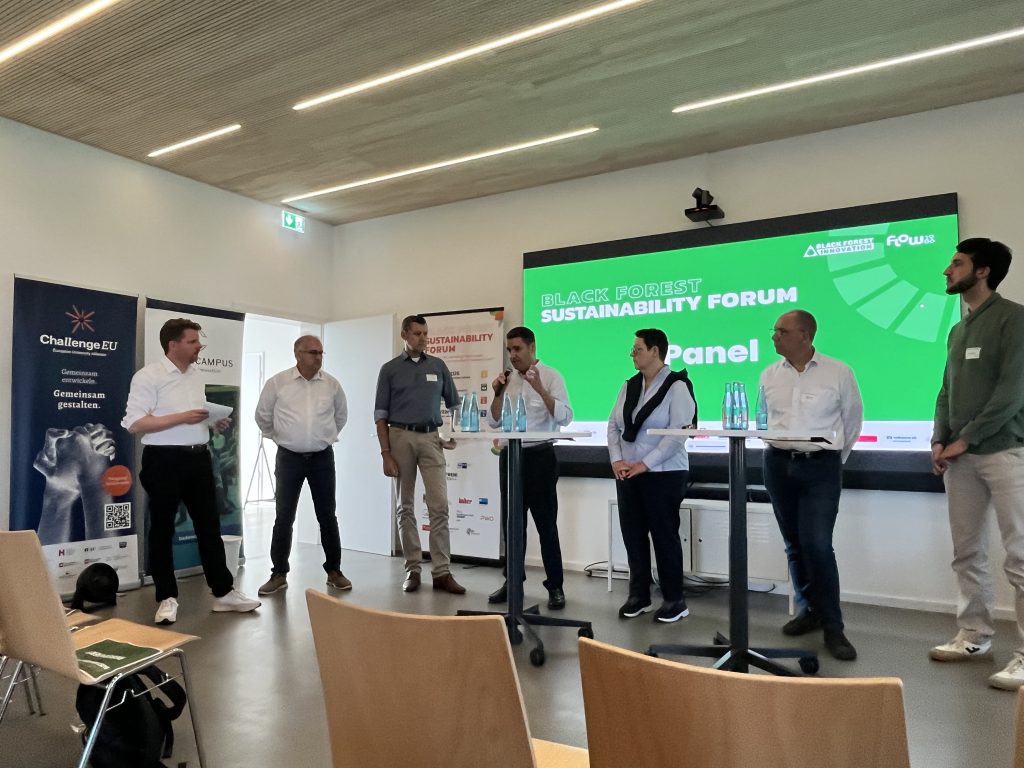
Representatives of organisations and companies came together to explore SDG 13: Climate Action and discuss practical pathways towards a more sustainable future. One of the highlights of the forum was the presentation by Professor Roberto Gómez-Calvet from Universidad Europea de Valencia, a partner of the ChallengeEU Alliance. He led an inspiring session on developing robust sustainability indicators that can strengthen corporate responsibility and support long-term impact. His insights underlined the importance of accurate data, clear metrics and responsible frameworks in driving meaningful sustainability action. The discussions initiated during the forum will continue to inspire further cooperation. The ideas, partnerships and frameworks shared throughout the event provide a strong basis for building real and measurable change in our regions and beyond. The forum was organised with the involvement of Black Forest Innovation and brought together participants committed to collaboration, knowledge exchange and innovation in the field of sustainability. Their contributions helped create a dynamic space for dialogue and the development of practical ideas for future action. Professor Roberto Gómez-Calvet’s visit to Hochschule Offenburg was hosted by colleagues from HSO — Professor Michael Schmidt, Professor Lämmle, Professor Niklas Hartmann, Sascha Rißmann and Professor Ulrich Hochberg. The visit provided an opportunity for valuable expert exchange and dialogue, further strengthening cooperation within the ChallengeEU Alliance. The programme also included a guided tour of INES – Institute for Sustainable Energy Systems and a visit to the hydrogen production and methanation pilot plant at Hochschule Offenburg, offering participants an opportunity to learn more about applied research and innovative solutions in sustainable energy systems. Through collaboration across the ChallengeEU Alliance and beyond, we continue to turn knowledge into action and work towards a more sustainable future.
SEEU Confirmed as the Highest-Ranked University from North Macedonia in the Times Higher Education Impact Rankings 2025
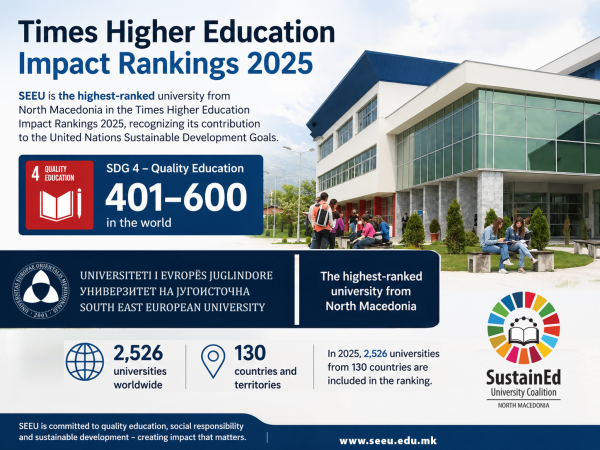
The South East European University (SEEU) continues to strengthen its international profile by ranking as the highest-rated university from North Macedonia in the Times Higher Education Impact Rankings 2025. This is one of the most prominent global rankings evaluating university contributions to the United Nations Sustainable Development Goals (SDGs). SEEU’s most significant achievement in this ranking was reached in the SDG 4 category – Quality Education, where the university placed in the 401–600 bracket of the world’s best universities. In this category, Times Higher Education assesses access to quality education, social inclusion, student support, lifelong learning, and the university’s impact on the education system. This positioning makes SEEU the highest-rated university from North Macedonia and the highest-ranking Albanian-language university in the region within this category. SEEU also recorded significant results in other sustainable development categories, including gender equality, reduced inequalities, climate action, peace, justice, and strong institutions. These results are part of the Times Higher Education Impact Rankings methodology, which evaluates universities not only through scientific publications but also through their community impact, student support, inclusivity, and contributions to the 17 UN Sustainable Development Goals. In this context, SEEU’s positioning demonstrates the university’s ongoing commitment to quality education, social responsibility, and sustainable development, confirming its role as an institution that connects its academic mission with real-world impact on society and the community. The importance of this result is amplified by growing global competition. The 2025 edition of this ranking featured 2,526 universities from 130 countries and territories, compared to 2,152 universities from 125 countries in 2024. SEEU’s commitment to Agenda 2030 and the Sustainable Development Goals is further evidenced by its inclusion in the SustainED University Coalition. This initiative is promoted by the Office of the United Nations Resident Coordinator in North Macedonia. The coalition aims to strengthen the role of universities in implementing sustainable development goals through education, scientific research, innovation, student engagement, and community collaboration. SEEU’s participation in this platform, along with the results achieved in the Times Higher Education Impact Rankings 2025, confirms the university’s strategic orientation toward quality education, sustainable development, and building a more inclusive society. Link:timeshighereducation.com/world-university-rankings/south-east-european-university
ChallengeEU in Practice: MIUN and SEEU Develop Academic Cooperation
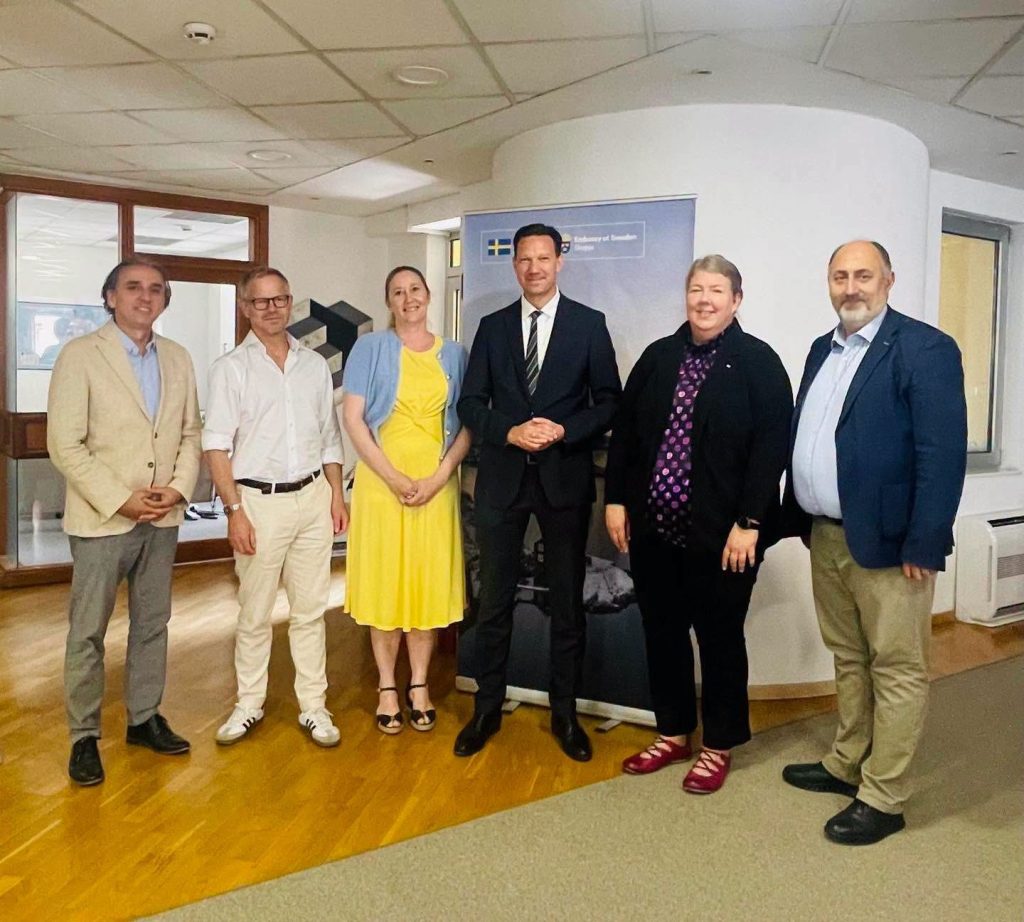
South East European University (SEEU) hosted a delegation from Mid Sweden University as part of efforts to strengthen academic cooperation and activities within the European university alliance ChallengeEU. During the visit, the Swedish delegation held a series of meetings with SEEU representatives, including the Rector of SEEU, Prof. Dr. Sadudin Ibraimi, together with members of the university management and academic staff. At a meeting with the Pro-Rector for Planning, Research and Entrepreneurship, Prof. Dr. Veland Ramadani, discussions focused on the development of joint study programmes — Joint Degrees and Double Degrees — within Work Package 3 of the ChallengeEU alliance. The parties explored the possibility of establishing a joint degree in the fields of entrepreneurship and innovation, as an important step towards expanding the university’s international academic offer. A separate meeting was held with the Head of the International Relations Office, Bujar Sinani, during which opportunities for student and staff mobility were presented, along with the services and programmes offered by SEEU as part of international cooperation. On the second day of the visit, the MIUN delegation and SEEU representatives held separate meetings at the Embassy of Sweden in Skopje with the Ambassador of Sweden to North Macedonia, Ola Sohlström, as well as with one of the founding partners of the Swedish–Macedonian Chamber of Commerce. The meetings emphasised the importance of successful cooperation between MIUN and SEEU within the ChallengeEU, as well as their shared ambition to develop innovative study programmes in entrepreneurship and innovation. Both universities are actively engaged in the development of the ChallengeEU and contribute to its mission of building stronger, more connected and innovative European higher education. Through their cooperation, MIUN and SEEU support the alliance’s objectives by promoting internationalisation, academic mobility, joint educational initiatives, and collaboration with external partners. Their shared commitment demonstrates how ChallengeEU creates a platform for universities to exchange knowledge, develop new opportunities for students and staff, and respond together to regional and European challenges.
ISCBE 2026 in Valencia Highlights Innovation, Digital Competitiveness and the ChallengeEU Talent Academy
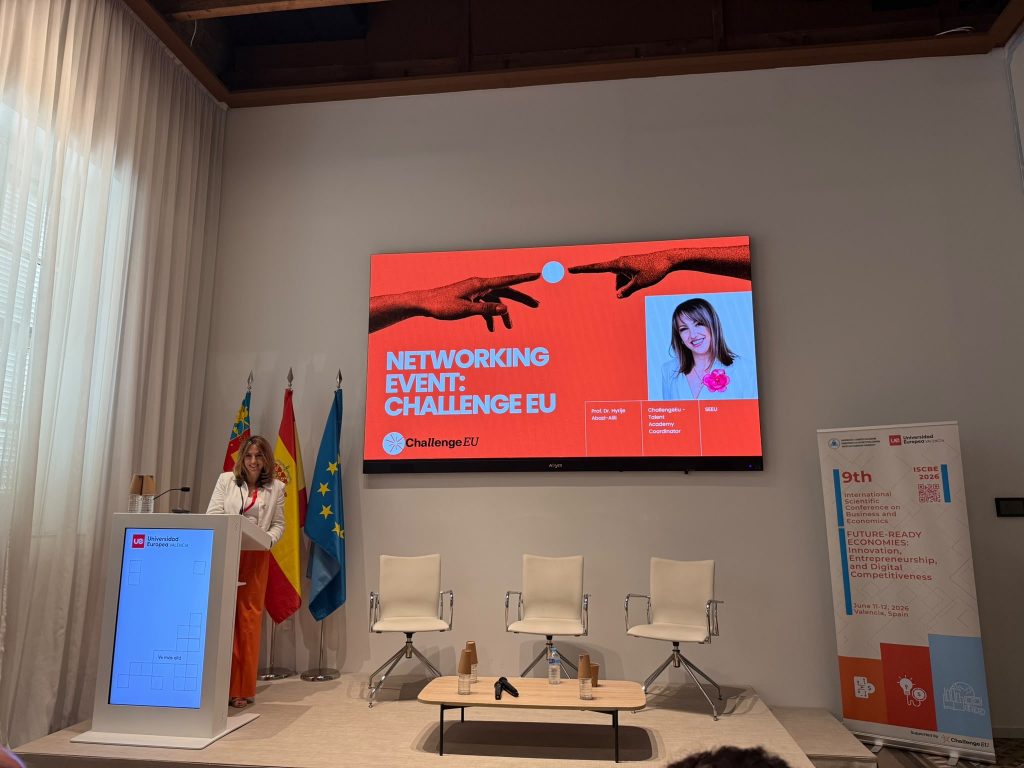
The 9th International Scientific Conference on Business and Economics (ISCBE 2026), held under the theme “Future-Ready Economies: Innovation, Entrepreneurship and Digital Competitiveness”, took place on 11–12 June 2026 at the Universiad Europea de Valencia. The event was organised by the Faculty of Business and Economics of South East European University (SEEU) and brought together international academics and professionals to discuss innovation, entrepreneurship, digital competitiveness and the ChallengeEU Talent Academy. Future-ready economies in focus The conference was held in a hybrid format and brought together academics, researchers and professionals from across the globe to discuss the future of business, innovation and digital transformation. The conference opened with a Welcome Session featuring addresses by Enrique Fatas Juberias, Director of the Behavioral Economics Institute; Blerta Abazi Çaushi, Dean of the Faculty of Business and Economics at SEEU; Emmanuël Hazé, Chief Implementation Officer of the ChallengeEU Alliance; and Conference Chair Veland Ramadani, who presented an overview of ISCBE 2026 and its objectives. Artificial intelligence, transformation and societal impact The Plenary Session highlighted key contemporary challenges and opportunities related to artificial intelligence and digital transformation. Marco Valeri, Associate Professor at Niccolò Cusano University, Italy, presented the role of agentic AI in shaping the future of travel planning, while Catalina Franco from the Norwegian School of Economics (NHH) addressed the impact of artificial intelligence on gender equality. The conference continued with thematic sessions on sustainability, economics and finance, entrepreneurship and innovation, management and marketing, artificial intelligence, information systems, and legal aspects of future-ready economies, providing a valuable platform for international academic exchange and collaboration. ChallengeEU Talent Academy presented during ISCBE 2026 As part of the ChallengeEU Alliance, the Talent Academy was also presented during ISCBE 2026. The initiative is led by Prof. Dr Hyrije Abazi-Alili as Task Lead of T4.5 within Work Package 4, WP4 M.A.R.K.E.T. Ecosystems, of the ChallengeEU Alliance. The Talent Academy brings together doctoral researchers and student entrepreneurs through a series of collaborative learning opportunities that combine academic excellence, entrepreneurship, innovation and societal impact. Built on an extensive mixed-methods needs assessment, including focus groups, online interviews and surveys conducted across all nine partner universities, the initiative responds directly to the challenges faced by emerging researchers and innovators. These include networking, mental health and stress support, academic skills, digital and AI skills, time and project management, team dynamics, and sustainable innovation. Towards a European talent ecosystem The first pilot activities of the Talent Academy are planned to launch in late 2026, marking an important milestone towards a sustainable and interconnected European talent ecosystem that extends beyond the project’s lifetime. Through ISCBE 2026, the Faculty of Business and Economics of South East European University once again demonstrated its commitment to advancing research excellence, international cooperation and innovative thinking in addressing the challenges of tomorrow’s economies.
LBTU and ECAM LaSalle Launch Extended Mobility Programme
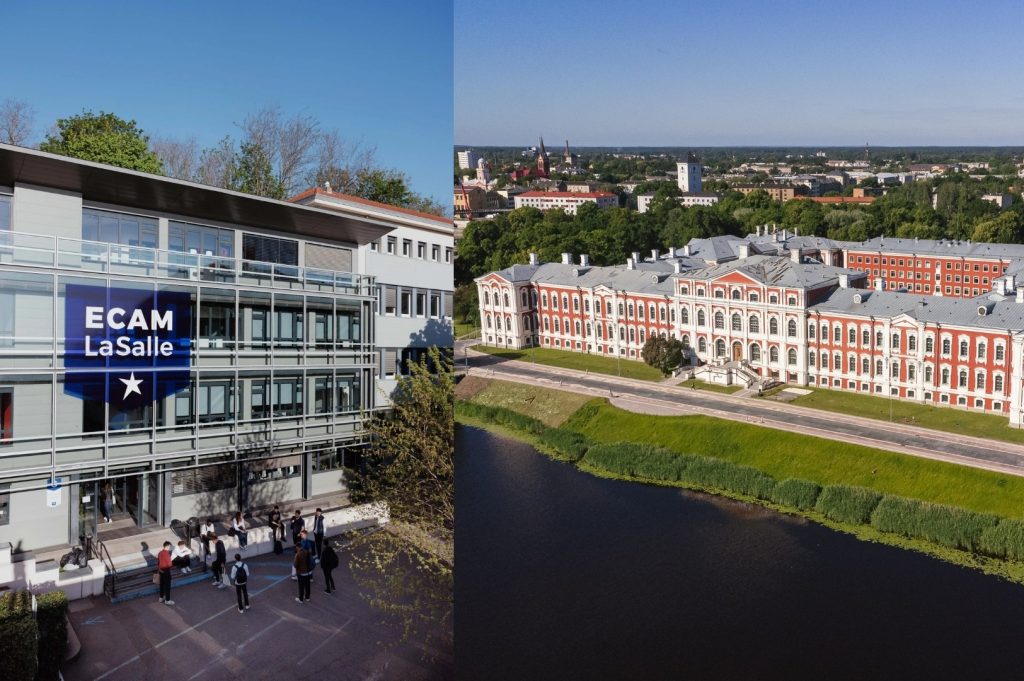
Latvia University of Life Sciences and Technologies (LBTU) and ECAM LaSalle have signed the first agreement on an extended mobility programme in the field of mechanical engineering. The agreement provides for student mobility and the coordinated delivery of study courses between the two higher education institutions. It was developed within the framework of the ChallengeEU, further expanding international cooperation and academic mobility. Under the agreement, LBTU will offer a set of study courses from the Biosystems Machinery and Technologies programme, delivered in the fifth semester, for students from ECAM LaSalle’s Master’s Degree in General Engineering programme, who will participate during their seventh semester. During the mobility period, students will be able to take courses such as Renewable Energy and Energy Economics, Mechatronics, Applied Mechanics, Applications of Unmanned Aerial Vehicles, and other elective courses. The study content provides advanced knowledge and practical skills in mechanical engineering and biosystems technologies. The programme ensures full academic recognition. During the mobility period, students will earn 30 ECTS credits, corresponding to a full semester workload at their home institution. This ensures continuity of studies and seamless integration into the study process, while also providing international experience and supporting the development of professional competencies. This initiative marks an important step in implementing the goals of the ChallengeEU alliance by strengthening academic cooperation and promoting the internationalisation of engineering studies within the European Higher Education Area. LBTU continues to develop international cooperation and expand student mobility.
ChallengeEU Participates in High-Level European Higher Education Meeting in Brussels
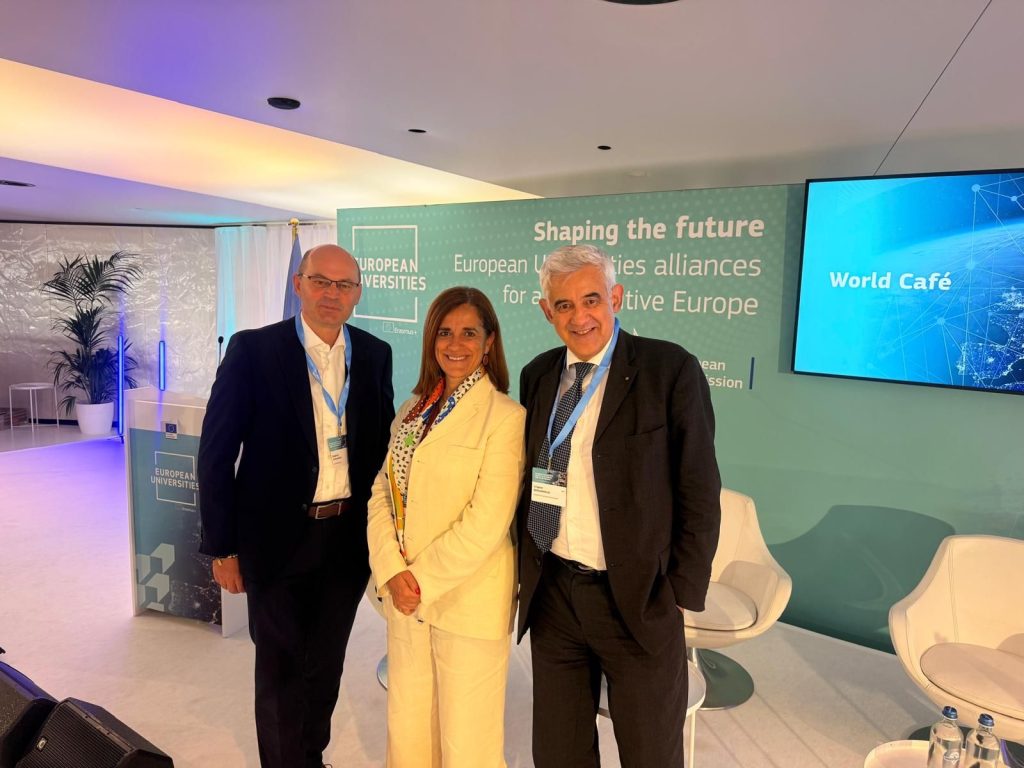
On 10 June 2026, the European Universities Rectors and Presidents High-Level Meeting took place in Brussels. The event provided an opportunity to discuss the future of the European Universities initiative, its role in completing the European Education Area, developing skills, and strengthening the competitiveness of the European Union. Three rectors representing ChallengeEU institutions took part in the meeting: Prof. Hélia Gonçalves Pereira from Universidade Europeia, Prof. Crispino Bergamaschi from Fachhochschule Nordwestschweiz FHNW, and Prof. Stephan Trahasch from Hochschule Offenburg. Their participation made the event an excellent opportunity to share good practices, exchange experiences, and build relationships with representatives of other European university alliances. It also highlighted ChallengeEU’s commitment to contributing to a more connected, innovative, and resilient European higher education landscape. The High-Level Meeting of Rectors and Presidents included a keynote address by Roxana Mînzatu, Executive Vice-President for Social Rights and Skills, Quality Jobs and Preparedness. “We need strong, independent universities, where academic freedom is protected. Where trust in science is encouraged. Where innovation and ingenuity lead to success, in Europe and globally. The European University Alliances can lead the way,” said Roxana Mînzatu. High-level meetings such as this one play an important role in shaping the future of cross-border academic cooperation and strengthening the voice of European universities in response to shared challenges.
Semester Hackathon Connects Hochschule Offenburg and Mid Sweden University
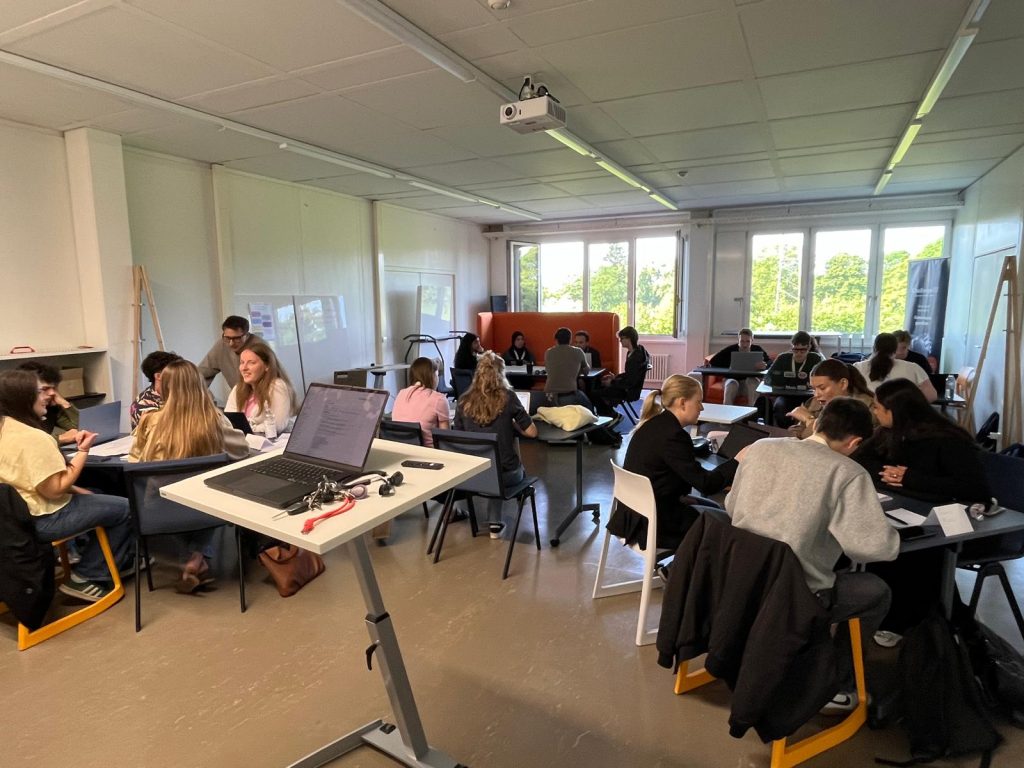
A recent joint hackathon connecting Mid Sweden University and Hochschule Offenburg showed what can happen when European cross-border collaboration meets open education, interdisciplinary learning and challenge-based innovation. Throughout an intensive week-long programme, students from both universities worked together to turn human-centred ideas into viable project concepts. Using machine learning and smart automation, they explored how digital tools can support creative problem-solving and respond to real-world needs. The hackathon brought together Business Administration students from Mid Sweden University and Media students from Hochschule Offenburg. This combination of different academic backgrounds encouraged a dynamic exchange of perspectives and created space for interdisciplinary collaboration. Students were able to combine business thinking, media expertise, technological solutions and creative approaches to innovation. The event also reflected the wider goals of European academic cooperation: building bridges between institutions, strengthening student engagement and creating learning environments that go beyond traditional classroom settings. By working in international teams, participants had the opportunity to develop not only project ideas, but also key skills such as communication, teamwork, intercultural understanding and entrepreneurial thinking. The programme was led by Prof. Dr Jürgen Seitz from Hochschule Offenburg, Dr Gözel Shakeri from the University of Strasbourg, Prof. Anna Sörensson from Mid Sweden University, and Annika Brand from Black Forest Innovation. Their expertise, insight and interactive approach supported students throughout the process and helped create an engaging environment for interdisciplinary learning and innovation. The hackathon proved to be a valuable example of how European universities can work together to support open education and challenge-based innovation, while giving students the opportunity to transform ideas into meaningful and future-oriented solutions.
ChallengeEU Joins Discussion on the Future of European Higher Education
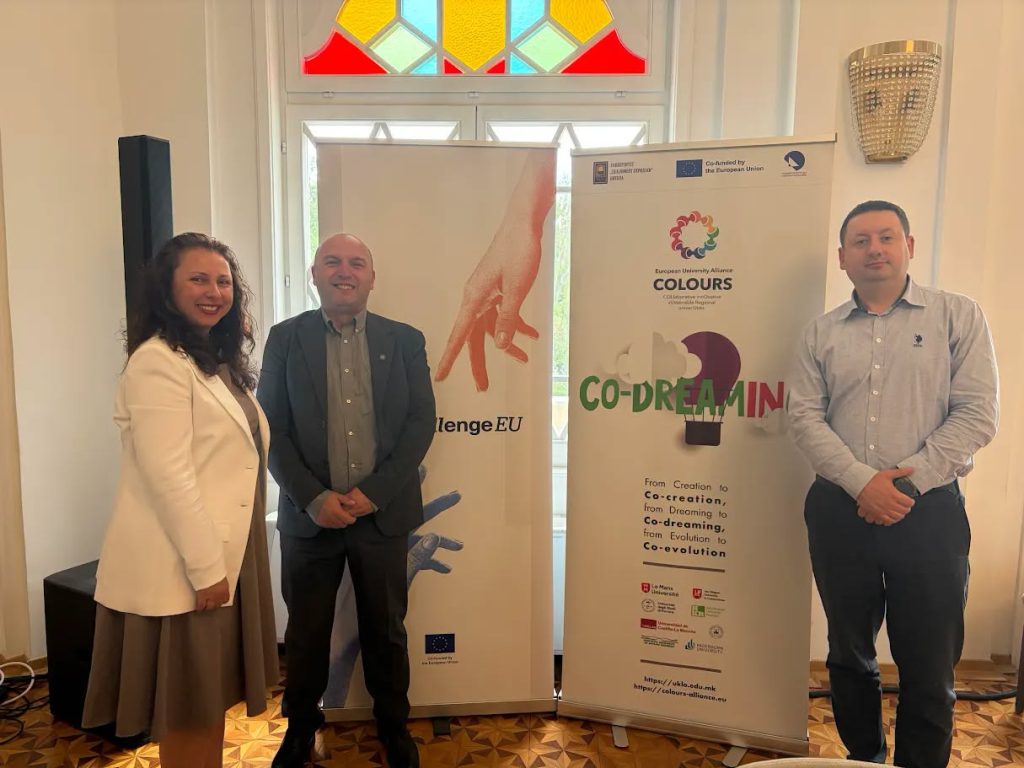
South East European University (SEEU) participated in the round table “Constructing the European University of the Future: Towards a Joint and European Degree”, organised by the COLOURS European University Alliance and hosted by St. Kliment Ohridski University – Bitola. The event brought together representatives of four European University Alliances, higher education institutions, ministries, and other stakeholders to discuss the future of European higher education, joint degrees, the European Degree, and cross-border academic cooperation. Representing SEEU and the ChallengeEU Alliance, Prof. Xhemal Zenuni, Dean of the Faculty of Contemporary Sciences and Technologies, contributed to the discussion by highlighting the importance of strengthening international academic cooperation and supporting the further alignment of higher education with European developments. The SEEU delegation also included Afrim Tresi, Head of the Project Coordination and Implementation Unit at the Max van der Stoel Institute and ChallengeEU Project Implementation Officer. He took part in discussions and networking activities with representatives of European university alliances, higher education institutions, and public authorities. Through its active involvement in the ChallengeEU Alliance, SEEU continues to contribute to initiatives that promote innovation, digital transformation, and closer integration within the European Higher Education Area.