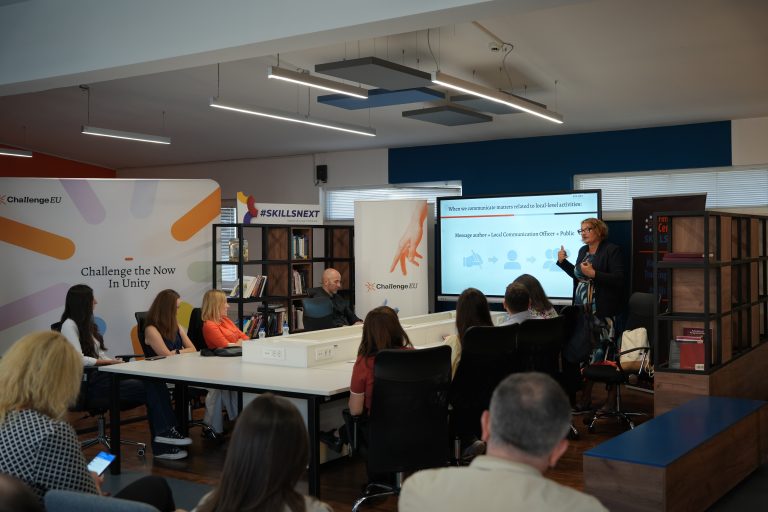
One Sound, Many Perspectives. ChallengeEU Art & Science Day at UWM
For some, sound is a physical phenomenon; for others, a medium of artistic expression. For most of us, it is simply part of everyday life. But how much do we really know about it? On 15 October, the first ChallengeEU Art & Science Day at the University of Warmia and Mazury in Olsztyn invited participants to explore sound from different perspectives, bringing science and art together.
Although we often long for silence, we actually find it difficult to endure. The evidence? Spending just a few dozen minutes in an anechoic chamber proved to be a highly uncomfortable experience for most people. They reported that, cut off from even the faintest sounds, they began to hear the noises made by their own bodies – from their beating hearts to the blood flowing through their veins. This caused considerable anxiety. But, of course, it is not just about the absence of silence. Sound is part of the natural world around us and a medium of artistic expression, while art, as we know, has the power to make our lives better.
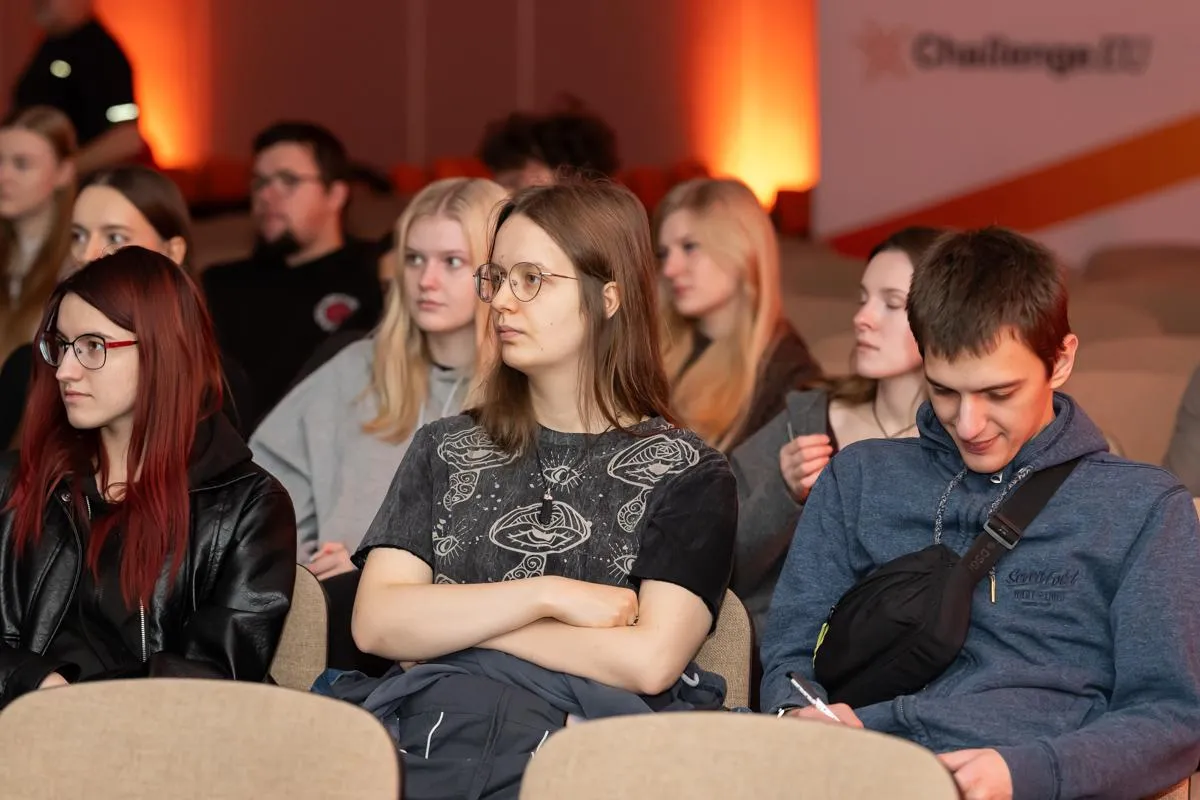
It was precisely these different perspectives on sound that were explored during the first edition of ChallengeEU Art & Science Day. The event was hosted by the University of Warmia and Mazury in Olsztyn and took place during Erasmus Days. Thanks to the live stream, members of the academic communities of all universities within the alliance were able to participate.
Science and art complement each other
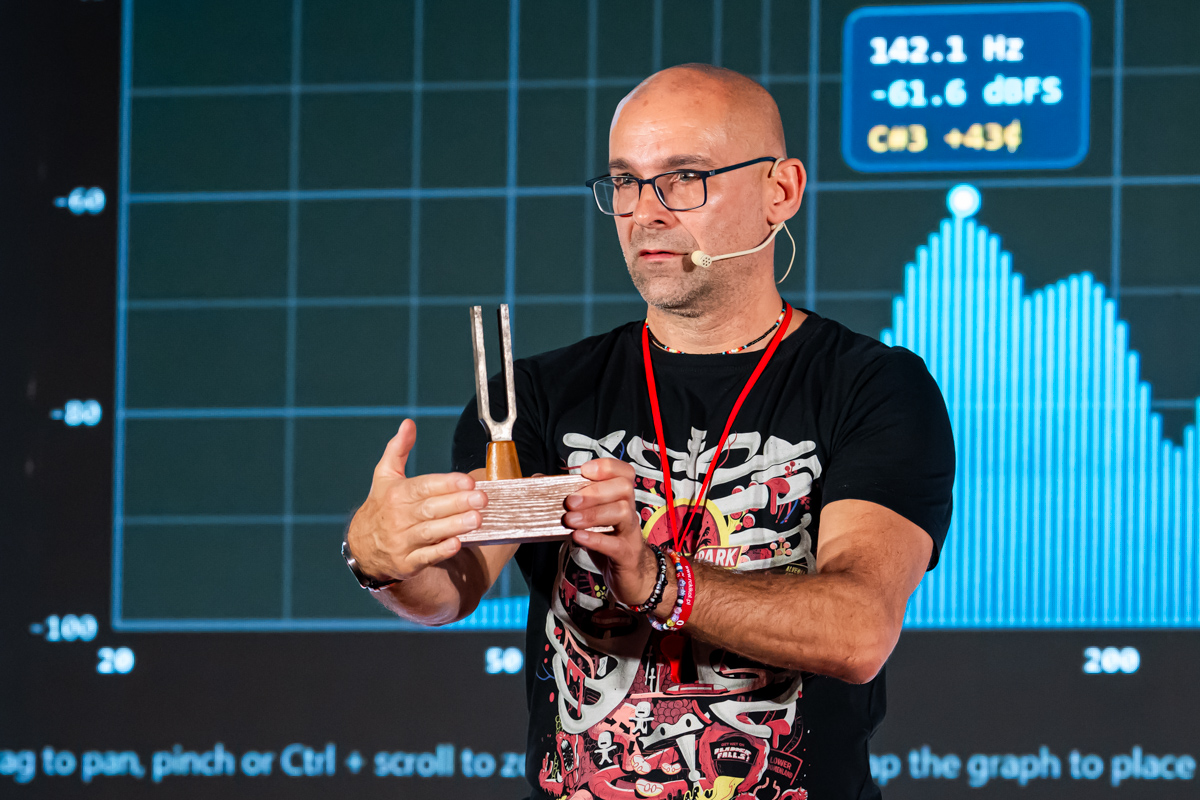
Sławomir Kulesza, Associate Professor at UWM, from the Faculty of Technical Sciences, invited us to look at sound from a physicist’s perspective.
“My presentation focused on some of the physical aspects of sound. I showed how sound is produced, how it travels, how it is reflected and how it can be absorbed by different materials,” he explained in an interview with Wiadomości Uniwersyteckie.
The researcher demonstrated several experiments that made some members of the audience realise just how fascinating physics can be. “This is more interesting than anything we were taught about it at school!” viewers wrote in the comments during the live stream.
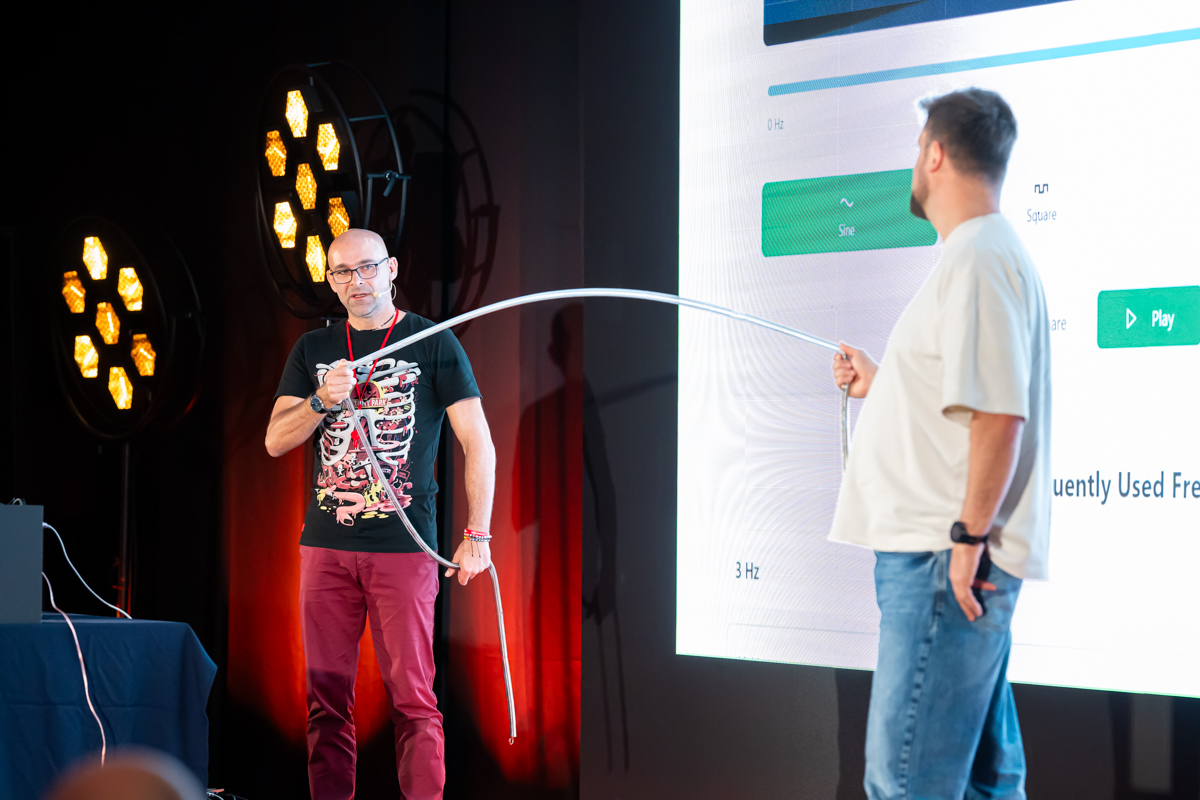
The second speaker was Marcin Piotrowicz, PhD, from the Faculty of Arts.
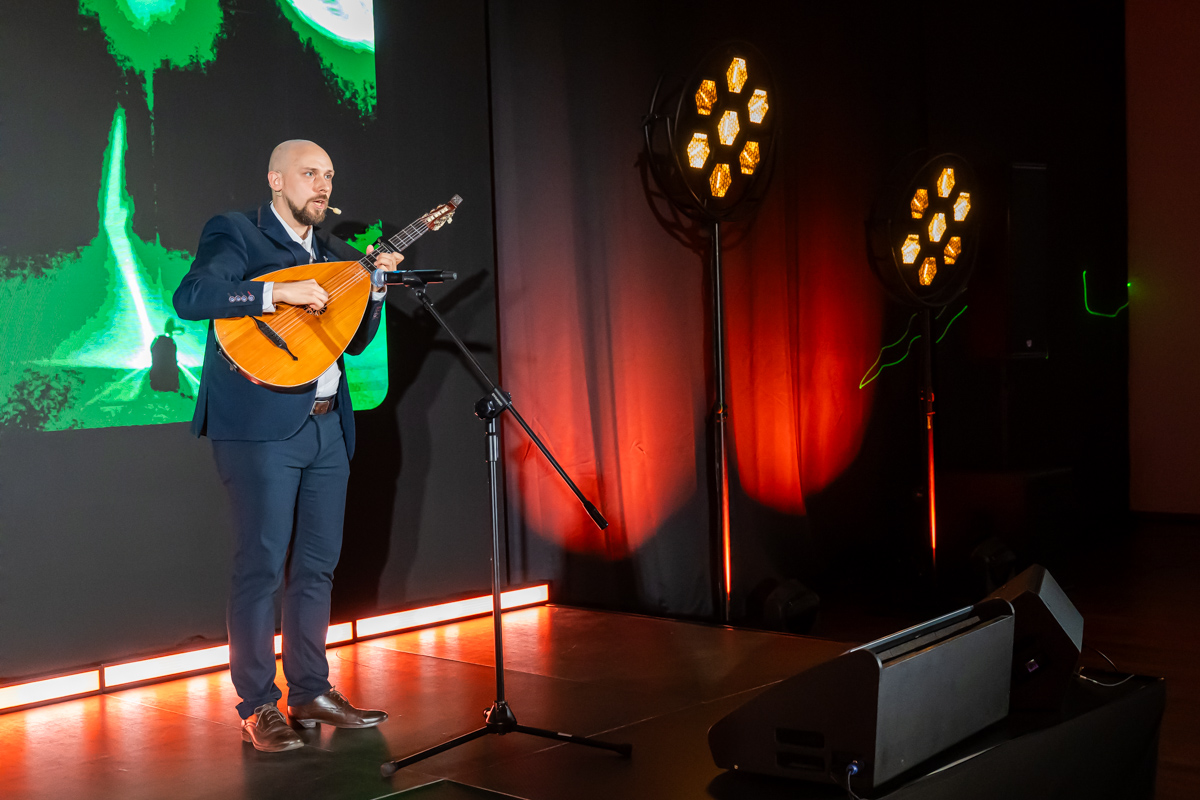
“My presentation focused on the visualisation of sound – from sound, through image, to printmaking and laser performance. I spoke about everything that underpins my work as a musician and as an artist involved in printmaking,” explained Dr Piotrowicz.
He also prepared a surprise: he sang a song while accompanying himself on a lute he had made by hand, and during his performance the audience could watch on screen how the image of sound was changing.
Participants in the event were also able to view an exhibition of the artist’s works.
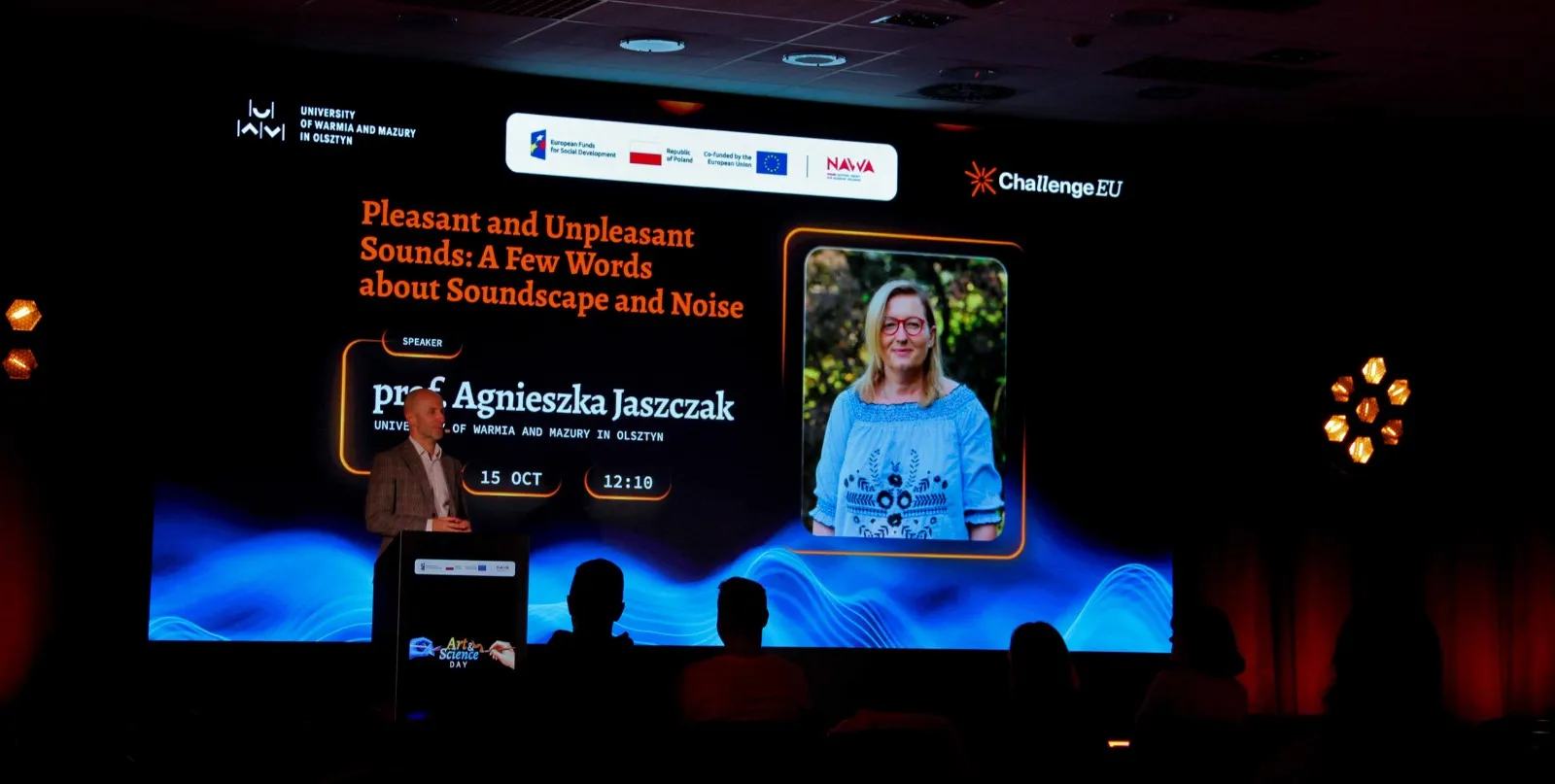
The third speaker in the series of open lectures streamed online was Agnieszka Jaszczak, Associate Professor at UWM, from the Faculty of Agriculture and Forestry. She reminded the audience that the sounds surrounding us in a given space influence how we perceive and experience it. She pointed out that exposure to noise (such as the hustle and bustle of a large city) can cause sleep problems, increase stress levels and even affect our metabolism and the brain’s cognitive functions. She also explained why certain sounds (such as flowing water and birdsong) have a positive effect on our wellbeing.
Art as a universal language
According to Dr Czesław Kiński, who not only moderated the open lectures but also led workshops for Art & Science Day participants, art can create a new, shared space for understanding.
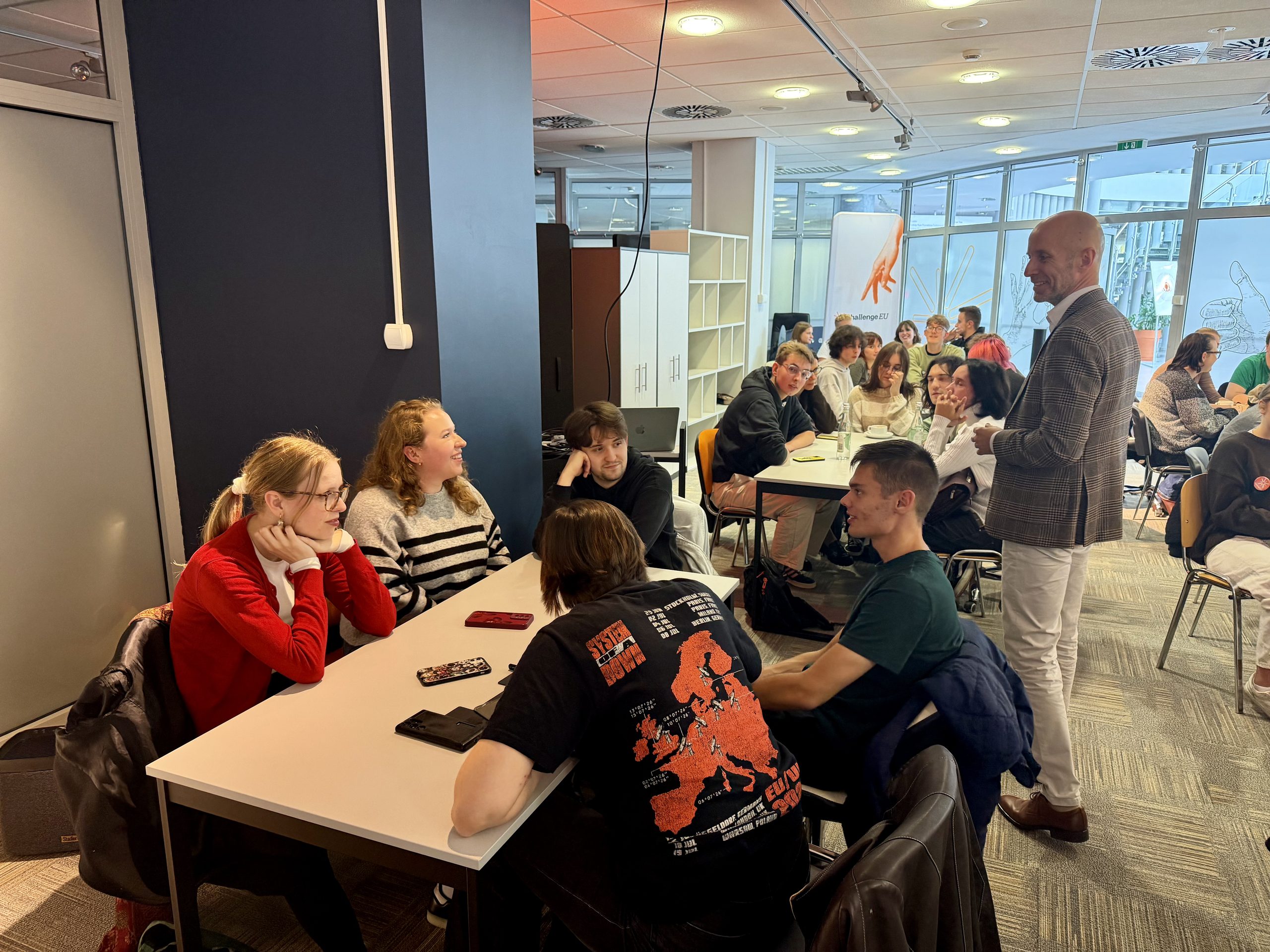
“Dr Czesław Kiński encouraged participants in the ‘Building Your Cultural Sixpack’ workshop to engage in discussion and look at art from a different perspective. We began by discussing five questions about culture, art and lifestyle, and then interpreted interpersonal relationships through well-known works of art and created stories inspired by music and images. We also talked about how our experiences influence our interpretation of art, why we choose particular works and what role music and art play in the curriculum,” said Bożena Sumara, a student at the Faculty of Humanities and a ChallengeEU Student Ambassador, describing the workshop.
An important part of the Art & Science Day programme was an event organised as part of the M.A.R.K.E.T. Activity (Multi-Actor Research & Knowledge Exchange Teams). Students visited the headquarters of Polyend to discover how a great passion can give rise to an equally great business idea. The visit also provided an opportunity for students to gain a better understanding of how a company operates.
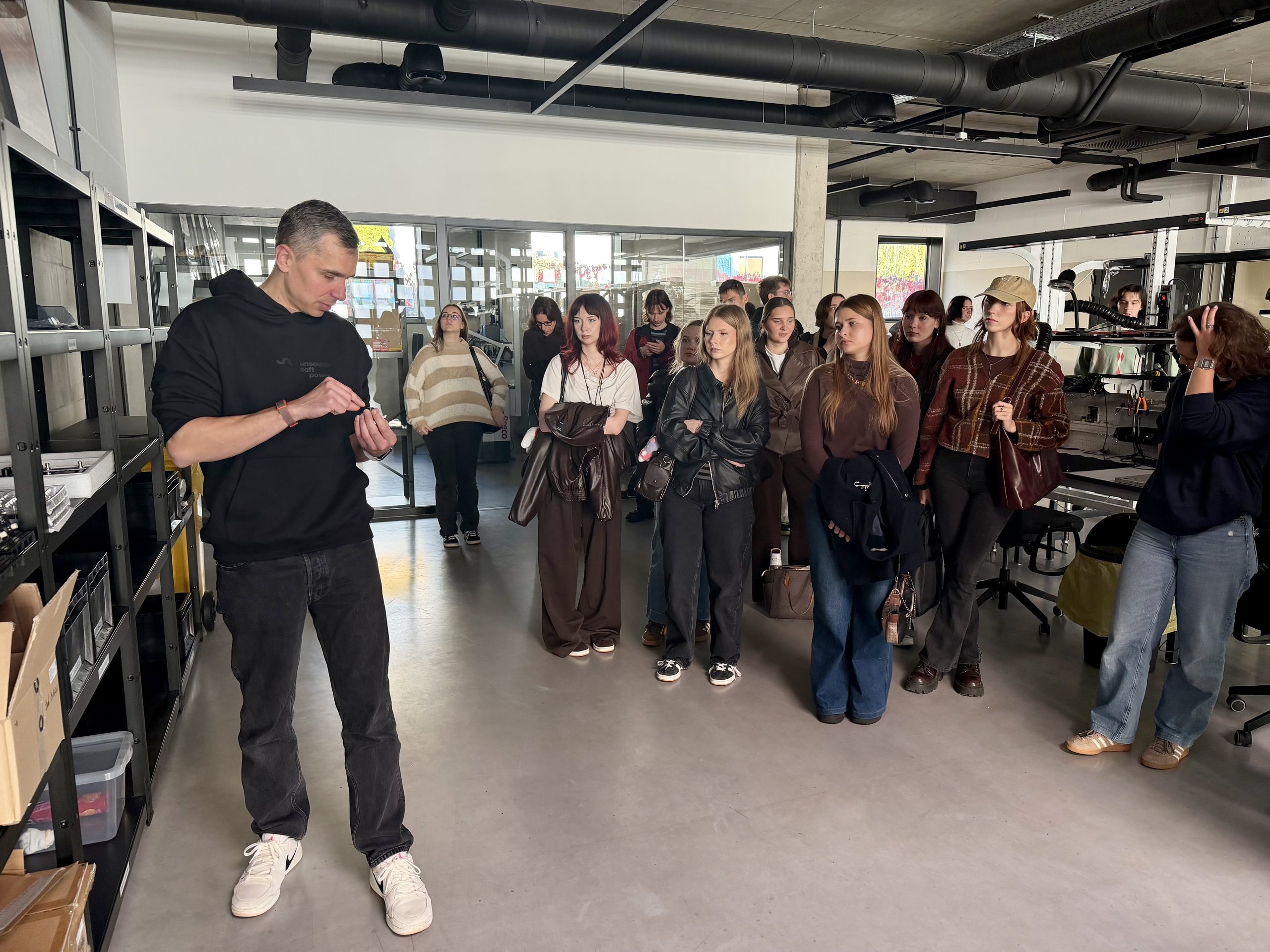
“At our company, we primarily create innovative devices for creative musicians. We try to identify niches and bring our own ideas to life – designing things that we would like to use ourselves and that reflect our interests,” explained Piotr Raczyński, the company’s founder, who has been passionate about music since childhood. “Over time, I started composing my own music, but only for myself. I followed the work of my favourite artists and took an interest in the equipment they used. I went to Frankfurt Musikmesse, a music trade fair in Frankfurt that is no longer held. That was a turning point. I thought to myself: this is my world, and I want to keep doing this!”
Devices manufactured in Olsztyn are used by many world-class musicians, including members of bands such as Coldplay, Radiohead and Nine Inch Nails. Equipment from Warmia was also used in the creation of music for the Oscar-winning film Joker.
Unity expressed through the language of art
An accompanying event to Art & Science Day was an exhibition of works selected in the In Unity. ChallengeEU Student Poster Competition. The jury consisted of Małgorzata Śpiewak (UWM), Christina Dosse (HSO) and Andrzej Sadowski (Panda Marketing).
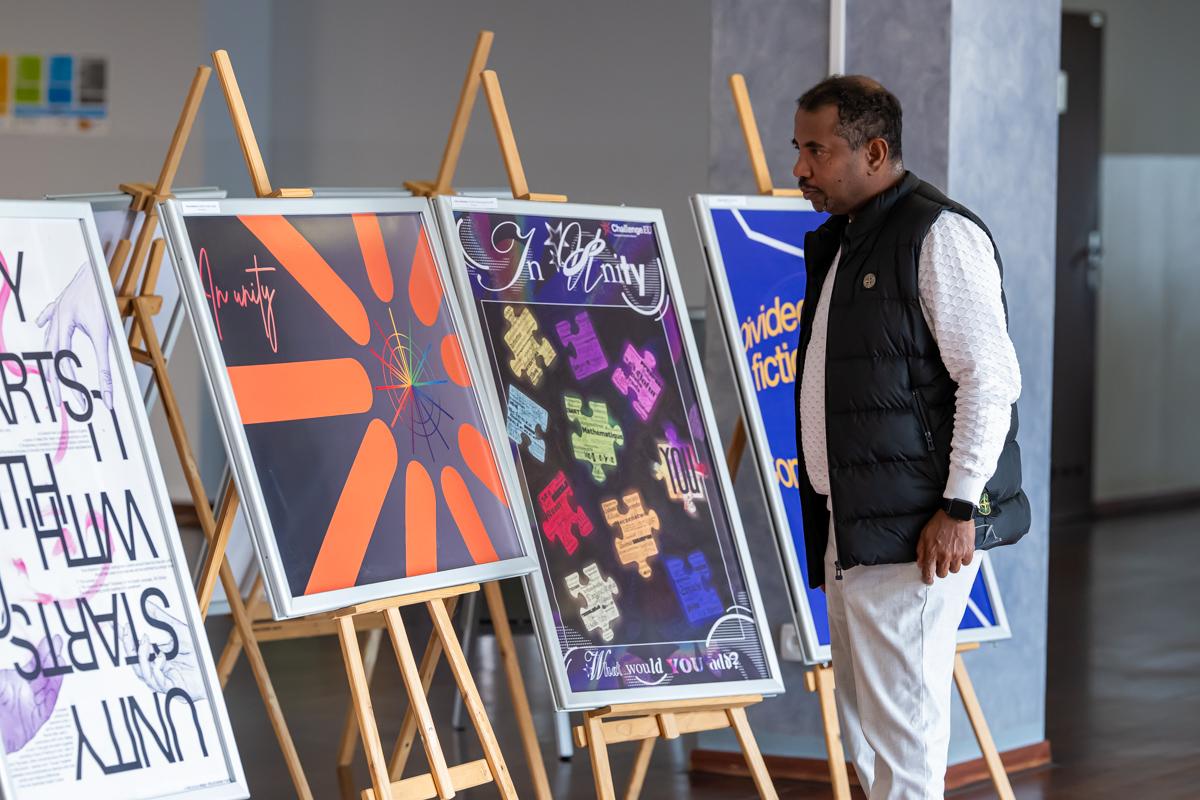
The authors of the best posters were Jessica Uhl from Hochschule Offenburg in Germany (Unity Starts With U), and Jasmin Koç (In Peace and Love) and Philip Kreschek (Beyond Borders), both students at FHNW in Switzerland.
The posters will remain on display at the University Library for some time and are also permanently available on the ChallengeEU website.
“‘Unity’, meaning togetherness and community – without this idea, we would not have been able to create a coherent brand identity for the ChallengeEU Alliance,” said Andrzej Sadowski, head of Panda Marketing, the company responsible for developing the Alliance’s visual identity. “I am very pleased that this theme is being further explored and continually reinterpreted by the next generation of graphic designers. Perhaps one day we will welcome some of them to our company – who knows?”
An event that brings people together
Dr Marta Śliwa, who leads the work package responsible for communication within the ChallengeEU Alliance, reminded participants that the event at UWM would not be the last of its kind.
“This is an event that will be held regularly, hosted by a different partner each time. We want to share the work our researchers are doing at the intersection of science and art,” she emphasised.
ChallengeEU Art & Science Day was an event supporting by project “Strengthening the International Position of the University of Warmia and Mazury through Support for Activities within the ChallengeEU European Universities Alliance” (Agreement No. BPI/WUE/2025/1/00015/U/00001), funded by the Polish National Agency for Academic Exchange from the European Funds for Social Development 2021–2027 (FERS) under the project “Support for European Universities Alliances”, No. FERS.01.05-IP.08-0219/23.


Daria
Contributor at ChallengeEU Alliance.
New Opportunities Ahead: UWM and HSO Sign Extended Programme Agreement
Read article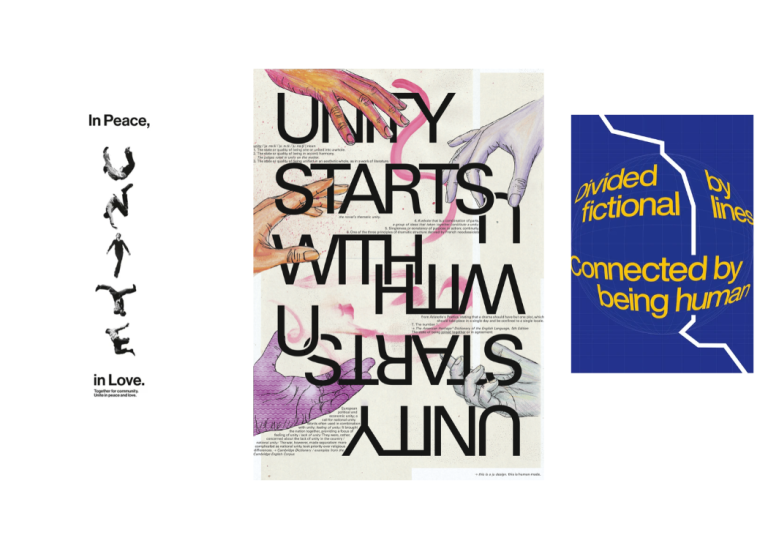
In Unity. Winners of the ChallengeEU Student Poster Competition
Read article