The ChallengeEU Alliance brings together nine universities from nine different countries. Members of our community are happy to share their cultures with one another – including the traditions that shape them. We invite you to explore a short guide to customs associated with the Christmas and New Year holiday season.
From candlelit processions and Christmas markets to family feasts, carols, and small acts of kindness, the weeks around the end of the year look a little different in every country – yet they share a common spirit of togetherness. Below, our partner universities take you on a festive journey through their local traditions, favourite flavours, and the unique ways their campuses celebrate the season.
Latvia: Candlelit Ziemassvētki, Nine Dishes and the Magic of Riga’s Christmas Market
Christmas in Latvia is a blend of Christian tradition and deep-rooted pagan customs that honour light, nature, and renewal. The season begins with Advent, when homes glow with candles and the aroma of piparkūkas – spiced gingerbread – fills the air. On December 24th, Ziemassvētki, families gather for a warm and peaceful celebration. Many still observe the old custom of eating nine symbolic dishes, believed to bring strength and luck, e.g. grey peas with bacon for prosperity.
The Christmas tree also has special significance here: Latvia is one of the first places in Europe where the decorated tree tradition was recorded, dating back to the 16th century. Instead of folk songs and ķekatas, many visitors today experience the festive atmosphere at the Riga Christmas Market, one of the most charming and celebrated markets in the world. Set in the heart of the Old Town, it glows with wooden stalls, handmade crafts, mulled wine, local delicacies, and traditional music. Tourists and locals gather around the towering Christmas tree in Doma Square, creating a warm, bustling contrast to the crisp winter air. Christmas in Latvia remains slow, candlelit, and deeply rooted in tradition – yet beautifully complemented by the magical charm of Riga’s world-famous market.
Latvia University of Life Sciences and Technologies has its own special Christmas traditions. One of the most elegant and anticipated events in the country is the Christmas Ball held in Jelgava Palace, bringing together students, staff, and guests for an evening of music, dancing, and rich historical atmosphere.
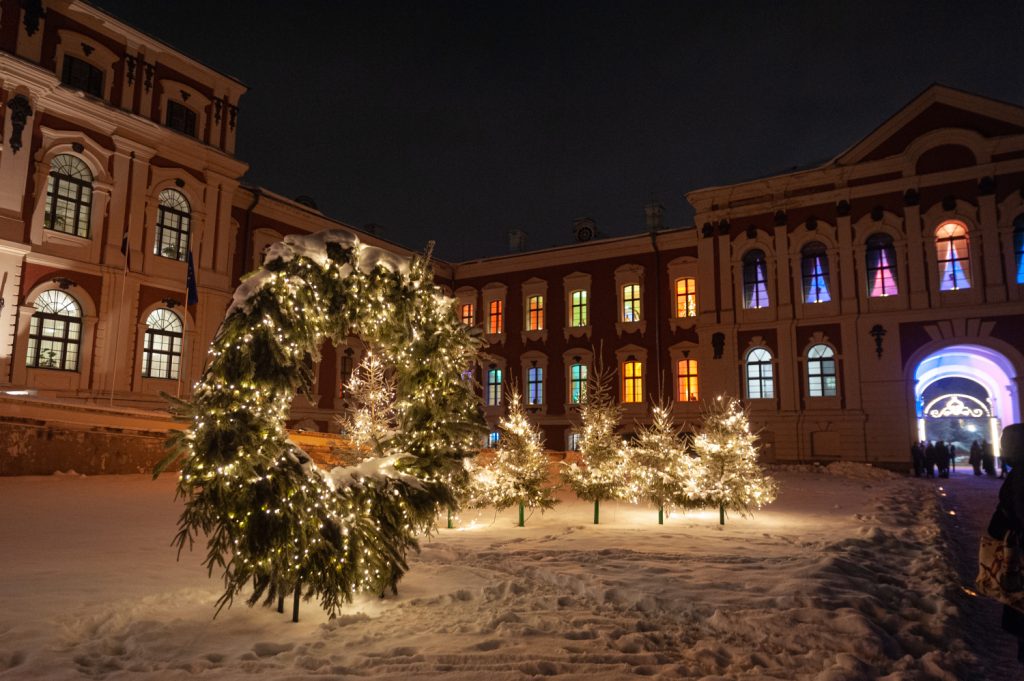
Each year, LBTU also hosts a Christmas market organized by students and university employees, offering handmade gifts, festive treats, and a warm sense of community. Another cherished tradition is the LBTU Winter Solstice greeting, which highlights the university’s connection to Latvian seasonal heritage.
Among the most significant traditions is the formal session of the LBTU Convent, a ceremonial gathering that reflects the university’s academic spirit and long–standing cultural identity.
Spain: Twelve Grapes, the Christmas Lottery and Three Kings
In Spain, Christmas celebrations are deeply rooted in tradition. Families and close friends gather on Christmas Eve and Christmas Day to share festive meals and joyful moments. New Year’s Eve is equally special: people flock to the main square of their city or village, holding twelve grapes to eat in rhythm with the twelve chimes of midnight. Finishing all twelve grapes before the last chime is believed to bring good luck in the year ahead.
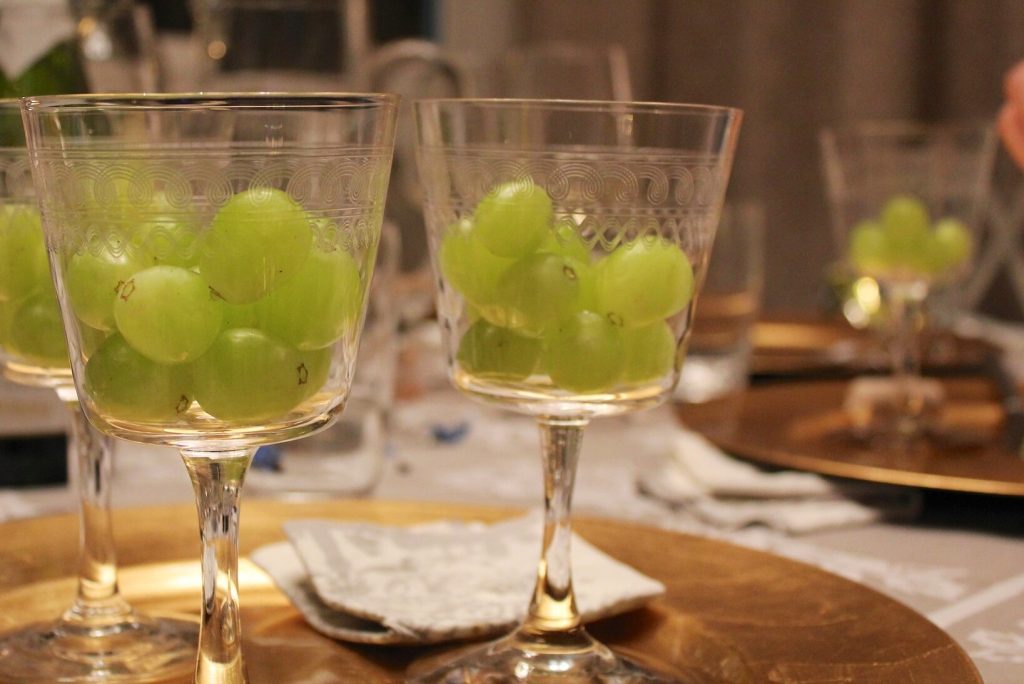
Another highlight of the season occurs on December 22, when the entire country tunes in to watch the National Christmas Lottery. Known as the largest lottery in the world, it boasts a prize pool of €2.7 billion, with more than 70% of Spaniards participating. Finally, on January 6, Spain celebrates the arrival of the Three Wise Kings. Traditionally, Spanish children receive their gifts from the Reyes Magos rather than from Father Christmas.
During the holidays, Christmas music echoes everywhere. Alongside global favorites like All I Want for Christmas Is You, traditional Spanish carols can be heard in Christmas markets, bustling streets, and department stores, adding a uniquely local charm to the festivities.
Christmas in Spain is also a feast for the senses. Families enjoy dishes such as turkey, seafood, and comforting meatball soup, accompanied by classic sweets like nougat and polvorones. On January 6, the celebration continues with the Roscón de Reyes, a special cake hiding a bean inside. Whoever finds it is crowned “King” for the day, adding a playful tradition to the holiday table.
At Universidad Europea de Valencia, the festive spirit fills every corner. Buildings are beautifully decorated with Christmas ornaments and a grand tree, creating a warm and joyful atmosphere. The university also partners with Fundación Mi Aportación to fulfill the wishes of underprivileged individuals who have written heartfelt letters. In addition, student clubs – ranging from sports to cultural groups – organize special activities to celebrate the season together.
North Macedonia: Holiday Songs, Flavours, Buzmi and Badnik Traditions
In North Macedonia, winter holidays are celebrated across communities through a mix of shared practices and distinct cultural traditions shaped by the country’s multiconfessional character. New Year’s Eve (31 December) is widely observed as a family celebration, marked by festive meals, visits, and gifts for children.
Among Albanians, the holiday season carries an additional cultural layer rooted in the ancient traditions of Buzmi and Kërshëndellat – pre-Christian solstice rituals symbolizing renewal and the rebirth of light. The burning of the buzmi log expresses hopes for prosperity and good fortune, while Kërshëndellat are understood as të këndellunit e ditës së re – the awakening of the new day. Macedonian families observe Badnik on 6 January and Orthodox Christmas on 7 January.
Across the country, all communities welcome the season with warm hospitality, family gatherings, and traditions that blend spiritual meaning with elements of older symbolism. Most families decorate Christmas trees as part of the New Year festivities. End-of-year celebrations also fill schools with laughter and excitement, as children present songs, dramas, and poems during festive concerts.
During the winter holidays in North Macedonia, music reflects the country’s cultural diversity. Among Albanians, children often sing “Drenushat vrapojnë” (“The Does Are Running”), a playful winter song – similar in melody to Jingle Bells – that is especially popular around New Year.
In some regions, a more traditional chant, “Po vjen Buzmi Bujar” (“The Generous Buzmi Is Coming”), is performed on the night of Buzmi. The song celebrates renewal, abundance, and the symbolic rebirth of light, accompanied by wishes for prosperity and good fortune.
Among Macedonians, koledarski pesni (Orthodox Christmas carols) are sung around Badnik (6 January) and Christmas (7 January), with children or choirs going door to door, offering blessings for health, happiness, and a fruitful year. Together, these musical traditions create a warm and lively holiday soundscape that blends ancient customs with modern festive melodies.
During the winter holidays, some dishes simply must appear on the table. Families across the country gather around traditional favourites such as: oven-roasted chicken or turkey (symbol of abundance), flija (prepared in some households as a festive specialty), pogacha (festive bread, often baked with a hidden coin for good luck), sarma e ftohtë / sarma (cabbage rolls filled with meat and rice), byrek / pite (with cheese, meat, spinach, potatoes, or mixed fillings), pechenka (roasted meat), tavche gravche (hearty baked beans),tavë me mish or tavë kosi (traditional baked lamb dishes).
At SEEU, the holiday season is a time for creativity, sustainability, and community. The Max Van Der Stoel Library invites students to join a special tradition: RECYCLE, REUSE, RENEW – make a decoration, take a book! Students can choose a book from the library and place a handmade decoration on the holiday tree, adding a personal touch while celebrating the spirit of giving and learning.
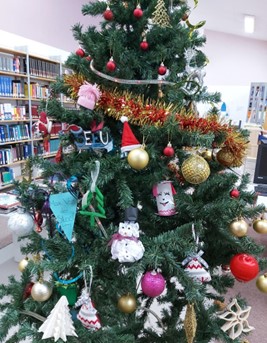
Adding to the festive atmosphere, every university unit decorates its own holiday tree, creating a joyful and colourful campus environment that celebrates both creativity and learning. South East European University also hosts its traditional end-of-year dinner, bringing staff together for an evening of music, joy, and togetherness.
Germany: Advent Markets, Christmas Eve Traditions and Stollen
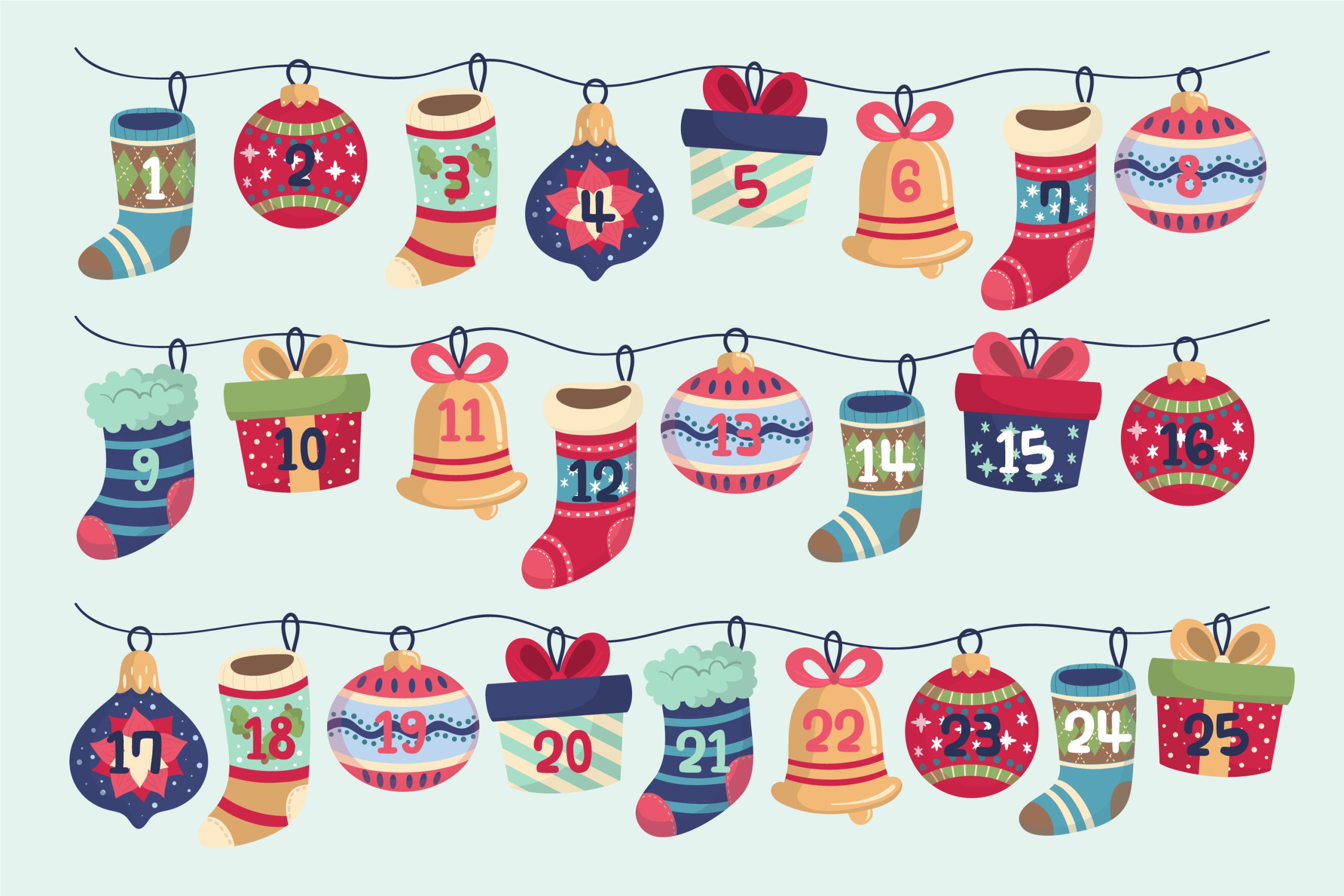
Germany has many rich and cozy Christmas traditions, many of which have influenced celebrations around the world. Some of the most important are Advent wreath (Adventskranz) a wreath with four candles; one is lit each Sunday before Christmas) and Advent calendar (Adventskalender).
The holiday season kicks off with Advent wreaths, homemade cookies, and bustling Christmas markets (one of which the Alliance’s student ambassadors had the chance to visit during their stay in Offenburg in early December). People enjoy mulled wine (Glühwein), roasted chestnuts, gingerbread, and handmade crafts. Most of the famous markets (in Nuremberg, Munich, Cologne and Dresden) open in late November.
The main celebration takes place on 24 December and is usually spent at home with family. Gift-giving happens on Christmas Eve, followed by a cosy dinner and plenty of relaxed holiday vibes.
Classics songs like “Silent Night” and “O Christmas Tree” are heard everywhere, from the radio to Christmas markets. At the same time, “Last Christmas” inevitably plays on repeat – there’s no escaping it! Modern German holiday pop songs happily join the mix.
Holiday dishes vary by region, but many families serve sausages with potato salad or a traditional roast goose. Sweet treats like Stollen or gingerbread are must-haves and instantly set the festive mood.
HSO is hosting a cheerful staff Christmas celebration with mulled wine, a faux fireplace, and plenty of festive spirit. This year, professors and staff will provide live musical moments, turning the gathering into something even cosier than the (digitally crackling) fire.
France: Festive Feasts, “Petit Papa Noël” and Bûche de Noël
In France, the holiday season is mainly celebrated around Christmas and New Year. Families usually gather for long festive meals with traditional food like seafood, turkey, and chocolate desserts such as bûche de Noël. Cities and villages are decorated with Christmas lights and markets, and many people exchange gifts on Christmas Eve or Christmas morning. The celebrations continue until New Year’s Eve, which is often marked by parties, fireworks, and spending time with friends and family.
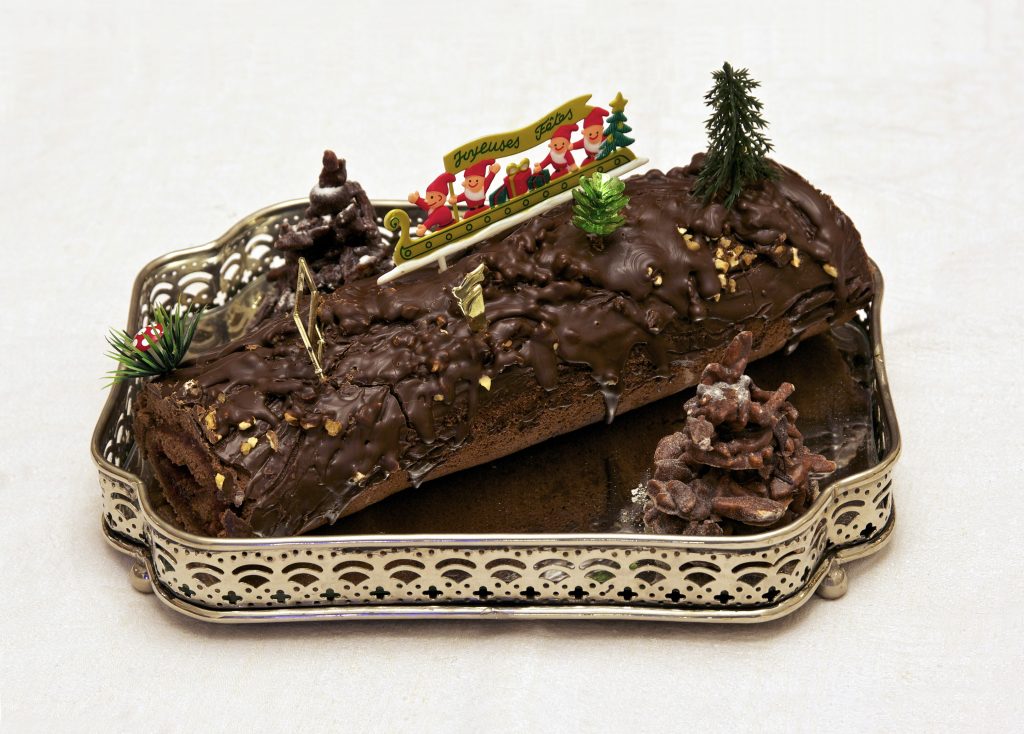
Christmas Eve is celebrated with a long, festive late-night dinner after church. Many families attend Midnight Mass (la messe de minuit). Christmas Day is a family day focused on relaxing, eating leftovers, and spending time together.
In Provence (one of the France’s region), nativity scenes include santons – hand-painted clay figures representing villagers (bakers, shepherds, fishermen) alongside biblical figures. Families often add new santons each year. Families serve 13 desserts, symbolizing Jesus and the 12 apostles. Typical desserts include dried fruits, nuts, nougat, dates, and pastries.
In France, traditional Christmas songs like “Petit Papa Noël”, “Vive le vent”, “Mon beau sapin”, and “Douce nuit” are very popular during the holidays. You’ll also hear international hits like “Last Christmas”, “All I Want for Christmas Is You”, and “Jingle Bell Rock” in shops and on the radio and TV – especially in supermarkets.
At ECAM LaSalle, the main building on the Lyon campus is decorated throughout December by the engineering students’ association, with Christmas trees, an inflatable Father Christmas, stockings, candy canes, and more. The school is closed during the two-week holiday break. Every year, staff and students gather before the Christmas holidays for a convivial evening called La Bûche d’ECAM LaSalle.
Portugal: Around-the-Table Christmas, Community Volunteering and Regional Flavours
In Portugal, festivities center on Christmas Eve (24 December) and Christmas Day (25), followed by New Year’s Eve (31 December) and Epiphany/Three Kings (6 January). It’s mainly a family, around‑the‑table celebration; many exchange gifts at midnight on the 24th or on the morning of the 25th, and those who are religious often attend Missa do Galo (Midnight Mass).
Christmas is celebrated at the table: there’s plenty of food, the fireplace is lit, and if someone says there’s no room left, people living in Portugal simply add another chair – because there’s always space for one more plate and one more hug.
That same spirit extends to volunteering: parishes, IPSS, local groups, and universities host community dinners on 24–25 December, prepare and distribute meals, and assemble Christmas hampers. Support ranges from cooking and serving, food and toy drives, and delivering winter kits, to visiting isolated older adults and coordinating donations – so no one is left out, neither from the plate nor from the heart.
In Portugal, you’ll hear Christmas hymns in churches (such as “Ó Vinde, Fiéis” [Adeste Fideles] and “Noite Feliz” [Silent Night]) and the long‑standing traditions of Janeiras and Reis singing in early January, with local groups going door to door through the parish. Many regions have their own repertoire – “Reisadas” in Trás‑os‑Montes and the Beiras, “Modas ao Menino” in the Alentejo (in cante alentejano style), and in Madeira the lively Missa do Parto celebrations with folias and songs to the Christ Child. On the popular side, school and children’s choirs sing “A Todos um Bom Natal,” and radio stations play Portuguese versions of international standards, rather than one single “Last Christmas‑style” hit, it’s that choral, community feel that truly defines the season.
Portugal’s Christmas table is as diverse as its regions – bacalhau is the national classic, but each area adds its own festive favourites. In the North, Christmas Eve often features bacalhau and octopus, followed by roast kid or lamb, plus sweets like rabanadas, filhós and Bolo-Rei/Bolo-Rainha. In the Centre, families pair bacalhau with roast kid or leitão da Bairrada, alongside pão de ló and arroz doce. Around Lisbon, traditions stay close to the national norm (bacalhau on the 24th; turkey or roast kid on the 25th, with convent-style sweets). Alentejo adds açorda de bacalhau and migas; the Algarve is known for turkey and almond-and-fig sweets; Madeira highlights carne de vinha d’alhos, bolo de mel and poncha; and the Azores bring in alcatra, massa sovada and crisp fritters like coscorões.
This year marks the Universidade Europeia community’s first Christmas on the new campus, and that sense of discovery is part of the celebration. Beyond the university, the parish hosts a daily Christmas train – a family-friendly ride through the neighbourhood – so residents and visitors can take in the lights and local spirit. On campus, the Vice-Rectorate for Student Life is curating a welcoming line-up of seasonal activities and community gatherings, with special attention to international students staying in Portugal over the holidays. Next week, the university will host a different Christmas activity every day, offering plenty of low-barrier opportunities to connect, share traditions, and feel at home – even when home is far away.
Sweden: “Tänd ett ljus”, Julmust and Lucia
Christmas in Sweden (Jul) blends cozy family customs with unique national traditions.
In Sweden the preparations are also quite important. Families light one candle each Sunday before Christmas (four total). Paper star lamps glow in windows across the country. And people like walking around the Christmas markets (julmarknader) renowned by crafts, mulled wine and treats.
In Sweden on 24 December, the whole family usually comes together for a big dinner and gifts are exchanged in the evening. This day “Kalle Anka” (Donald Duck Christmas special) airs at 3 PM, watched by millions every year since the 1960s.
The most popular Swedish Christmas song is “Tänd ett ljus” (“Light a Candle”). Triad wrote this song in 1987, and it still enjoys enormous popularity among Swedes. The outro includes Christmas and New Year’s greetings in different languages. The song is sung a capella with finger-snapping in the background. The theme of “Tänd ett ljus” is that Christmas will light a candle as a symbol of hope for a better world. It has become a Christmas classic in Sweden, and is often included in Christmas music collections.
In Sweden, the festive season wouldn’t feel complete without julmust (“Christmas must”), a spiced soft drink made with ingredients like hops and malt. A fun twist: the very same drink returns at Easter under a different name: påskmust. A traditional Christmas buffet including: meatballs (köttbullar), Christmas ham (julskinka), pickled herring (sill), gravlax (cured salmon), Janssons frestelse (potato, onion, anchovy casserole), rice porridge (risgrynsgröt), often with one hidden almond – whoever finds it is said to marry next year.
In Sweden there are also some famous decoration: Straw Christmas goats (julbock), an old pagan symbol. The famous Gävle Goat is erected each year—and often (illegally) burned down.
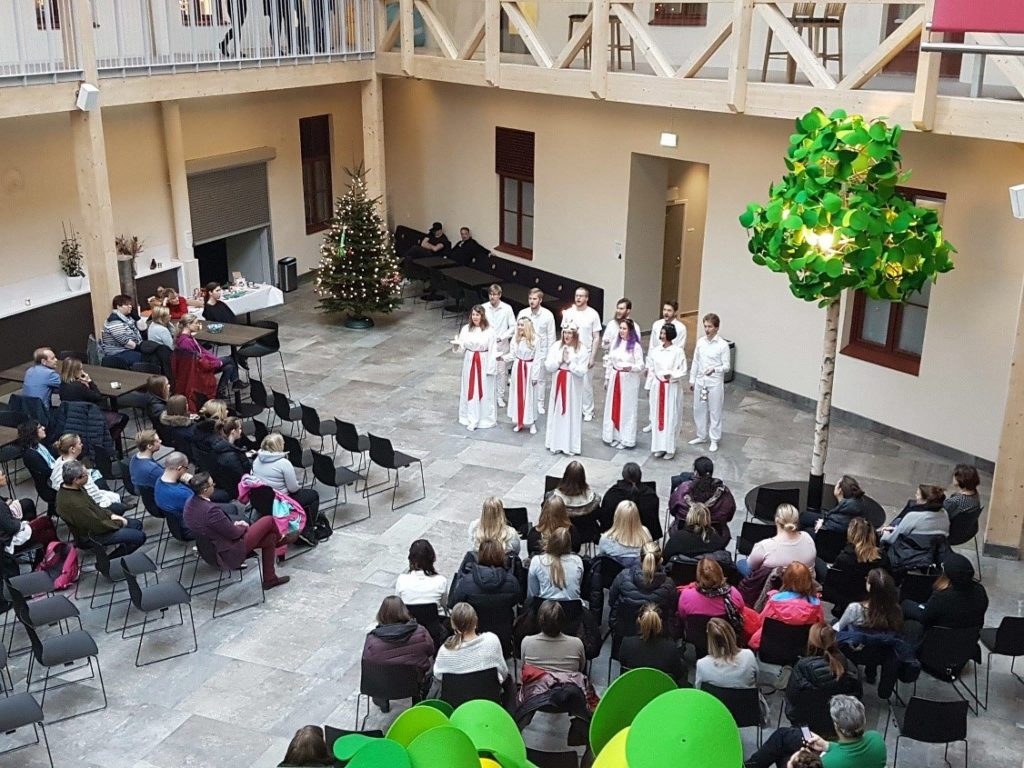
Lucia is celebrated at Mid Sweden University’s campus every year on 13 December. It is one of Sweden’s most important traditions. Processions of white-clad Lucias and their followers bear candles and sing songs. Saffron buns and mulled wine (glögg) are also part of the celebration. Lucia is a centuries-old figure symbolising light in Sweden’s dark winter season. By tradition, she wears “light in her hair” (now most often a wreath topped with electric candles) while her attendants also carry candles as part of the procession.
Switzerland: mixed of cultures, raclette and winter activities
Switzerland’s Christmas traditions blend German, French, and Italian influences, with a strong focus on family, winter atmosphere, and regional customs.
During the Advent homes and towns are decorated with lights, stars, and Advent wreaths. Advent calendars are popular, especially for children. Many towns set up festive Christmas markets, especially in Zurich, Basel, Bern and Montreux.
Gift-givers depend on the region: Christkind in German-speaking areas), Père Noël in French-speaking areas and Babbo Natale in Italian-speaking areas.
On Christmas Eve (December 24) families gather for a festive dinner. Some people attend midnight church services. Gift-giving usually happens on Christmas Eve.
Traditional Christmas food includes: Fondue Chinoise or raclette is very popular for Christmas meals. Other dishes may include roasted meats, sausages, and potatoes. There are also Christmas cookies such as Zimtsterne, Brunsli (chocolate almond cookies) and Anisbrötli.
Christmas carols are sung in different languages depending on the region (German, French, Italian). Some villages have Advent concerts or bell-ringing traditions.
During the Christmas time the Swiss like spend time outside which is deeply rooted in sport’s spirit of the country. At St. Stephen’s Day, December 26, people visiting relatives, going for winter walks, or relaxing. More over, skiing, sledding, and snowy walks are a big part of the holiday season in alpine regions.
Poland: Wigilia Traditions, Twelve Dishes and Carols
In Poland, the heart of the holiday season is Wigilia – Christmas Eve (24 December). Families gather in the evening for a long, symbolic meal, traditionally beginning when the first star appears in the sky. Before dinner, people share the opłatek (a thin Christmas wafer), exchanging wishes and often reconciling after any disagreements. Many homes keep an extra place at the table for an unexpected guest, a gesture of hospitality and remembrance.
The Wigilia table is usually meat-free and features twelve dishes, such as barszcz with uszka (beetroot borscht with small mushroom dumplings), pierogi (filled dumplings), carp, herring (herring), kapusta z grzybami (braised sauerkraut with mushrooms), makowiec (poppy seed roll / poppy seed cake) or kutia (sweet wheat-and-poppy-seed pudding, often with honey and dried fruit; in some regions). After dinner, families sing kolędy (traditional carols), open gifts (often placed under the Christmas tree), and many attend Pasterka – the Midnight Mass. Christmas Day (25 December) is calmer and more reflective, focused on family time and festive meals, with celebrations continuing through 26 December (a public holiday in Poland).
During the holiday season in Poland, people listen to carols and pastoral songs. Poles have in their repertoire both Polish versions of the best-known classics – such as “Cicha noc”, the Polish version of “Silent Night” – as well as home-grown songs, including ones written in local dialects.
On radio stations, popular music hits dominate at this time of year, and Polish Christmas favourites include “Dzień jeden w roku” by Czerwone Gitary and “Z kopyta kulig rwie” by Skaldowie. Poles also know international hits very well, so they happily hum along to “Last Christmas” and “All I Want for Christmas Is You.” Every year, cinemas also screen Christmas-themed films, especially romantic comedies.
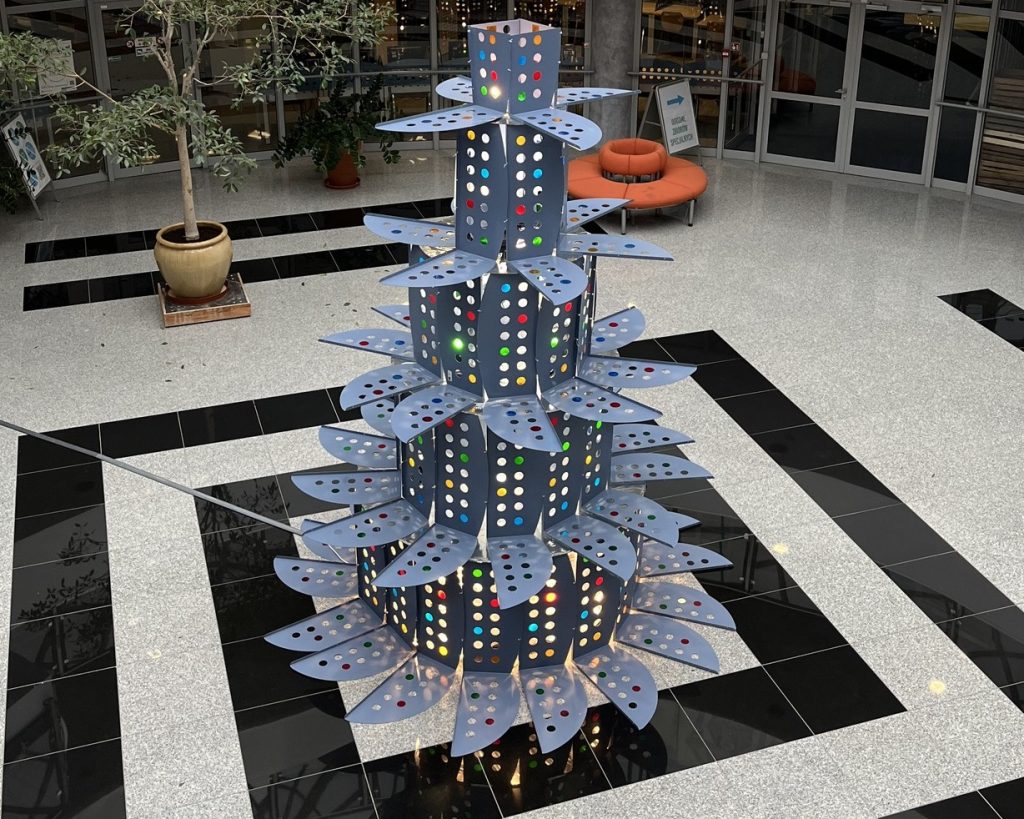
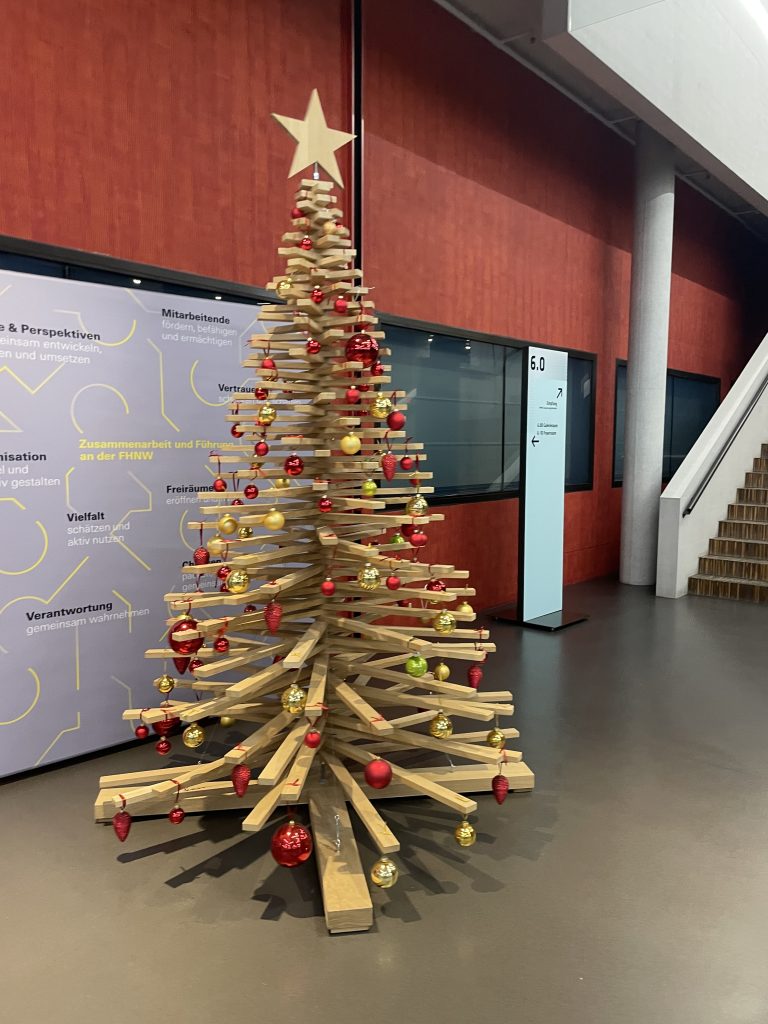
The University of Warmia and Mazury in Olsztyn also has its own traditions. Festive decorations can be found all around the campus, but for more than a decade a particularly special Christmas tree has appeared in the University Library. Each year, it is made from different, unusual objects. This time, it features metal elements that once served to separate desks in the reading rooms. In previous years, the Christmas tree has also been built from CDs, old computers, rolls of printed newspapers, plastic bottles, and many other surprising materials.
In addition, the student council organises an annual charity initiative called “Kortowski Mikołaj” (“Kortowo Santa”), which supports a person in need from the academic community. UWM’s cultural groups prepare the concert “Kultura pod choinkę” (“Culture under the Christmas Tree”), and the Rector’s Office invites retired professors to a Christmas Eve gathering.