Regional Promotion and Regenerative Tourism. ChallengeEU Students Join an International Programme at UWM
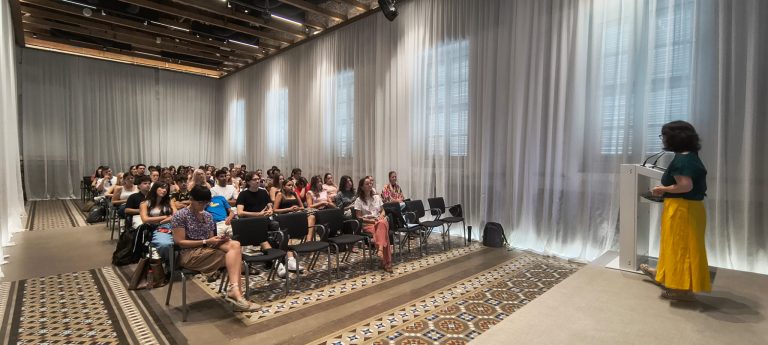
Students from ChallengeEU Alliance universities in Spain, Portugal, Germany, North Macedonia, Latvia and Poland came to the University of Warmia and Mazury to learn how to promote a region by treating its spaces, resources and local ecosystems as interdependent elements of a single system. From 21 to 25 September, UWM hosted the NAWA Short-Term Mobility Blended Intensive Programme (BIP) “Regional Promotion and Development.”
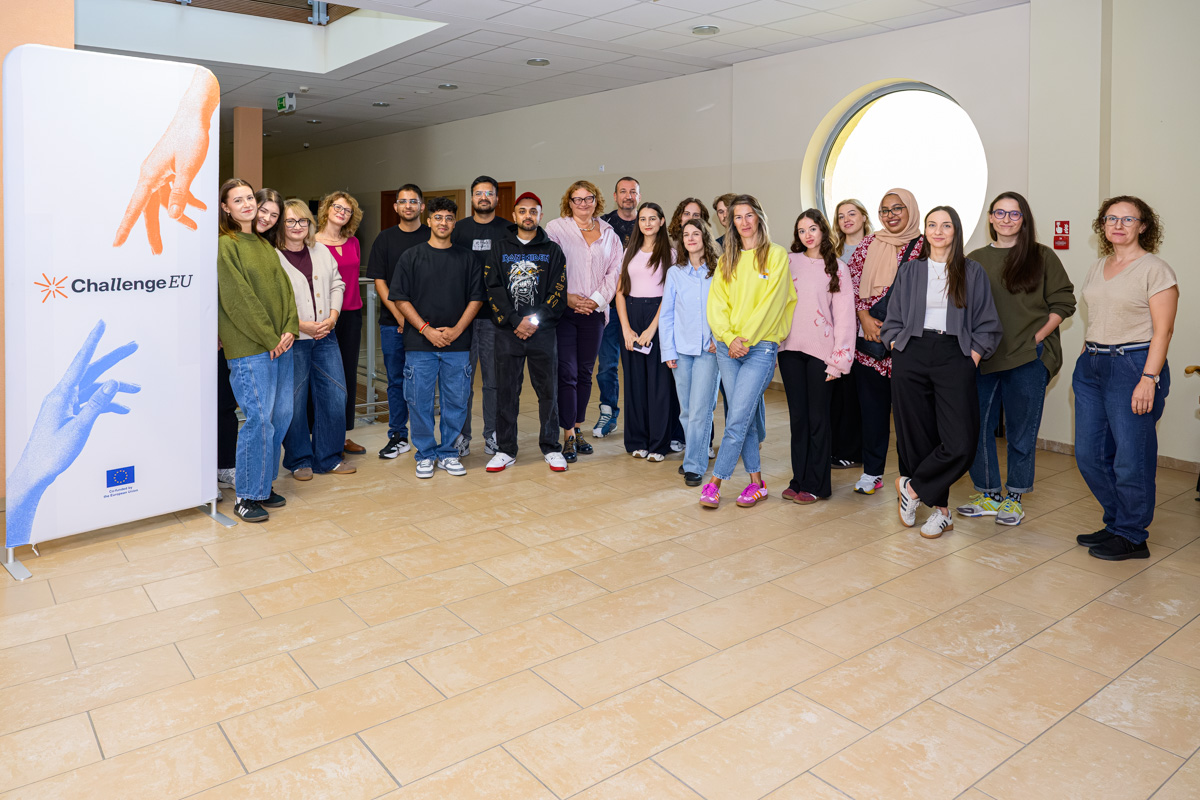
Students from the following universities took part in the BIP “Regional Promotion and Development”: Universidad Europea de Valencia (Spain), Universidade Europeia (Portugal), Hochschule Offenburg (Germany), South East European University (North Macedonia), Latvia University of Life Sciences and Technologies (Latvia), and the University of Warmia and Mazury in Olsztyn (Poland).
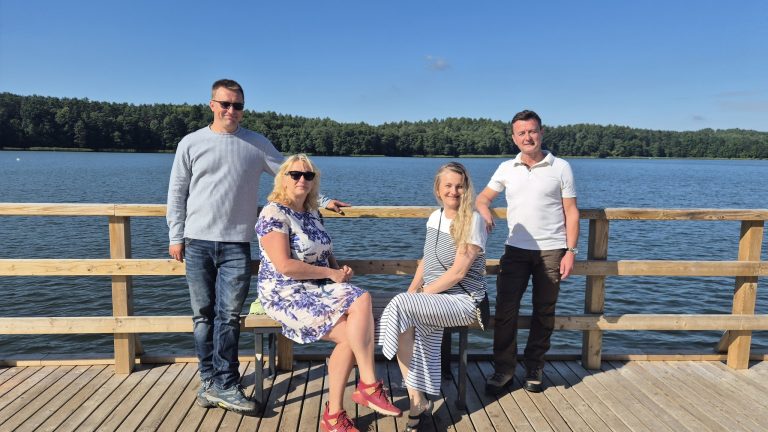
“The participants got to know our partner, Kwaśne Jabłko in Włodowo, as well as the local producers who cooperate with it. They learned how regional communities can organise themselves to promote local businesses, while also expanding their knowledge of regenerative tourism. This type of tourism is focused not only on generating income and providing experiences for tourists, but also on strengthening, connecting and integrating communities and preserving the unique qualities of the local environment,” explained Dr Barbara Sapała from the Faculty of Humanities, the programme coordinator.
The on-site sessions were preceded by online lectures introducing the students to the Challenge-Based Learning methodology and regenerative tourism. The lectures were also delivered by academics from Universidad Europea de Valencia and Universidad Europeia. The programme also concluded with an online session, during which the partners from Włodowo will share their reflections. This is particularly significant, because the projects created by the students have the potential to be used as promotional tools.
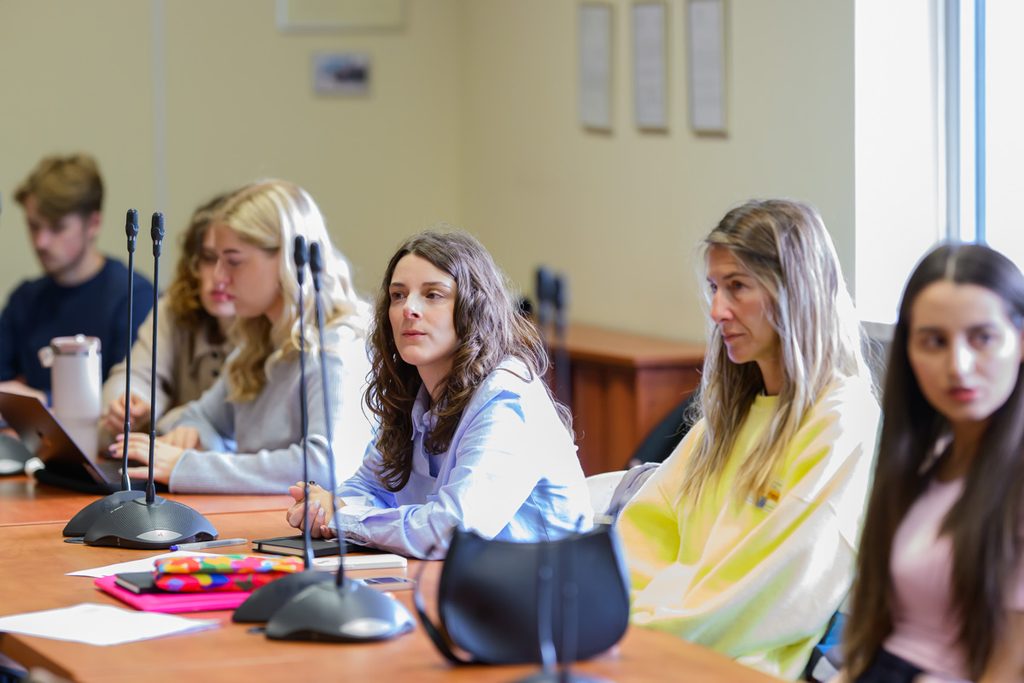
Students who took part in the NAWA Short-Term Mobility BIP “Regional Promotion and Development” highlighted many advantages of this type of mobility. They most often mentioned the diversity of content offered by the course and the opportunity to learn in an international group.
“When I received the email confirming that I had been accepted onto the programme, I was very happy because I had never taken part in anything like this before. I really like the fact that we work in an international group of people who study or have studied very different subjects, so we learn not only from the lecturers but also from one another. I enjoyed the regenerative design workshops, as well as the sessions on video production and storytelling. For me, any kind of journalism-related activity is completely new, but I really enjoy it – who knows, maybe I will give it a try in the future. The lecturers explained everything in a very clear and engaging way,” said Rukaya from Hochschule Offenburg.
Atharva, also from the German university, highlighted the tourism-related activities.
“I studied renewable energy engineering, and when I saw the topic of this programme, I found it very interesting. I met some fantastic people here, and we had a wonderful tour of Olsztyn with a great guide who explained every detail about the things we saw in the city. I also had a great time kayaking – I have to mention that my team finished first (laughs),” said Atharva.
For Michał, an economics student at UWM, the regional aspect of the programme was particularly important.
“We talked about regional development, and unfortunately, the region does not currently receive as much attention as it deserves, because it is really attractive – full of forests, lakes and beautiful landscapes. I hope that thanks to the solutions we worked on, more people will come here and experience for themselves how much Warmia and Mazury have to offer,” Michał added.
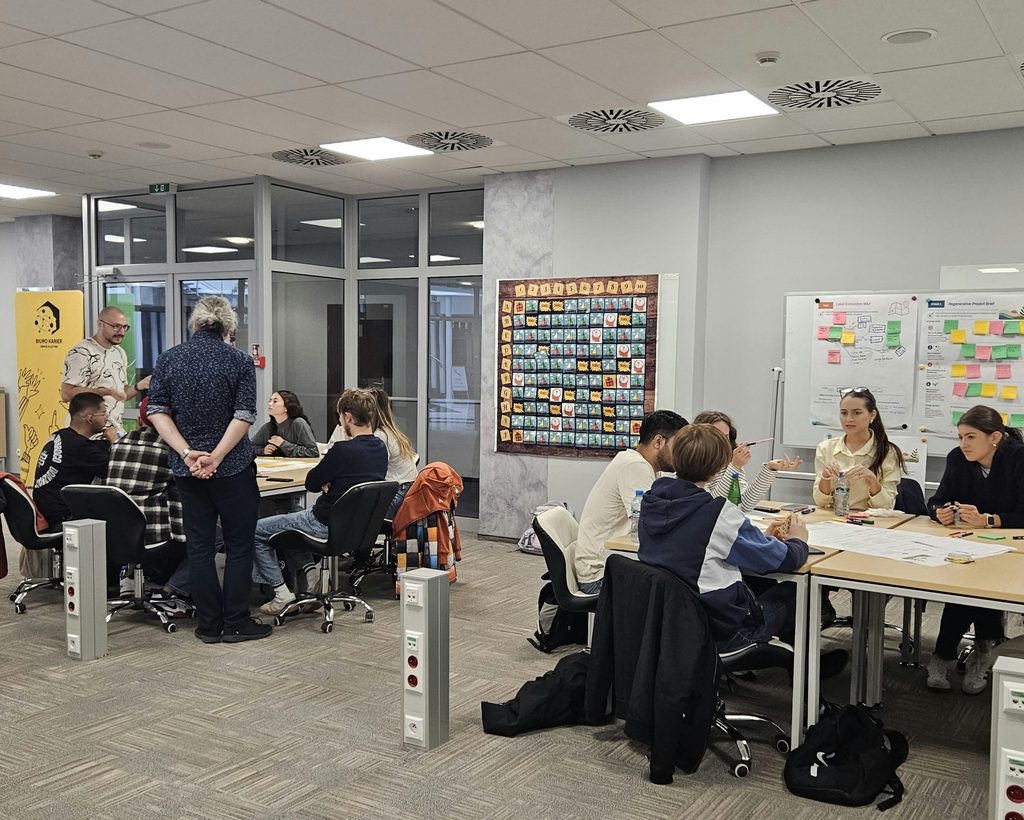
Dr Barbara Sapała encourages students to take part in BIP programmes.
“It is worth taking part in programmes like this because they allow you to broaden your knowledge beyond your specific field of study. We learn in a very practical way: theory is just an introduction, and then we put it into practice by looking for specific solutions that can actually be implemented. The international exchange that participants experience as part of such a programme is also very important,” added the programme coordinator.
Photos by Janusz Pająk and organisers

Marta
Contributor at ChallengeEU Alliance.
ChallengeEU M.A.R.K.E.T. Activity Focuses on Tourism in Utiel-Requena
Read article
UWM and ECAM LaSalle Explore Joint Educational Initiatives
Read article