MIUN: The Tourism Program Attracts Students From All Over the World
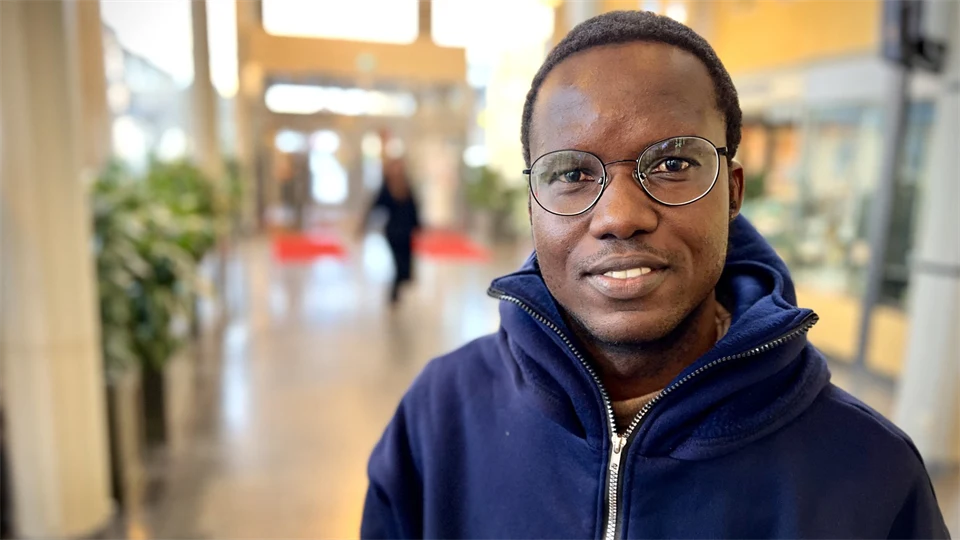
This year, the Master’s programme in Tourism Studies at Mid Sweden University in Östersund has students from all continents.
FHNW: Printing Comfort: The New Tech Behind Next-Gen Shoe Insoles
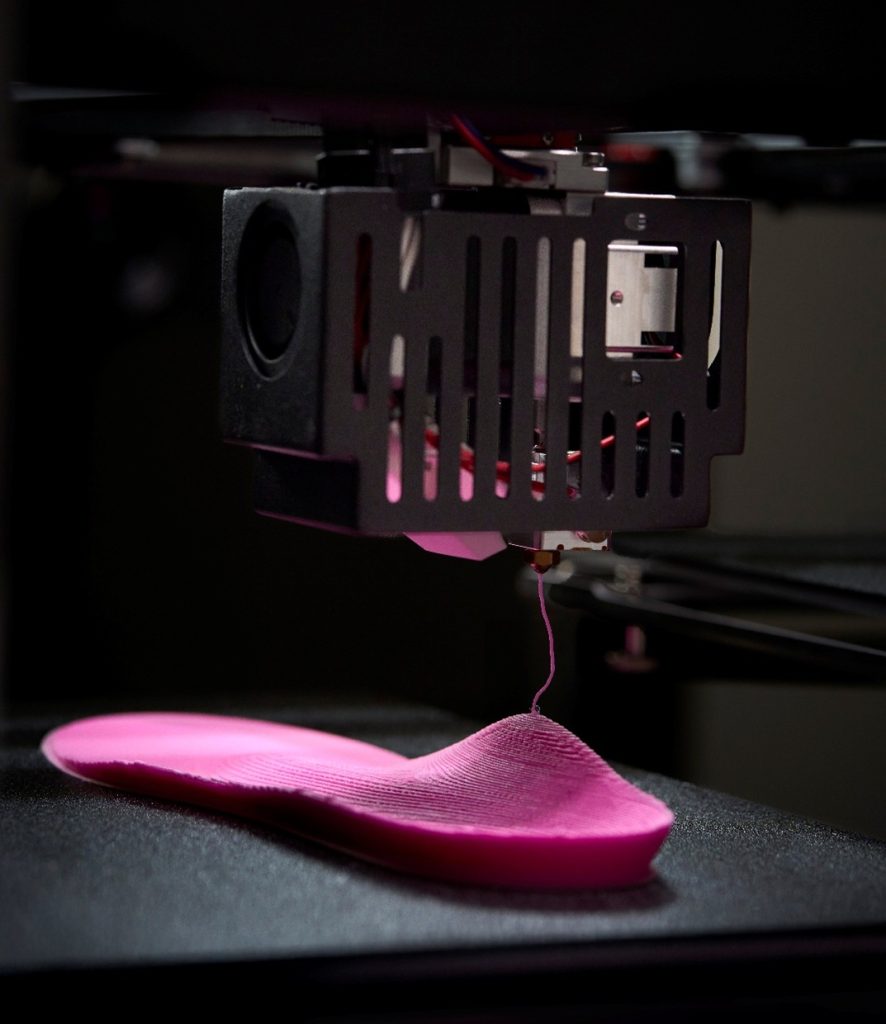
Shoe insoles can significantly reduce strain. Two FHNW schools are developing innovative materials and manufacturing processes. A new 3D-printing technology is transforming how custom shoe insoles are made. At orthopaedic footwear company Orthopodo Malgaroli, a printer rapidly builds a tailored insole from soft, multi-hardness filaments – ideal for a diabetes patient with reduced foot sensitivity. By precisely relieving pressure on vulnerable areas, the insole helps prevent unnoticed injuries and improves comfort. This innovation is the result of close collaboration between the FHNW School of Life Sciences, the FHNW School of Engineering and Environment , Orthopodo Malgaroli, and funding partners including ChallengeEU associated partner Hightech Zentrum Aargauand Innosuisse, the Swiss Innovation Agency. Until now, producing insoles with varying hardness required complex CNC milling, which was noisy, wasteful and labour-intensive. The FHNW team developed new print heads and an automated tool-changing system that enables the printer to combine different material hardnesses in a single insole. At the FHNW School of Engineering and Environment, researchers created sustainable, medically safe filaments made from castor beans: antibacterial, skin-friendly and recyclable. “The shift to automated insole design and 3D printing is a major paradigm change,” says Daniel Seiler, Head of the Medical Additive Manufacturing Lab. These precisely manufactured insoles aren’t just for people with diabetes. Under the brand moxxis, custom 3D-printed insoles can now be produced within an hour even in sports shops preventive, making personalised foot support accessible to everyone. Link: Auf diese Technik kann man stehen | FHNW
ChallengeEU Mentoring Programme – Rules
REGULATIONS OF THE MENTORING PROGRAMME OF THE ChallengeEU UNIVERSITIES These Regulations define the principles, conditions, and rules of participation in the ChallengeEU Mentoring Programme, implemented as part of the ChallengeEU Alliance cooperation framework. The Programme is coordinated by the University of Warmia and Mazury in Olsztyn (UWM) within Work Package 5, “Openness, Diversity, Equity and Inclusion”. DefinitionsUnless the content of the Regulations of the Mentoring Programme of the ChallengeEU universities (hereinafter referred to as the ‘Regulations’) states otherwise, the following terms shall have the meaning assigned to them below: §1 The Programme assumes cooperation and the transfer of possessed knowledge and professional experience by professionally active persons (Mentors) to students of ChallengeEU universities (Mentees). The program aims to provide support to students who may face systemic barriers or belong to groups underrepresented in their field of study. Eligibility and selection will be guided by this equity and inclusion principle. The Programme fosters gender equality, diversity, and inclusion by ensuring equal access to mentoring for individuals of different genders, abilities, socio-economic backgrounds, ethnicities, and nationalities. It actively promotes mentoring relationships that empower underrepresented groups to pursue academic, professional, and personal growth. §2 The aim of the Programme is to implement inclusive mentoring at the Alliance ChallengeEU as a tool empowering student, aimed at developing their potential and cross-cultural competencies, supporting their strengths, and increasing self-improvement skills. The above, in accordance with the intended goal, will increase the self-confidence, motivation for development, and awareness of students in making informed educational and career path choices. Furthermore, they will acquire knowledge directly from professionally active individuals with established knowledge and experience, which will be an inspiration for development in specific areas. Through individual mentoring relationships, participants gain access to knowledge, networks, and opportunities that may otherwise remain inaccessible. Additionally, the goal of the Programme is to create a community of ChallengeEU universities graduates who will be connected to the university through the Programme and other activities undertaken to support students in their professional development. Mentoring within the Programme may include, but is not limited to, the following areas of development: §3 The Programme is continuous, with recruitment for subsequent editions announced cyclically by the Work Package 5 (Open Diversity, Equity and Inclusion) coordinated by UWM. Each mentoring process is planned for a maximum of 6 months (min. 5 individual meetings), unless the Participants decide otherwise and it is justified by the effective achievement of the Programme’s goals. The Programme’s primary format is individual mentoring sessions between Mentor and Mentee. The implementation of additional forms is also permitted, e.g., meetings of several mentoring pairs, group workshops and/or training. The number of Participants and the form of implementation of additional activities will be determined by the Coordinator in consultation with the Participants. The Programme will be carried out on the premises of ChallengeEU universities or in other locations agreed upon in advance between the Organizer and the Participants. The working language of the Programme is English. However, where both the Mentor and the Mentee represent the same national university and agree to conduct meetings in the national language, mentoring sessions may be held in that language. In all cross-national pairs, English shall serve as the communication and reporting language. §4 Participation in the Programme is voluntary and free of charge for all Participants. In return, mentors receive a range of exclusive benefits, such as professional development at a European level, opportunities for international networking, a platform to influence higher education standards through role modelling, and membership within the international ChallengeEU university community. §5 The Organizer shall be responsible for: The responsibilities of the Mentor include: The responsibilities of the Mentee include: §5a Code of Ethics for Mentoring Participants All Participants of the ChallengeEU Mentoring Programme agree to act in accordance with the following ethical principles, which form the foundation of safe, inclusive, and development-oriented cooperation: Violation of these ethical principles may result in exclusion from the Programme. §6 – dedicating time to one’s own development and that of others; – participation in an organizational meeting and mandatory virtual training for Mentors on a date set by the Organizer; – participation in meetings with the Mentee (min. 5 meetings); – participation in a summary meeting; Please note: All meetings can be held virtually, and there are no costs associated with participation.c. willingness to share skills, knowledge, and experience;d. awareness of one’s own strengths and weaknesses in the area of soft skills and expert knowledge;e. ability to listen and provide constructive feedback;f. authenticity, honesty, sincerity, openness to other points of view, empathy;g. acceptance by the Organizer of the proposed forms and scope of issues for implementation during mentoring;h. consent to present the Mentor’s profile via publication in ChallengeEU’s promotional channels; – dedicating time to one’s own development; – participation in an organizational meeting for Mentees; – participation in meetings with the Mentor (min. 5 meetings); – participation in a summary meeting; Please note: All meetings can be held virtually, and there are no costs associated with participation.c. desire for development and possessing high personal motivation;d. readiness to work on one’s career path, including: discovering new opportunities, acquiring skills, and gaining knowledge. The mentoring program prioritizes students from groups underrepresented in certain fields of studies or universities. This includes, but is not limited to, female students in STEM, students with disabilities, racial/ethnic minority students, and international students. §7 §8 §9Personal Data Protection §10 FINAL PROVISIONS
ChallengeEU Mentoring Programme
Connect with supportive professionals across Europe and grow your confidence, skills and career vision— through mentoring rooted in diversity, equity and inclusion.
Team Sweaty wins silver medal in China
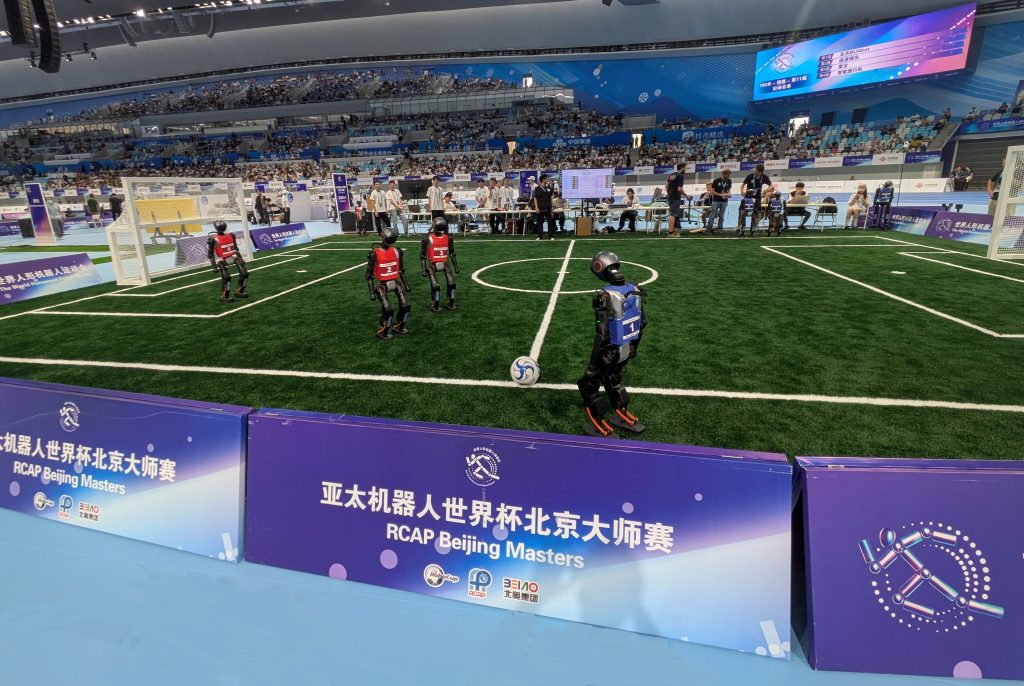
At the World Humanoid Robot Games in Beijing, before a crowd of 10,000 spectators, the HSO robot soccer team only had to concede in the final, losing by a narrow margin. Thirty teams from around the world competed in two contests, with their robots playing completely autonomously during the games, without any human interference. Team Sweaty is the HSO’s humanoid robotics group. Both students and faculty have been developing the soccer-playing robot and successfully participating in in international tournaments for many years now.
A supply of knowledge and inspiration for the entire year

As every year, the University of Warmia and Mazury in Olsztyn has prepared a rich program of workshops, lectures, demonstrations, and other events proving that science is a great adventure and that there is an artist in all of us. The Olsztyn Science and Art Days began on September 25th and lasted three days. As every year, the University of Warmia and Mazury in Olsztyn has prepared a rich programme of workshops, lectures, demonstrations and other events showing that science is a great adventure and that there is an artist in all of us. The Olsztyn Days of Science and Art began on 25 September and lasted three days. For over 20 years, the arrival of crowds of young people in Kortowo (university campus) has been the surest sign that the Olsztyn Days of Science and Art are about to begin. This year was no different: on Thursday morning (25 September), the UWM campus was already hosting numerous groups of pre-schoolers as well as primary and secondary school students from Olsztyn and other towns in the region. Workshops: learning at your fingertips Representatives from the Faculty of Agriculture and Forestry, among others, invited participants into their classrooms, offering workshops where attendees learned how landscape architects choose colours, where they draw inspiration, and how they apply this knowledge when designing green spaces. During other workshops (‘Let’s Protect Our Weeds’), participants discovered that plants we usually uproot, ignore or eradicate can be guardians of biodiversity, natural habitats for insects and… inspiration for artists and scientists. Meanwhile, faculty from the Department of Chemistry argued that ‘Every acid has its base’, and offered a series of colourful experiments and demonstrations. On Friday, the Faculty of Animal Bioengineering, specifically the Department of Animal Genetics, hosted a workshop for students aged 16 and over entitled “Discover the Secrets Written in Your Genes”, during which participants had the opportunity to carry out a genetic test themselves. “We use a simplified genetic-material isolation procedure, similar to the one used when registering for the bone-marrow donor database. Participants scrape epithelial cells with a brush, transfer the collected material to a test tube with a special liquid, heat it for ten minutes, and in this way obtain genetic material for simple single- or double-gene tests. Secondary-school students take part in the workshops, so, unlike university students, they do not, for example, have to prepare reagent mixes; these are ready for them. They simply insert the material into the device, which performs the analysis automatically,’ explains Dr Kamil Oleński, who co-led the workshop. Dr hab. Paweł Brym, a professor at the University of Warmia and Mazury, adds: “Students take two types of tests, and behind each lie two “secrets”: one is colloquially called “Can you be infected with HIV?” and the other is “Do you have the gene for addiction?” As you might imagine, students’ reactions vary depending on the results [laughter].” Both lecturers assured the group that the results were kept confidential, so each participant could decide whether to share them with their peers. The Department of Beekeeping at the University highlighted how important and beneficial pollinators are. During the workshop ‘People for Bees – Bees for People, or Life Sweetened with Honey’, participants learned about the structure and organisation of a bee colony, observed worker bees at work and saw a queen bee. There were also hands-on activities: everyone could make their own beeswax candle and bake honey gingerbread biscuits. The organisers also planned a sweet tasting, with honey available for anyone interested. The Food Science Department also served up something sweet, with sessions on the secrets of chocolate, among other topics. During the workshops, young explorers saw how chocolate is made from cocoa beans. They also had the chance to make their own chocolates and decorate them as they wished. Scientists from the Faculty of Biology and Biotechnology discussed how to support the body, deliciously and effectively, in combating excessive oxidative stress. At the same faculty, participants also learned about brain function and the dangers of microplastics. The Faculty of Technical Sciences provided a true feast for science and technology enthusiasts. There were demonstrations of 3D printing, as well as experiments with electricity and chemical reactions. The workshop, titled ‘Idea Factory’, was led by Karolina Łabanowska, a graduate of two programmes at the Faculty of Technical Sciences, currently pursuing a third (logistics engineering) and a PhD candidate. Participants were immersed in the world of modern manufacturing technologies, learning how 3D printing works using FDM and SLA technologies, how precise laser engraving can be, and how three-dimensional forms can be created using a 3D pen. “We painted the engraved details with acrylic paints and coated the printed pendants with varnish. The children were very intrigued and said it was the best workshop they’d ever attended,” said Karolina Łabanowska. The Faculty of Economics encouraged young entrepreneurs to build their own company. Participants were tasked with devising a product, logo, name and mission, and pitching the idea to the group. There are no good ideas without a well-tuned brain. Representatives from the Faculty of Social Sciences had participants put theirs through a workout. While tackling the tasks, the children learned about the properties of the brain and how to take care of their ‘command centre’. On Thursday morning, the Faculty of Humanities offered, among other things, a lecture on Jan Kasprowicz’s “Dies irae”, while the Foreign Languages Centre invited students to learn about the superheroes of Antiquity. The Faculty of Veterinary Medicine invited anyone fascinated by the world of pharmacy to a session in the pharmacy. Workshop participants had the opportunity to make their own moisturising vitamin ointments and to familiarise themselves with pharmacy equipment used to prepare suppositories, emulsions, suspensions, solutions and prescription powders. Representatives from the Faculty of Law and Administration invited participants to take a closer look at crime. During forensic-science workshops, attendees assumed the role of experts, analysing traces and evidence and exploring how the human mind responds when confronted with criminal mysteries. The Faculty of
Universidade Europeia and IADE unveil new state-of-the-art campus
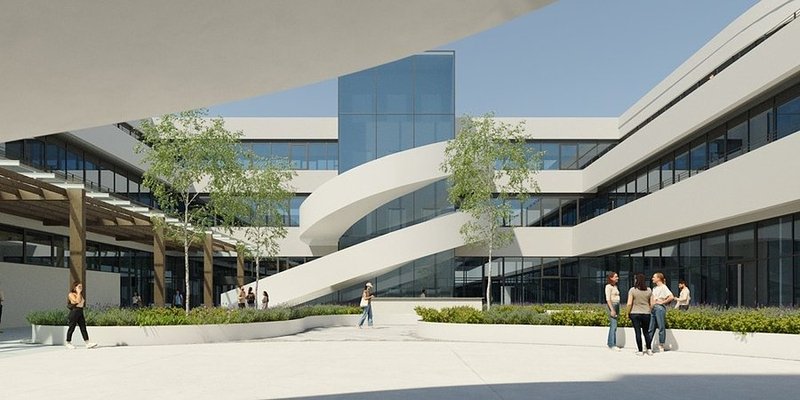
Universidade Europeia and IADE – Faculty of Design, Technology and Communication of the European University reveal what the institutions’ new campus will look like, which will open its doors in September 2025. IADE is preparing to move to the Oriente Green Campus and the European University to expand its capacity to this new space located in Moscavide, next to Parque das Nações. With state-of-the-art infrastructures, the Oriente Green Campus represents a new era in the history of institutions.
From Mid Sweden University to Max Planck – and back
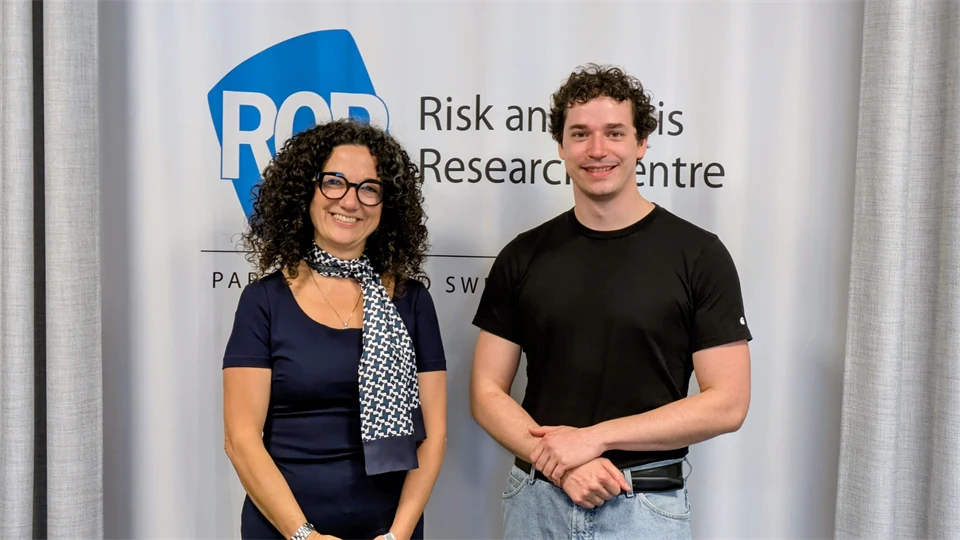
The Erasmus program was the ticket to an exchange semester at Mid Sweden University for Rasmus Möring. However, he had barely left Sweden before he was invited back here, this time as a guest lecturer.
La Universidad Europea de Valencia, a Key Player at the 2025 Gaceta Dental Awards
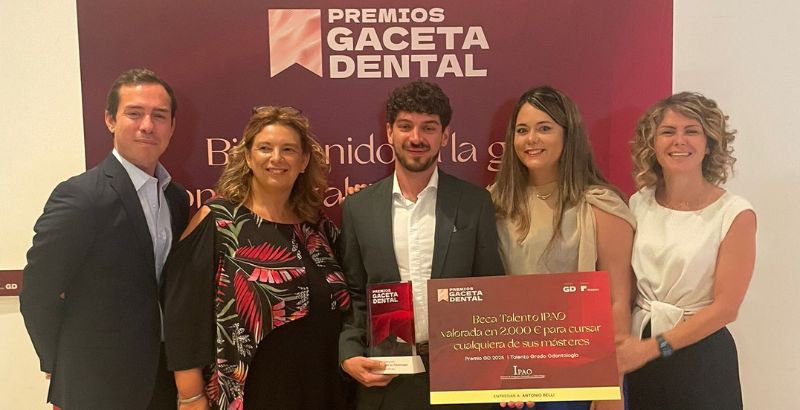
La Universidad Europea de Valencia was a key player at the 28th edition of the Gaceta Dental Awards, one of the most prominent events in the dental sector in Spain, held on Thursday, September 18, in Madrid. On this occasion, student Antonio Belli was recognized for his Bachelor’s Thesis, and professor Ana Rosa Lairón received the award for the best scientific article of the year.
Design Meets Football: FHNW Students Create Jerseys for Swiss Champions

Photo: FC Basel In a remarkable collaboration between sport and design, four master’s students from the Basel Academy of Art and Design FHNW have co-designed the new jerseys for FC Basel 1893, one of Switzerland’s most iconic football clubs. Known for its passionate fan base and rich history, FC Basel recently celebrated a major comeback, winning both the national championship and the Swiss Cup. The jersey design project, led by fashion design lecturer Jacqueline Loekito, brought together students from the Masterstudio Fashion Design, Masterstudio Industrial Design and Masterstudio Scenography. Over 18 months, they worked closely with the club and its equipment supplier to create the official home and away kits for the 2025/26 season. The design theme, Converging Currents, draws inspiration from the Rhine River, which flows through Basel and symbolizes connection and movement. The home jersey features twisting blue and red stripes – FC Basel’s traditional colors – while the away jersey blends them into a shimmering purple, evoking the glittering surface of the river. “We wanted to create something that reflects both the club’s heritage and the energy of the city,” says scenography student Connor Muething. The students also explored the club’s archives, studying decades of style and material evolution. The result is a modern yet meaningful design, with details like outward-twisting stripes at the collarbone and lighter stitching for added contrast. Beyond aesthetics, sustainability played a key role: each jersey is made from 100% recycled PET polyester, with 13 plastic bottles reused per piece. Now, the jerseys are ready to hit the field and the streets. “We’re excited to see how fans respond,” says fashion design student Livia Simoni. “We hope they’ll wear them with pride, far beyond the stadium.”