Student Journal: Reflections from the EUSAF Conference 2026 in Warsaw
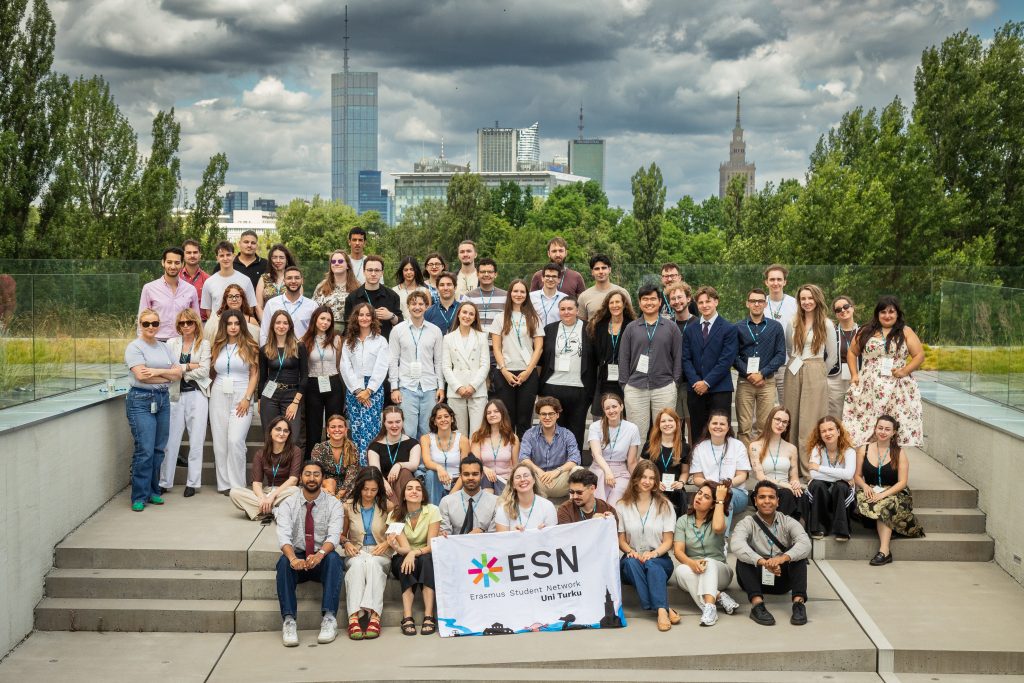
“There is a particular kind of energy that emerges when young people from across a continent come together to imagine what “European” actually means in practice. I was lucky to be part of that energy for three intense days,” writes Charles Stelandre. A representative of the ChallengeEU Student Council from ECAM LaSalle took part in the EUSAF Conference 2026 in Warsaw. In July, I had the opportunity to represent the ChallengeEU Student Council at the EUSAF Conference 2026 in Warsaw. Between the skyline of Varso Tower and the more grounded conversations taking place in workshop rooms, the event offered a rare chance to sit with peers from other European University Alliances and ask difficult questions about funding models, project sustainability, and what it truly takes to build institutions that outlast any single cohort of students. Best practices were shared, but so were tensions and unresolved debates about governance, student voice, and who alliances are really built for. Conversations stretched long into the night: alliances comparing notes, students exchanging views on what works and what does not, and a shared recognition that the future of European higher education cooperation depends not only on frameworks developed in Brussels, but also on people willing to sit in a room at 1 a.m. and talk things through. Thank you to the organisers for creating such an inspiring and thoughtful event, and to the ESN team for providing the framework that made these exchanges possible. Thank you also to SGH Warsaw School of Economics for hosting the event with such professionalism. I am grateful to the ChallengeEU team, especially Claire Gozé and Erin Monaghan, as well as to everyone whose support made this participation possible. Finally, thank you to my friends Rebeca Rocha and Sohaib Al-Hadheri for their support in preparing for the event. I am truly grateful to have been part of this experience and to bring back questions worth exploring further within ChallengeEU. Charles Stelandre EUSAF Conference 2026 in Warsaw was a European forum bringing together student representatives from European University Alliances. Held on 2–4 July 2026 at SGH Warsaw School of Economics, the event created a space for students to exchange experiences, share good practices and discuss the future of higher education in Europe. Its programme included workshops, collaborative sessions and networking activities focused on student engagement, alliance governance, stakeholder cooperation and the role of students in decision-making processes.
Student Journal: “ChallengeEU is about people”
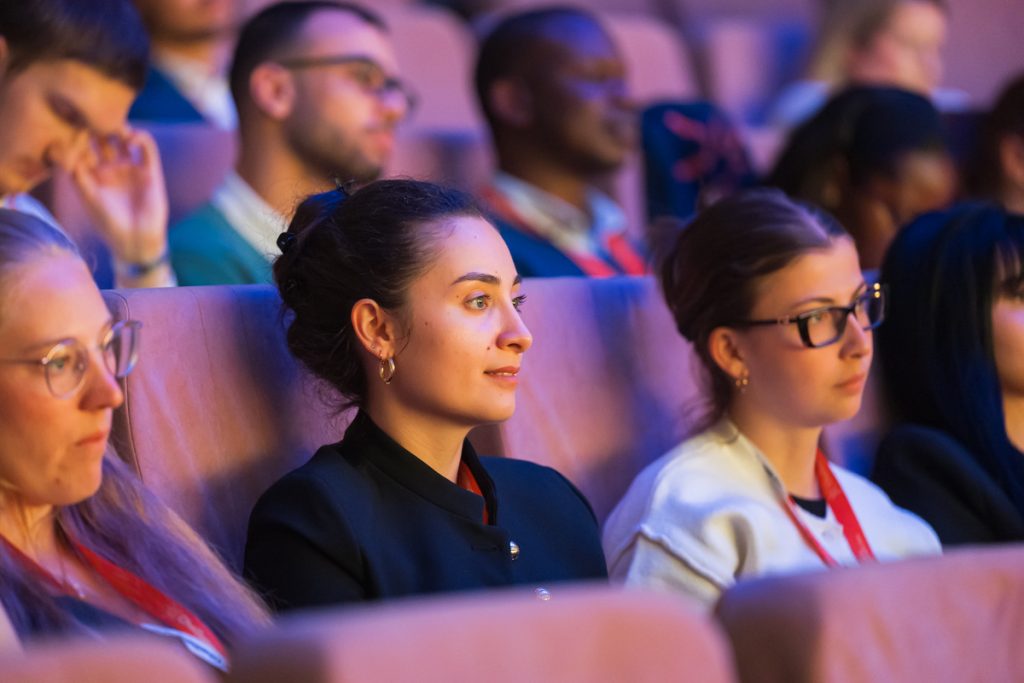
“What makes ChallengeEU even more special is that it doesn’t end with the conference. The friendships we built are real,” writes Marija Kosovljanovic from FHNW, Student Ambassador and member of the Student Council, reflecting on the ChallengeEU 1st Annual Conference. After almost a year as a member of the ChallengeEU Students’ Council and as a Student Ambassador, I had the great honour of travelling to Poland for the 1st Annual Conference of ChallengeEU. I had been looking forward to this trip for a long time, not only because it was an exciting international experience, but also because it marked an important step in my journey within the ChallengeEU alliance. One of the things I was most excited about was finally meeting my fellow FHNW student ambassador Marion face to face. Until then, we had mainly worked together through Microsoft Teams and phone calls while preparing different ChallengeEU tasks and projects. After so many online meetings, finally meeting in person made everything feel much more real and meaningful. Before this trip, I had never been to Poland, so everything felt new and exciting. Still, from the very beginning, I felt comfortable there. The atmosphere was welcoming, and I quickly had the feeling of being at home. When I arrived at the campus of the University of Warmia and Mazury, I immediately got a sense of what real student life on a big international campus feels like. Everything felt huge, open, and very different from what I know in Switzerland. The campus almost felt like a small city, full of life, activity, and modern spaces. This impression became even stronger during the opening ceremony. As we entered the amphitheatre, I was honestly impressed by how many people from so many different countries were gathered in one place. The atmosphere felt international, but also very warm and welcoming at the same time. What I really liked was that the event didn’t feel too formal or distant. There was live music, modern songs, and a positive energy in the room. People were singing, clapping, smiling, and just enjoying the moment together. It already felt like this conference would be something special. Throughout the conference, English was the main language, but what I found very interesting was hearing so many other languages every day. Polish, German, French, Spanish, and many more were all around us. As a student in Switzerland, I also had the chance to speak German with several participants, which made conversations even more natural. It was a nice reminder of how diverse Europe is, but also how easily people can connect when they are open to it. Some of the best moments happened outside the official programme. One evening, we had a traditional Polish dinner on campus near a lake. There was food, music, performances, and dancers in traditional clothing introducing us to Polish culture. What made the evening special was that, at some point, everyone started dancing together – students, professors, and staff all mixed. In that moment, it didn’t matter who was who anymore. It just felt like one big international group enjoying the evening together. Another highlight was visiting the university’s media studios. We got to explore the radio and podcast rooms, record short audio messages in groups, and learn how professional audio production works. Some even tried the recording booths while technicians showed us how editing is done. For most of us, including myself, this was completely new, and it was both fun and interesting. What surprised me most during the conference wasn’t one specific moment, but the overall atmosphere. I expected something quite formal and structured, but instead I found something very open, human, and easy-going. Even though we all came from different countries, study fields, and backgrounds, it was surprisingly easy to connect. Conversations felt natural, and it was interesting how quickly people opened to each other. It really showed me how fast barriers can disappear in the right environment. Another thing that surprised me was how normal it became to switch between languages and cultures all the time. Instead of being complicated, it made everything more interesting and connected. On a personal level, this experience also pushed me out of my comfort zone. Being part of ChallengeEU and representing my university in such an international setting challenged me in many ways: Speaking English more often, meeting new people constantly, and adapting to new situations. Looking back, I can honestly say it was an unforgettable experience that I really appreciated. I’m grateful that I got to be part of it through my studies, because it helped me grow a lot, not just academically but also personally. If I had to describe ChallengeEU, I would say it’s a intercultural family and very connected. But more than anything, it’s about people. It’s not just about conferences or workshops, but about sharing experiences, learning from each other, and growing together despite our differences. During this journey, I really felt that meaningful connections were created naturally. What makes ChallengeEU even more special is that it doesn’t end with the conference. The friendships we built are real, and we’re already planning to meet again in the summer. That shows that this is just the beginning, not the end, and that’s probably the most beautiful part of it. Marija Kosovljanovic
Student Journal: Reflections from the ESU Conference of Alliances
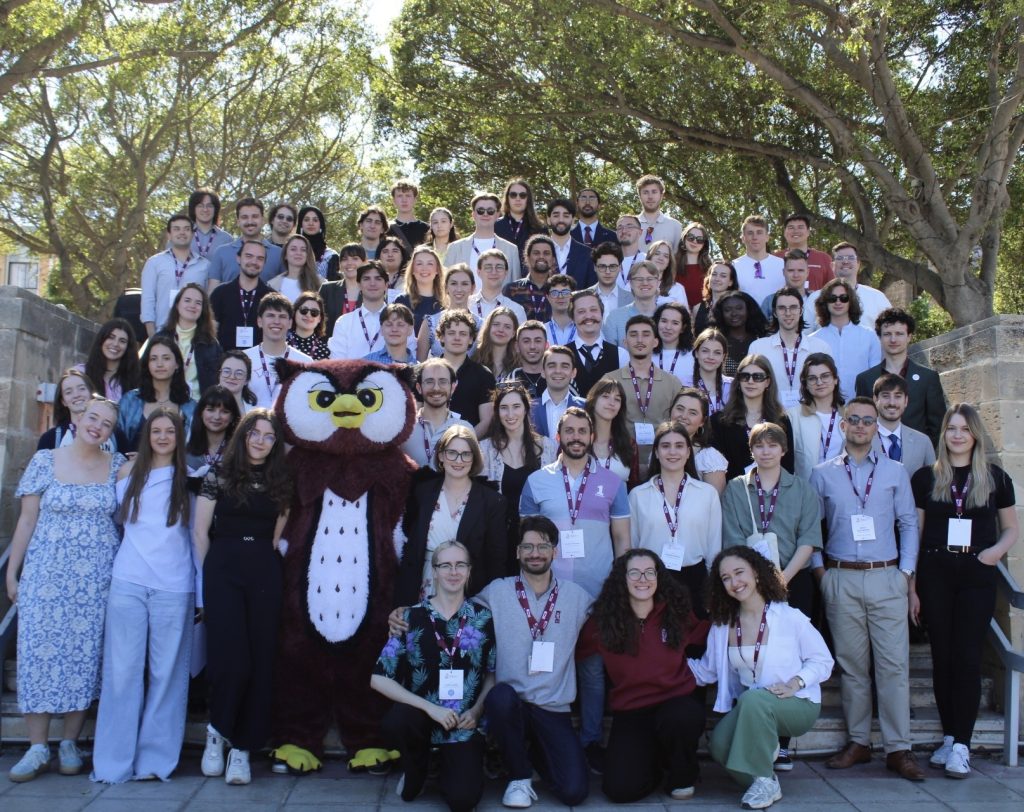
“Students should be included as real partners in decision making processes, not only as representatives who are consulted from time to time,” emphasises Gajur Memeti from South East European University in North Macedonia, sharing his reflections after taking part in the European Students’ Union Conference of Alliances in Malta, where he represented ChallengeEU. This year’s conference will focus on the theme “Leading Together: Strengthening Student Communities and Leadership Across Europe”. From 2 to 4 May, I had the opportunity to represent ChallengeEU at the ESU Conference of Alliances III in Malta. The conference brought together student representatives from across Europe to share experiences, exchange ideas, and discuss the role of students within European University Alliances. One of the main topics throughout the conference was student participation and the importance of giving students a more meaningful role within alliances. During the workshops and discussions on governance and democratic participation, we talked a lot about how students should be included as real partners in decision-making processes, not only as representatives who are consulted from time to time. There was a strong focus on creating alliances where students can genuinely contribute and help shape important decisions together with university leadership. As I bring these reflections back to ChallengeEU, there are two ideas from the conference that I believe could have a strong impact on our alliance. The first is supporting student-led initiatives through dedicated funding. One practice that stood out across several alliances was the existence of funding opportunities created specifically for student initiatives. Having dedicated calls for student projects would encourage students to develop their own ideas, collaborate across universities, and become more actively involved in the development of the alliance itself. The second is recognising student engagement more formally. Another important discussion focused on balancing academic responsibilities with alliance-related work. Many participants highlighted the need for student involvement to be recognised in a more structured way, whether through academic credits, financial support, or more flexibility from universities. Proper recognition is important in making student participation more sustainable and accessible for everyone. I am very grateful for the opportunity to attend this conference and represent ChallengeEU in these discussions. I hope we can continue building on these ideas and bring some of these good practices into our alliance in the future. Gajur Memeti
Student Journal: “Passion That Crosses Borders”
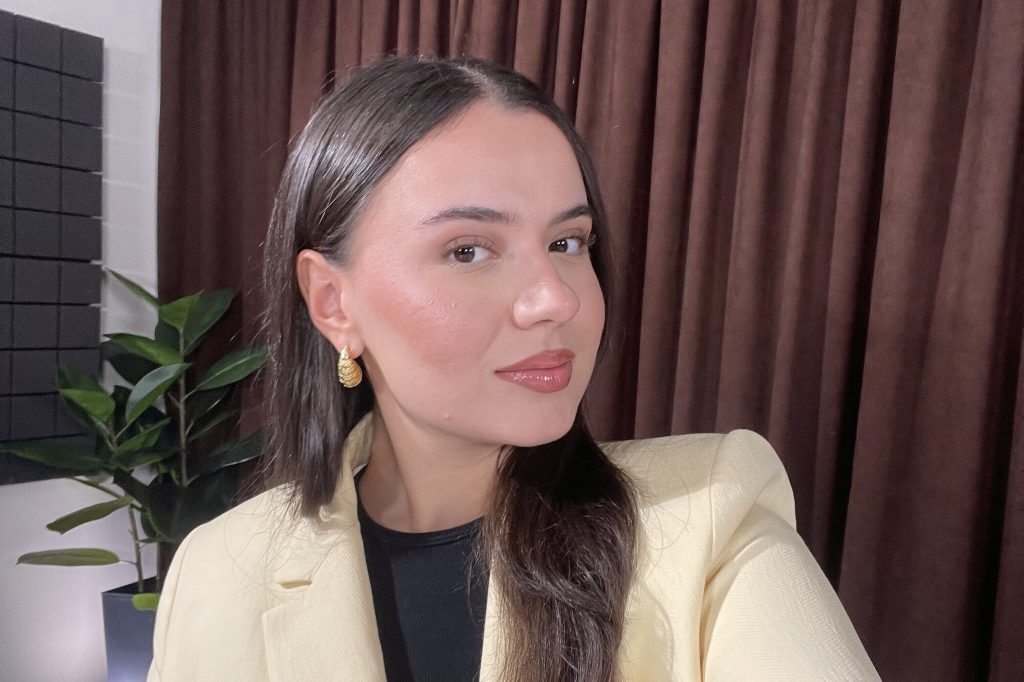
“Being a Student Ambassador is about more than representing a university. It is about expanding one’s perspective, nurturing empathy, and creating networks across borders” – writes Mirajete Selami from South East European University in Skopje, North Macedonia. You will find this writing from me, Mirajete Selami, someone who deeply admires the power and potential of students. I am 21 years old, and I study International Relations at South East European University in Skopje, North Macedonia. In 2025, I had the incredible honor of being chosen as a Student Ambassador for the ChallengeEU Alliance, a role that has transformed the way I see my studies, my country, and my place in the wider European community. From the very beginning, this role was more than a title. It was an invitation to connect, to listen, and to represent. I remember preparing for my first encounters with fellow ambassadors from across Europe. Though our first meetings were online, sitting behind screens, there was a sense of anticipation that made every conversation feel meaningful. I realized that even through a virtual space, ideas could travel, perspectives could shift, and friendships could begin to form. One of the most memorable experiences in my journey as a Student Ambassador was hosting representatives from Mid Sweden University, Annacarin Aronsson and Lena E. Burman, in Skopje. I welcomed them to our campus, guided them through our university spaces, and introduced them to the vibrant life of SEEU. We walked through the streets of Skopje together, sharing stories, discussing our academic programs, and exchanging ideas about education, culture, and student engagement. It was a rare opportunity to bridge cultures, to see the world through fresh eyes, and to reflect on how international cooperation can inspire local growth. At the same time, I experienced the ache of absence. Due to personal reasons, I could not attend the larger ChallengeEU meeting, and I deeply felt what I had missed. Looking at the photos of other ambassadors collaborating, learning, and laughing together, I felt both a pang of longing and a renewed determination. It reminded me that being present truly present is at the heart of connection and impact. This experience has shown me that being a Student Ambassador is about more than representing a university. It is about expanding one’s perspective, nurturing empathy, and creating networks that carry ideas and inspiration across borders. As a young woman in International Relations, I see it as a chance to gather knowledge, cultivate meaningful relationships, and bring new practices back to my own community. It has reminded me that leadership is not only about authority, but about presence, curiosity, and the courage to act with intention. Being part of ChallengeEU has also been a journey of self-discovery. It has taught me the beauty of listening, the power of collaboration, and the responsibility we carry as individuals to shape a better world. Every conversation, every shared meal, every walk through the city has reinforced my belief that meaningful change begins with people willing to connect, share, and learn from one another. Looking forward, I carry with me the vision of a world where knowledge, culture, and friendship transcend borders a world where young people like myself can bring the best of global ideas home to inspire local transformation. And in that vision, I find hope, purpose, and the courage to continue shaping my journey, both as a student and as a citizen of a connected Europe. With love and dedication, Mirajete Selami SEEU Campus – Skopje, North Macedonia
Student Journal: “ChallengeEU did more than connect universities”
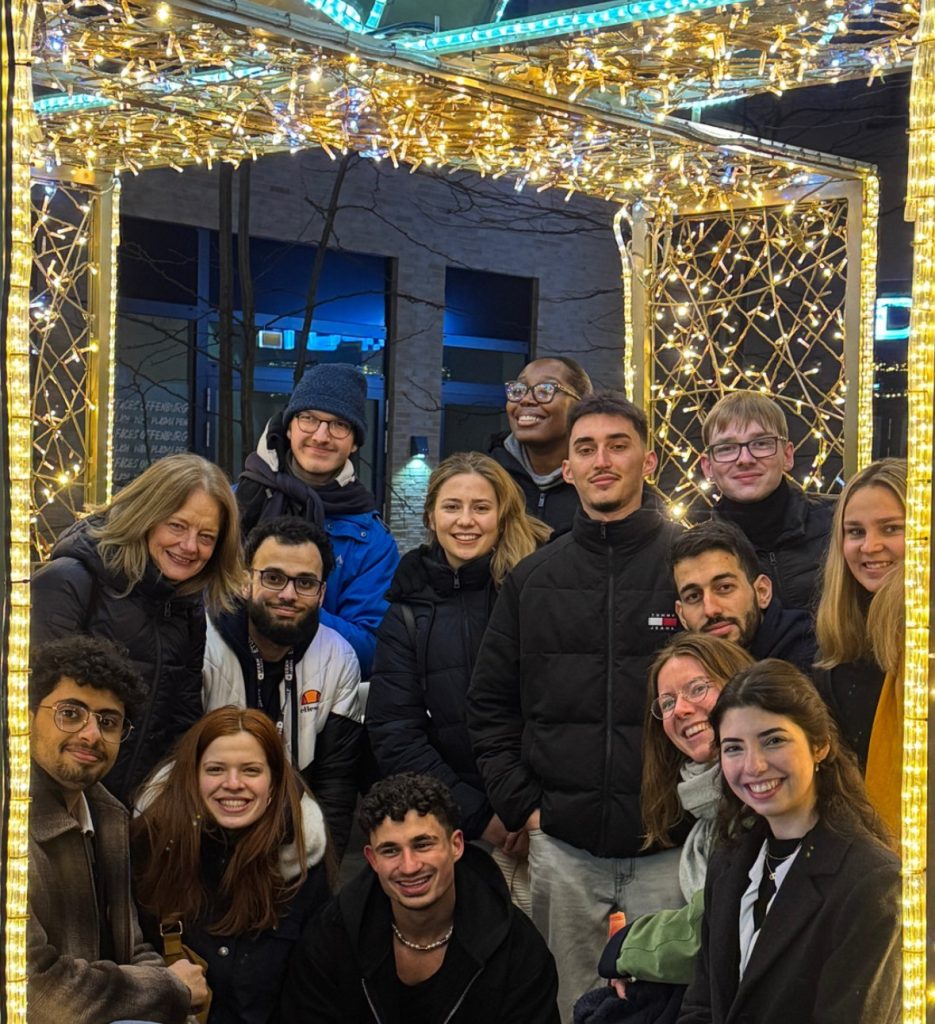
“Being part of this journey changed the way I see Europe” – writes Gajur Memeti from South East European University in North Macedonia, a member of the Student Ambassadors Team. Representing South East European University as a Student Ambassador for ChallengeEU honestly started as something that simply made me proud. I remember when I first got the role. It felt big. Not just because it was connected to Europe, but because I knew I was carrying the name of my university with me. That realization alone made it feel important. At the beginning, everything was online. We met through screens, squares with names and faces from different countries. Even though it was virtual, there was still this shared excitement. I would sit at my desk listening to students from different parts of Europe speaking about their ideas, their universities, and their expectations. It was strange in a good way, realizing how different we all were, but also how similar our goals sounded. Still, online meetings can only go so far. You connect, but it stays limited. Then December 2025 came, and we finally met in person in Offenburg. That is when everything felt real. Traveling there was not just about attending a meeting. It felt like stepping into something bigger. We had workshops on content creation, photography, and intercultural communication, and those sessions were genuinely useful. I learned practical things. How to communicate better. How to represent something visually. How to think more carefully about the way I share stories. But if I am being honest, the most important part was not inside the workshop rooms. It was the conversations in between. The small talks that slowly turned into deeper discussions. Sharing meals, laughing about cultural differences, explaining traditions, talking about our studies and our ambitions. In just a few days, the dynamic completely changed. We stopped feeling like representatives of nine separate universities and started feeling like one team. What surprised me the most was how fast the connections felt real. We arrived as ambassadors with a title. We left feeling like we had built something personal. Looking back now, I realize that ChallengeEU did more than connect universities. It connected perspectives. It challenged the way I think about borders, collaboration, and leadership. It showed me that real impact does not begin with institutions. It begins with people who are willing to listen, to share, and to grow together. Being part of this journey changed the way I see Europe. It is no longer just a map or a concept discussed in classrooms. It is people, conversations, shared goals, and mutual respect. What started as an honor became something deeper. A responsibility I carry with pride. A reminder that when young people come together with openness and purpose, the future does not feel uncertain. It feels ours to shape. Gajur Memeti
Student Journal: “One journey can change the way you see the world”
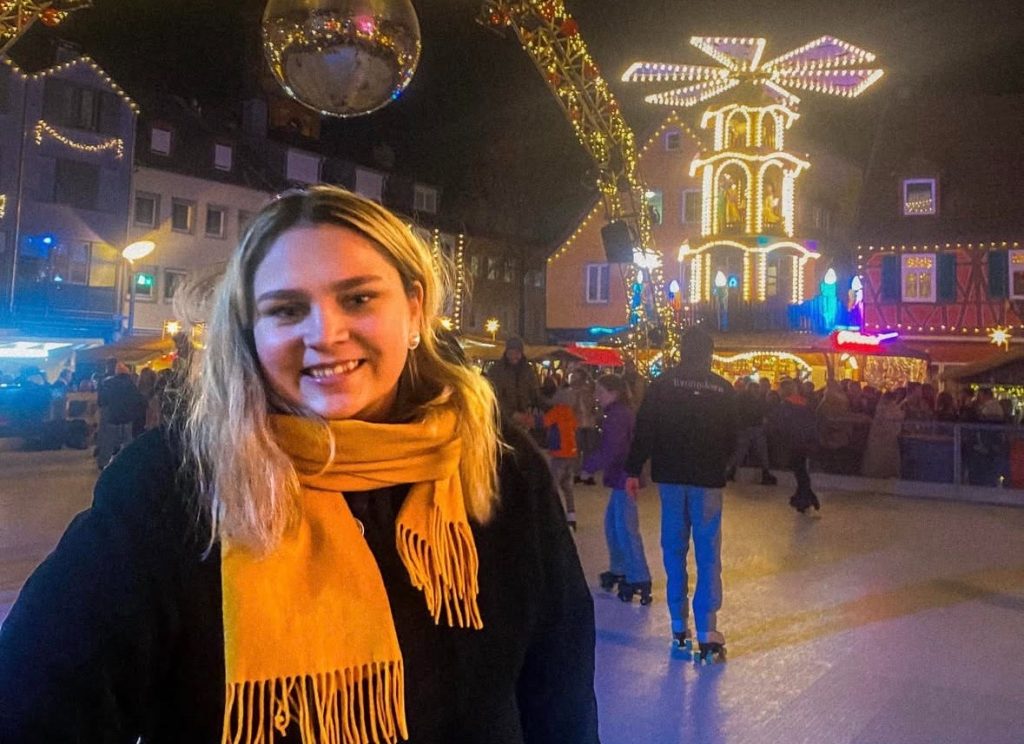
“Every journey begins with a step outside the comfort zone,” says Ieva, a ChallengeEU Ambassador from LBTU. In her video, she looks back on the memories from the meeting in Offenburg. Wyświetl ten post na Instagramie Post udostępniony przez @challengeeu.alliance
Student Journal: “It opened a new world for me”
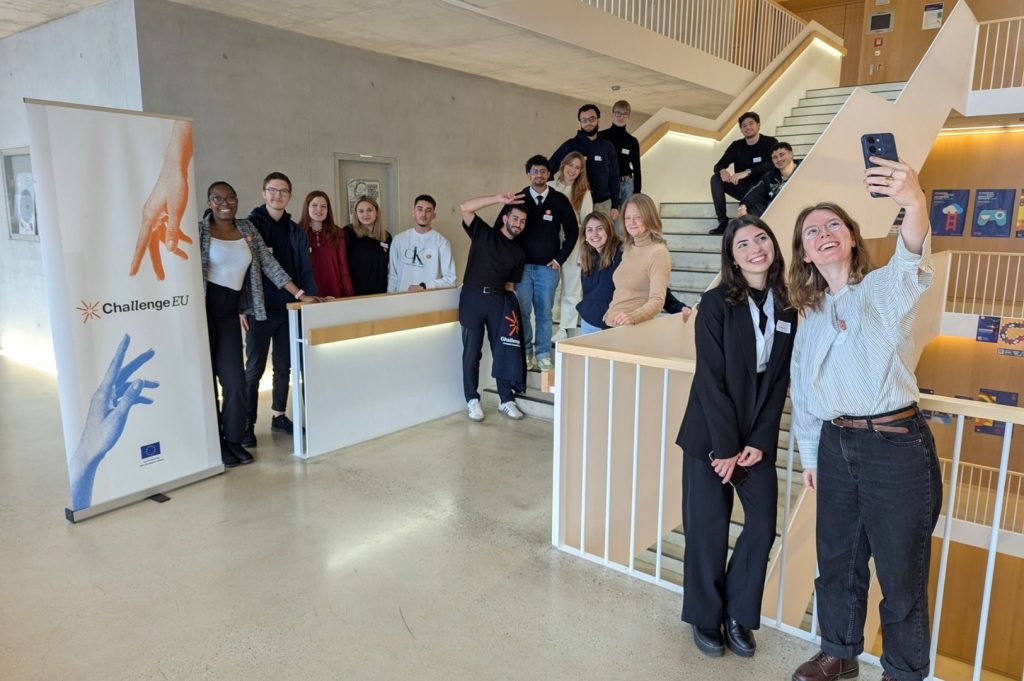
“Going to Offenburg and meeting the other ambassadors was definitely amazing as it opened a new world for me” – writes Georden Shaw from University of Warmia and Mazury, who took part in the ambassadors’ meeting at the HSO in Germany. Myself and two other ChallengeEU Ambassadors from UWM had the opportunity to participate in 1st Student Ambassadors Meeting that was held at Hochschule Offenburg, Germany from December 4-5, 2025. We embarked on our journey on December 3rd, from Warsaw to Frankfurt after which we took a train to Offenburg. We made our to our accommodation where were warmly greeted and welcomed by Zina Qabbani – Communications Officer WP6. She then took us to dinner at Brassiere Engel where we met with all the ambassadors. It was such a special evening filled with many introductions, laughter and many pictures/videos. Over the next 2 days, we had roughly 6-8 sessions which covered a formal introduction to ChallengeEU, a content creation and social media training, sharing of cultural experiences, intercultural communication and inclusive language workshop, creating content and lastly reflection exercises. Through these sessions, I learnt different skills in photography, way to create and post engaging content, what language is and is not inclusive among a myriad of things. These sessions were not only interactive but very insightful as we were able to explore and discuss various topics, concerns and ultimately create solutions which would aid in us ultimately achieving our goals as ChallengeEU ambassadors. Going to Offenburg and meeting the other ambassadors was definitely amazing as it open a new world for me. I love experiencing new cultures and getting the opportunity to network and connect with them was not only exciting but insightful as we shared how we were all honouring our responsibilities as ambassadors differently and this allowed us to learn from each other as well. Two of the most memorable moments from the trip were: Overall, the trip to Offenburg not only gave me intercultural connections but equipped myself and the other ambassadors with skills that will be extremely beneficial in us achieving our aim to “Challenge the Now. In Unity.” Georden Shaw, ChallenegeEU student ambassadors The project entitled “Strengthening the position of the University of Warmia and Mazury in the international arena through support for activities within the ChallengeEU European Universities Alliance”, funding agreement No. BPI/WUE/2025/1/00015/U/00001. The project is financed by the Polish National Agency for Academic Exchange (NAWA) with European funds from the European Fund for Social Development 2021–2027 (FERS).