Celebrating Success: ChallengeEU Mentoring Programme Concludes Cycle 1
The first cycle of the ChallengeEU Mentoring Programme concluded with an online meeting bringing together mentors and mentees from across the Alliance to reflect on their experiences, share key lessons and highlight the value of cross-cultural and cross-disciplinary mentoring. On 28 September 2026, the ChallengeEU Alliance gathered online to mark the successful completion of the first cycle of the ChallengeEU Mentoring Programme. The meeting, organised by University of Warmia and Mazury in Olsztyn (Prof. Katarzyna Ćwirynkało and Dr Monika Ryndzionek) in collaboration with Mid Sweden University (Dr Hafizur Rahman), brought together mentors and mentees to reflect on a journey shaped by cross-cultural collaboration and mutual growth. The session opened with an overview of the cycle’s reach: 75 mentors and 79 mentees from all nine partner institutions. One of the highlights of the cycle was the Blended Intensive Programme (BIP) held in Olsztyn, Poland, which focused on inclusion and diversity. At the heart of the meeting was the “Voices of Mentors and Mentees” segment. Participants shared their experiences, emphasising that the programme offered benefits extending far beyond its initial goals. Mentors spoke about the value of “giving back” and gaining “fresh perspectives from youth”, while mentees highlighted how the programme helped them build confidence and navigate unfamiliar situations. A key takeaway from the discussions was that cross-disciplinary matching is a strength rather than a limitation. As one participant noted, “Some of the most meaningful outcomes come from the mutual exchange of ideas and perspectives, regardless of disciplinary boundaries.” The relationships established through the programme often developed into genuine personal connections, showing that the mentoring relationship itself can become as valuable as the academic or professional goals it supports. With Cycle 2 set to launch in January 2027, the organisers expressed their appreciation for the dedication and engagement of everyone involved. The success of the first cycle was made possible by the commitment of mentors and mentees across the Alliance. The meeting concluded with a message reflecting the spirit of the programme: “Alone we can do so little; together we can do so much.”
Working in the GIS Sector: Regional M.A.R.K.E.T. Student Activity held at UWM
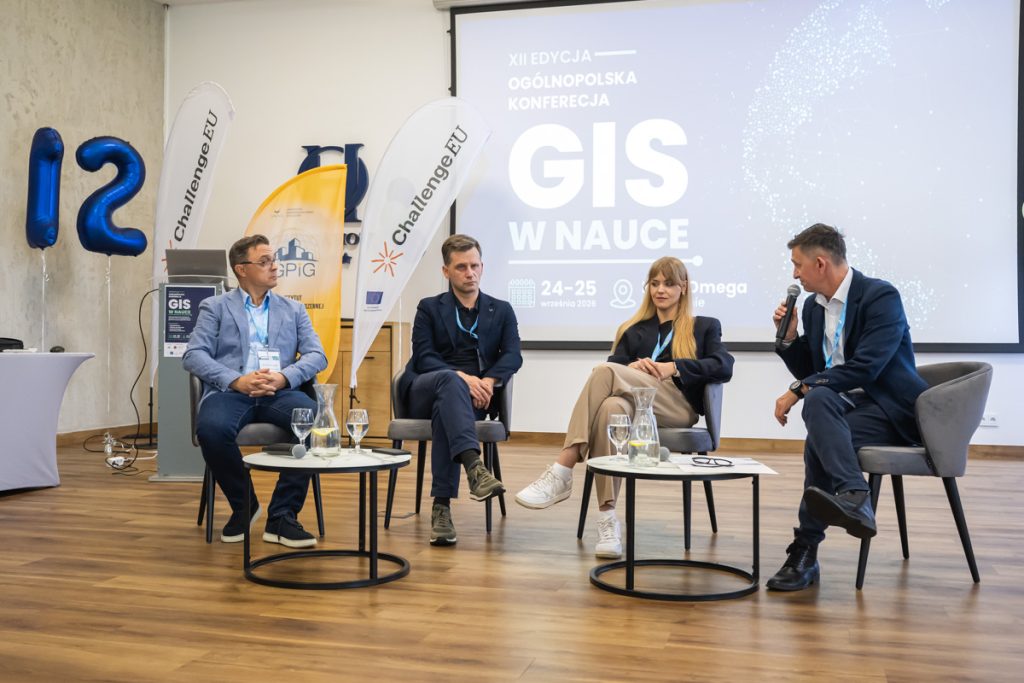
The meeting “GIS and the Labour Market – What Do Employers Expect from Graduates?”, was held on 25 September and was part of the 12th edition of the scientific conference “GIS in Science.”
Regional Promotion and Regenerative Tourism. ChallengeEU Students Join an International Programme at UWM
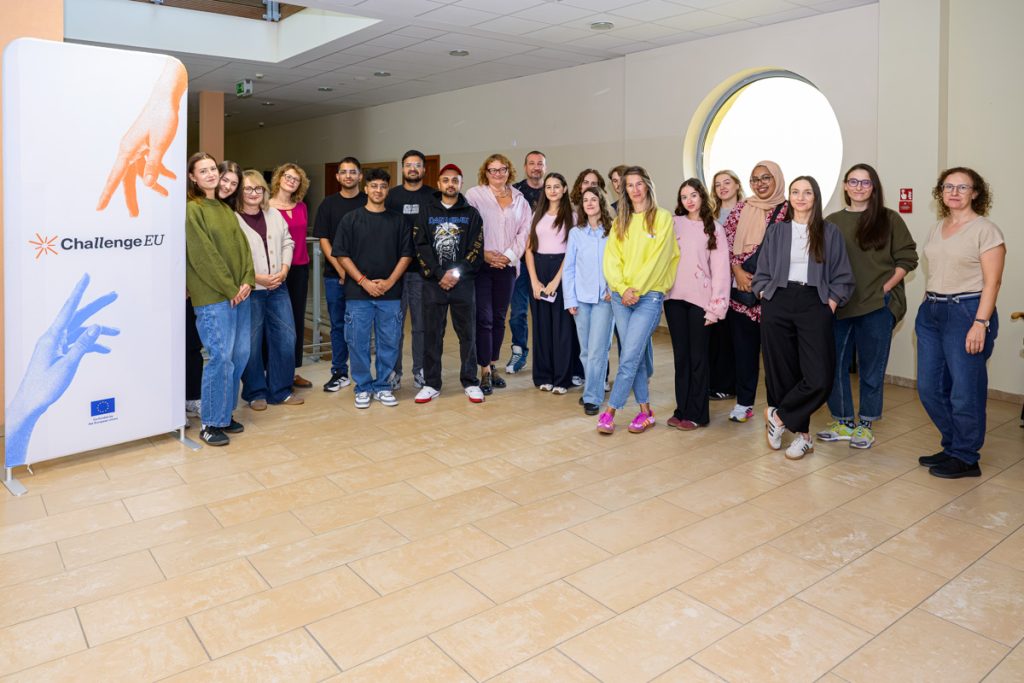
Students from ChallengeEU Alliance universities in Spain, Portugal, Germany, North Macedonia, Latvia and Poland came to the University of Warmia and Mazury to learn how to promote a region by treating its spaces, resources and local ecosystems as interdependent elements of a single system.
Representatives of the ChallengeEU Alliance participated in the Summer School at the University of Warmia and Mazury
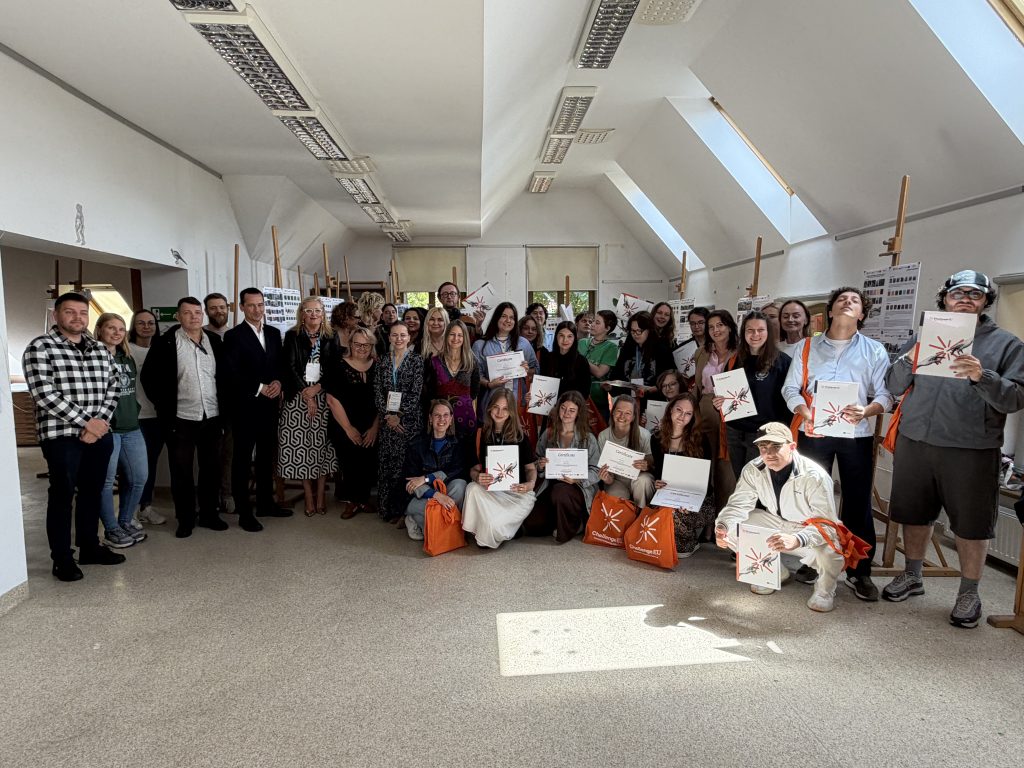
From 1 to 9 July, the University of Warmia and Mazury (UWM) hosted the Summer School “Traces in the Landscape”, organised by the Department of Landscape Architecture as part of the ChallengeEU Alliance. The programme brought together students from three ChallengeEU partner universities: the Latvia University of Life Sciences and Technologies (LBTU), the University of Applied Sciences and Arts Northwestern Switzerland (FHNW), and the University of Warmia and Mazury (UWM). In Search of Traces in the Landscape The staff of the Department of Landscape Architecture at the University of Warmia and Mazury invited students from ChallengeEU universities to explore the landscape as a palimpsest shaped by history, nature, and human activity. Participants developed their skills in identifying, interpreting, and preserving the cultural, natural and aesthetic values embedded in the environment. The Summer School programme was designed to address contemporary challenges, including climate change, the homogenisation of landscapes, and the disappearance of traditional settlement patterns. Throughout the Summer School, academic staff from the Department of Landscape Architecture shared the teaching methods they use in their everyday academic practice. “Our department places a strong emphasis on field-based analysis, which is why we decided to incorporate challenge-based learning into the programme. We also organised llandscape workshops in which students explored the subject in a less conventional way. They learned about architecture while also developing an understanding of the shapes, colours and textures that make up the landscape. In addition, participants experienced the landscape through sound and learned how to prepare graphic studies using traditional hand-drawing techniques,” explained Professor Agnieszka Jaszczak. The opening session of the “Traces in the Landscape” summer school was held at the Municipal Office in Stawiguda. The Municipality of Stawiguda is an associated partner of the ChallengeEU Alliance.The event was officially opened by Professor Jakub Sawicki, Vice-Rector for Research and International Cooperation at the University of Warmia and Mazury, Michał Kontraktowicz, Mayor of the Municipality of Stawiguda, and Professor Agnieszka Jaszczak. Following the opening ceremony, the students began working on their first challenge: designing a logo for the Municipal Centre for Social Services, a local institution recently established through the transformation of the Municipal Social Welfare Centre. included study visits to several locations across the region: the Łężany Palace, owned by the University of Warmia and Mazury; the Marian Sanctuary in Święta Lipka; the Bishops’ Castle in Lidzbark Warmiński; and the Museum of Folk Architecture – Ethnographic Park in Olsztynek. Inspiration for the Future Students who took part in the Summer School agreed that their time in Olsztyn was both enjoyable and enriching, giving them an opportunity to experience the landscape in a completely new way. “I think it was an excellent opportunity not only to gain new knowledge but also to look at many issues from a different perspective. We had the chance tto learn from UWM lecturers and experience their distinctive teaching methods as well as to exchange ideas and experiences with students from other countries. All of this made the experience extremely valuable,” said Vincenzo Zuccerello from FHNW. “It’s a place where you can relax while also meeting new people. I think that’s the most wonderful part of the experience. We often live in our own bubble, within our own country, but opportunities like this allow us to step outside of it,” added Kristiana Pabina from LBTU. The Summer School also inspired a wealth of new ideas in Vanessa Grabkowska, a landscape architecture student at the University of Warmia and Mazury. “Landscape architecture is a highly creative profession, and creativity depends on inspiration. That’s why I’m so grateful to have taken part in this Summer School. I’m sure that the experiences and ideas I’ve gained will influence my future projects,” said Vanessa. Students from ChallengeEU universities will soon have another opportunity to expand their knowledge, develop new skills and strengthen international connections. Applications are currently open for the ChallengeEU Blended Intensive Programme (BIP) entitled “Regional Promotion and Development,” organised by the Faculty of Humanities at the University of Warmia and Mazury. Using the challenge-based learning approach, participants will work together to develop solutions that support the sustainable development of local communities and foster collaborative ecosystems. More information and the application form are available on the ChallengeEU website. Photos by Marta Wiśniewska and Department of Landscape Architecture
Media, Diversity and Resilience to Disinformation. ChallengeEU Students Take Part in a BIP at UWM
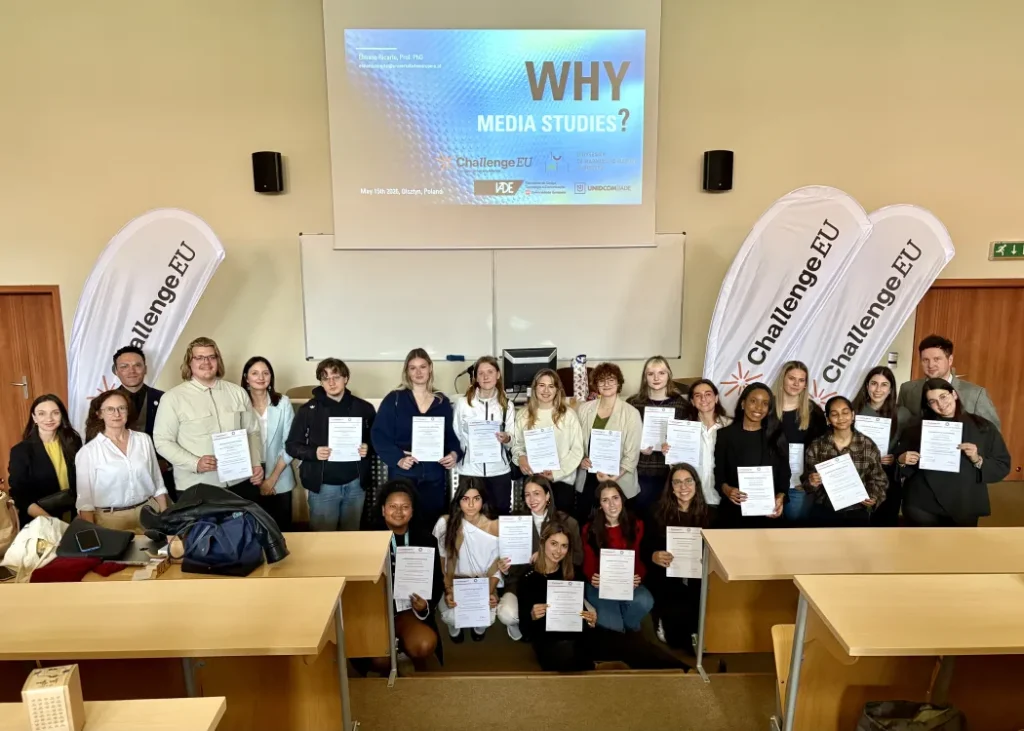
To avoid being misled by disinformation, we need to remain open to other cultures and understand that community can be found in diversity. The Erasmus+ Blended Intensive Programme “Resilience Lab: Media for Social Change”, organised by the UWM Institute of Journalism and Social Communication in cooperation with partner universities from the ChallengeEU Alliance, focused on how media can shape public opinion and support positive social change. From 11 to 15 May, UWM welcomed students and lecturers from Hochschule Offenburg, Universidade Europeia, and the Latvia University of Life Sciences and Technologies. The programme combined online learning with a short stay at a partner university, enabling international teamwork, the exchange of experiences, and the development of skills useful in modern communication. “The programme focused on how, through intercultural communication and the creation of social media content, we can raise young people’s awareness of disinformation. Without a doubt, they have the right skills and tools to tackle this problem,” explained Dr Marta Więckiewicz-Archacka from the Department of Journalism. She added: “When organising this BIP, we took advantage of the opportunities created by UWM’s membership in the ChallengeEU Alliance, as it makes cooperation with other European universities easier.” Breaking Stereotypes and Making Good Use of Media During the lectures, participants learned how intercultural communication can strengthen our resilience to disinformation. In practical classes, they learned, among other things, how to create educational content for social media, podcasts, and texts adapted for online publication. An important part of the programme was also a visit to the European Solidarity Centre in Gdańsk, which demonstrated how social movements can lead to real historical and political change. One of the lecturers from the ChallengeEU partner universities was Prof. Élmano Ricarte from Universidade Europeia in Lisbon, who delivered the lecture concluding the programme. His academic work focuses on intercultural communication and the role of media in building community and dialogue. “We live in a mediasphere, constantly communicating with one another and trying to understand each other. It is precisely this attempt at mutual understanding that interests me most, because we still do not do it well enough. However, I believe that in the future we will become a better society as a whole, because we will begin to recognise differences and stereotypes while also learning from one another. The German philosopher Martin Heidegger introduced the concept of ‘Dasein’, which means being in the world. It helps us understand culture and diversity, and Europe is an excellent example of this,” said Prof. Élmano Ricarte, also referring to the idea behind the ChallengeEU Alliance. “Today, unfortunately, we live in bubbles, including educational and scientific ones, which is why every opportunity to come together, share views, and exchange experiences becomes extremely valuable. Europe grew out of such values, and through this alliance we are trying to put them into practice — not only in theory, but also in reality. There is still a great deal of work ahead of us, but I hope that we will soon become better.” Getting to Know Different Points of View Students emphasised that taking part in the programme allowed them to look at media, communication, and society from an international perspective. For many of them, it was also an opportunity to develop practical skills and build relationships with people from other countries. “It is a really great opportunity to look at media from an international perspective, as well as to meet people representing other cultures. It teaches us that the world can be seen from many different points of view. I decided to take part in this programme because of my field of study — I want to learn how to use media in a way that allows me to influence others,” said Shelsea Arnaldo, a media communication student at Universidade Europeia. The practical dimension of the classes was also appreciated by Inês Costa, a communication and marketing student at Universidade Europeia. “I think the topic of this programme is very important for communication students. In class, we usually learn theory, but the practical dimension is often missing. Here, we can work with colleagues from other countries and learn what they have to say and how they see the world,” said Inês Costa. For Monta Paula Leitlante from the Latvia University of Life Sciences and Technologies (LBTU), taking part in the BIP was another opportunity to visit Poland, which she described as her second home. “I really enjoyed this BIP — the company, the opportunity to get to know other cultures — it was all very exciting. When you stay in your own country, you do not have the chance to experience this, but by taking part in programmes such as BIP or Erasmus+, you can change your perspective and learn a great deal,” said Monta, also praising the opportunities offered by the ChallengeEU Alliance. “It is a great initiative. At my university, I met students from Poland and thought that I simply had to take part in a course like this in Poland. I really appreciate the fact that we have the opportunity to participate in this kind of exchange.” The programme was also attended by Julia Wysocka, an English philology student and ChallengeEU Ambassador at the University of Warmia and Mazury. “I learned many different things, especially from the practical side — how to create a podcast, how to communicate with people, and how to combine social media with everyday work. I will certainly be able to use everything I learned in my role as an alliance ambassador, because one of our tasks is communication through social media. I applied for this programme because I wanted to gain new skills and meet people from other countries — I want to take every opportunity that comes my way,” said Julia Wysocka. “Resilience Lab: Media for Social Change” showed that international education can be not only an opportunity to gain knowledge, but also a space for building dialogue, community, and resilience to the challenges of the contemporary world.
To Improve Communication: UWM Hosted Two Online Events for ChallengeEU Community
The University of Warmia and Mazury, coordinator of the ChallengeEU Mentoring Programme, organised two online events dedicated to communication in mentoring and inclusive mentoring, which took place on 17 April 2026. The workshop titled “Communication in the context of mentoring” was led by Dr Monika Cichmińska from the UWM. “I designed these workshops in a way that would help raise awareness of how important the words we use to communicate with each other are. Despite the online format, participants practiced, among other things, active listening and formulating precise messages—ones that are not judgmental but based on facts. The goal was to learn how to become a more effective ‘communicator.’ I hope these sessions provided a foundation for further exploration of these topics,” explained Dr Monika Cichmińska. Dr Monika Cichmińska is an Assistant Professor at the Institute of Linguistics in the Department of Humanities at the University of Warmia and Mazury in Olsztyn, Poland. Her academic interests include cognitive semantics, especially the use of conceptual metaphors and multimodality in popular culture, the language of emotions, and different aspects of communication. She is also interested in applied linguistics, especially the influence of affective factors in learning, and brain-friendly teaching and learning. She enjoys working with people, and likes to combine theory (linguistics, psychology and neurosciences) with practice (teaching English). In her free time, she likes to read, learn new things, go to the cinema and watch TV series. On the same day, there was also an open online lecture dedicated to inclusive mentoring in the context of bridging academia and business. The workshop, titled “Inclusive mentoring for interdisciplinary and international career development: bridging academia and industry,” was led by Dr Hafizur Rahman from Mid Sweden University (MIUN). The researcher shared his experience stemming from an interdisciplinary education and professional background that included academia, industry, international collaboration, and active involvement in mentoring within the ChallengeEU alliance. His lecture focused on inclusive mentoring, which allowed participants to recognize its benefits for career development, also at the international level. During the session the worlds of academia and business were brought together. Dr Hafizur Rahman is a Researcher and Project Manager at Mid Sweden University, Sweden, working at the interface of chemical engineering, sustainable materials, and industrial innovation. His research focuses on fiber-based materials, resource-efficient processes, and advanced material characterization in close collaboration with industry and international research infrastructures. With a multidisciplinary academic background and professional experience spanning academia, industry, and international collaboration, he is actively engaged in mentoring within the ChallengeEU program. His mentoring focuses on helping early-career researchers navigate interdisciplinary and international environments, bridge academia and industry, and develop impactful, sustainable career pathways. The workshops were mandatory for participants of the BIP programme entitled “Inclusive Mentoring and Career Development for a Diverse Academia”, but at the same time they were open to all members of the ChallengeEU alliance community. Main photo: www.freepik.com
Inclusive Mentoring in Action: ChallengeEU Alliance Members Meet in Olsztyn
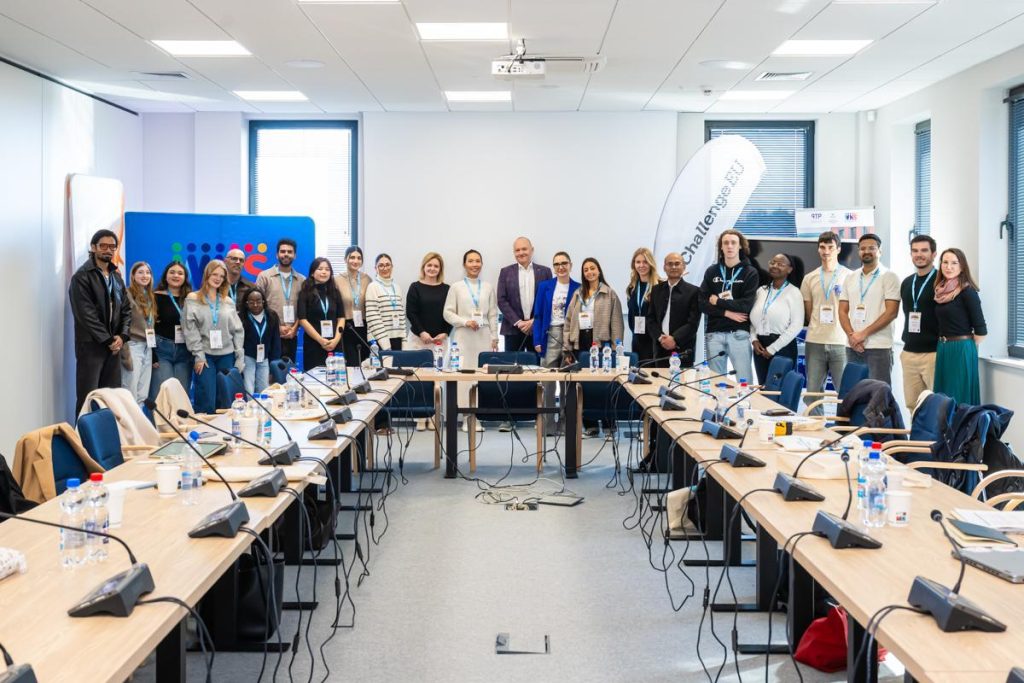
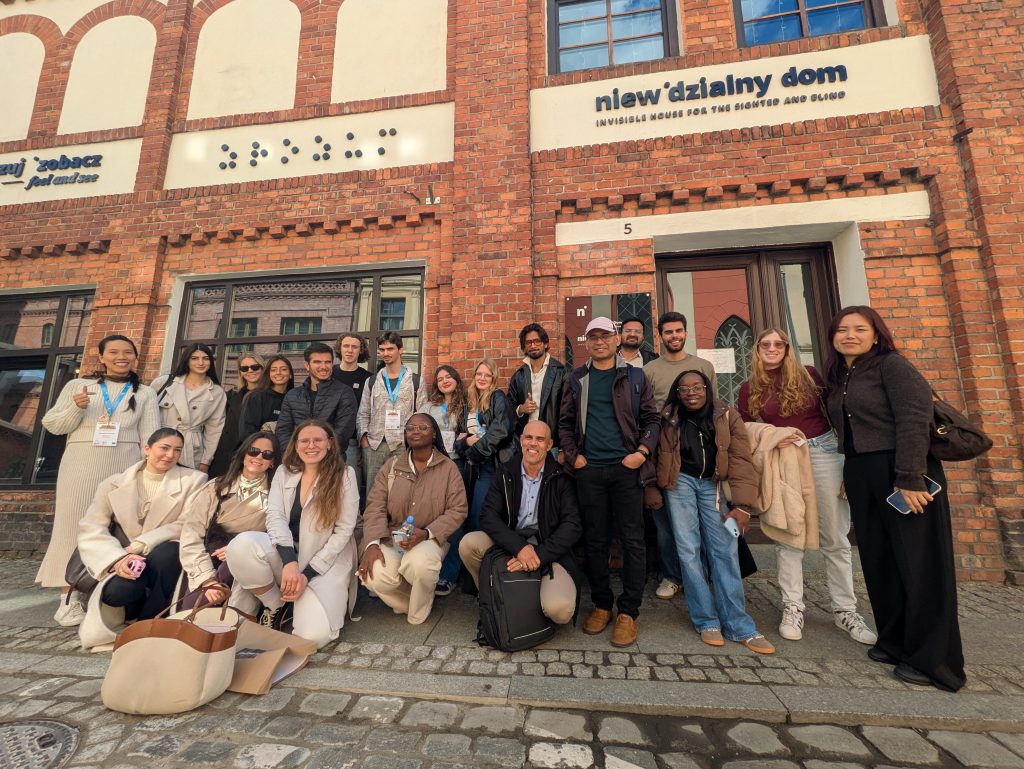
The Faculty of Social Sciences at the University of Warmia and Mazury hosted an Erasmus+ BIP Programme entitled “Inclusive Mentoring and Career Development for a Diverse Academia”. Eighteen students from universities that form the ChallengeEU alliance came to Olsztyn. The students represented Universidade Europeia (UEL), Hochschule Offenburg (HSO, the alliance leader), and Latvia University of Life Sciences and Technologies (LBTU). The programme also involved academic staff: Dr Hafizur Rahman from Mid Sweden University (MIUN), Professor Maria Rita Albergaria, and Dr Mafalda Leitão (both from UEL). Without leaving anyone behind “The main theme of this BIP programme was inclusive mentoring, so we focused on the idea of ODEI (openness, diversity, equity, inclusion). Around these values, we built the programme of the event, which included workshops, lectures, and a trip to the Invisible House in Toruń, where everyone can experience what everyday life is like for people who are blind,” said Professor Katarzyna Ćwirynkało from the Faculty of Social Sciences at UWM and ODEI Officer in the ChallengeEU alliance. The principles of inclusive mentoring were explained to the BIP programme participants by Dr Monika Ryndzionek from the Faculty of Social Sciences, who works in the ODEI team within the ChallengeEU alliance. “We discussed the conditions that must be met for mentoring programmes to be considered inclusive. The primary goal of inclusive mentoring is to support individuals who, for various reasons, may be at risk of exclusion, feel overlooked, or face different challenges at university. The idea is to respect diversity and help such individuals navigate the academic community—regardless of their social, identity-related, or demographic characteristics,” explained Dr Monika Ryndzionek. Participants developed practical skills in mentoring communication, giving feedback, and setting boundaries. They also explored strategies for building trust, psychological safety, and intercultural sensitivity, while reflecting on their professional identity and leadership potential within an inclusive academic environment. Workshops were led by Dr Czesław Kiński (“Feed Back, Feed Forward: A Quick Guide to Giving, Getting, and Using Feedback”), Dr Jacek Łagun (“Let’s Get Emotional… in a Mentoring Space: Building an Emotionally Aware Learning Environment”), and Agata Przyborowska, MA, who addressed the topic of procrastination. Professor Maria Rita Albergaria led a seminar on coping with difficult interpersonal situations, while Dr Mafalda Leitão facilitated interactive sessions on observing and analysing support dynamics. Dr Hafizur Rahman focused on inclusive mentoring in multicultural and multidisciplinary environments. A wealth of knowledge and experience Angelo Valente from Universidade Europeia emphasised that the programme helped him better understand other cultures. “I think it is very important to talk about equality and inclusivity, because we live in an increasingly globalised world. We need to learn to respect other cultures without losing our own identity,” he said. Vishwajeet Kumbhar from Hochschule Offenburg highlighted the interactive nature of the programme. “Once I arrived, I realised that many interactive sessions had been planned, which was quite different from my usual classes. The programme focused not only on mentoring, but also on personal development. I particularly enjoyed the sessions where Polish students joined us and we worked together,” he said. Renāte Ruska, a ChallengeEU Student Ambassador from LBTU, also took part in the programme at the Faculty of Social Sciences at the University of Warmia and Mazury. “It was wonderful to learn more about ODEI. The lectures and workshops we attended inspired me to move beyond stereotypical thinking. The trip to Toruń was also very educational—we were able to experience, even if only for a moment, what it is like to be blind. It completely changes your perspective and helps you better understand the challenges such individuals face in everyday life,” said Renāte. Renāte also admitted that the competences she gained during the Blended Intensive Programme at UWM will allow her to become an even better ambassador of the ChallengeEU alliance. “We are diverse, and we must respect that by approaching each person individually. I am also glad that, as an ambassador, I had the opportunity to meet people from other universities within the alliance and see how different—and at the same time similar—we are. The ChallengeEU alliance brings together universities that are distant not only geographically but also culturally, and it is inspiring to see how each of us can contribute something and how we can build a community that shares the same values,” she emphasised.
ChallengeEU Ambassadors: The Alliance Integrates European Students
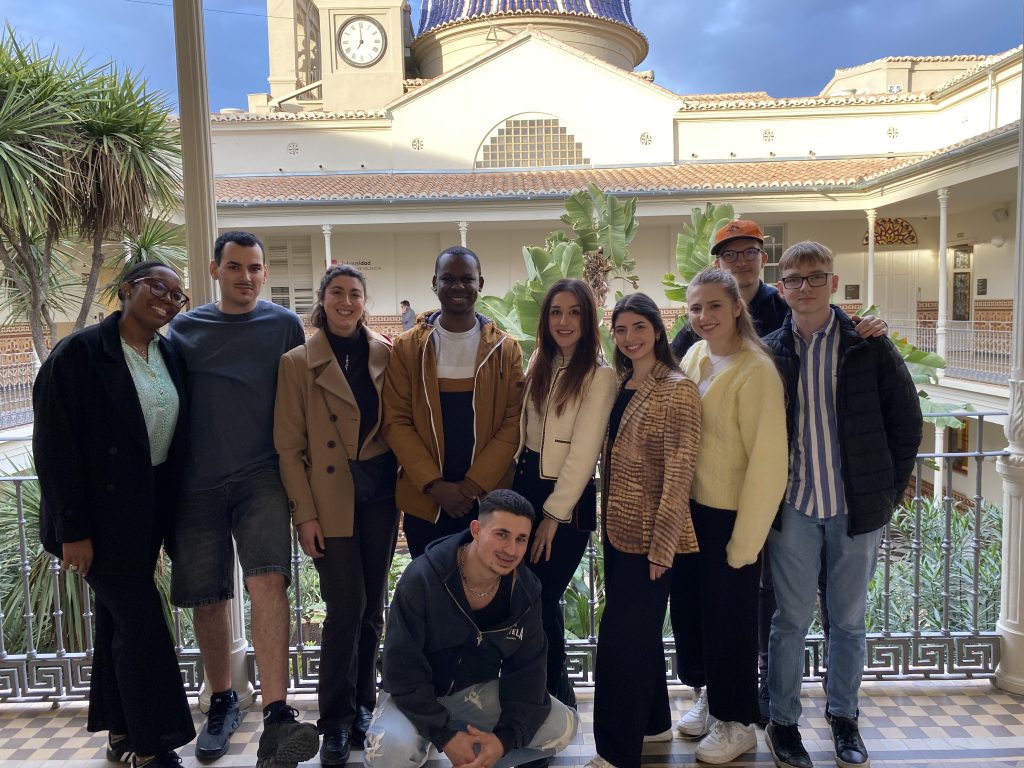
From February 9–13, the ChallengeEU Ambassadors Week took place at Universidad Europea de Valencia, a university that co-creates the ChallengeEU alliance. Students participated in workshops and other educational activities, became familiar with the university and its campus, and had the opportunity to immerse themselves in Spanish culture. Julia Wysocka and Temitope Francis share their impressions of the trip and their experience serving as ambassadors of the alliance. What memories did you bring back from your trip to Valencia? Julia Wysocka (J.W.): It was one of the best trips of my life, largely thanks to the weather (laughs), but speaking seriously, the most valuable part was meeting the other ambassadors. Already during our visit to Hochschule Offenburg last December [in Germany, at the leader of the ChallengeEU alliance – editor’s note], I was surprised by how quickly we bonded. Even though we come from so many different countries, speak many languages, and follow different religions, we formed a close-knit group. That’s why, for me, the most important lesson from such trips is that if we remain open, no borders will exist. Temitope Francis (T.F.): For me, it was also very important that I could meet people from all over the world. It broadened my horizons and opened my eyes to the fact that no matter where we come from, we are all the same, because we are all human. I am also very glad that I had the chance to meet students studying fields other than journalism — it was a very interesting experience for me. Temi, at the university in Valencia you gave a presentation on how the war in Ukraine is portrayed in Polish media compared to Western media coverage. What kind of reception did you receive? T.F.: I’m glad I had that opportunity and I’m satisfied, especially since the students were very interested in the topic, as shown by the many questions I received after the presentation. For example, they were curious about where reliable and up-to-date information on the war in Ukraine can be found. And for you, Julia, what was the most instructive among all the activities you took part in? J.W.: I really enjoyed all the workshops and training sessions. They convinced me that practice is more important than theory. This became especially clear during the workshops where we talked about openness, diversity, equality, inclusivity, and different cultures. There was a presentation followed by a discussion, but what mattered most to me was that we could also share our own experiences and reflections. For example, it turned out that we do not always fully understand the limitations faced by people with disabilities — if we do not experience similar challenges ourselves, we simply do not notice them. That is why it is important to keep our eyes wide open. Were you asked questions about Poland and the University of Warmia and Mazury? J.W.: Yes, we were asked about Poland many times. Already during the first workshop devoted to Spanish culture and the Spanish language, we shared linguistic and cultural differences. However, the topic came up most strongly during a meeting with students who had decided to participate in the Erasmus program and were going to Poland or were still choosing — for example, between Germany and Poland. Rafał [Pirsztuk — UWM ambassador in the ChallengeEU alliance — editor’s note] and I shared the Polish perspective, while Temi and Georden [Shaw — UWM ambassador in the alliance — editor’s note] talked about what it is like to be an international student at the University of Warmia and Mazury. I’m glad that others are curious about our country, our culture, and what studying here is like, and I must admit I haven’t heard any stereotypes about Polish people. T.F.: We all spoke very positively about the University of Warmia and Mazury — truthfully so, because if we felt otherwise, we would not be studying here, although each of us has a slightly different perspective. I think it was an excellent opportunity to promote our university, which we did. I would also like to add that for us, international students, being able to study here is something wonderful. I have also studied at other universities, including in Greece and Romania, so I also have experience from different places around Europe. It is worth emphasizing that no other university has a campus like Kortowo — not even Universidad Europea de Valencia (laughs). As for Poland, we see only two downsides: the Polish language, because it is very difficult, and the weather, because it is too cold (laughs). How do you find yourselves in the role of UWM ambassadors in the ChallengeEU alliance? J.W.: At first, I wasn’t sure what to expect, but it turned out to be a fantastic experience. And it’s not even about the opportunity to travel to other universities — the most valuable part, which I would like to emphasize once again, is meeting the other ambassadors. We have grown very close and remain in constant contact. If it weren’t for ChallengeEU, we probably would not have had the chance to meet, and even if we had, we wouldn’t have had something that connects us so strongly. Moreover, thanks to this role, we learn many interesting and useful things, for example how to apply for various European programs, and we have the opportunity to take part in valuable training sessions. Every day I am grateful that my application to become a ChallengeEU ambassador was accepted. T.F.: For me, as a student from another continent, being an ambassador of the ChallengeEU alliance has opened me up to Europe — its advantages, problems, and challenges. It is an honor to serve in this role and to participate in all these meetings, which are based on the ideas of openness, diversity, and inclusivity. It shows that Poland is very open and attentive to what people of other nationalities have to say, and the fact that the alliance’s ambassadors come from different continents demonstrates that even if we are
Branding, or building identity. Workshops in Poland
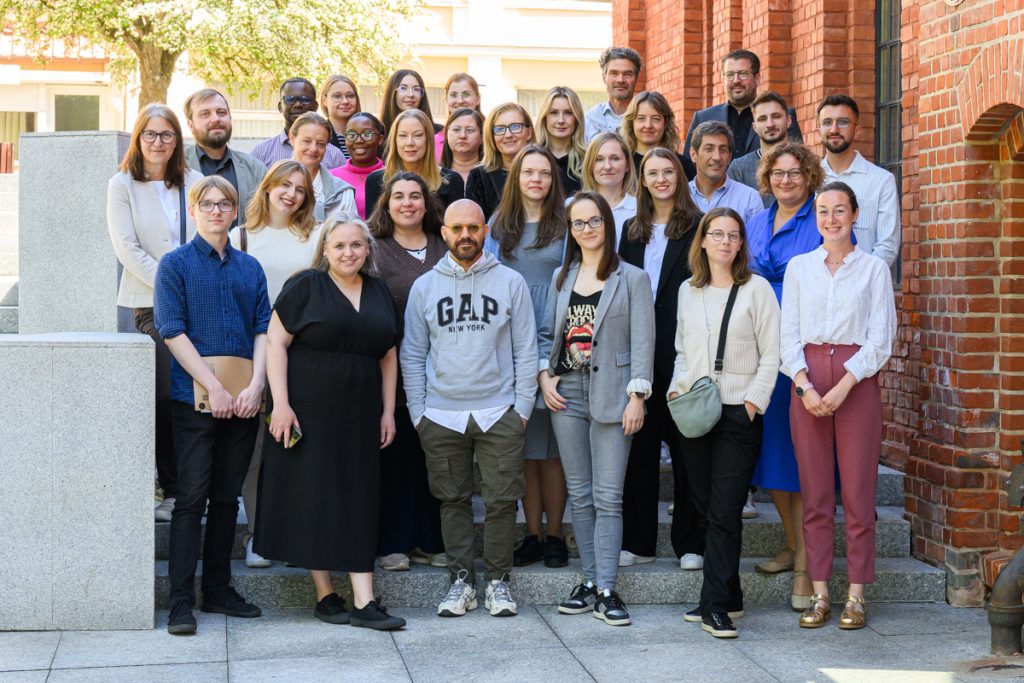
Representatives of the nine universities forming the ChallengeEU alliancemet at the University of Warmia and Mazury in Olsztyn (Poland) to discuss how to communicate and disseminate the alliance’s activities, which aim to open new opportunities for members of the academic community. To discuss the image of the ChallengeEU alliance and strategies for reaching various target audiences, representatives from all partner universities gathered in Olsztyn. Among them, the largest group consisted of those responsible for communication within the project. Also present were leaders of other work packages and the Secretary General of the alliance. All had the opportunity to connect with UWM staff involved in other parts of the project. The workshops were also attended by Prof. Paweł Wielgosz, UWM’s Representative for European Universities. Branding – Building the Identity of the Alliance The identity and future of ChallengeEU will be shaped by those who co-create it and seize the opportunities it offers. However, its image—especially in the eyes of individuals or companies potentially interested in collaborating with the universities—will also play a vital role and should be considered from the very beginning. Working on the alliance’s identity means also working on its visual communication and messaging—key elements that ChallengeEU will use to connect with others. Learning from One Another and Combining Our Strengths The second day was equally productive, featuring workshops and a working meeting held at the UWM Center for Marketing and Media. “A very important part of the visit was the opportunity for our guests to explore various units of UWM — including the editorial offices of the university media, the Office for International Cooperation, the Student Affairs Office, the Center for Cooperation with the Socio-Economic Environment, as well as selected faculties,” explains Dr. Marta Śliwa. “It was a great opportunity to present UWM’s educational offer and scientific potential, but also for our community to learn more about the ideas and objectives of the ChallengeEU alliance.” – “The meeting in Olsztyn was very highly rated by all participants, which is a great joy for us. We feel that thanks to this event, ChallengeEU has truly found its place within our university’s academic space.” Participants of the workshops in Kortowo also emphasized how meeting in person made them realize how strong their relationships have already become — and how positively this strengthens their collaboration. Together with all those involved in the project, they are gradually building the foundation for a shared, open, and inclusive campus.
UWM Celebrated Joining the ChallengeEU Alliance
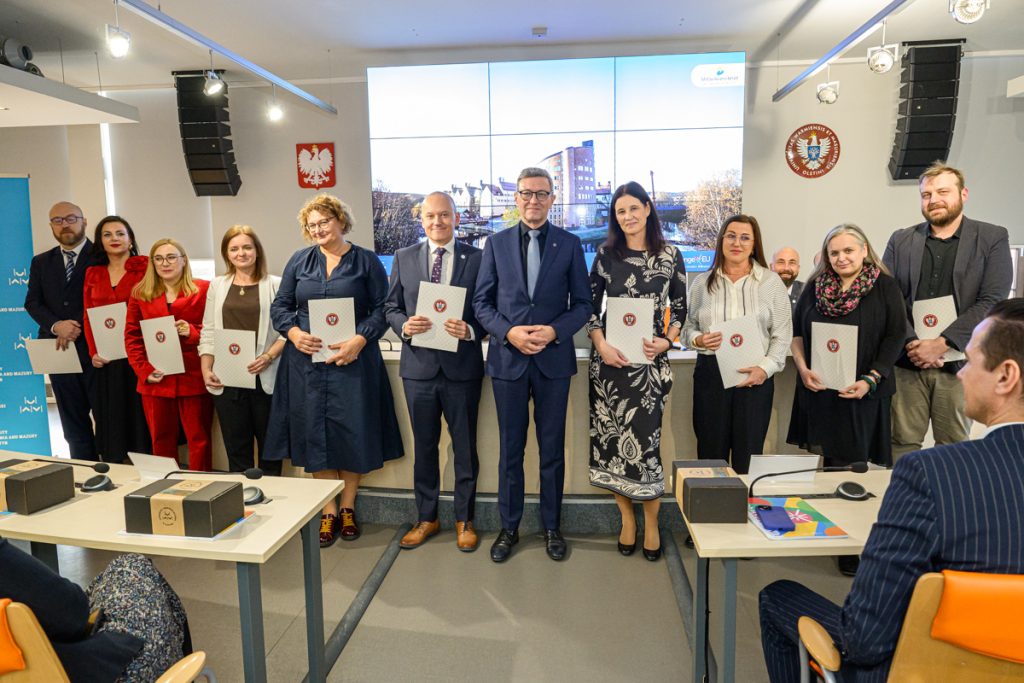
The University of Warmia and Mazury in Olsztyn (UWM) has officially joined the ChallengeEU alliance, marking a significant step in its international development. The official celebration took place on Wednesday, 5 March 2025, at the university’s main campus in Olsztyn. During the event, Prof. Jerzy Przyborowski, Rector of UWM, formally presented appointment certificates to the university team members engaged in the project. As he emphasized, participation in the ChallengeEU alliance represents a strategic opportunity not only for the university itself but also for the broader development of the region. The meeting served as an occasion to introduce the vision and objectives of ChallengeEU to the university community and regional stakeholders. Prof. Paweł Wielgosz, UWM’s Coordinator for European Universities, highlighted the several years of intensive preparations that led to the university’s inclusion in the alliance. He also underlined the significance of this achievement, noting that currently, fewer than 10 percent of higher education institutions in Europe are members of university alliances under the European Universities initiative. The event brought together representatives from local government, business sectors, and non-governmental organisations, who expressed their enthusiasm and support for this international academic collaboration. Joining ChallengeEU opens new paths for innovation, mobility, and excellence in education — and UWM is proud to be part of this shared European vision.