Bridging Regions – Connecting Universities: ChallengeEU meets at University of Warmia and Mazury
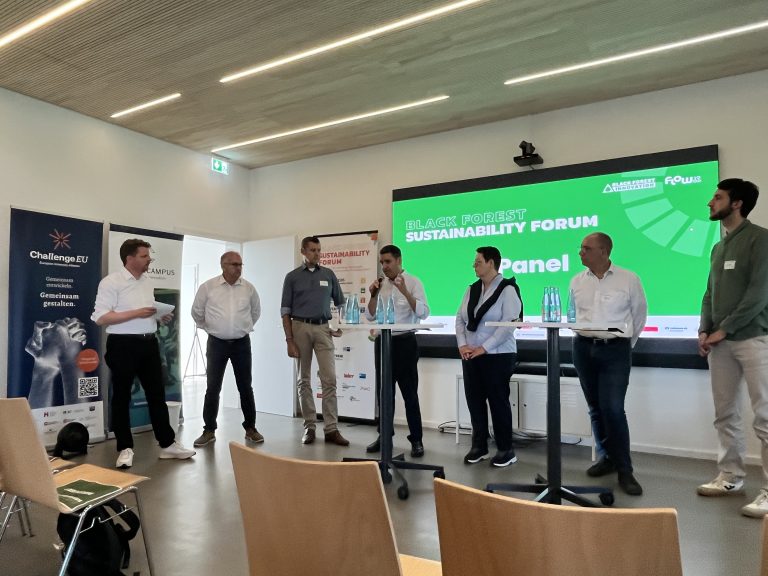
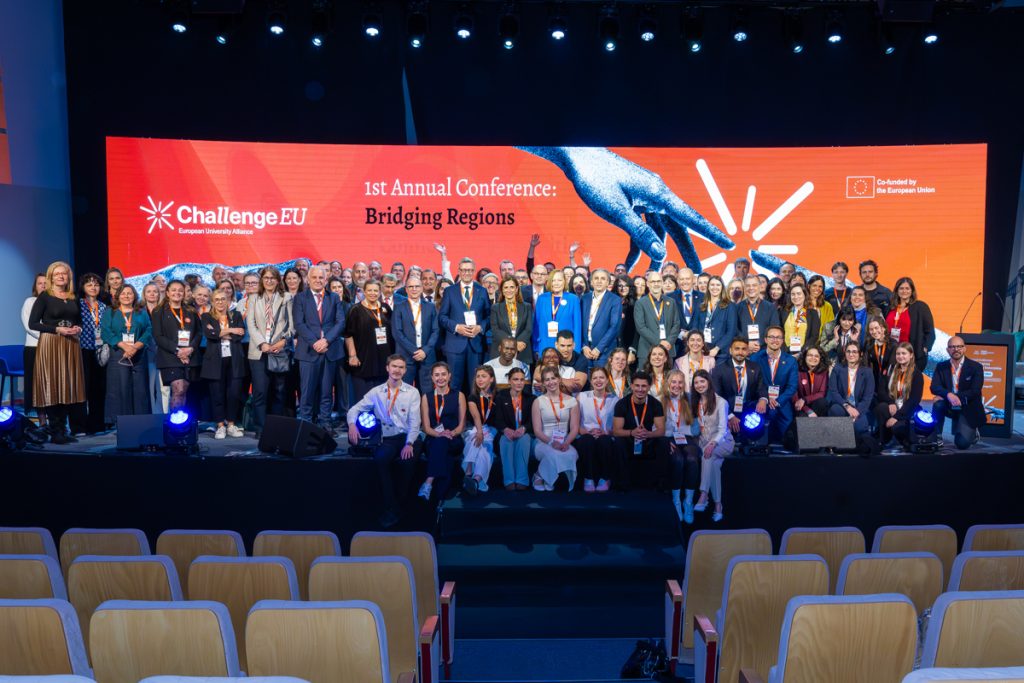
For two days, the University of Warmia and Mazury in Olsztyn became the beating heart of the ChallengeEU Alliance. Created within the framework of the European Universities initiative, ChallengeEU brings together nine institutions from different parts of Europe under a shared banner. Together, they are working on solutions that will support not only their own development, but also the future of European higher education and the regions in which they operate. On 6–7 May, UWM hosted the ChallengeEU 1st Annual Conference.
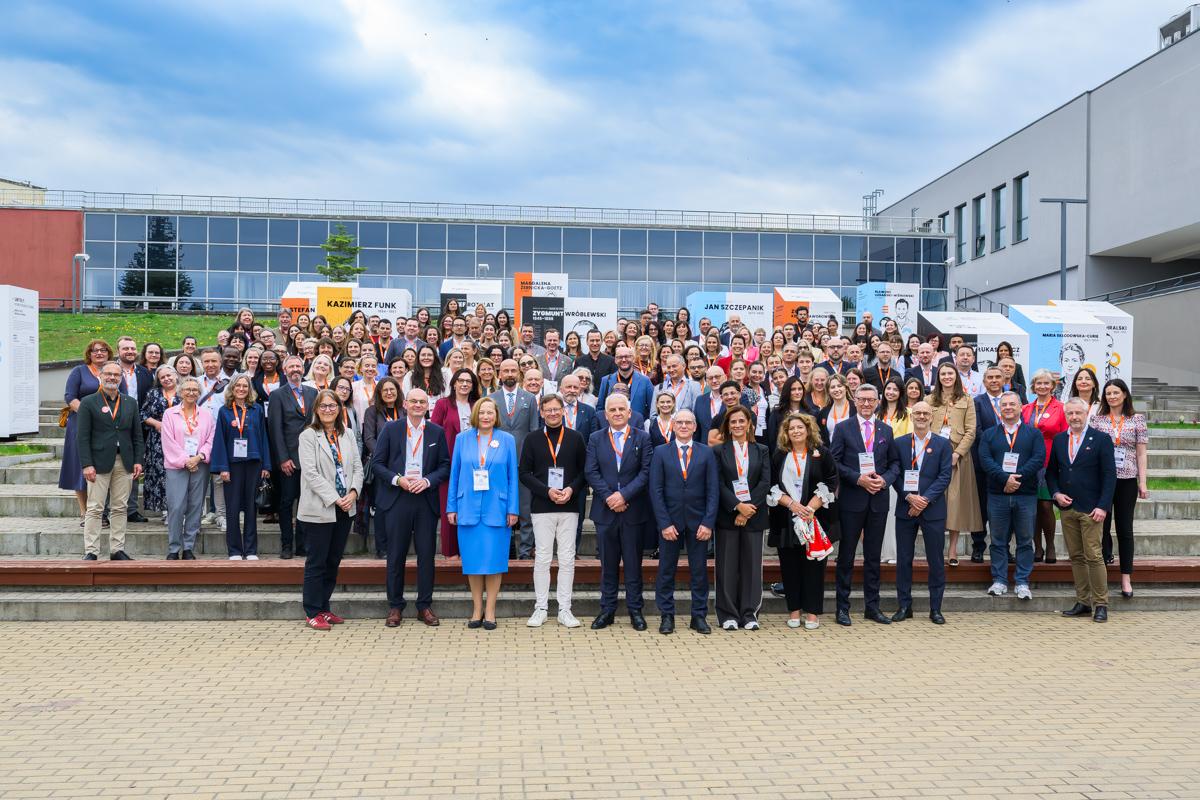
The ChallengeEU Alliance’s journey began several years ago. It brings together Hochschule Offenburg, South East European University, ECAM LaSalle, Mid Sweden University, Universidade Europeia, Latvia University of Life Sciences and Technologies, Universidad Europea de Valencia, Fachhochschule Nordwestschweiz (FHNW) and the University of Warmia and Mazury in Olsztyn. All these universities took on a shared challenge — quite literally — to create an alliance aligned with the idea of European Universities. Achieving this goal meant meeting not only formal requirements. All the work invested in agreeing on a common plan, developing a strategy and addressing many other issues was rewarded with approval to establish the Alliance, which began its activities in 2025.
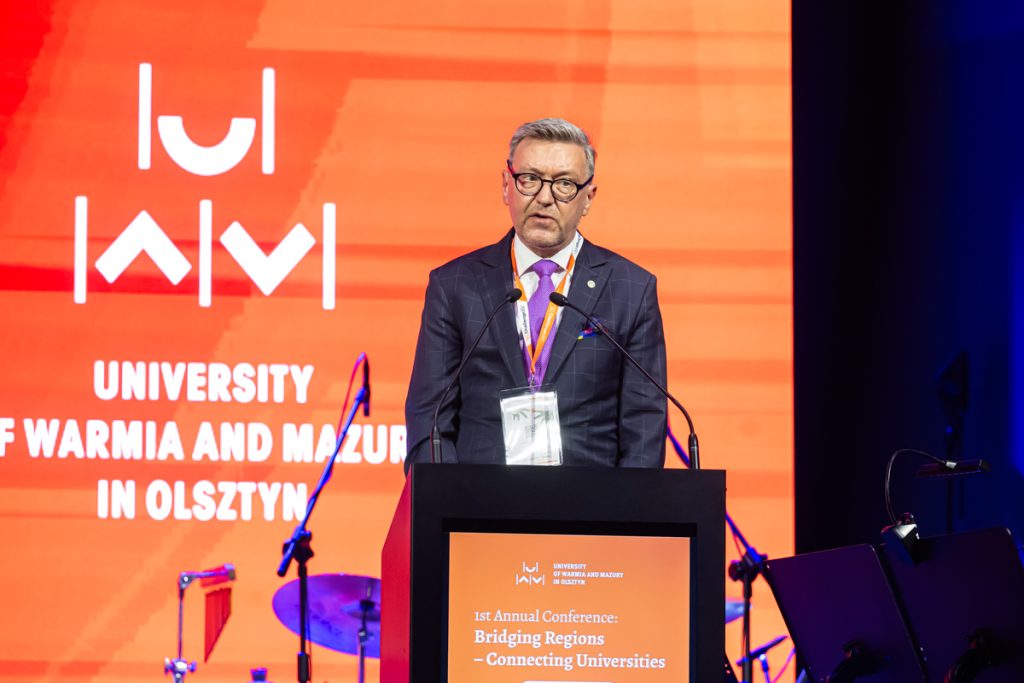
“Faced with a challenge, we basically have two choices: approach or avoid. The fact that we’re all here today shows clearly that not only have we approached our Challenge, but we have also managed it quite well (…). But our Challenge doesn’t stop here; and this ChallengeEU First Annual Conference is not a grand finale; it’s a stepping stone because there’s still work to be done, there are still challenges ahead. We’ll be spending these two days exchanging ideas on how to implement our strategies not only in the world of academia, but also in the communities around us, bridging the gap between regions in the same way as we have bridged the gap between our universities”, reminded Dr Czesław Kiński, the conference host. He added: “Over these two days, we will exchange ideas on how to implement our strategies not only in the academic world, but also in the communities around us, bridging differences between regions in the same way as we bridge differences between our universities.”
“Five kilometres from this room, in a red-brick castle on a hill, a young canon once spent his evenings looking at the stars. His name was Nicolaus Copernicus. He lived here, in Warmia, for over forty years. He was not yet famous. He worked, as we might say in the language of today’s funding bodies, ‘based at a regional institution’. And from that so-called regional institution, he moved to the centre of the universe,” said Prof. Jerzy Przyborowski, Rector of the University of Warmia and Mazury in Olsztyn, during the opening of the conference. He stressed that, in his view, the famous Polish astronomer would have understood the idea behind the ChallengeEU Alliance. “Copernicus understood that ‘the centre’ is not a place. It is a question. And whoever is brave enough to ask better questions becomes, for that moment, the centre of the world.. In this hall today, I see representatives of nine universities who have decided to ask better questions. Questions about how regions and universities can support each other. About how the green transition can also be a just transition. About how challenge-based learning can replace lecture-based forgetting. About what European belonging means when the borders of Europe are once again being renegotiated, sometimes peacefully and sometimes not.”
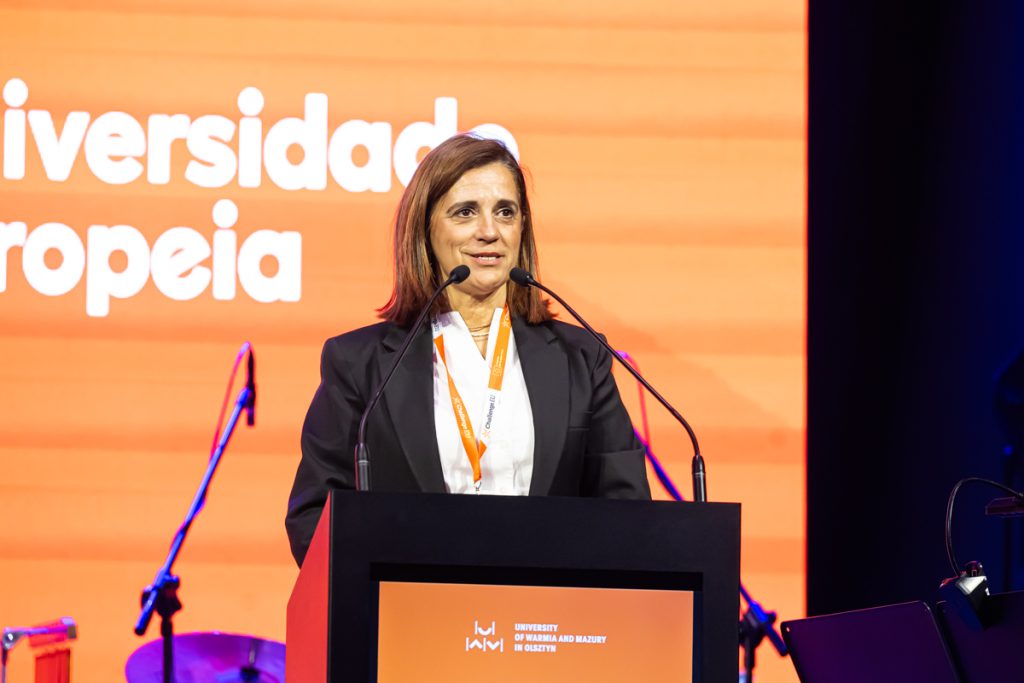
What brings the ChallengeEU community together is not only a readiness to ask questions and push boundaries, but also enthusiasm. This was exactly what Prof. Hélia Gonçalves Pereira, Rector of Universidade Europeia in Lisbon, spoke about when welcoming the conference guests on behalf of the Strategy Board.
“When we created this alliance, some said that such an undertaking was impossible; others argued that it was possible, but would be very, very difficult. Today, we can proudly say that we have succeeded — that our dream has come true,” said Prof. Hélia Gonçalves Pereira. “ChallengeEU involves more than 90,000 students, teachers, researchers and partners, working in areas that are crucial not only for the universities forming the Alliance, but also for Europe: mobility and cooperation. As we work to make this ecosystem function as effectively as possible, we are accompanied by great enthusiasm. There is no doubt that in these strange, yet exciting times, we need more and better knowledge.”
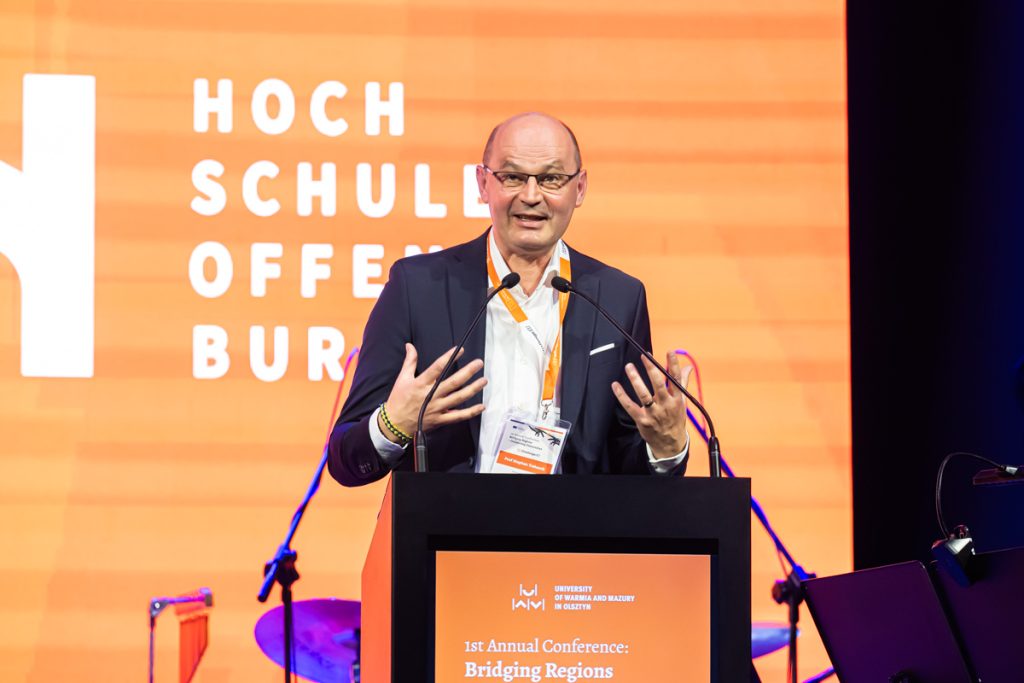
Prof. Stephan Trahasch, Rector of Hochschule Offenburg, the Alliance’s leading institution, drew attention to the goal that had guided the project from the beginning.
“When we brought this alliance to life many months ago, we had a clear vision of what we wanted to do: we wanted European universities to cooperate not only on paper, but in practice, and to take on concrete challenges with a real impact on the world around them. What I see today strengthens my belief that the path we have chosen is the right one,” Prof. Trahasch emphasised.
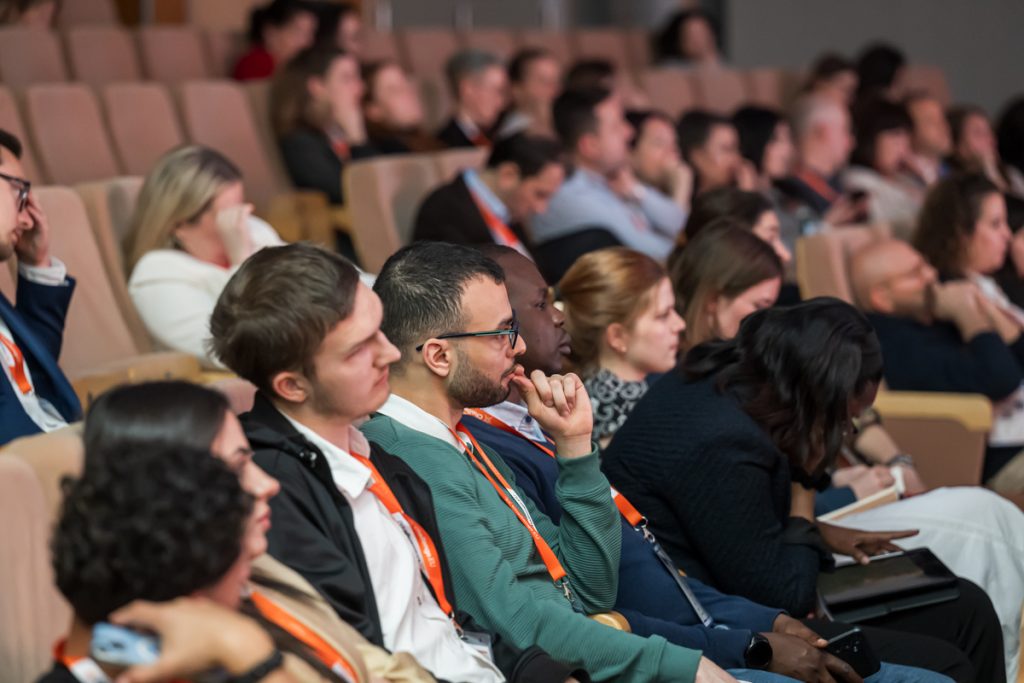
The HSO Rector gave a particularly warm welcome to the students taking part in the conference.
“You are not guests at this meeting — you are the reason this alliance exists, and you are the heart of this alliance. Every partnership we build and every barrier we overcome is for you and, most importantly, with you. Your energy and commitment are what make this alliance truly European,” said Prof. Trahasch.
Universities have an impact
The first Annual Conference of the Alliance was held under the motto “Bridging Regions – Connecting Universities”. It referred to the idea from which ChallengeEU has grown, and whose practical expression can be seen in the long-standing partnership between Offenburg and Olsztyn, as well as in the cooperation between Hochschule Offenburg and the University of Warmia and Mazury that emerged from it.
This cooperation would not have been possible without Maria and Georg Dietrich, the founders of the foundation which continues to strengthen relations between the two cities and universities to this day. Julia Ritter spoke about her grandfather’s work and her readiness to continue his mission. Interestingly, the same panel also featured Maciej Madeksza, a teacher from the Maria and Georg Dietrich XII Academic High School in Olsztyn, named after the foundation’s founders and run by the University of Warmia and Mazury.
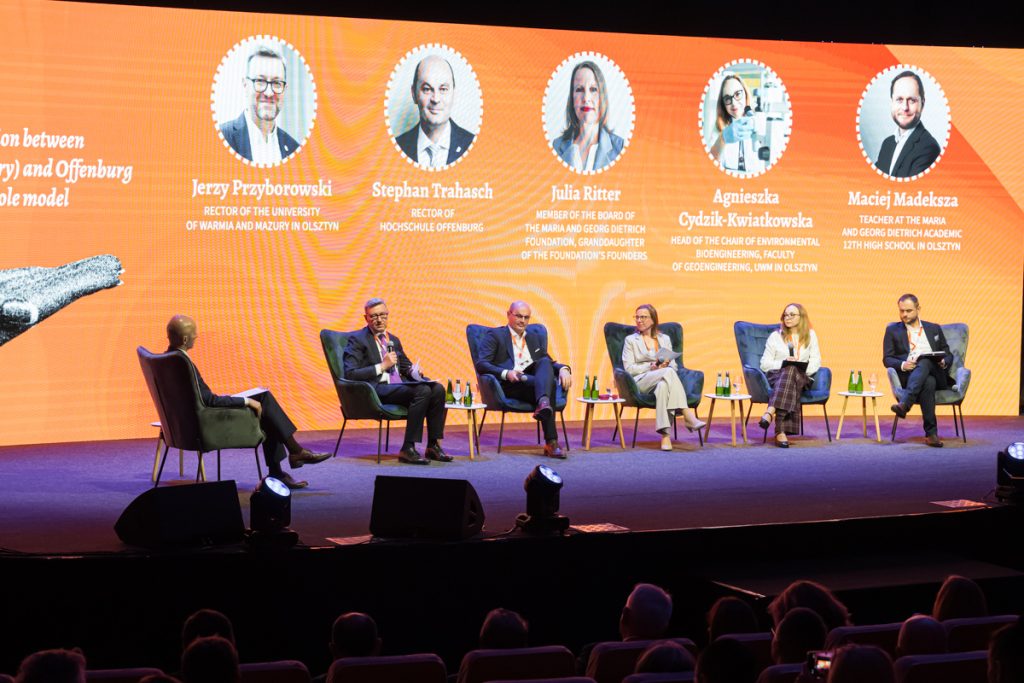
Prof. Jerzy Przyborowski and Prof. Stephan Trahasch, in turn, spoke about cooperation between universities which, despite being separated by hundreds of kilometres, continue to find new ways to combine their potential and set themselves new challenges — both in teaching and in research. Prof. Agnieszka Cydzik-Kwiatkowska from the Department of Environmental Biotechnology, where joint education with the German university has been conducted for almost two decades, also shared her reflections on this topic.
The second plenary session focused on engagement for inclusive digital, green and social transitions. The discussion featured Veland Ramadani, Vice-Rector of South East European University; Bartłomiej Kowalik, a representative of the friendly alliance Colours European University Alliance; and Iwona Kieda from InLife, the Institute of Animal Reproduction and Food Research of the Polish Academy of Sciences, a ChallengeEU Associated Partner.
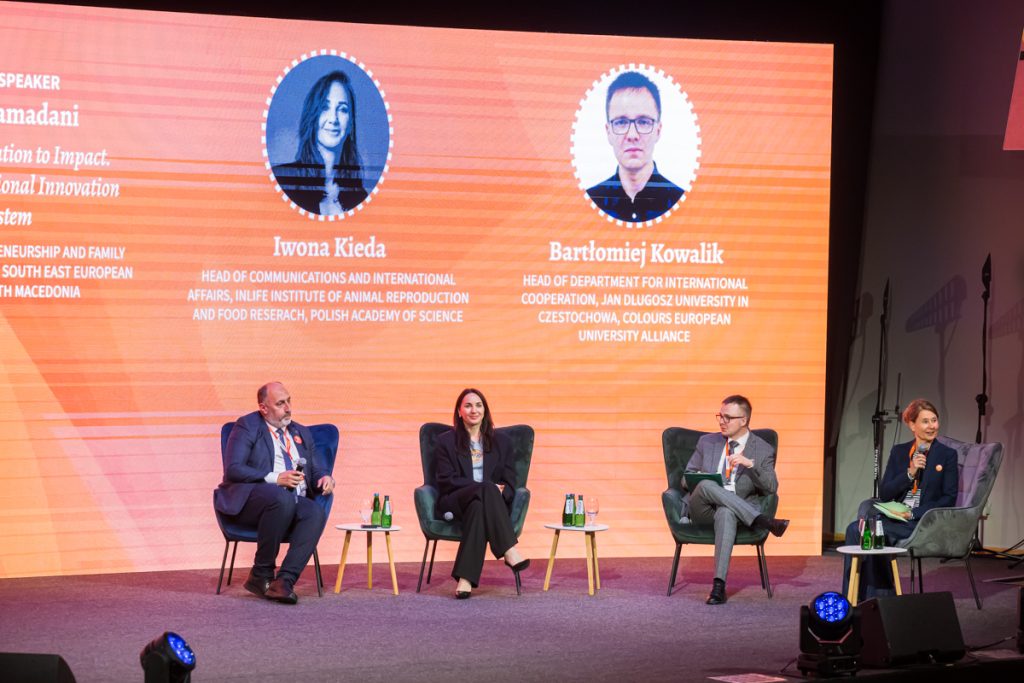
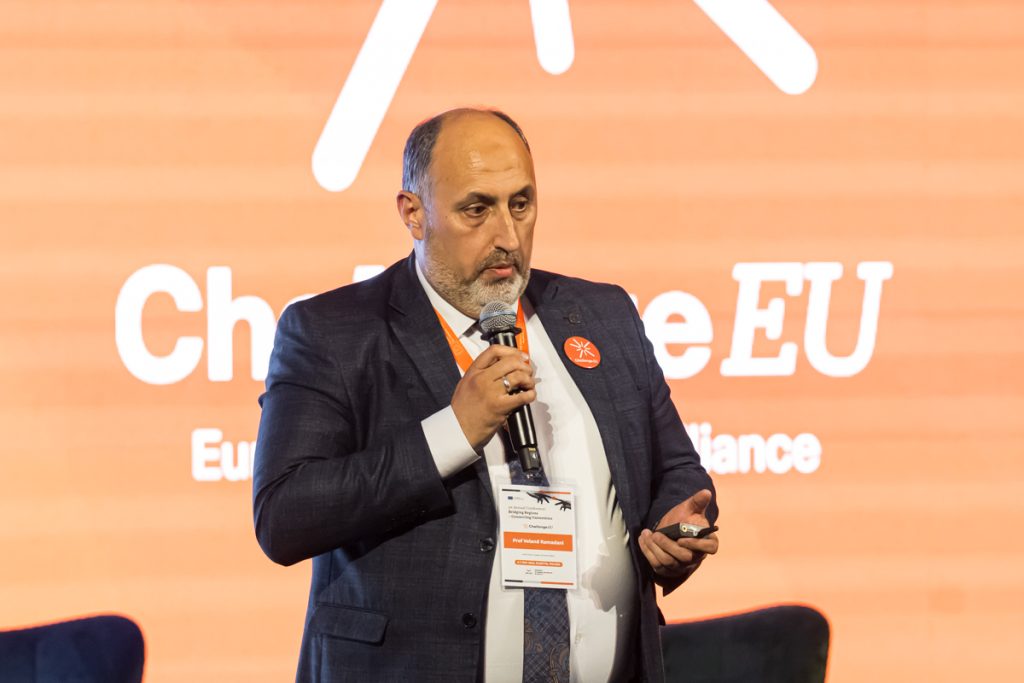
Before the panel discussion moderated by Ilona Maier began, the SEEU representative delivered a short presentation entitled “From Fragmentation to Impact: Rethinking the Regional Innovation Ecosystem”.
Meetings focused on the future
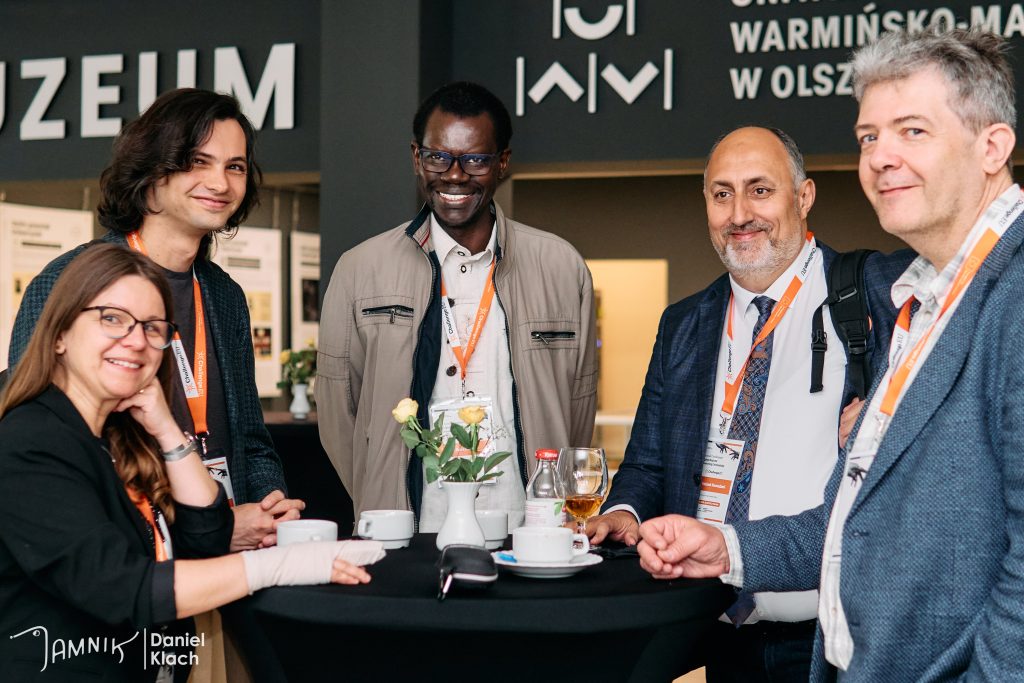
The first ChallengeEU Annual Conference was organised by the team from the University of Warmia and Mazury, led by Prof. Paweł Wielgosz and Dr Marta Śliwa. During the event, numerous meetings were held by working teams and bodies operating within the Alliance structure. UWM’s guests also used the opportunity to network and identify even more areas where cooperation is possible.
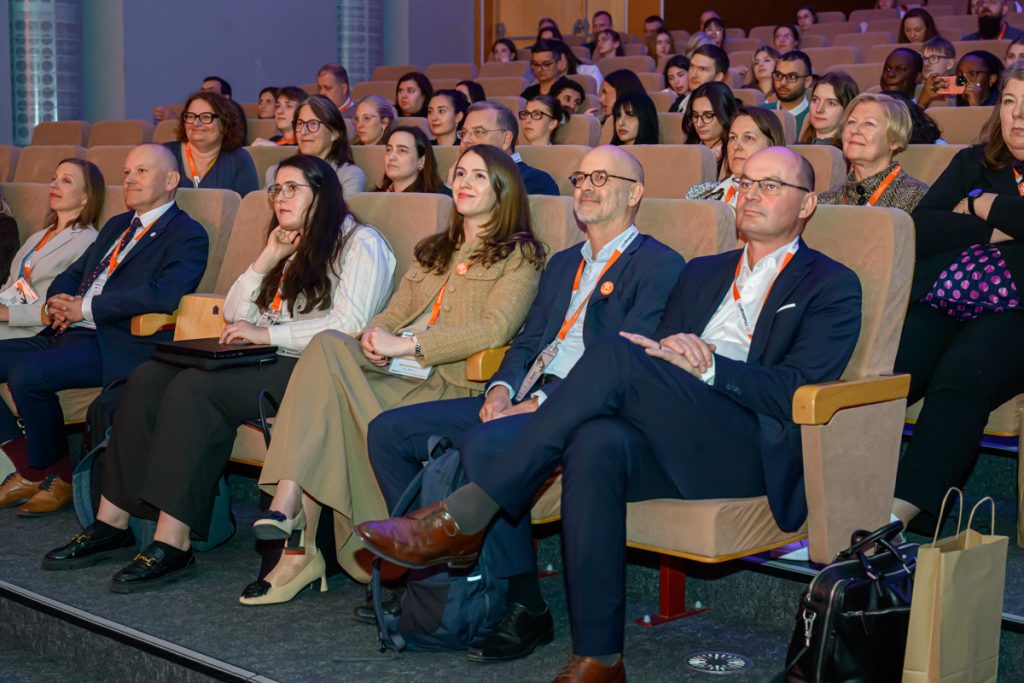
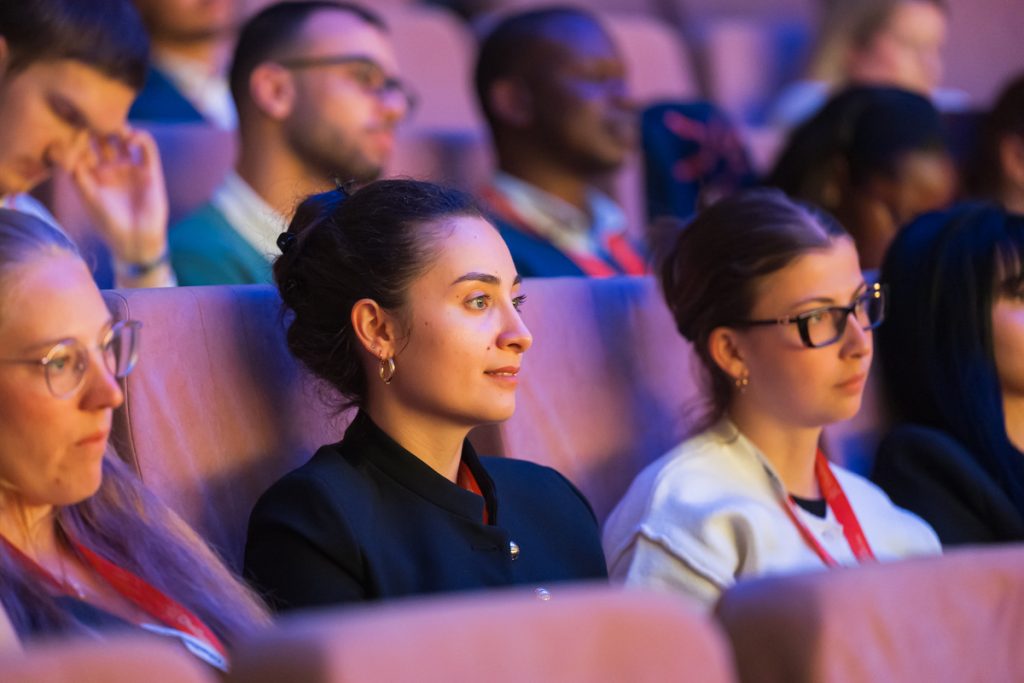
A special conference programme was prepared for students, who took part in communication workshops and training devoted to building healthy relationships and promoting well-being. The event entitled “European Campus Quest: Kortowo Edition” helped them discover UWM’s academic campus in an engaging and interactive way, while also strengthening teamwork and intercultural communication. Through tasks connected with important places on campus, student traditions and academic life, participants came to see Kortowo as a space of community.
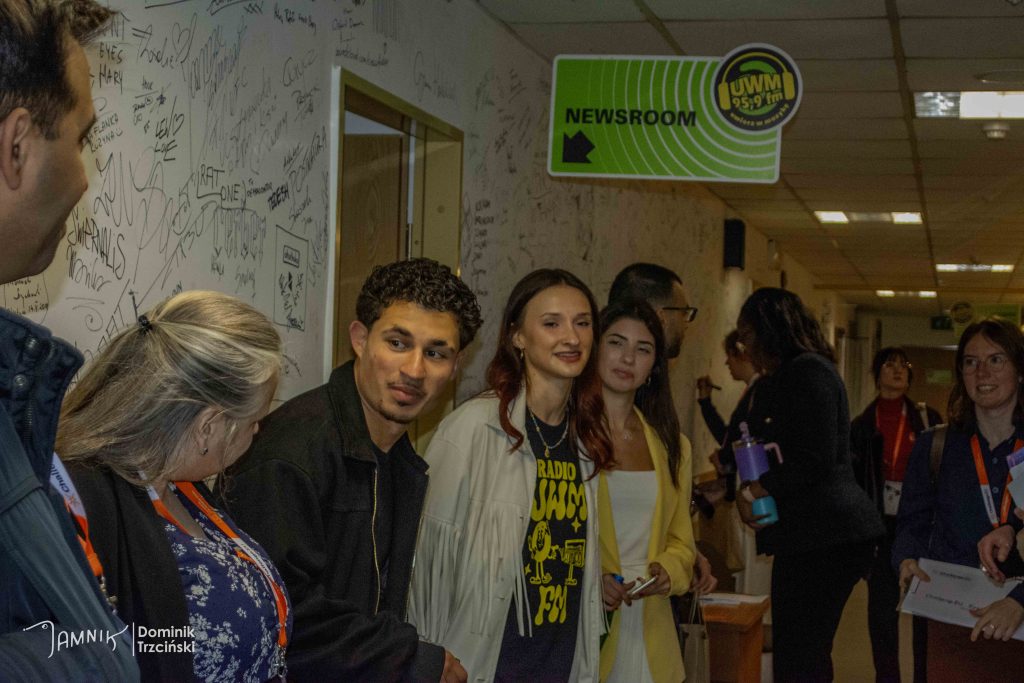
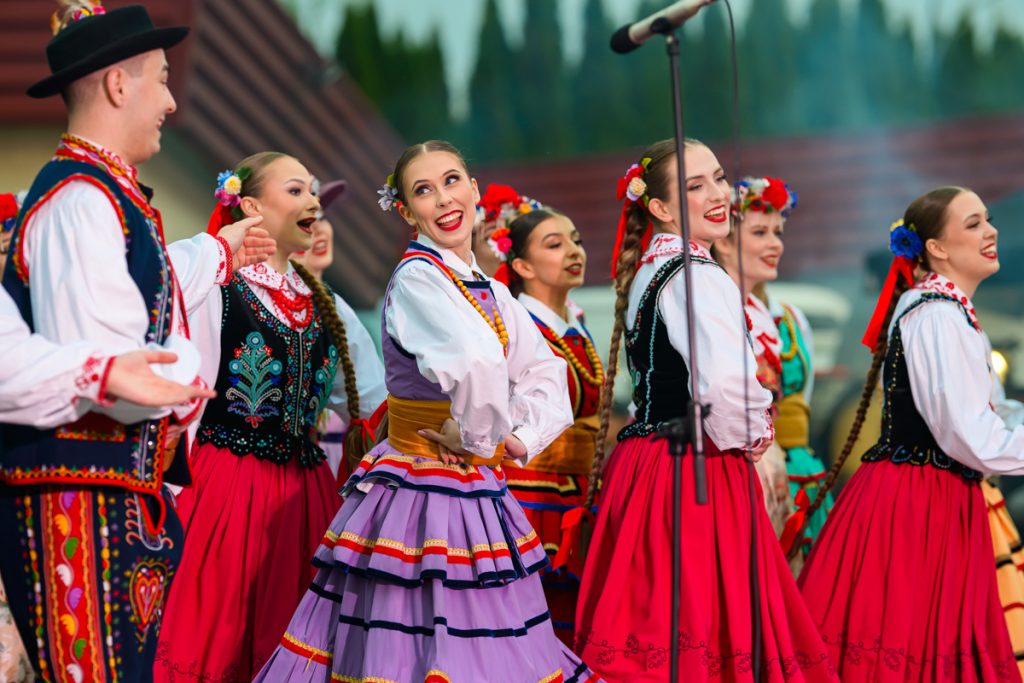
“I really like the conference, not only because it is wonderfully organised, but also because of the people we can meet here. There is nothing more valuable than meeting those who inspire us. Your university and campus seem completely different from what I am used to in Spain, and I have no doubt that being able to discover this different perspective, one that was previously unknown to me, is enriching,” said Rocío Bagán, a ChallengeEU Ambassador from Universidad Europea de Valencia. “I was impressed by the performance of the Kortowo Song and Dance Ensemble, which we had the chance to see during the official dinner. It was wonderful to see regional Polish dances, which — I have the impression — are much livelier than the dances from the region I come from. What was also amazing was that, although the performance presented Polish dances and the ensemble sang in Polish, I felt that I understood perfectly what was happening on stage. This means that the language of music and the language of dance know no borders.”
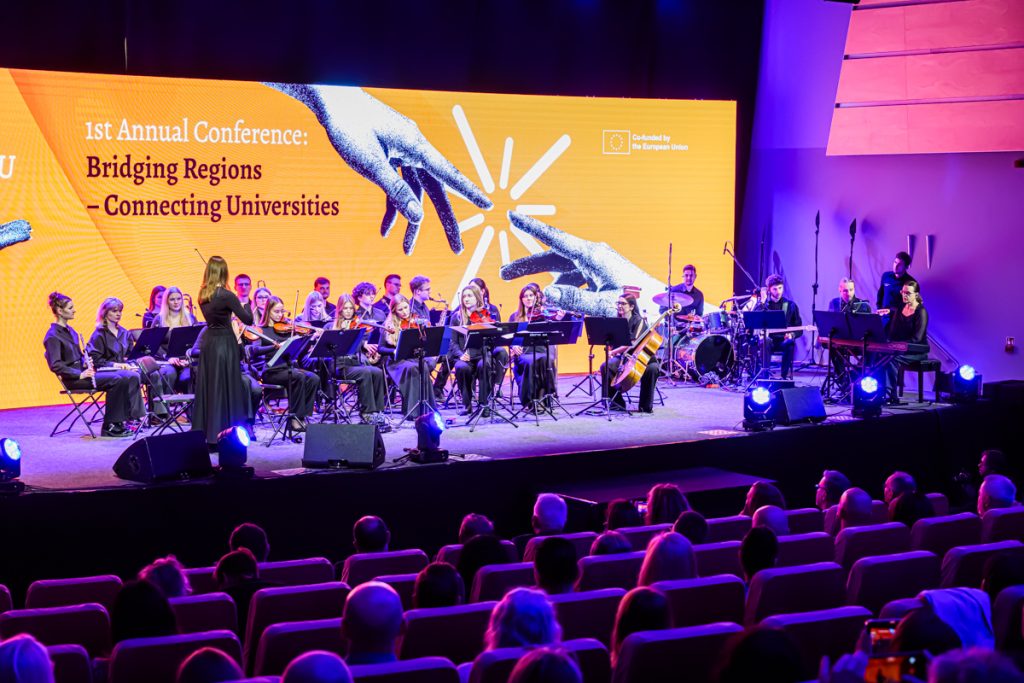
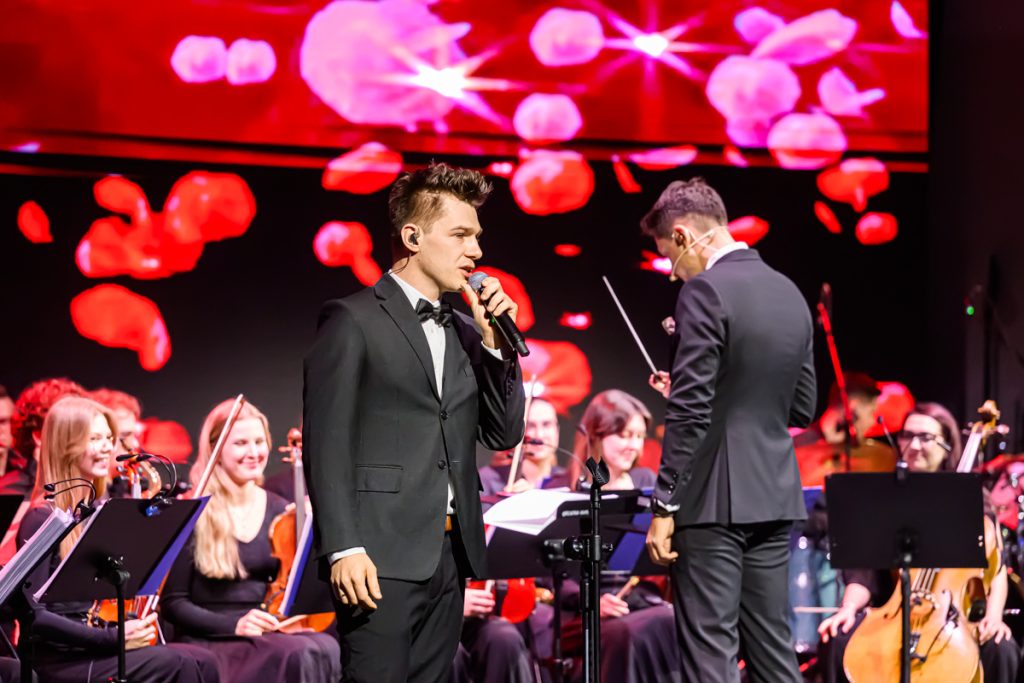
And since we are speaking about music, it is worth adding that several artistic groups active at UWM performed on the stage of the Conference Centre during the official opening of the event: the Wiktor Wawrzyczek Choir, the Academic Orchestra of the University of Warmia and Mazury, and the UWM Vocal Studio. The organisers could also count on the support of another UWM group, the Jamnik Photographic Agency, whose members made sure to capture as many memories from the event as possible.
Science that responds to challenges
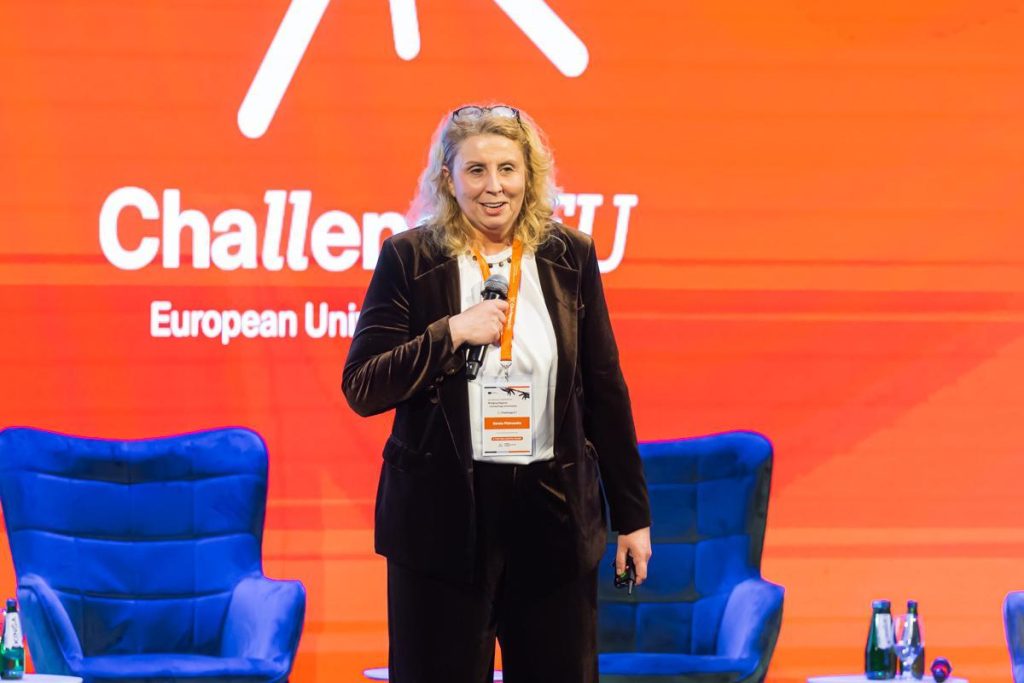
As already mentioned, the ChallengeEU Alliance aims to implement solutions that will successfully transform contemporary education. To make this possible, it is worth focusing, among other things, on education based on solving real-life problems. On behalf of the ECIU Alliance, Dorota Piotrowska from Lodz University of Technology shared good practices and experiences with the conference participants.
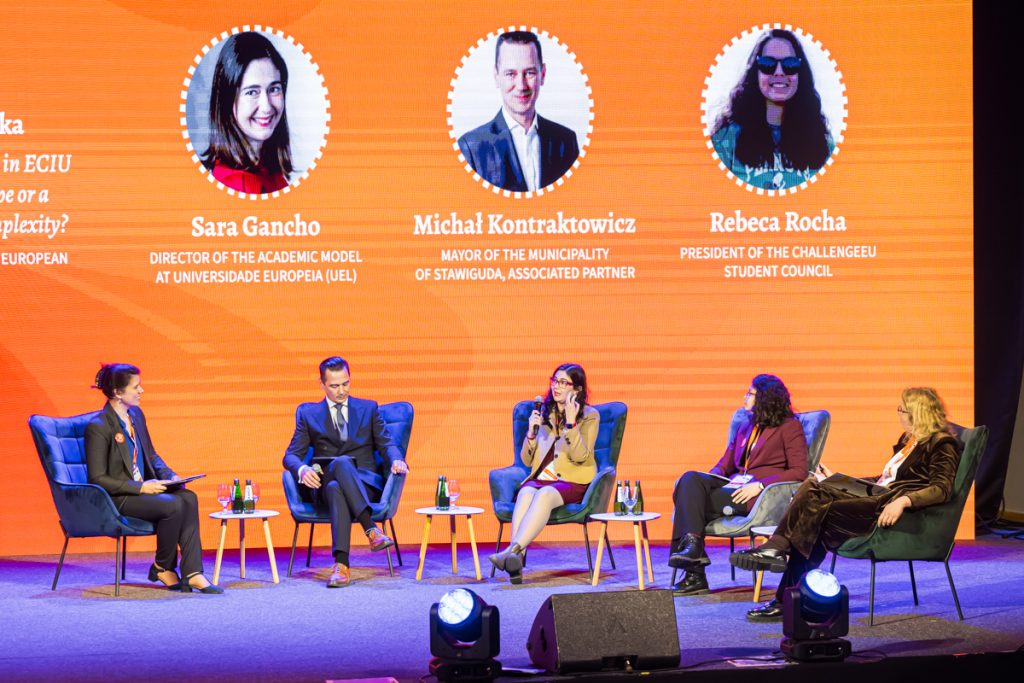
During the panel moderated by Caroline Hanras from ECAM LaSalle, participants also discussed joint projects carried out by UWM students and academic staff in cooperation with the Stawiguda municipality, represented by its Mayor, Michał Kontraktowicz. Sara Gancho from Universidade Europeia and Rebeca Rocha, President of the ChallengeEU Student Council, also shared their thoughts on modern teaching methods.
People at the centre
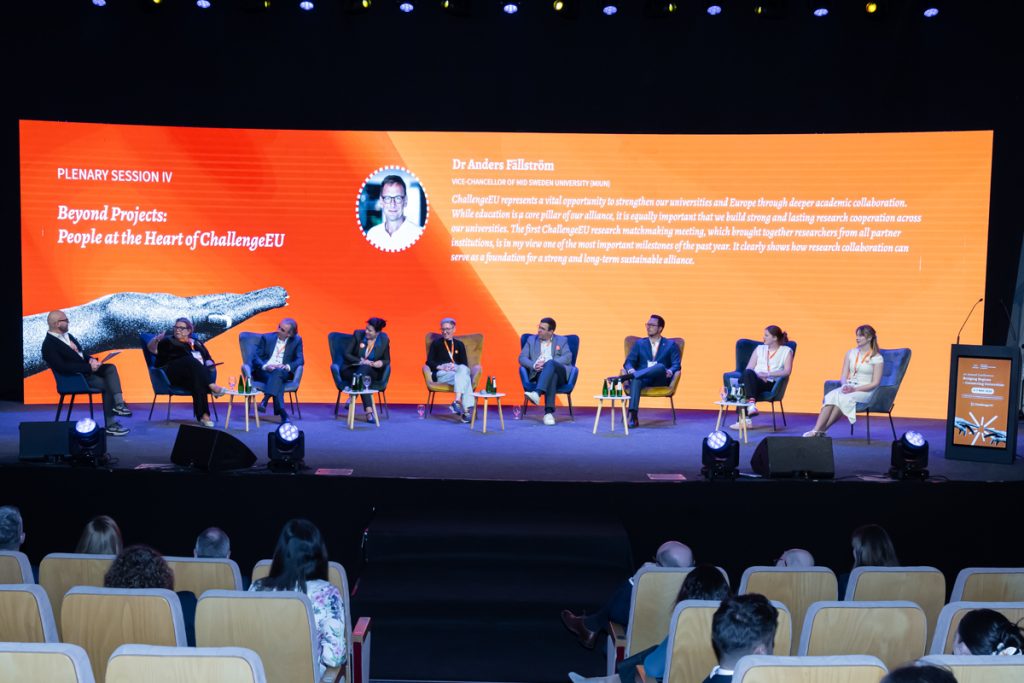
Just as Copernicus, invoked by Prof. Jerzy Przyborowski, placed the Sun at the centre of the universe, so the ChallengeEU Alliance places people at the centre of its activities. This was confirmed by nine different stories shared during the final panel.
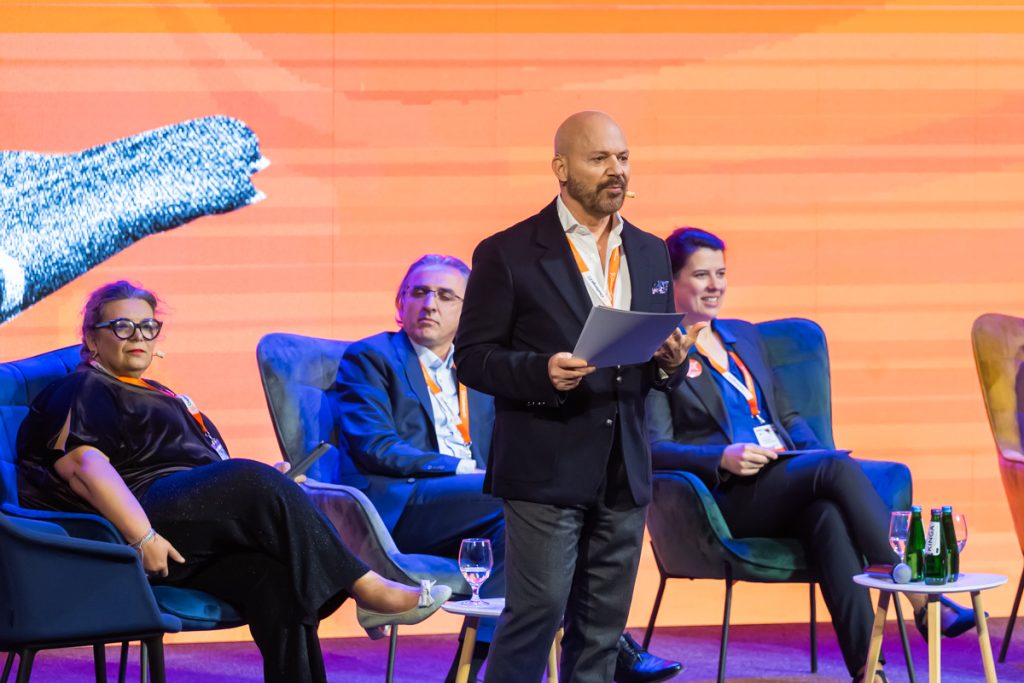
As its moderator, Emmanuel Haze, said, it was a story “a moments, people, and stories that give life to our Alliance”. The discussion therefore touched on challenges, exceptional encounters, relationships and deeply personal experiences from which one can draw strength and the conviction that the Alliance’s ideas — with respect for diversity and openness at the forefront — are not empty slogans.
A powerful continuation of these personal narratives with ChallengeEU at their heart was the speech delivered by the Alliance’s Managing Director.
“In June 2024, I met a colleague from Hochschule Offenburg, Anne Najderek [the Alliance’s first Managing Director — editor’s note], on a train. I was going home to Freiburg, and she was travelling to Basel for a meeting where the decision was to be made on whether the ChallengeEU project would be brought to life,” recalled Prof. Tobias Hagen. “I told her to let me know afterwards, and I still have the message she sent me then on my phone: it included both an emoji expressing joy and one expressing fear. At that moment, I could not have known that in the following years life would give me three wonderful gifts: the first was my first granddaughter, the second was my second granddaughter, and the third was the ChallengeEU Alliance. It has truly changed my life, and I would never have thought then that today I would be standing on this stage saying these words. I would like to thank all our Polish partners for the wonderful hospitality I first experienced in December last year. This conference has exceeded my expectations, so thank you very much.”
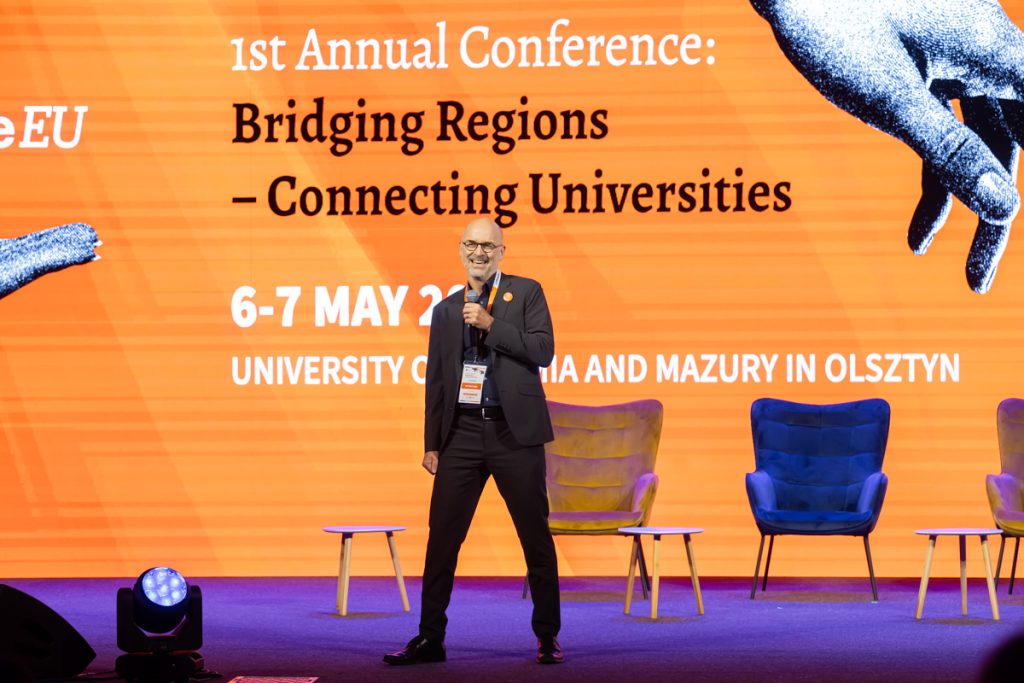
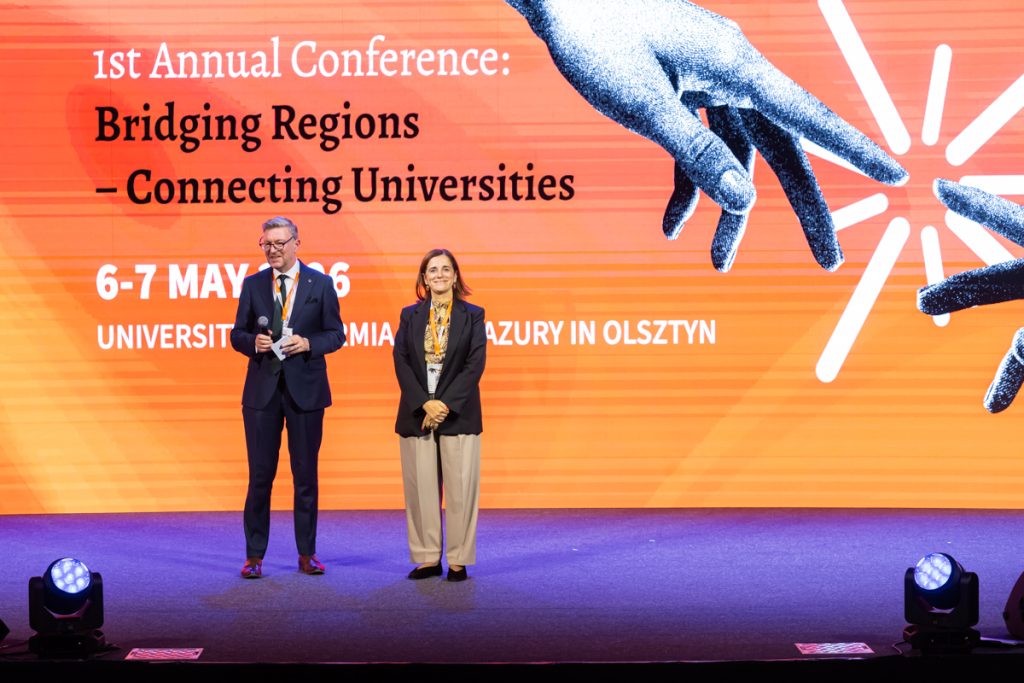
Prof. Jerzy Przyborowski did not shy away from emotion either in his closing speech, in which he reminded participants of the great value of being able to meet face to face. In a symbolic handshake, the UWM Rector “handed over” the conference to Prof. Hélia Gonçalves Pereira — it is Universidade Europeia in Lisbon that will organise the Alliance’s second Annual Conference, to be held in January 2027.
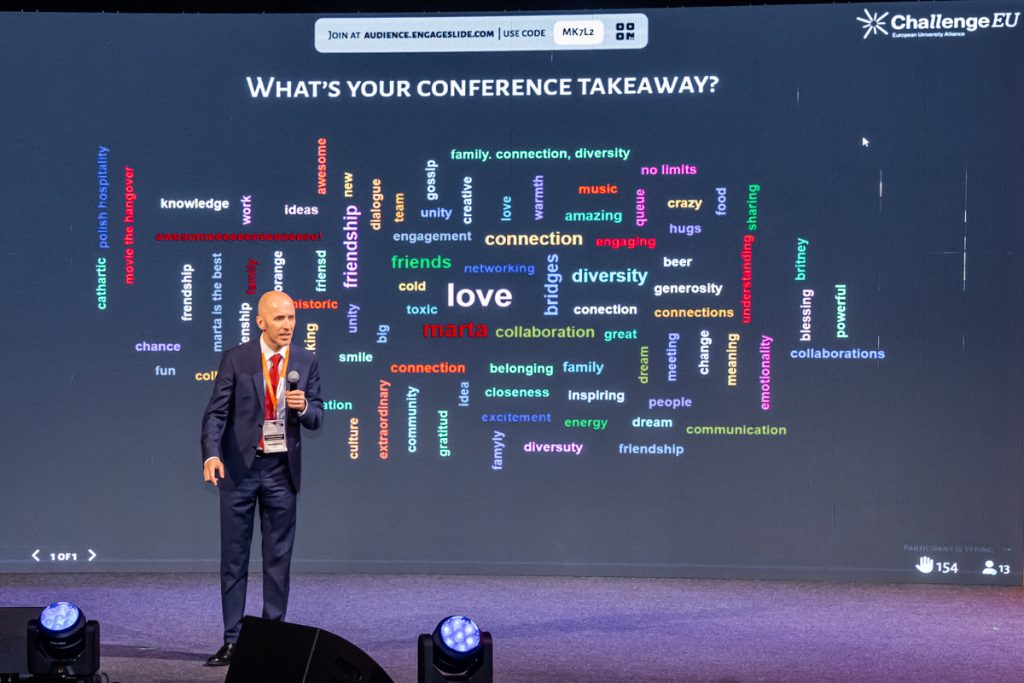
What will remain after the ChallengeEU Conference? There are at least as many answers as there were participants. Some of them were revealed through an activity proposed by the organisers. And although the word “love” as the winning answer in the vote may be something of an inside joke, the word “connection”, which appeared almost as often, is clear to everyone. The connections and bridges that the members of the Alliance symbolically build every day have the potential to change the reality of a great many people. Because, as Emmanuel Haze said, quoting Les Brown: “In every day, there are 1,440 minutes. That means we have 1,440 daily opportunities to make a positive impact.”

Daria
Contributor at ChallengeEU Alliance.
ChallengeEU Connects Polish and Latvian Foresters
Read article
ChallengeEU at the 4th European Universities Initiative Forum in Ireland
Read article