University Strengthens Ties with Tourism Sector in Lisbon
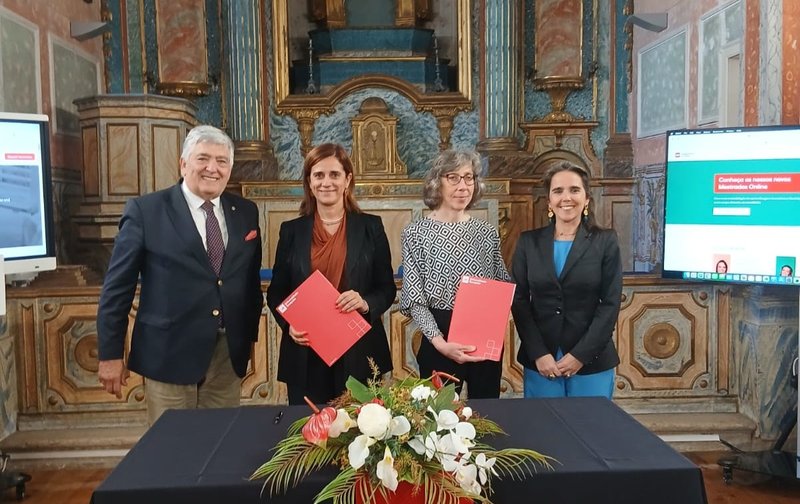
The Universidade Europeia recently welcomed Carla Salsinha, President of the Lisbon Regional Tourism Authority, for a meeting dedicated to exploring the challenges and opportunities shaping tourism in the Lisbon region. The session reinforced the institution’s commitment to fostering strong connections between academia and the tourism industry. In her opening remarks, the Rector of Universidade Europeia highlighted the importance of such partnerships as a reflection of the university’s teaching model—one that closely integrates theoretical knowledge with practical application. She emphasized tourism’s strategic role as Portugal’s leading economic sector and underscored the critical contribution of younger generations in driving innovation and anticipating emerging trends in an ever-evolving global landscape. The Rector also reaffirmed the university’s willingness to collaborate closely with industry stakeholders, bringing real-world challenges into the classroom and encouraging students to develop practical, forward-thinking solutions. Carla Salsinha, in turn, addressed the key challenges facing the Lisbon tourism region, which encompasses 18 municipalities. She noted that approximately 86% of tourism activity is concentrated in just four municipalities, highlighting the urgent need for strategies that promote a more balanced distribution of visitors. Such an approach, she stressed, is essential to generating value and fostering territorial cohesion across the wider region. She further emphasized tourism’s role as a powerful driver of regional development and described it as an “industry of peace and understanding.” Salsinha advocated for the reinvention of tourism practices to ensure they are both sustainable and inclusive. The session also featured the presentation of a conceptual proposal for Tourism Awards tailored to the Lisbon Regional Tourism Authority. The event was further enriched by the participation of renowned chef Júlio Fernandes, adding a culinary dimension to the discussion. This initiative reflects Universidade Europeia’s ongoing dedication to bridging academic excellence with industry relevance, while contributing to a more sustainable and innovative future for tourism in Portugal. Universidade Europeia reforça ligação ao setor do turismo com Entidade Regional de Turismo
1,000 kilometers on one kilowatt-hour: Team Schluckspecht presents the “S8”
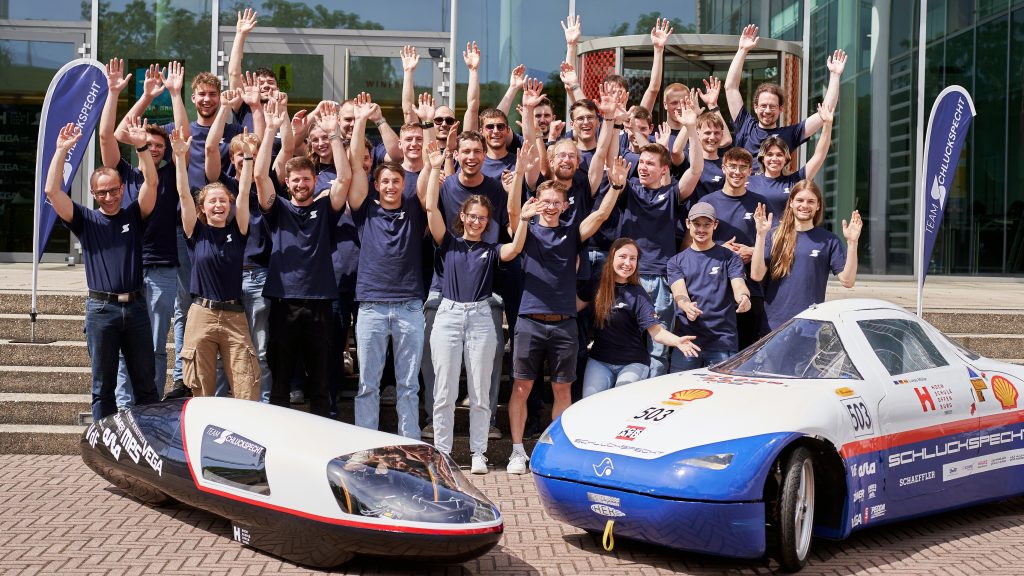
After two years of intensive development work, the student team “Schluckspecht” has presented Hochschule Offenburg’s new energy-efficient vehicle. With the prototype, the students are aiming for a new long-distance record. At the ceremonial roll-out of the “S8” in front of around 150 guests, the technical milestones of the new prototype were on full display. The most striking innovation: The front wheels are once again fully integrated into the body. Flow simulations had previously shown that this provides significant aerodynamic advantages when cornering and in crosswinds. Around 1,000 hours of work went into the lighter and stiffer CFRP body alone, whose elegant carbon weave shimmers blue at the rear. In addition, the interdisciplinary team optimized the chassis digitally and using industrial methods to maximize quality in every detail—from straight-line stability to driver feedback. At the end of June, the S8 will compete alongside the established “S5 Urban Concept” at the Shell Eco-marathon in Poland. The goal for both vehicles is to qualify for the World Drivers Championship in Qatar. More information (in German): https://www.hs-offenburg.de/hochschule/news/artikel/1000-kilometer-mit-einer-kilowattstunde-sind-das-ziel
Olsztyn LOVE Science: A Celebration of Curiosity
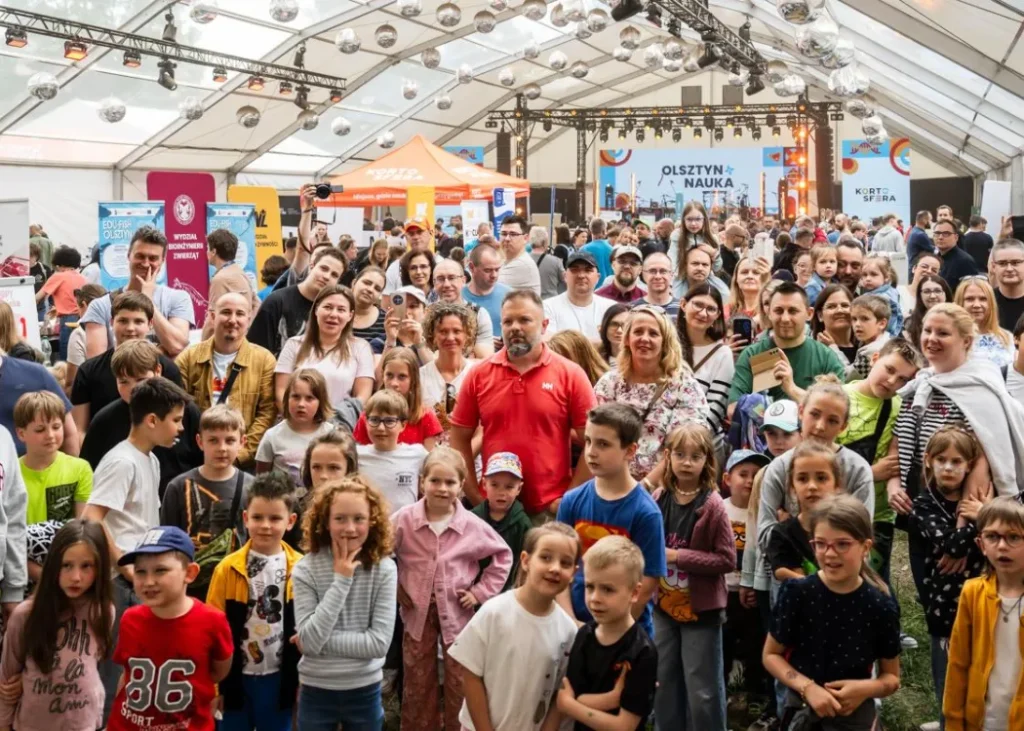
The first edition of Olsztyn LOVE Science brought together families, researchers, students, and science enthusiasts for a day of discovery, creativity, and fun at the University of Warmia and Mazury in Olsztyn. Organised by Kortosfera – the Centre for Science and Innovation, the open-air science festival featured hands-on experiments, interactive workshops, educational activities, live demonstrations, and concerts, proving that science can be engaging, accessible, and inspiring for everyone. Designed to connect academia with the wider community, the event encouraged visitors of all ages to explore the world of science through play, curiosity, and direct interaction with researchers. Following the success of its inaugural edition, Olsztyn LOVE Science is set to become a recurring celebration of science and innovation in the region.
LBTU to Celebrate Graduates in June
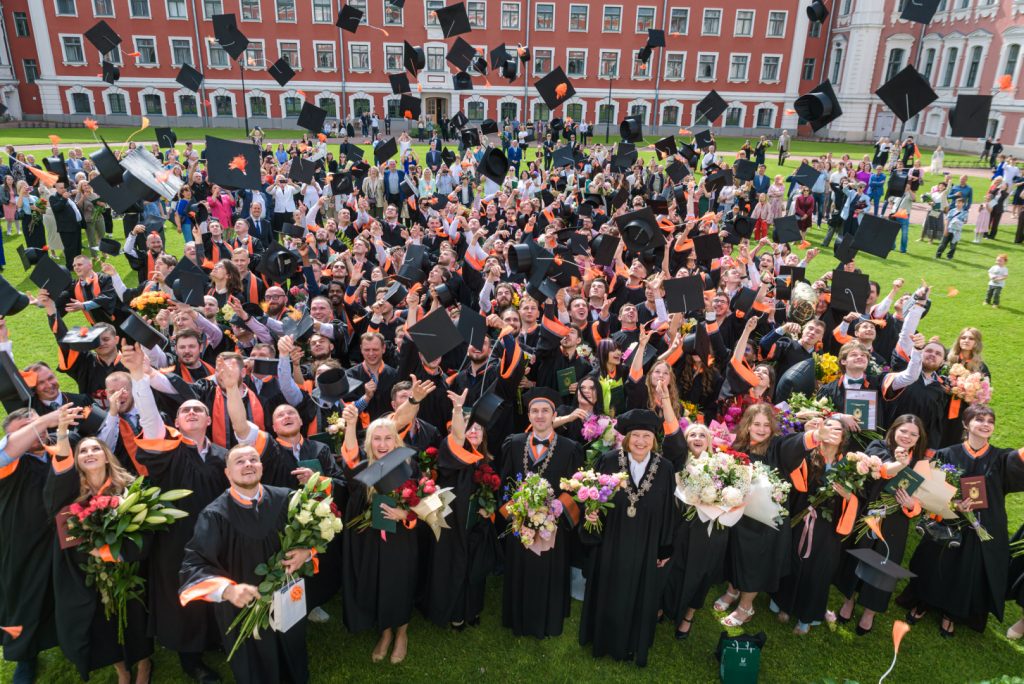
June is graduation month at the Latvian University of Life Sciences and Technologies (LBTU), when students, having successfully completed their examinations and defended their final theses, gather in the LBTU Great Hall (Aula) to receive their higher education diplomas. This summer, diplomas were awarded to 700 graduates, including 60 international students. An additional 40 graduates received Diplomas of Excellence, acknowledging their outstanding academic achievements and commitment during their studies. In total, during the 2025/2026 academic year, 816 graduates will receive higher education diplomas from LBTU. At the winter graduation ceremonies held in January, 116 graduates, including 25 international students, received their diplomas, while 16 graduates were awarded Excellence Diplomas. Number of Graduates by Faculty• Faculty of Engineering and Information Technologies (FEIT) – 171 graduates, including 11 international students;• Faculty of Agriculture and Food Technology (FAFT) – 131 graduates, including 14 international students;• Faculty of Forest and Environmental Sciences (FFES) – 184 graduates, including 3 international students;• Faculty of Economics and Social Development (FESD) – 154 graduates, including 16 international students;• Faculty of Veterinary Medicine (FVM) – 61 graduates, including 16 international students.
Universidad Europea de Valencia is hosting the ninth edition of ISCBE 2026
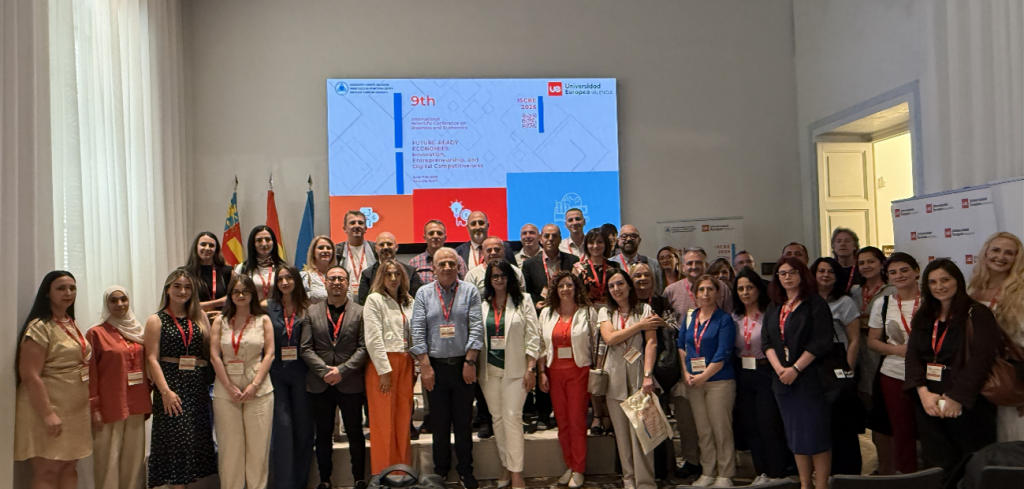
The event, organised by the South East European University and forming part of the ChallengeEU alliance, of which UEV is a member, brings together experts to analyse innovation, entrepreneurship and digital competitiveness On 11 and 12 June, Universidad Europea de Valencia hosted the ninth edition of the International Scientific Conference on Business and Economics (ISCBE 2026), an international conference organised by the South East European University, which brought together researchers and professionals to discuss the main challenges facing future-ready economies. Under the theme “Future-Ready Economies: Innovation, Entrepreneurship, and Digital Competitiveness”, the event transformed the Turia Campus of Universidad Europea de Valencia into an international hub for innovation, digitalisation and sustainable economic development. The official opening ceremony was attended by Blerta Abazi Chaushi, Dean of the Faculty of Business and Economics at the South East European University; Enrique Fatás, Director of the Behavioural Economics Institute at Universidad Europea de Valencia; and Emmanuël Hazé, Chief Implementation Officer of the ChallengeEU alliance at Universidad Europea de Valencia. In addition, Veland Ramadani, Professor of Entrepreneurship and Family Business at the South East European University and Chair of ISCBE 2026, presented an overview of the conference. The programme began with a plenary session in which experts from European universities addressed key issues such as the role of artificial intelligence in sectors such as tourism and its impact on social challenges such as gender equality. The event also included networking opportunities and activities linked to the European ChallengeEU alliance, strengthening academic cooperation between institutions. During the conference, numerous parallel sessions were held, organised around six main areas: sustainability and the circular economy, economics and finance, entrepreneurship and innovation, management and marketing, information systems and artificial intelligence, and the legal aspects of the economies of the future. These sessions provided a platform for presenting research focused on topics such as digital transformation, business resilience and the application of artificial intelligence in decision-making. The programme also featured initiatives focused on knowledge transfer, such as the ‘Meet the Editors’ session, in which editors of international scientific journals shared trends and publication opportunities with participants. By hosting ISCBE 2026, Universidad Europea de Valencia, as the host institution, is reinforcing its position as a leader in research, innovation and international outreach, in line with the objectives of the ChallengeEU alliance and its commitment to developing solutions to the economic and social challenges of the present and the future.
ISCBE 2026 in Valencia Highlights Innovation, Digital Competitiveness and the ChallengeEU Talent Academy
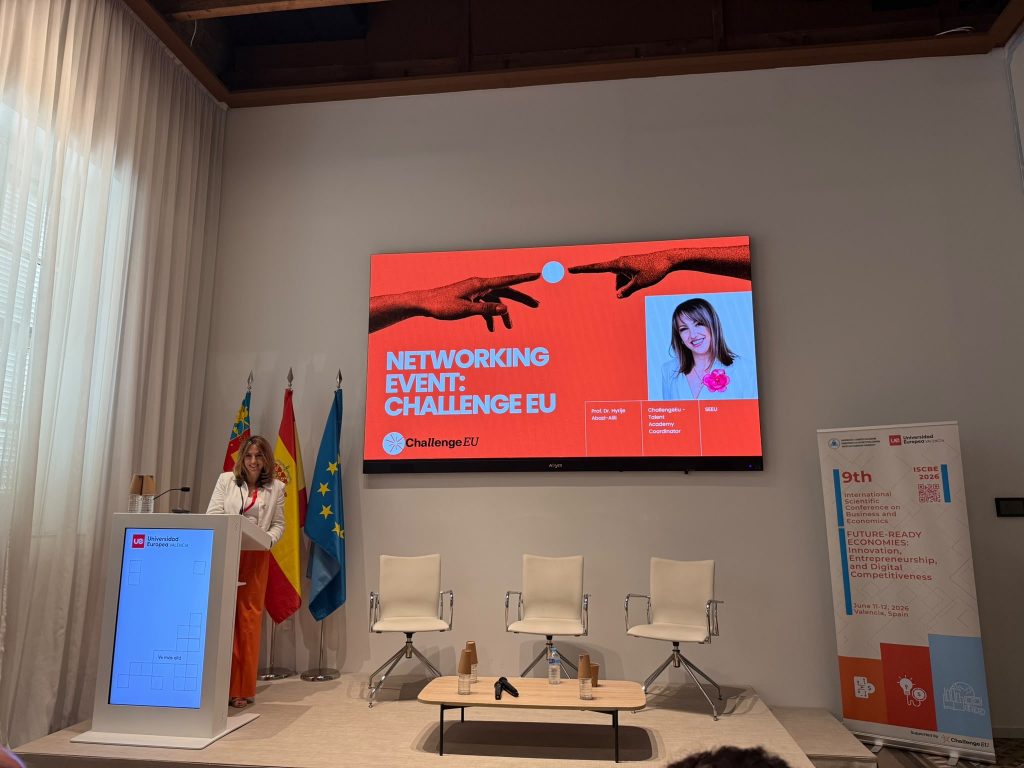
The 9th International Scientific Conference on Business and Economics (ISCBE 2026), held under the theme “Future-Ready Economies: Innovation, Entrepreneurship and Digital Competitiveness”, took place on 11–12 June 2026 at the Universiad Europea de Valencia. The event was organised by the Faculty of Business and Economics of South East European University (SEEU) and brought together international academics and professionals to discuss innovation, entrepreneurship, digital competitiveness and the ChallengeEU Talent Academy. Future-ready economies in focus The conference was held in a hybrid format and brought together academics, researchers and professionals from across the globe to discuss the future of business, innovation and digital transformation. The conference opened with a Welcome Session featuring addresses by Enrique Fatas Juberias, Director of the Behavioral Economics Institute; Blerta Abazi Çaushi, Dean of the Faculty of Business and Economics at SEEU; Emmanuël Hazé, Chief Implementation Officer of the ChallengeEU Alliance; and Conference Chair Veland Ramadani, who presented an overview of ISCBE 2026 and its objectives. Artificial intelligence, transformation and societal impact The Plenary Session highlighted key contemporary challenges and opportunities related to artificial intelligence and digital transformation. Marco Valeri, Associate Professor at Niccolò Cusano University, Italy, presented the role of agentic AI in shaping the future of travel planning, while Catalina Franco from the Norwegian School of Economics (NHH) addressed the impact of artificial intelligence on gender equality. The conference continued with thematic sessions on sustainability, economics and finance, entrepreneurship and innovation, management and marketing, artificial intelligence, information systems, and legal aspects of future-ready economies, providing a valuable platform for international academic exchange and collaboration. ChallengeEU Talent Academy presented during ISCBE 2026 As part of the ChallengeEU Alliance, the Talent Academy was also presented during ISCBE 2026. The initiative is led by Prof. Dr Hyrije Abazi-Alili as Task Lead of T4.5 within Work Package 4, WP4 M.A.R.K.E.T. Ecosystems, of the ChallengeEU Alliance. The Talent Academy brings together doctoral researchers and student entrepreneurs through a series of collaborative learning opportunities that combine academic excellence, entrepreneurship, innovation and societal impact. Built on an extensive mixed-methods needs assessment, including focus groups, online interviews and surveys conducted across all nine partner universities, the initiative responds directly to the challenges faced by emerging researchers and innovators. These include networking, mental health and stress support, academic skills, digital and AI skills, time and project management, team dynamics, and sustainable innovation. Towards a European talent ecosystem The first pilot activities of the Talent Academy are planned to launch in late 2026, marking an important milestone towards a sustainable and interconnected European talent ecosystem that extends beyond the project’s lifetime. Through ISCBE 2026, the Faculty of Business and Economics of South East European University once again demonstrated its commitment to advancing research excellence, international cooperation and innovative thinking in addressing the challenges of tomorrow’s economies.
HSO invites: Intensive Language Course “German as a Foreign Language”
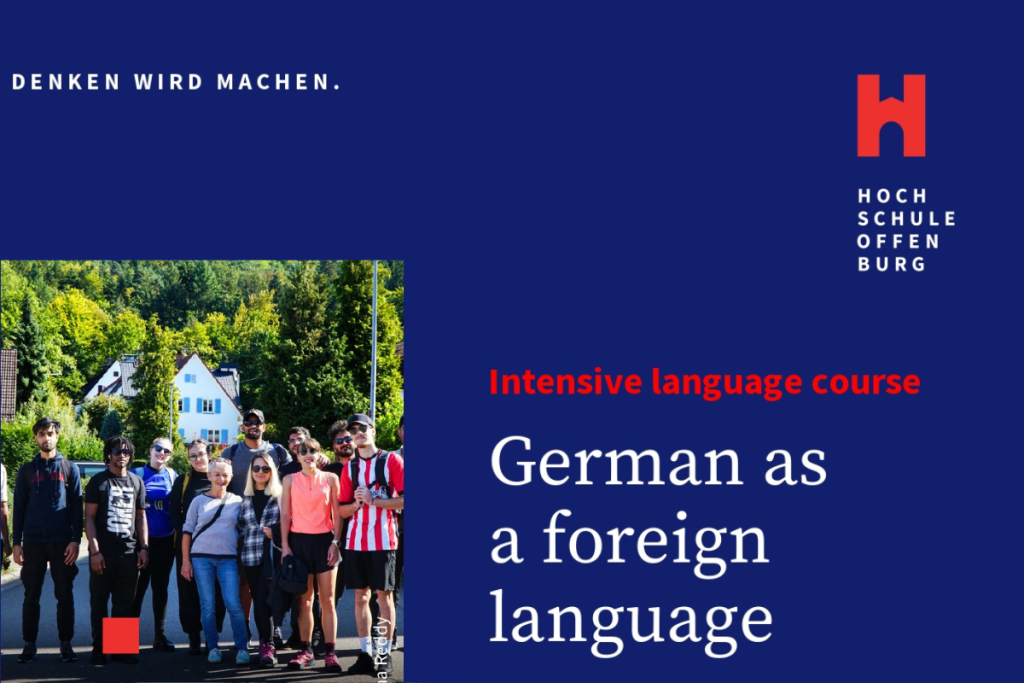
Every year in September, the International Center at Hochschule Offenburg offers the intensive summer language course “German as a Foreign Language”. This four-week summer course (September 1-25) offers both introductory and advanced classes in German language and culture. Students from the ChallengeEU Alliance can take advantage of a special reduced course fee. The application deadline is 15 July. Intensive Summer Language Course All classes (about 12–15 participants each) are taught by experienced German teachers. There are four to five 45-minute lessons per day, Monday through Friday. The course concludes with a final exam, and participants receive a certificate. Our four-week intensive course is ideal for strengthening your German language skills while discovering Southern Germany and its culture. Located in the heart of the Ortenau region, Offenburg provides the perfect setting to learn and prepare for your upcoming studies and everyday life in Offenburg. Highlights of the course: Course fees: Accommodation and housing are not included as part of the fees. More information: >>>Hochschule Offenburg >>> Application form
LBTU and ECAM LaSalle Launch Extended Mobility Programme
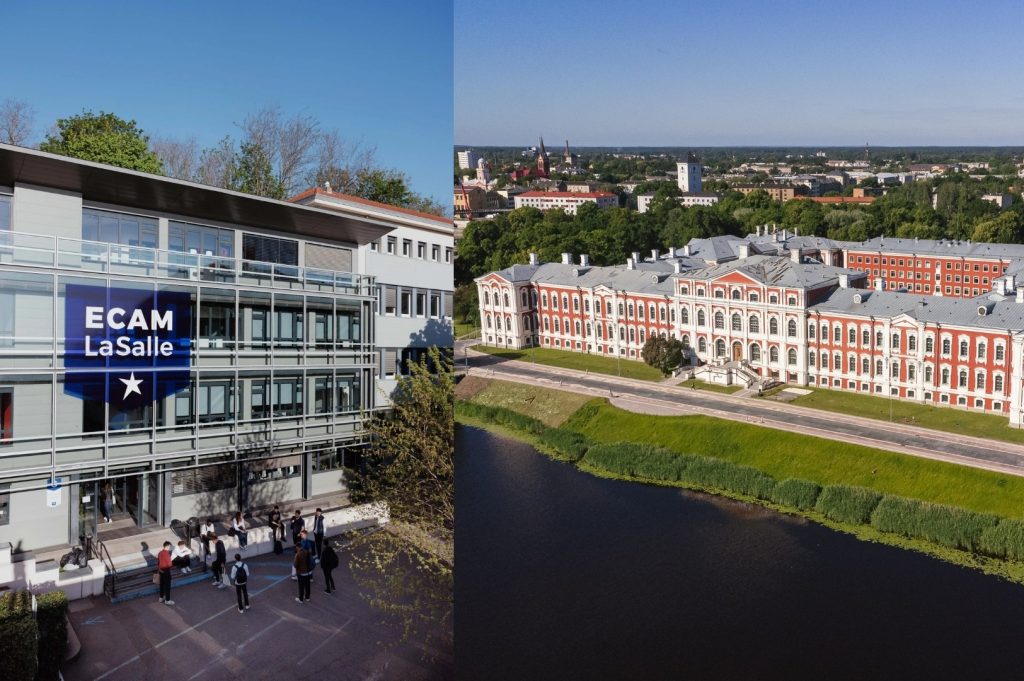
Latvia University of Life Sciences and Technologies (LBTU) and ECAM LaSalle have signed the first agreement on an extended mobility programme in the field of mechanical engineering. The agreement provides for student mobility and the coordinated delivery of study courses between the two higher education institutions. It was developed within the framework of the ChallengeEU, further expanding international cooperation and academic mobility. Under the agreement, LBTU will offer a set of study courses from the Biosystems Machinery and Technologies programme, delivered in the fifth semester, for students from ECAM LaSalle’s Master’s Degree in General Engineering programme, who will participate during their seventh semester. During the mobility period, students will be able to take courses such as Renewable Energy and Energy Economics, Mechatronics, Applied Mechanics, Applications of Unmanned Aerial Vehicles, and other elective courses. The study content provides advanced knowledge and practical skills in mechanical engineering and biosystems technologies. The programme ensures full academic recognition. During the mobility period, students will earn 30 ECTS credits, corresponding to a full semester workload at their home institution. This ensures continuity of studies and seamless integration into the study process, while also providing international experience and supporting the development of professional competencies. This initiative marks an important step in implementing the goals of the ChallengeEU alliance by strengthening academic cooperation and promoting the internationalisation of engineering studies within the European Higher Education Area. LBTU continues to develop international cooperation and expand student mobility.
ChallengeEU Participates in High-Level European Higher Education Meeting in Brussels
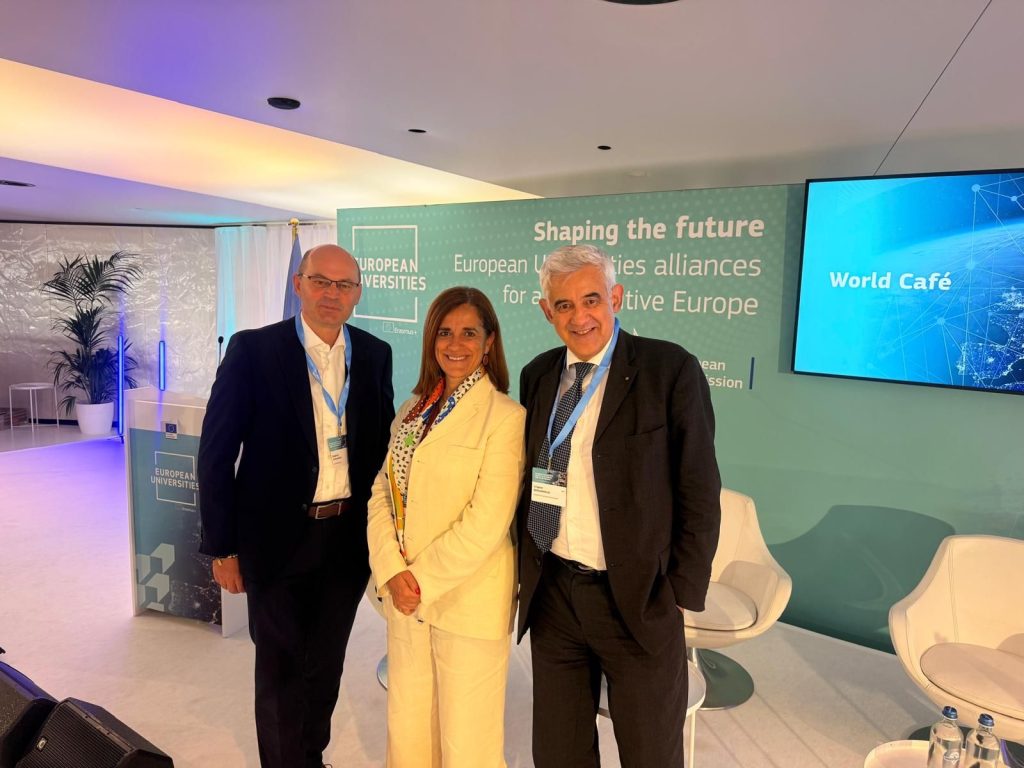
On 10 June 2026, the European Universities Rectors and Presidents High-Level Meeting took place in Brussels. The event provided an opportunity to discuss the future of the European Universities initiative, its role in completing the European Education Area, developing skills, and strengthening the competitiveness of the European Union. Three rectors representing ChallengeEU institutions took part in the meeting: Prof. Hélia Gonçalves Pereira from Universidade Europeia, Prof. Crispino Bergamaschi from Fachhochschule Nordwestschweiz FHNW, and Prof. Stephan Trahasch from Hochschule Offenburg. Their participation made the event an excellent opportunity to share good practices, exchange experiences, and build relationships with representatives of other European university alliances. It also highlighted ChallengeEU’s commitment to contributing to a more connected, innovative, and resilient European higher education landscape. The High-Level Meeting of Rectors and Presidents included a keynote address by Roxana Mînzatu, Executive Vice-President for Social Rights and Skills, Quality Jobs and Preparedness. “We need strong, independent universities, where academic freedom is protected. Where trust in science is encouraged. Where innovation and ingenuity lead to success, in Europe and globally. The European University Alliances can lead the way,” said Roxana Mînzatu. High-level meetings such as this one play an important role in shaping the future of cross-border academic cooperation and strengthening the voice of European universities in response to shared challenges.
Semester Hackathon Connects Hochschule Offenburg and Mid Sweden University
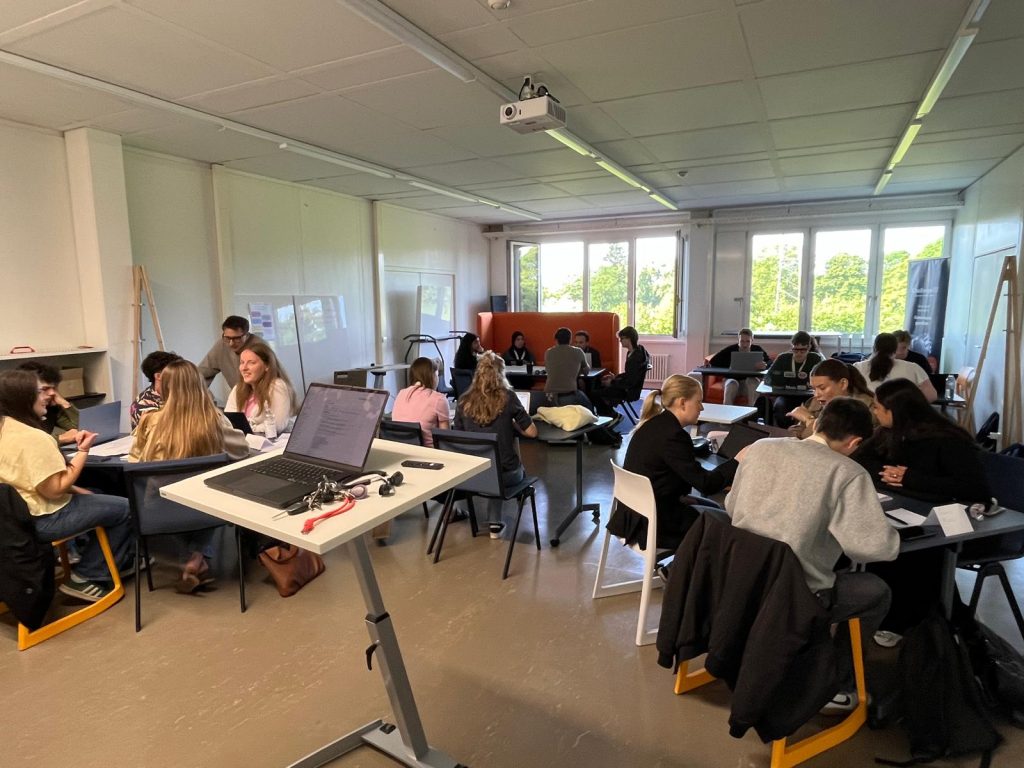
A recent joint hackathon connecting Mid Sweden University and Hochschule Offenburg showed what can happen when European cross-border collaboration meets open education, interdisciplinary learning and challenge-based innovation. Throughout an intensive week-long programme, students from both universities worked together to turn human-centred ideas into viable project concepts. Using machine learning and smart automation, they explored how digital tools can support creative problem-solving and respond to real-world needs. The hackathon brought together Business Administration students from Mid Sweden University and Media students from Hochschule Offenburg. This combination of different academic backgrounds encouraged a dynamic exchange of perspectives and created space for interdisciplinary collaboration. Students were able to combine business thinking, media expertise, technological solutions and creative approaches to innovation. The event also reflected the wider goals of European academic cooperation: building bridges between institutions, strengthening student engagement and creating learning environments that go beyond traditional classroom settings. By working in international teams, participants had the opportunity to develop not only project ideas, but also key skills such as communication, teamwork, intercultural understanding and entrepreneurial thinking. The programme was led by Prof. Dr Jürgen Seitz from Hochschule Offenburg, Dr Gözel Shakeri from the University of Strasbourg, Prof. Anna Sörensson from Mid Sweden University, and Annika Brand from Black Forest Innovation. Their expertise, insight and interactive approach supported students throughout the process and helped create an engaging environment for interdisciplinary learning and innovation. The hackathon proved to be a valuable example of how European universities can work together to support open education and challenge-based innovation, while giving students the opportunity to transform ideas into meaningful and future-oriented solutions.