Former HSO Student Wins German Film Award
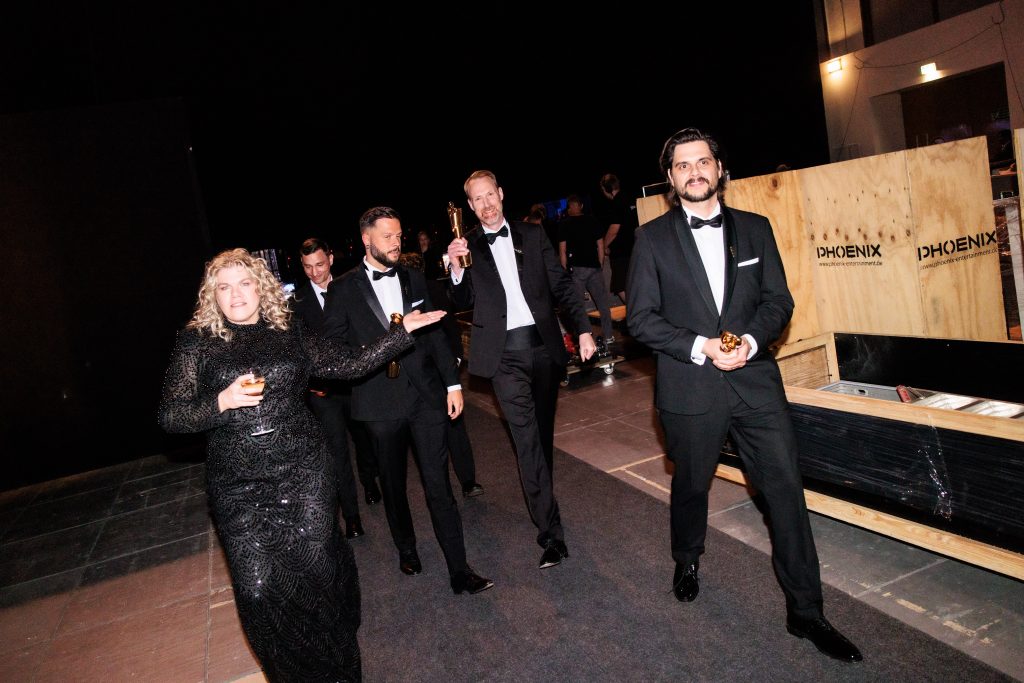
A major success for Hochschule Offenburg: Alumnus Claudio Demel has been awarded the prestigious “Lola” for Best Sound Design in the feature film “In die Sonne schauen.” The film won a total of ten awards during the gala evening. Claudio Demel, who studied Media Design and Production in Offenburg from 2010 to 2014 and then further specialized at the Film Academy Baden-Württemberg, accepted the award together with his team in Berlin. Presenter Gisa Flake in her speech emphasized the fundamental importance of sound, which condenses stories and defines the blend of the film. In die Sonne schauen tells the eerily intertwined life stories of four women from different eras living on a secluded farm. For Demel, who now lives in Berlin as a freelance film sound engineer and sound designer, the award is a milestone. It also underscores the high quality of media education at Hochschule Offenburg. More information (in German): https://www.hs-offenburg.de/hochschule/news/artikel/ehemaliger-mgp-student-gewinnt-deutschen-filmpreis
ChallengeEU Joins Discussion on the Future of European Higher Education
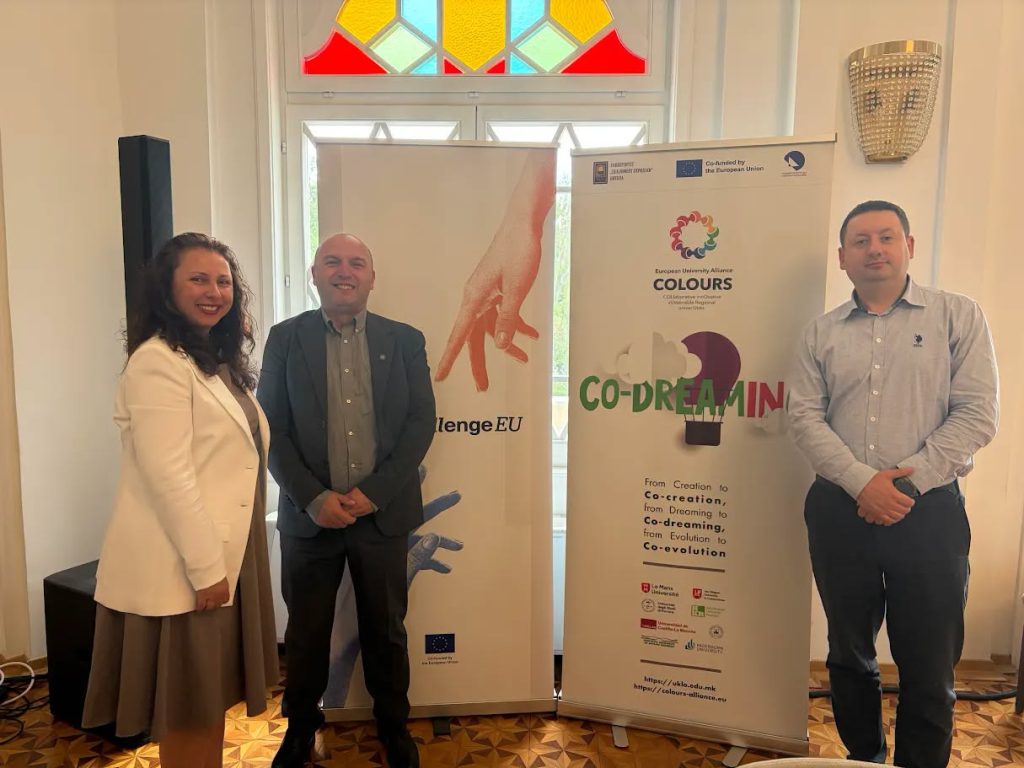
South East European University (SEEU) participated in the round table “Constructing the European University of the Future: Towards a Joint and European Degree”, organised by the COLOURS European University Alliance and hosted by St. Kliment Ohridski University – Bitola. The event brought together representatives of four European University Alliances, higher education institutions, ministries, and other stakeholders to discuss the future of European higher education, joint degrees, the European Degree, and cross-border academic cooperation. Representing SEEU and the ChallengeEU Alliance, Prof. Xhemal Zenuni, Dean of the Faculty of Contemporary Sciences and Technologies, contributed to the discussion by highlighting the importance of strengthening international academic cooperation and supporting the further alignment of higher education with European developments. The SEEU delegation also included Afrim Tresi, Head of the Project Coordination and Implementation Unit at the Max van der Stoel Institute and ChallengeEU Project Implementation Officer. He took part in discussions and networking activities with representatives of European university alliances, higher education institutions, and public authorities. Through its active involvement in the ChallengeEU Alliance, SEEU continues to contribute to initiatives that promote innovation, digital transformation, and closer integration within the European Higher Education Area.
ChallengeEU for Youth Wellbeing
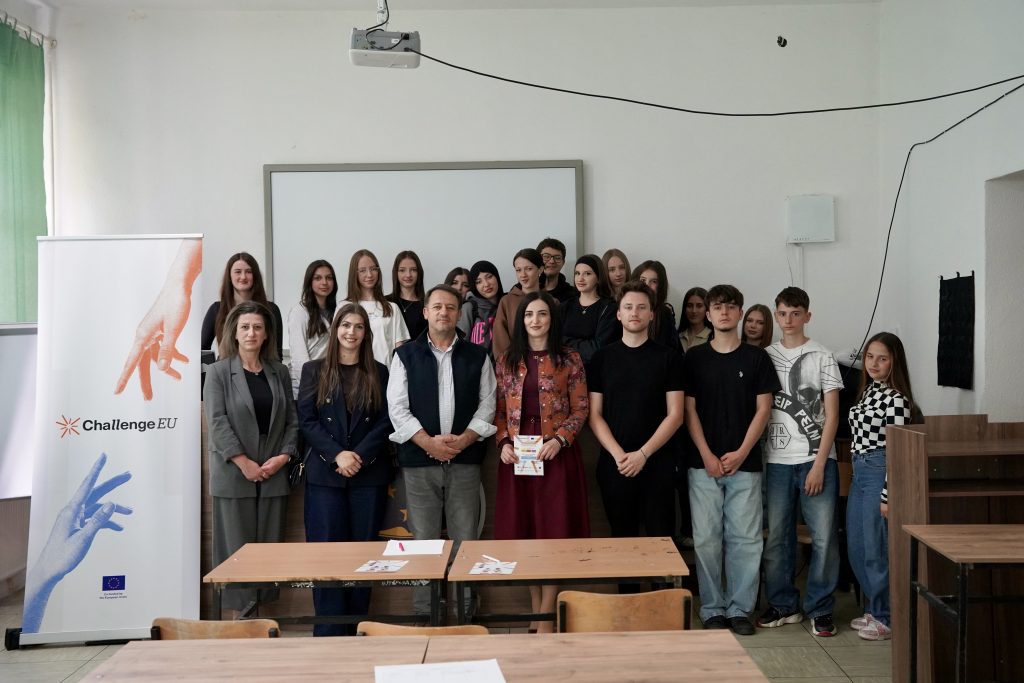
As part of the ongoing ChallengeEU initiative, South East European University, in cooperation with the Municipality of Gostivar as an Associate Partner of the ChallengeEU Alliance, successfully carried out a youth awareness campaign at the Economic High School and the Industrial High School in Gostivar. During the activities, Assoc. Prof. Dr Shpresa Alija, acting as a M.A.R.K.E.T. Officer, introduced students to the ChallengeEU project and its mission of fostering student engagement, wellbeing and social responsibility. Particular attention was given to the Alliance’s third pillar, Mental Health and Wellbeing, emphasising the importance of healthy lifestyles, emotional resilience and informed decision-making among young people. The educational sessions were enriched by the contribution of Prof. Dr Naser Durmishi, an expert in neuropsychiatry, who delivered an interactive lecture on the health risks associated with energy drinks and illegal substances. Through practical examples and open discussion, students were encouraged to reflect critically on the consequences of harmful habits and the importance of adopting healthier behaviours. Representatives of the Municipality of Gostivar also took an active part in the event, highlighting the significance of joint efforts between local authorities, educational institutions and universities in promoting youth wellbeing and preventive education. The students showed great interest in the topics presented, actively engaging through questions, comments and discussion. The activity further strengthened cooperation between the ChallengeEU Alliance, local stakeholders and secondary education institutions in fostering awareness, health and wellbeing among young people. The event marked the successful completion of the awareness campaign across all four secondary schools in Gostivar, contributing to the broader objectives of the ChallengeEU Alliance in supporting youth development and community engagement.
ChallengeEU Hackathon at SEEU Showcases Sustainable Student Solutions
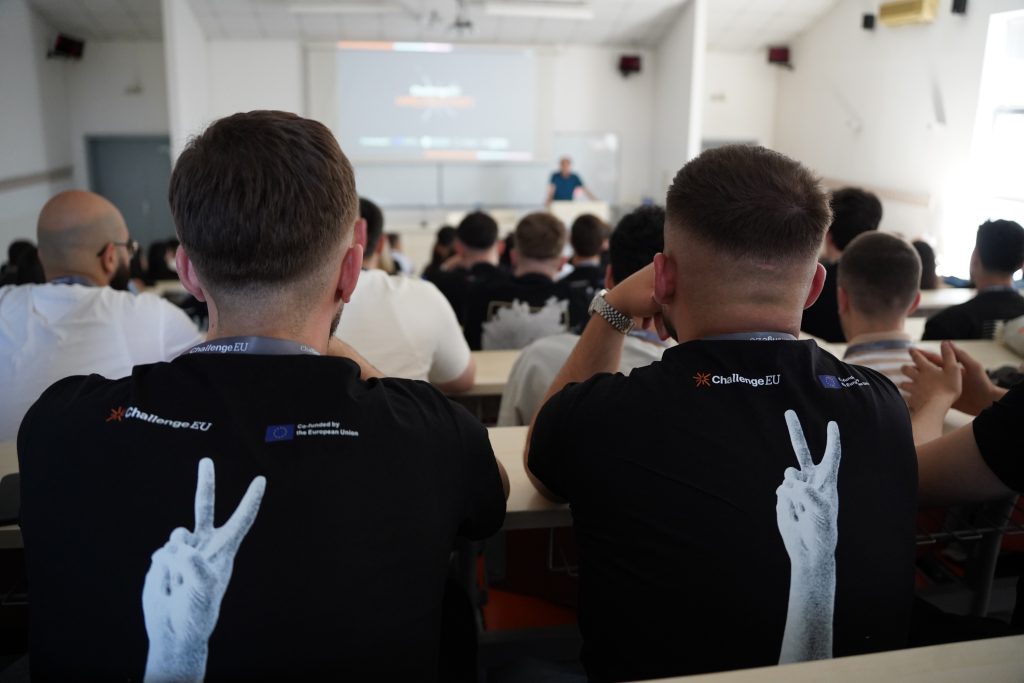
The Hackathon “Innovation Challenge: Turning Partnerships into Sustainable Solutions” (29-30 May) concluded successfully at South East European University (SEEU), in cooperation with the Business Innovation Center (BIC) and the Student Parliament and Association, marking the end of two intensive days of creativity, collaboration and innovation. During the second day, student teams focused on finalising their projects and preparing their presentations for evaluation by a five-member expert jury. The participants demonstrated exceptional dedication, presenting a diverse range of innovative solutions that addressed contemporary challenges through technology, sustainability, entrepreneurship and social impact. Following a highly competitive evaluation process, the jury awarded the top three teams: 1st place: ProtocolMinds2nd place: Predictors3rd place: LegacyLink Special awards also went to: Best Business Idea: Exchange for Less WasteBest Technical Idea: Quantum FiveBest Social Idea: Kitogo The Hackathon showcased the talent and innovative spirit of SEEU students, with many teams presenting solutions that have the potential to generate real-world impact. It concluded as a remarkable success, giving students a valuable opportunity to transform ideas into sustainable solutions while strengthening partnerships across disciplines and institutions.
Student Journal: “ChallengeEU is about people”
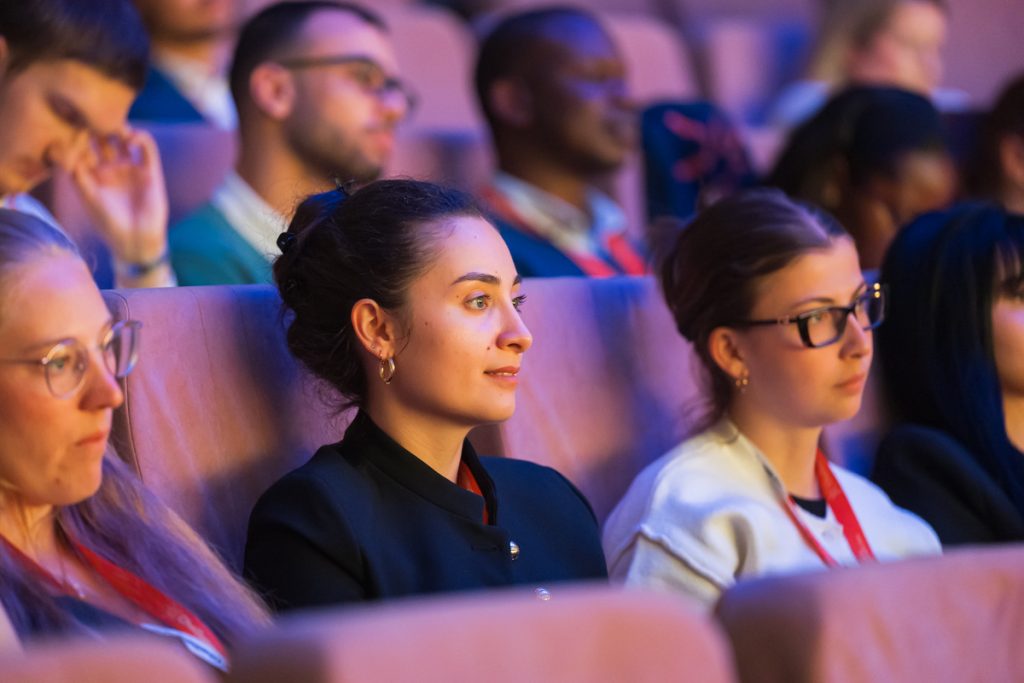
“What makes ChallengeEU even more special is that it doesn’t end with the conference. The friendships we built are real,” writes Marija Kosovljanovic from FHNW, Student Ambassador and member of the Student Council, reflecting on the ChallengeEU 1st Annual Conference. After almost a year as a member of the ChallengeEU Students’ Council and as a Student Ambassador, I had the great honour of travelling to Poland for the 1st Annual Conference of ChallengeEU. I had been looking forward to this trip for a long time, not only because it was an exciting international experience, but also because it marked an important step in my journey within the ChallengeEU alliance. One of the things I was most excited about was finally meeting my fellow FHNW student ambassador Marion face to face. Until then, we had mainly worked together through Microsoft Teams and phone calls while preparing different ChallengeEU tasks and projects. After so many online meetings, finally meeting in person made everything feel much more real and meaningful. Before this trip, I had never been to Poland, so everything felt new and exciting. Still, from the very beginning, I felt comfortable there. The atmosphere was welcoming, and I quickly had the feeling of being at home. When I arrived at the campus of the University of Warmia and Mazury, I immediately got a sense of what real student life on a big international campus feels like. Everything felt huge, open, and very different from what I know in Switzerland. The campus almost felt like a small city, full of life, activity, and modern spaces. This impression became even stronger during the opening ceremony. As we entered the amphitheatre, I was honestly impressed by how many people from so many different countries were gathered in one place. The atmosphere felt international, but also very warm and welcoming at the same time. What I really liked was that the event didn’t feel too formal or distant. There was live music, modern songs, and a positive energy in the room. People were singing, clapping, smiling, and just enjoying the moment together. It already felt like this conference would be something special. Throughout the conference, English was the main language, but what I found very interesting was hearing so many other languages every day. Polish, German, French, Spanish, and many more were all around us. As a student in Switzerland, I also had the chance to speak German with several participants, which made conversations even more natural. It was a nice reminder of how diverse Europe is, but also how easily people can connect when they are open to it. Some of the best moments happened outside the official programme. One evening, we had a traditional Polish dinner on campus near a lake. There was food, music, performances, and dancers in traditional clothing introducing us to Polish culture. What made the evening special was that, at some point, everyone started dancing together – students, professors, and staff all mixed. In that moment, it didn’t matter who was who anymore. It just felt like one big international group enjoying the evening together. Another highlight was visiting the university’s media studios. We got to explore the radio and podcast rooms, record short audio messages in groups, and learn how professional audio production works. Some even tried the recording booths while technicians showed us how editing is done. For most of us, including myself, this was completely new, and it was both fun and interesting. What surprised me most during the conference wasn’t one specific moment, but the overall atmosphere. I expected something quite formal and structured, but instead I found something very open, human, and easy-going. Even though we all came from different countries, study fields, and backgrounds, it was surprisingly easy to connect. Conversations felt natural, and it was interesting how quickly people opened to each other. It really showed me how fast barriers can disappear in the right environment. Another thing that surprised me was how normal it became to switch between languages and cultures all the time. Instead of being complicated, it made everything more interesting and connected. On a personal level, this experience also pushed me out of my comfort zone. Being part of ChallengeEU and representing my university in such an international setting challenged me in many ways: Speaking English more often, meeting new people constantly, and adapting to new situations. Looking back, I can honestly say it was an unforgettable experience that I really appreciated. I’m grateful that I got to be part of it through my studies, because it helped me grow a lot, not just academically but also personally. If I had to describe ChallengeEU, I would say it’s a intercultural family and very connected. But more than anything, it’s about people. It’s not just about conferences or workshops, but about sharing experiences, learning from each other, and growing together despite our differences. During this journey, I really felt that meaningful connections were created naturally. What makes ChallengeEU even more special is that it doesn’t end with the conference. The friendships we built are real, and we’re already planning to meet again in the summer. That shows that this is just the beginning, not the end, and that’s probably the most beautiful part of it. Marija Kosovljanovic