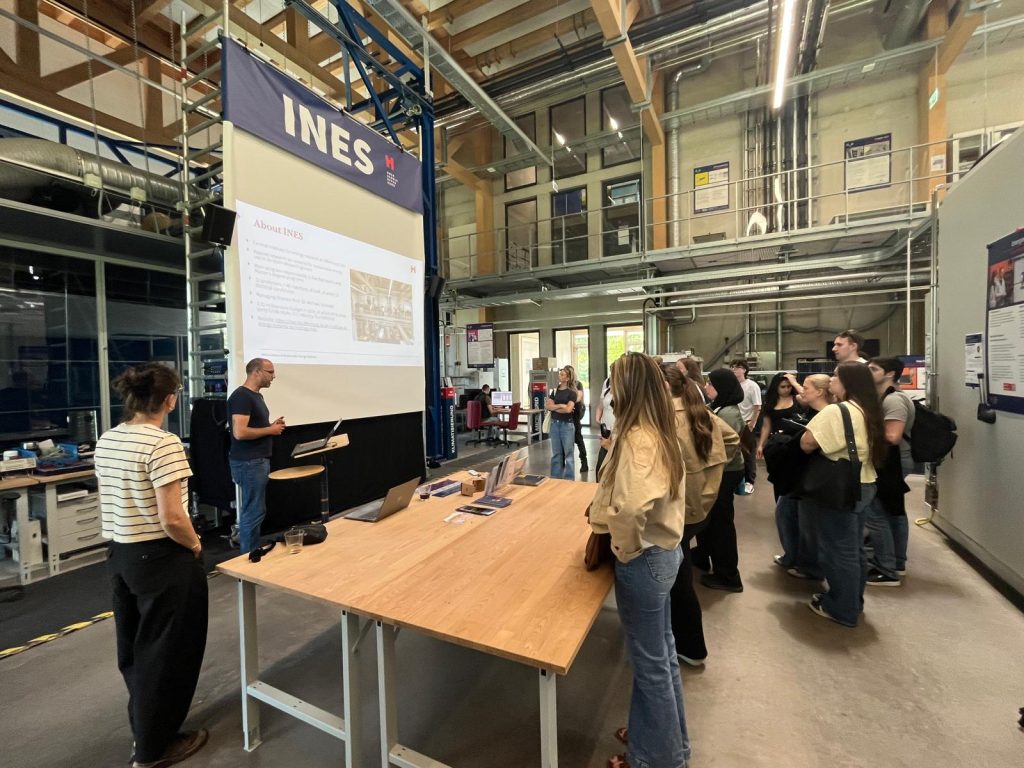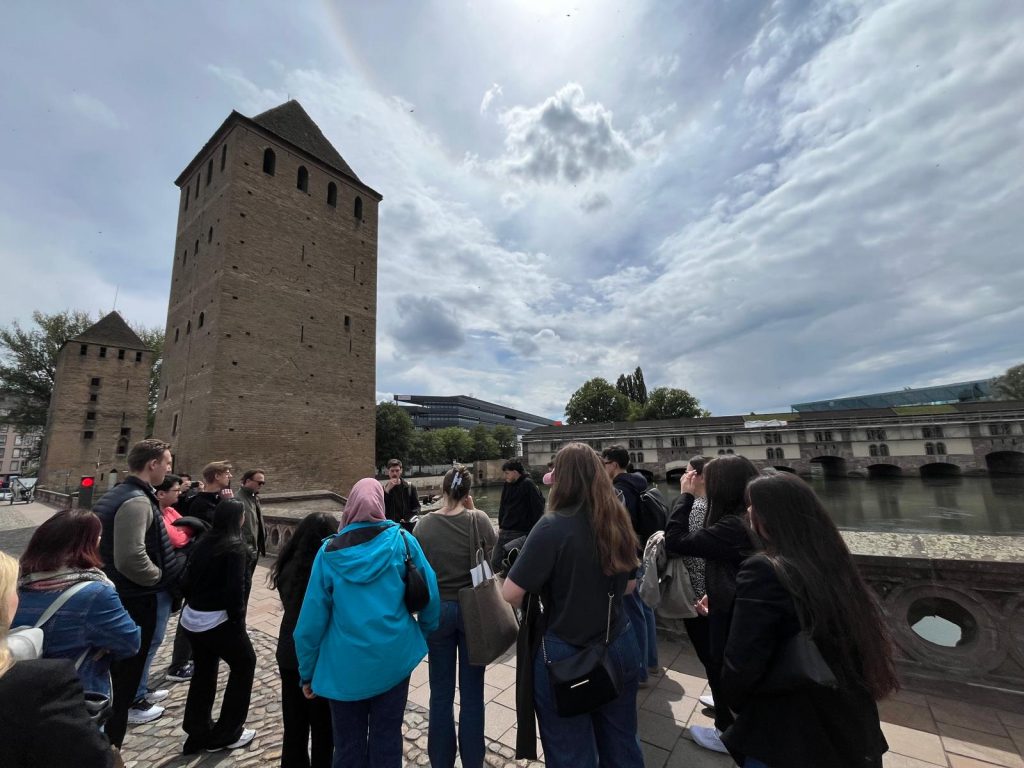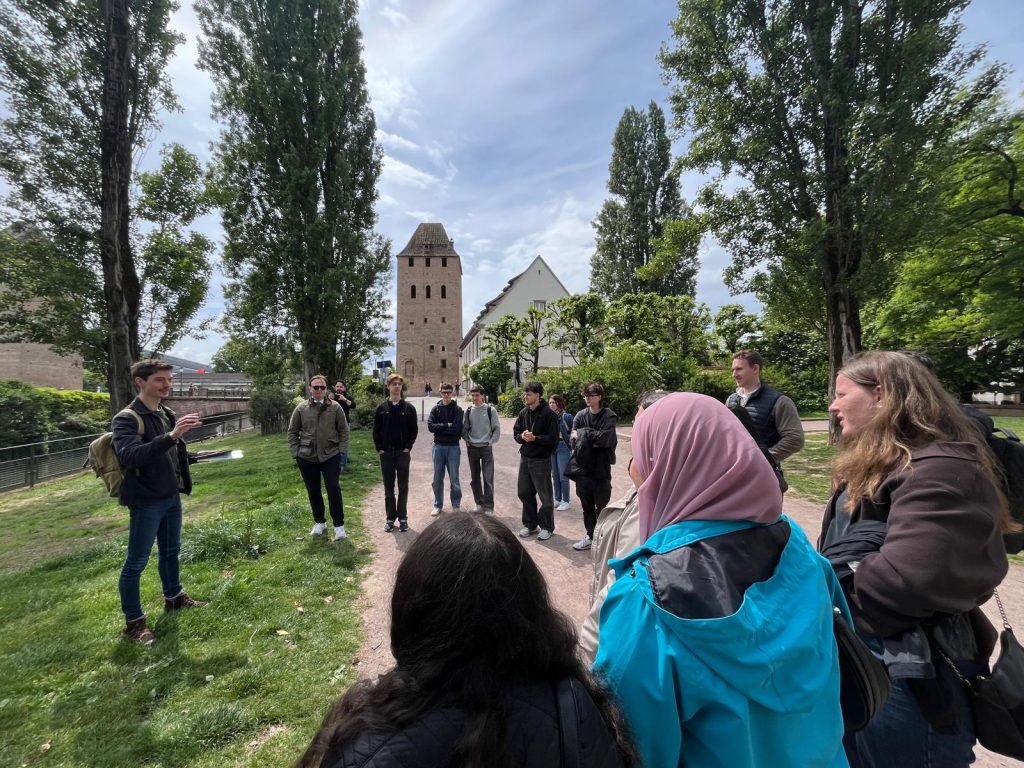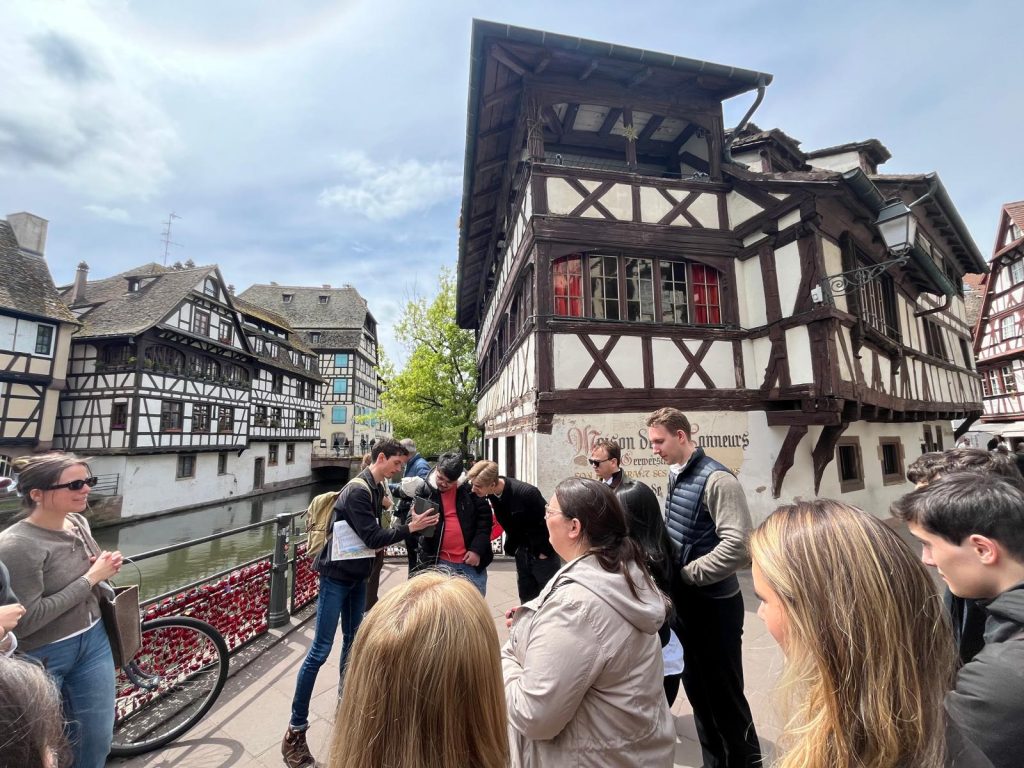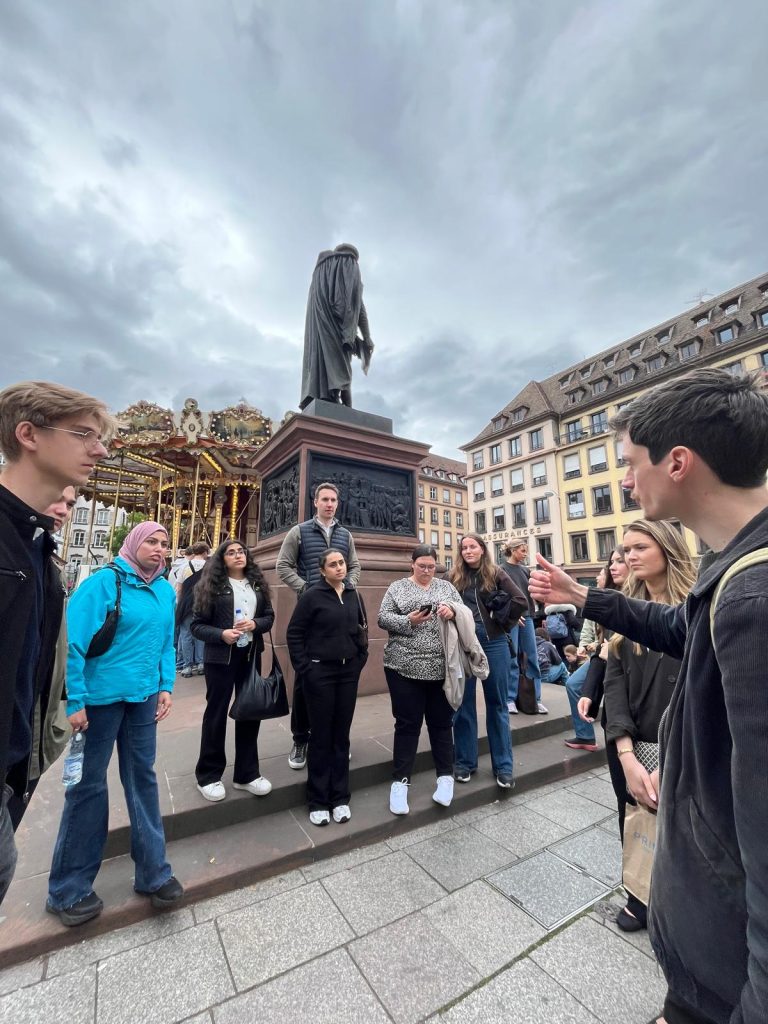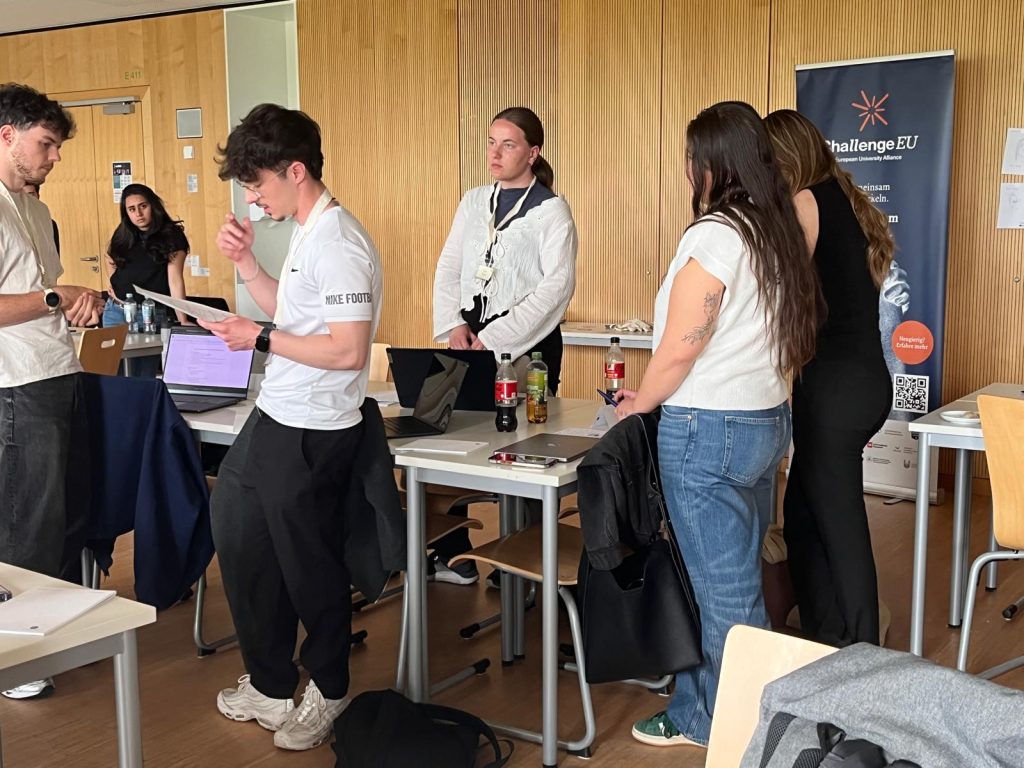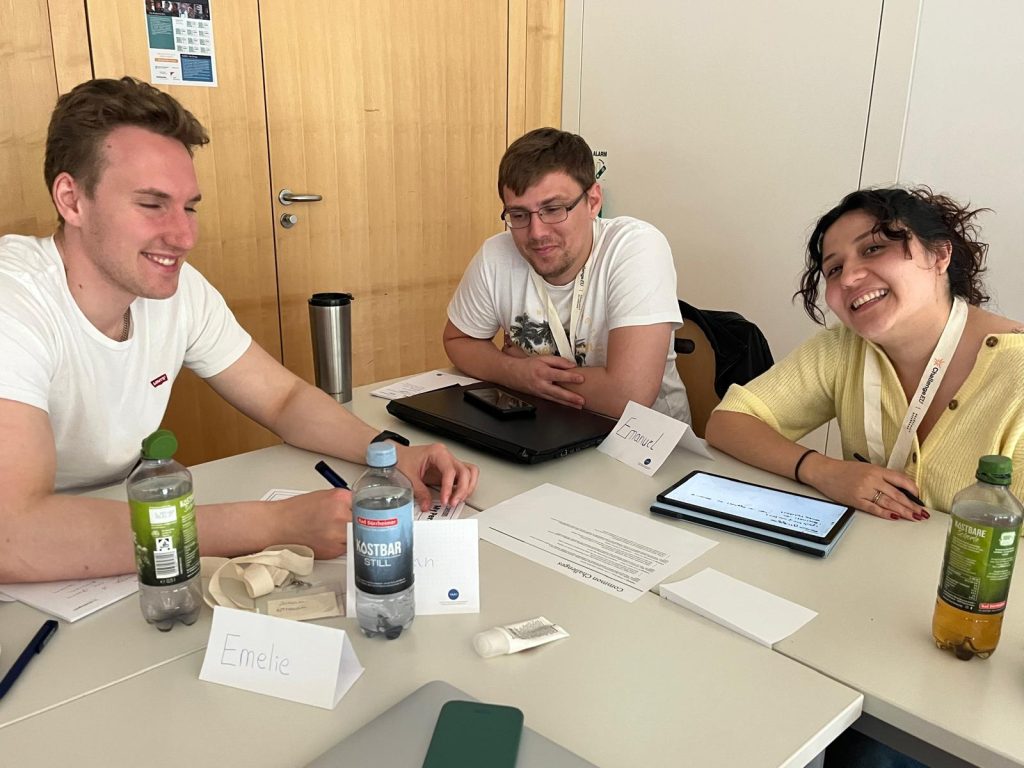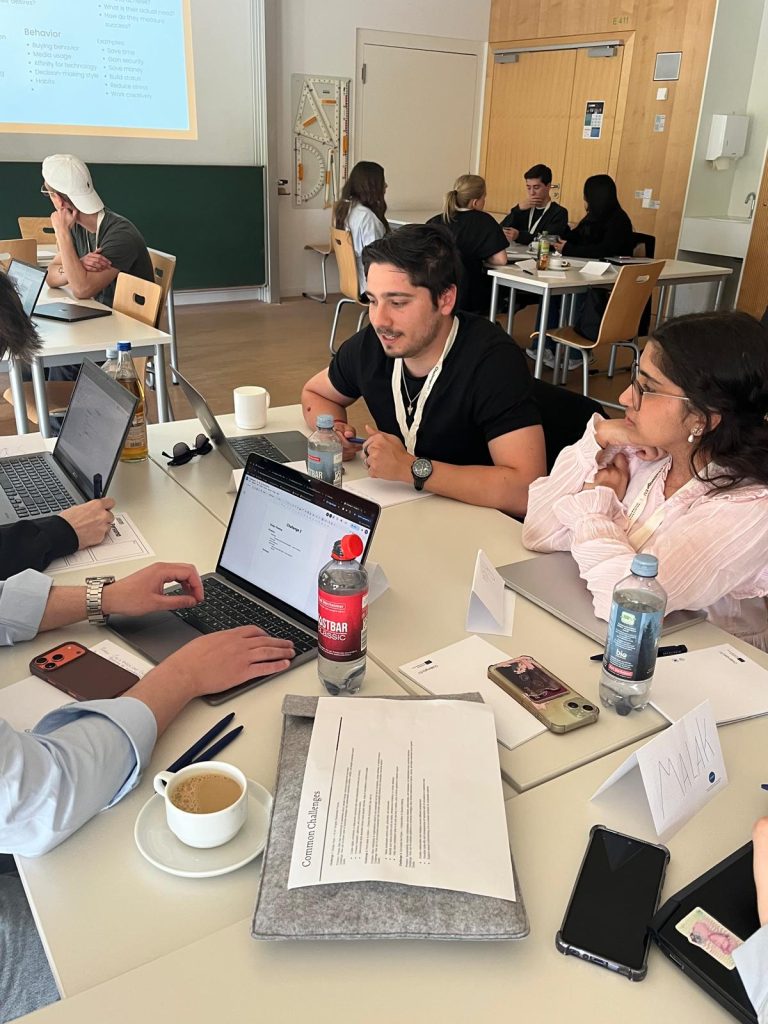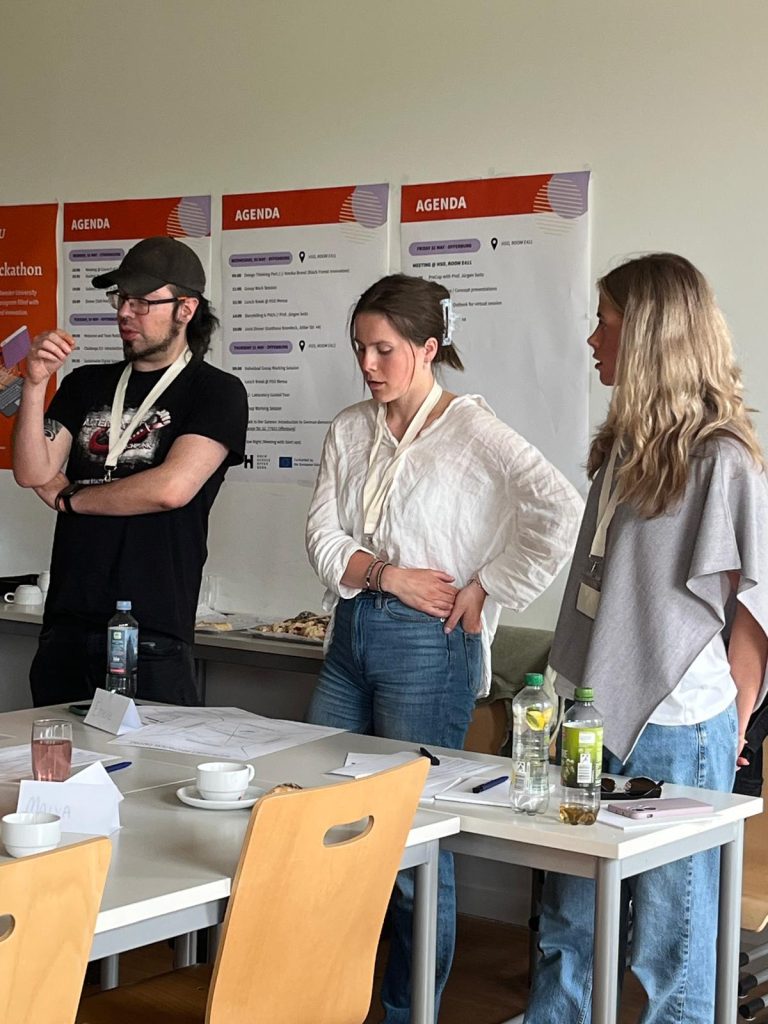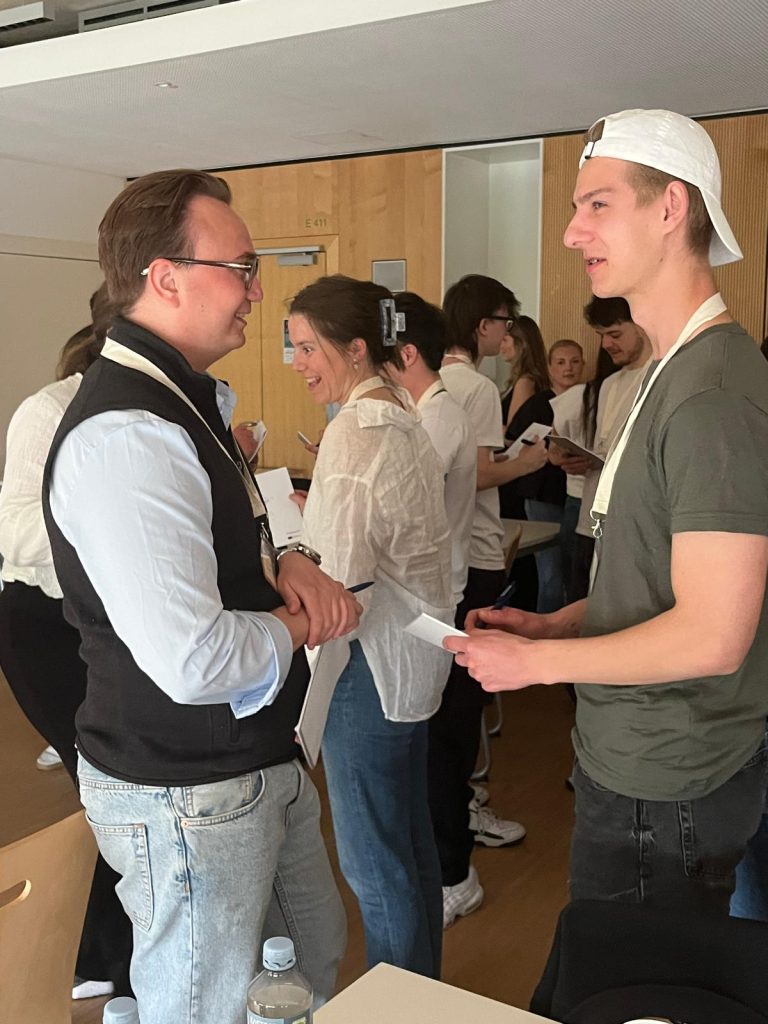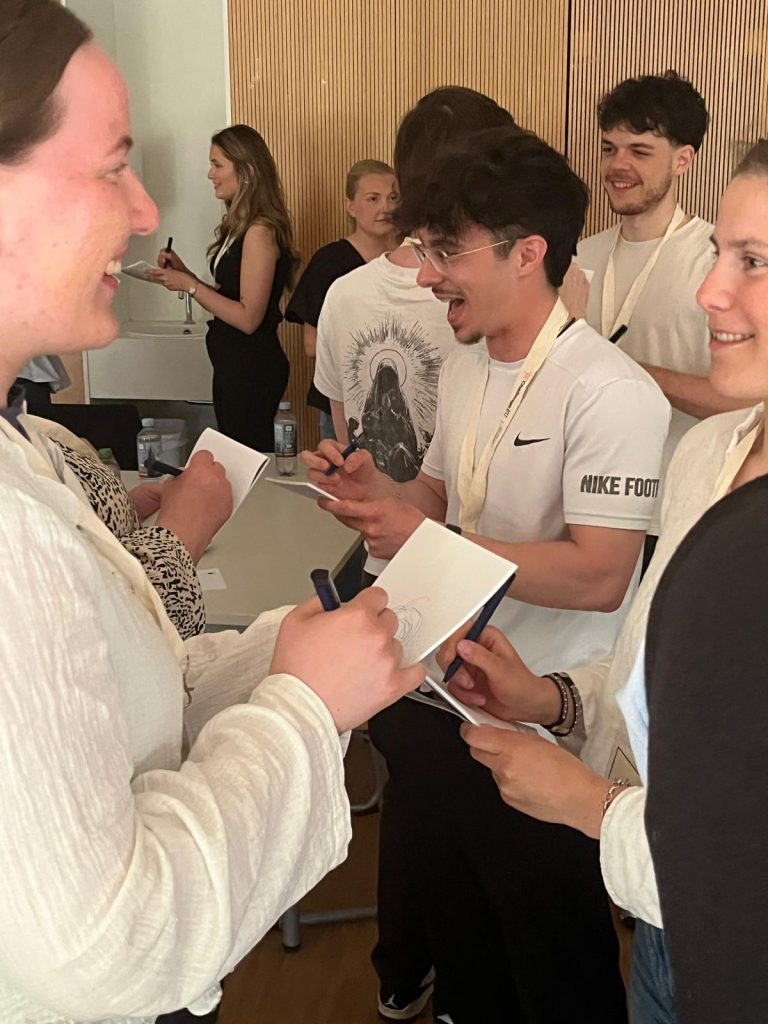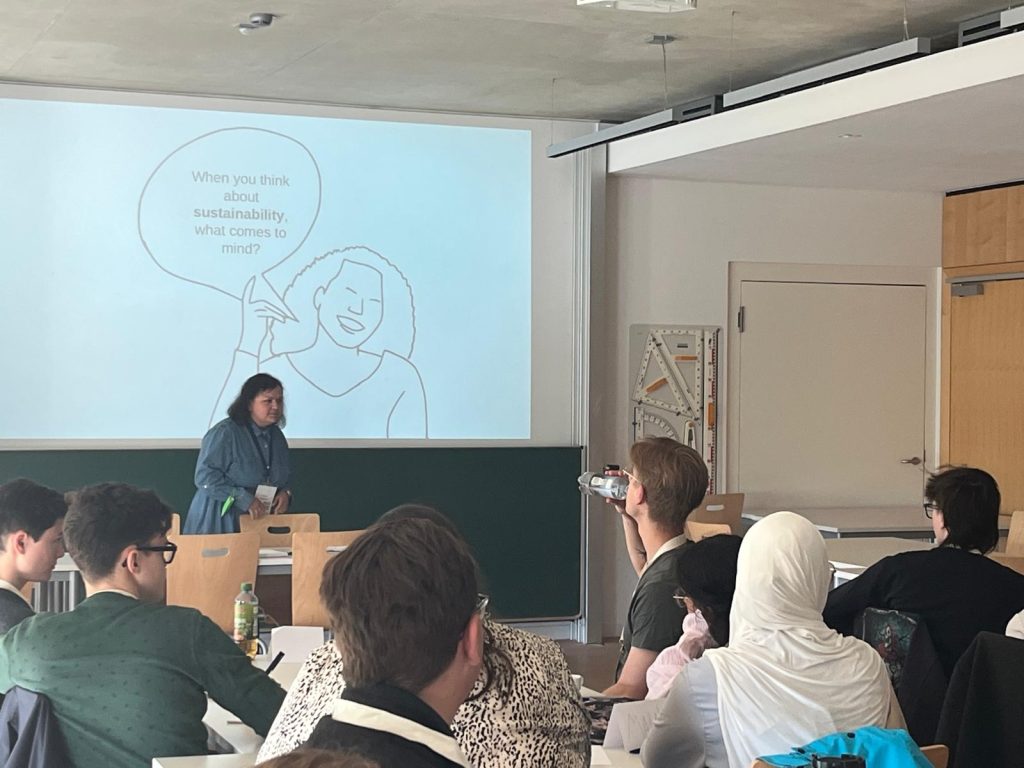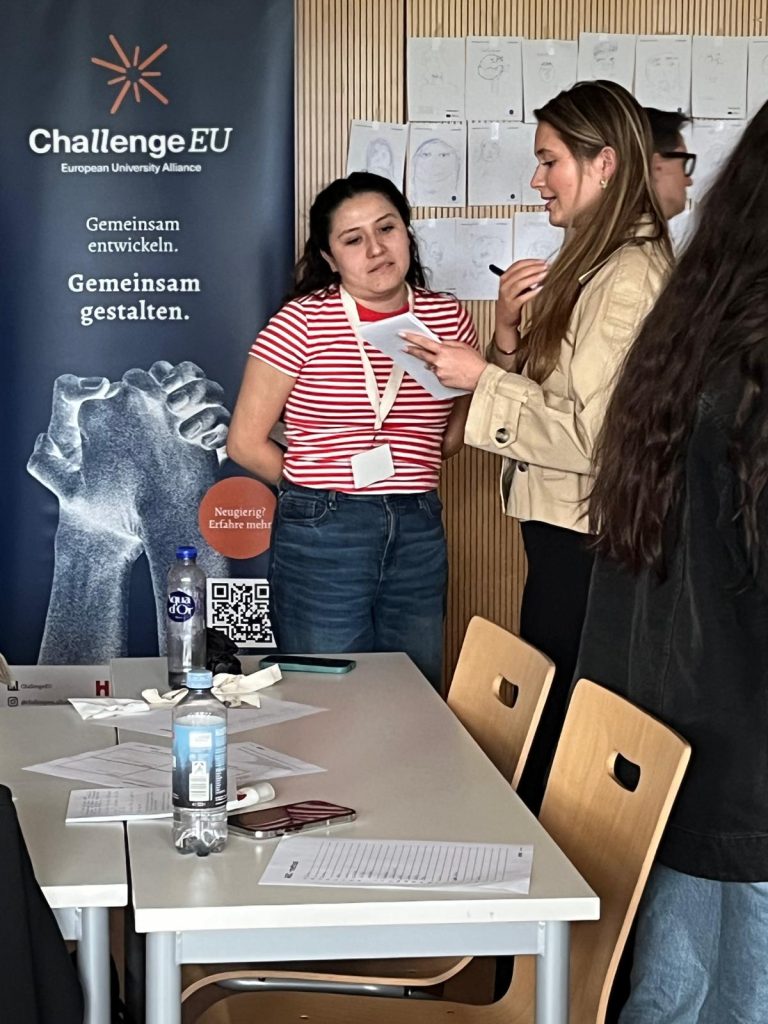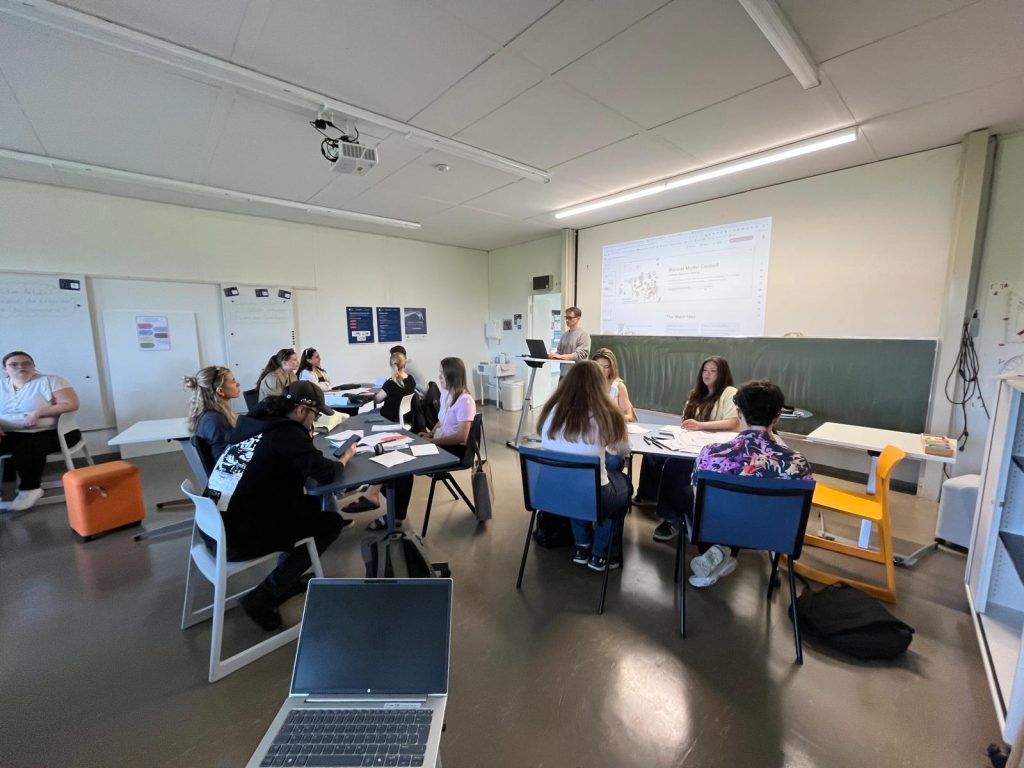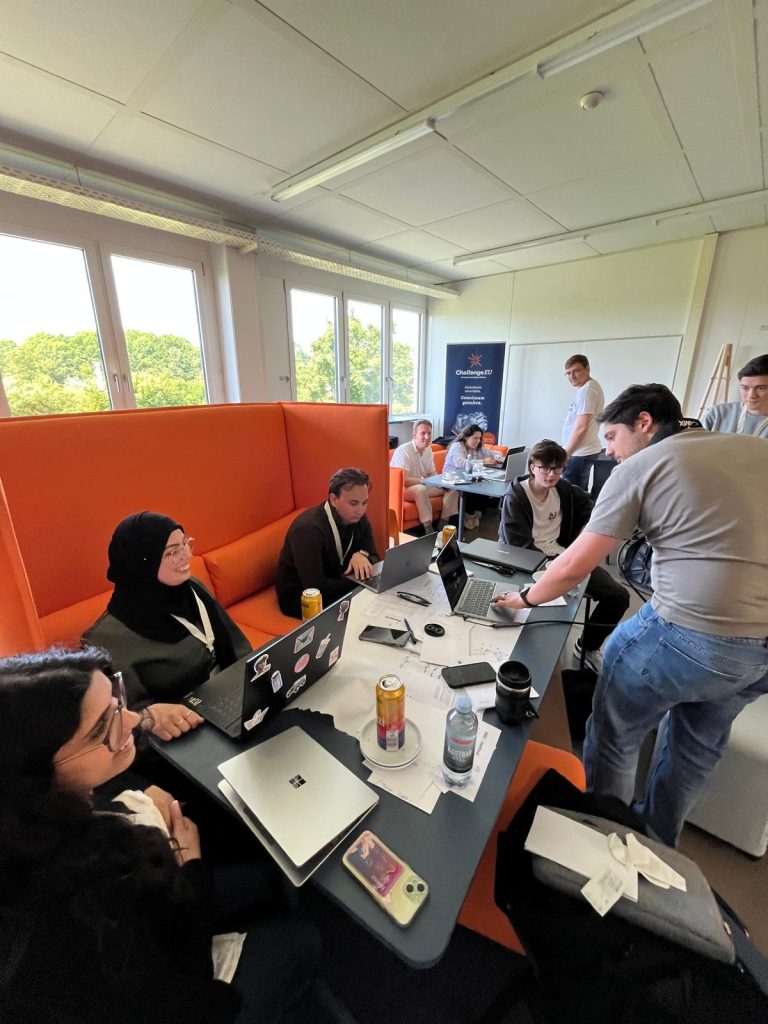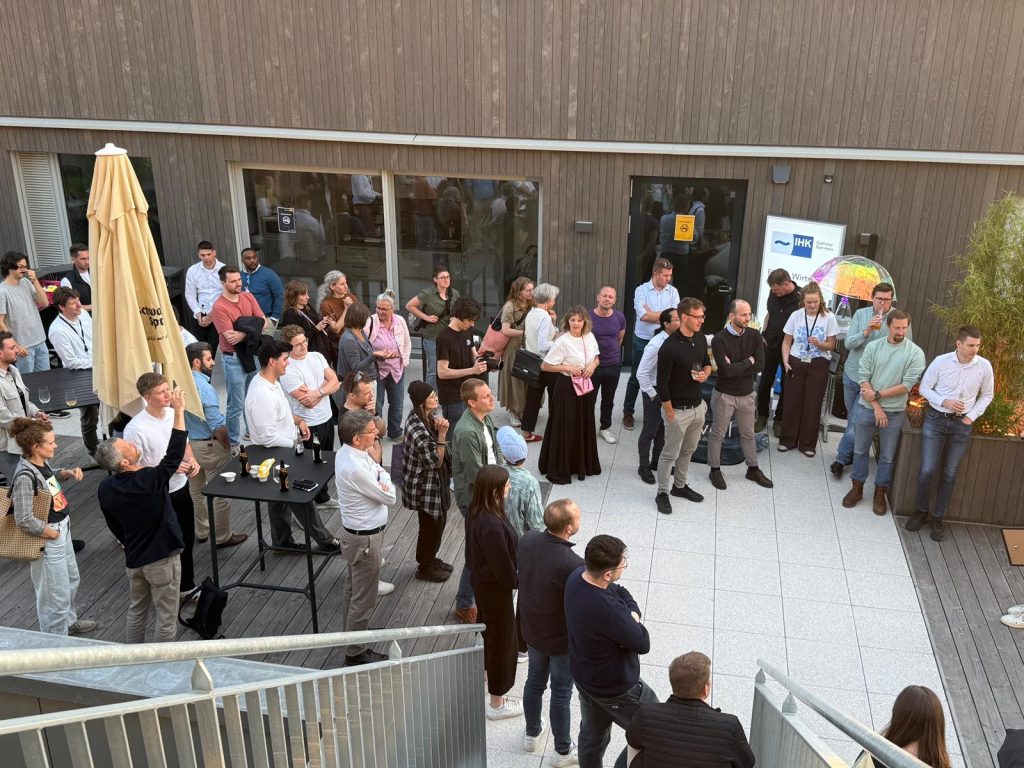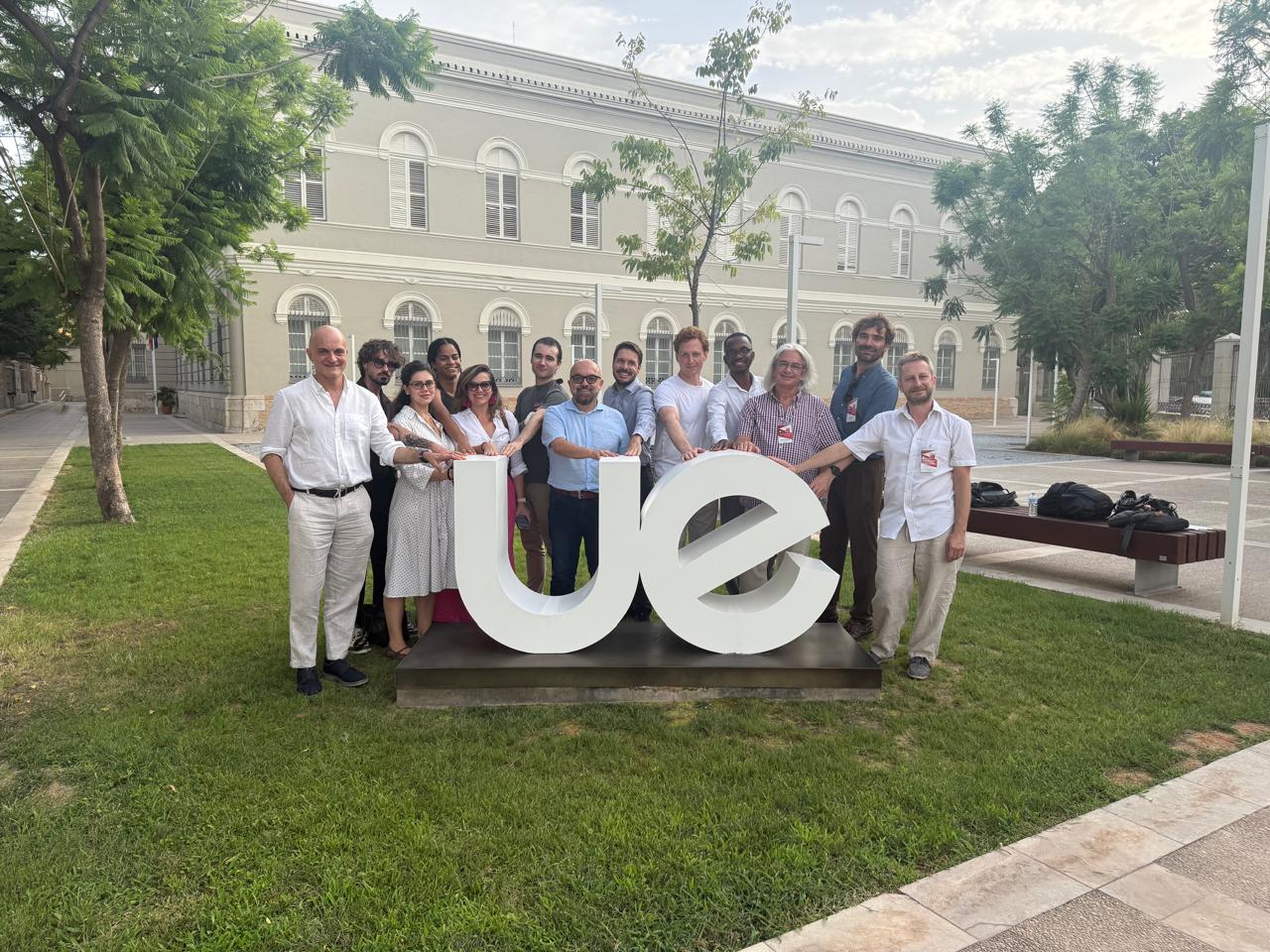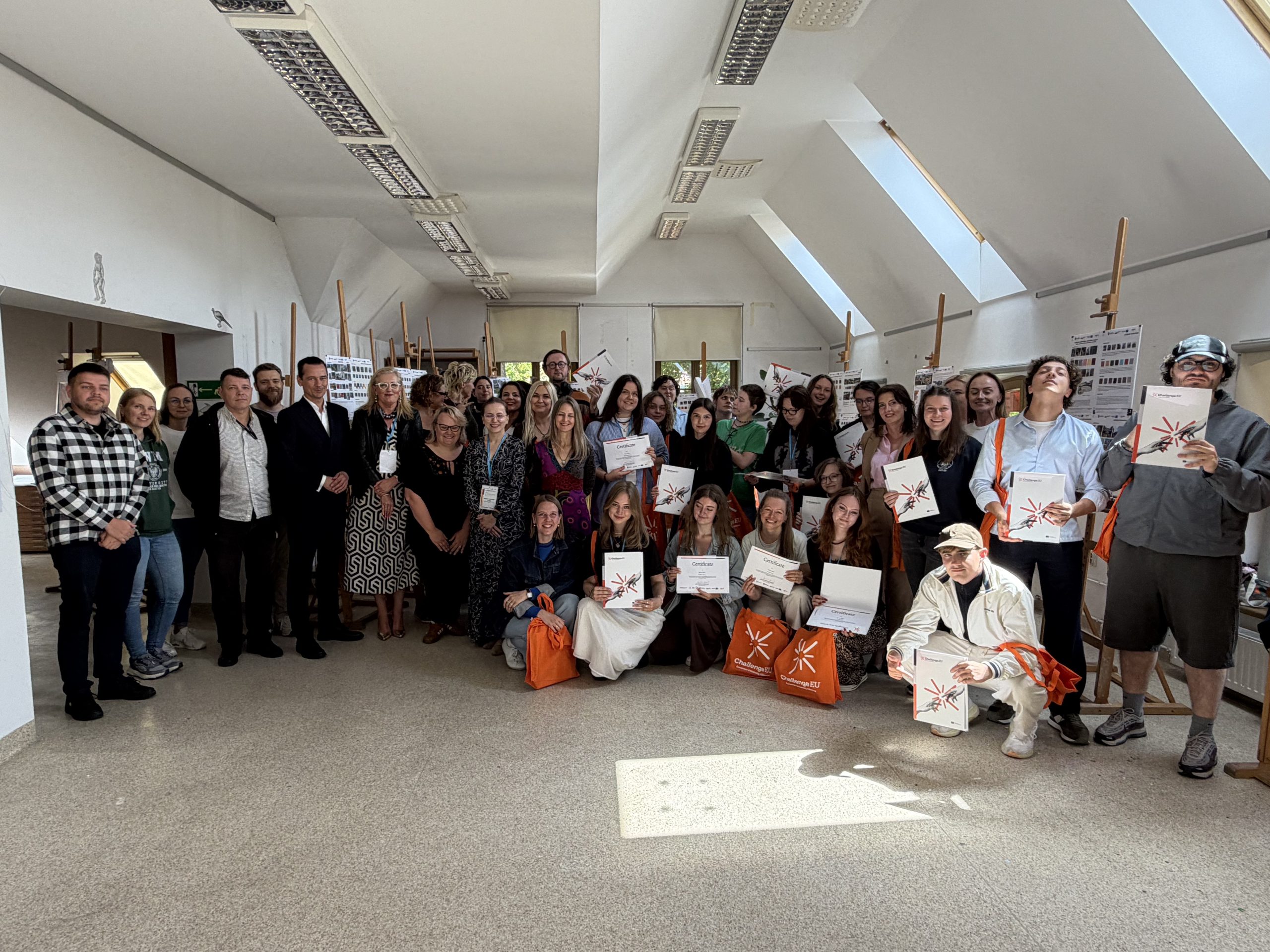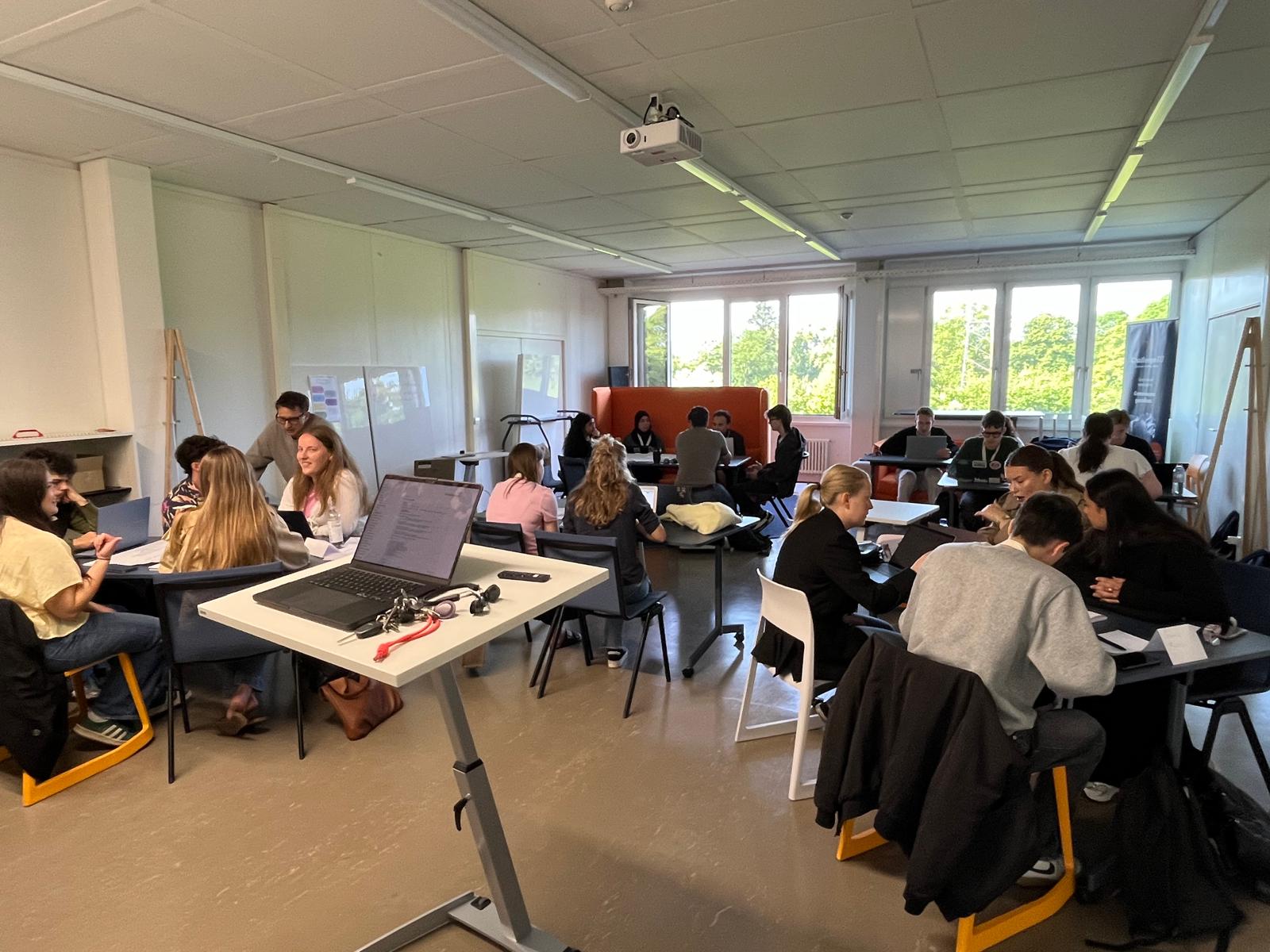
A recent joint hackathon connecting Mid Sweden University and Hochschule Offenburg showed what can happen when European cross-border collaboration meets open education, interdisciplinary learning and challenge-based innovation.
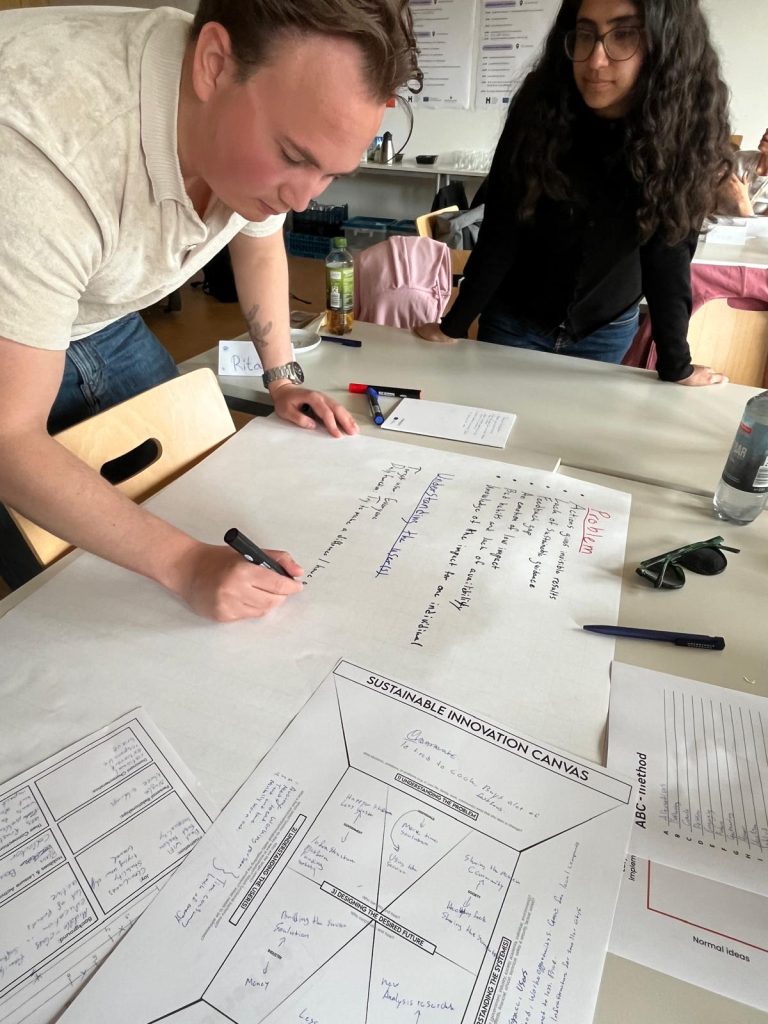
Throughout an intensive week-long programme, students from both universities worked together to turn human-centred ideas into viable project concepts. Using machine learning and smart automation, they explored how digital tools can support creative problem-solving and respond to real-world needs.
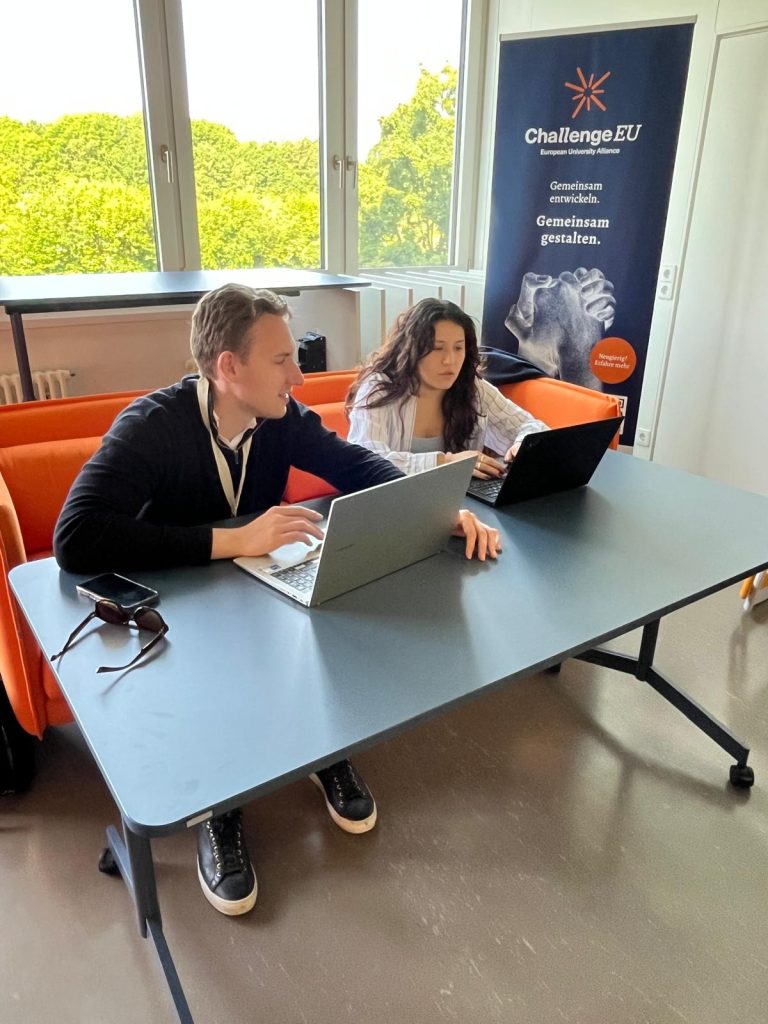
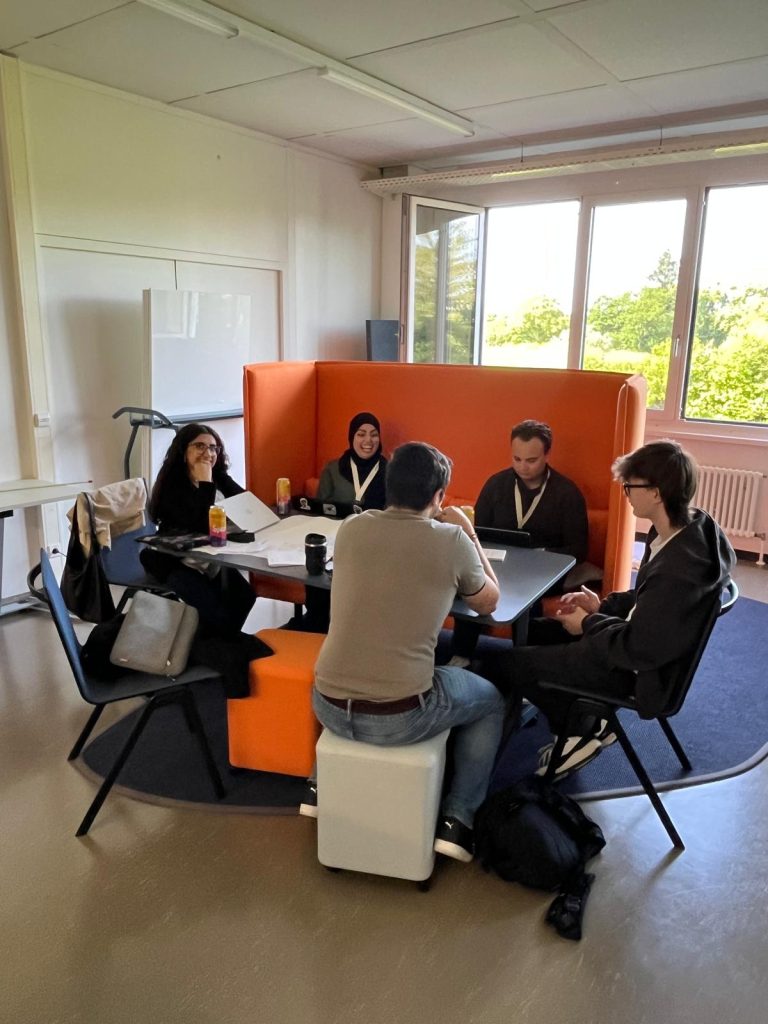
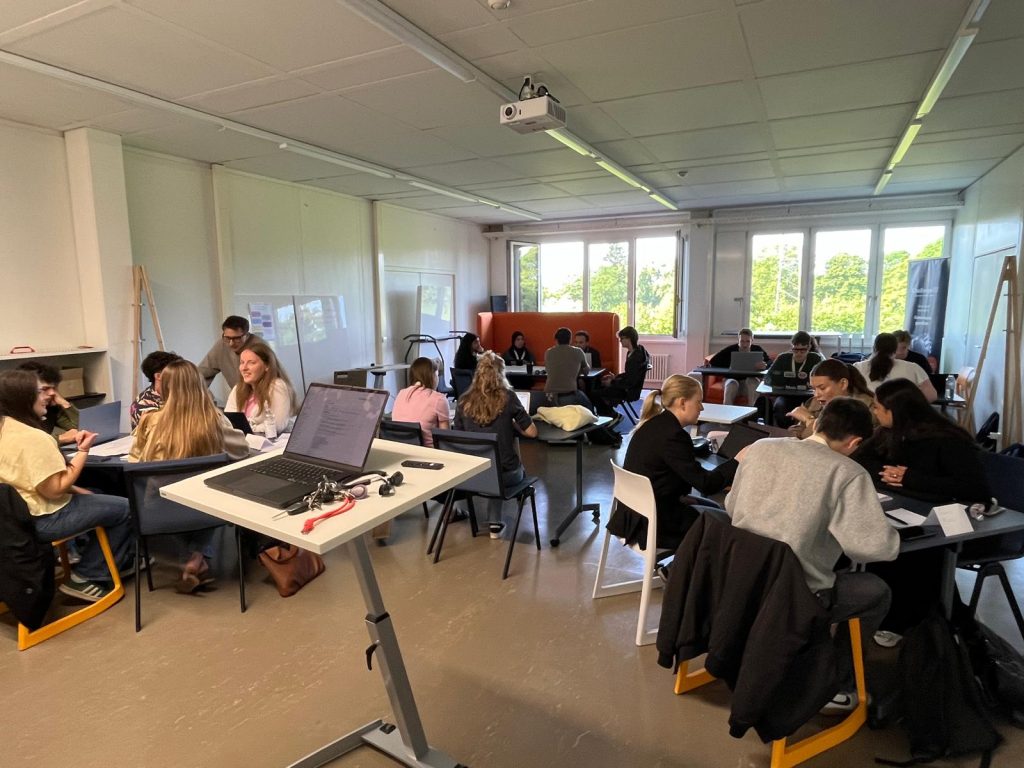
The hackathon brought together Business Administration students from Mid Sweden University and Media students from Hochschule Offenburg. This combination of different academic backgrounds encouraged a dynamic exchange of perspectives and created space for interdisciplinary collaboration. Students were able to combine business thinking, media expertise, technological solutions and creative approaches to innovation.
The event also reflected the wider goals of European academic cooperation: building bridges between institutions, strengthening student engagement and creating learning environments that go beyond traditional classroom settings. By working in international teams, participants had the opportunity to develop not only project ideas, but also key skills such as communication, teamwork, intercultural understanding and entrepreneurial thinking.
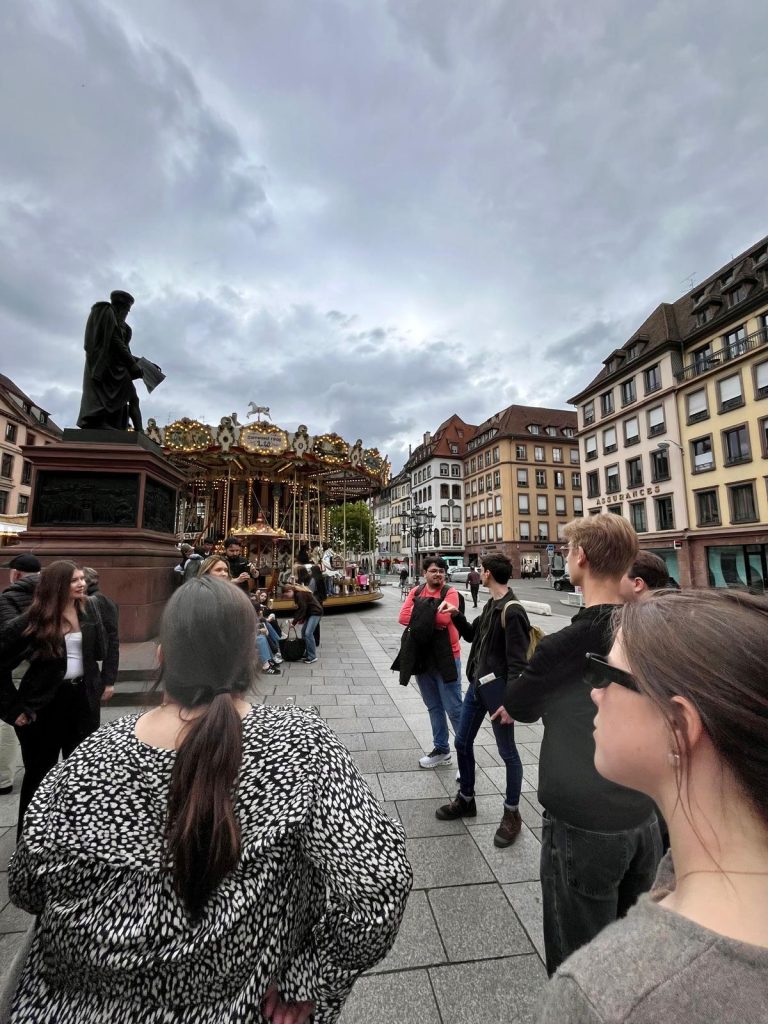
The programme was led by Prof. Dr Jürgen Seitz from Hochschule Offenburg, Dr Gözel Shakeri from the University of Strasbourg, Prof. Anna Sörensson from Mid Sweden University, and Annika Brand from Black Forest Innovation. Their expertise, insight and interactive approach supported students throughout the process and helped create an engaging environment for interdisciplinary learning and innovation.
The hackathon proved to be a valuable example of how European universities can work together to support open education and challenge-based innovation, while giving students the opportunity to transform ideas into meaningful and future-oriented solutions.