HSO PhD candidates visit MIUN: networking, mobility and research collaboration
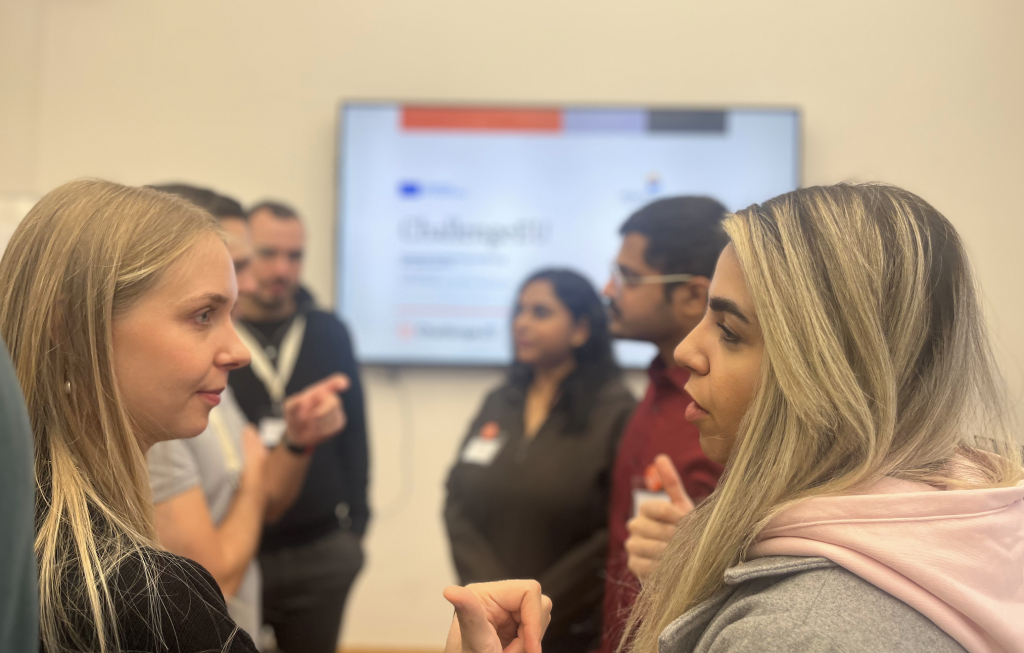
On 12 December, HSO PhD candidates demonstrated a strong commitment to scientific innovation by taking part in a networking visit to Mid Sweden University (MIUN) in Östersund. The event was arranged byDr. Carmen Kuhn (HSO) and Prof. Dr. Lars-Eric Rännar (MIUN) from the Graduate Academy, along withDr. Stefan Granlund from MIUN. The visit provided a valuable platform for strengthening international academic exchange and fostering long-term cooperation between the institutions. It also highlighted the importance of mobility and networking opportunities within doctoral education. Throughout the visit, the program concentrated on the candidates discussing their research, supported by training sessions on research ethics, AI usage, and planning different phases of doctoral work. These sessions encouraged critical reflection and offered practical tools to support the candidates in their individual research journeys. The interactive format allowed for in-depth discussions and peer-to-peer learning in an interdisciplinary setting. Participants benefited from exchanging perspectives and experiences across different research fields. The programme also included visits to the various MIUN laboratories, where exciting concepts on additive manufacturing and materials experimenting were put to the test. These lab tours provided hands-on insights into state-of-the-art research infrastructures and ongoing projects at MIUN. They also opened up opportunities to explore potential synergies for future research collaboration.
ChallengeEU M.A.R.K.E.T. MEET-UP of Associated Partners at LBTU

On 11 December 2025, ChallengeEU’s Associated Partners met at LBTU’s Technology and Knowledge Transfer Centre in Jelgava to strengthen regional cooperation within the Alliance. The M.A.R.K.E.T. MEET-UP combined an inspiring keynote with practical discussions on turning shared initiatives into concrete projects. The event brought together representatives of educational institutions, non-governmental organisations, and regional authorities. Participants included representatives of Jelgava City, Jelgava Region Municipality, the Zemgale Regional Planning Centre, the Zemgale NGO Centre, Bulduri Technical School Ltd, and Malnava College. The meeting was opened by Ilze Beitāne, LBTU Vice-Rector for Studies, who highlighted the university’s key role in expanding international cooperation and the importance of integrating regional partners more closely into the Alliance’s activities. The event’s special guest, Artis Ābols, Head Coach of the hockey club “Zemgale/LBTU” and the Latvian U-20 national team, delivered an inspiring talk titled “From Belief to Bronze.” He shared insights on motivating teams, fostering growth, and pursuing purposeful work to achieve strong results. His presentation sparked a broader discussion on leadership, cooperation, and overcoming challenges in the context of organisational and regional development. Signe Neimane, ChallengeEU Lead at LBTU, presented the Alliance’s goals, offering an overview of its main initiatives and international opportunities for students, researchers, and partners. She emphasised that the Alliance is built on a shared vision of a sustainable, open, and innovative European higher education area. Ilze Stokmane, Head of the LBTU Administrative Centre, spoke about the role of associated partners and the ChallengeEU M.A.R.K.E.T. approach, highlighting how this methodology supports the creation of targeted and mutually beneficial partnerships between the university and sector representatives. In the concluding part of the event, participants discussed next steps to strengthen cooperation within ChallengeEU, agreeing on the need for regular communication and joint activities to turn identified initiatives into concrete projects. The meeting concluded with a shared commitment to continue this work and to further develop the partnership network, contributing to the growth of both LBTU and the wider region.
Family Law through ODEI M.A.R.K.E.T.: Student Perspectives
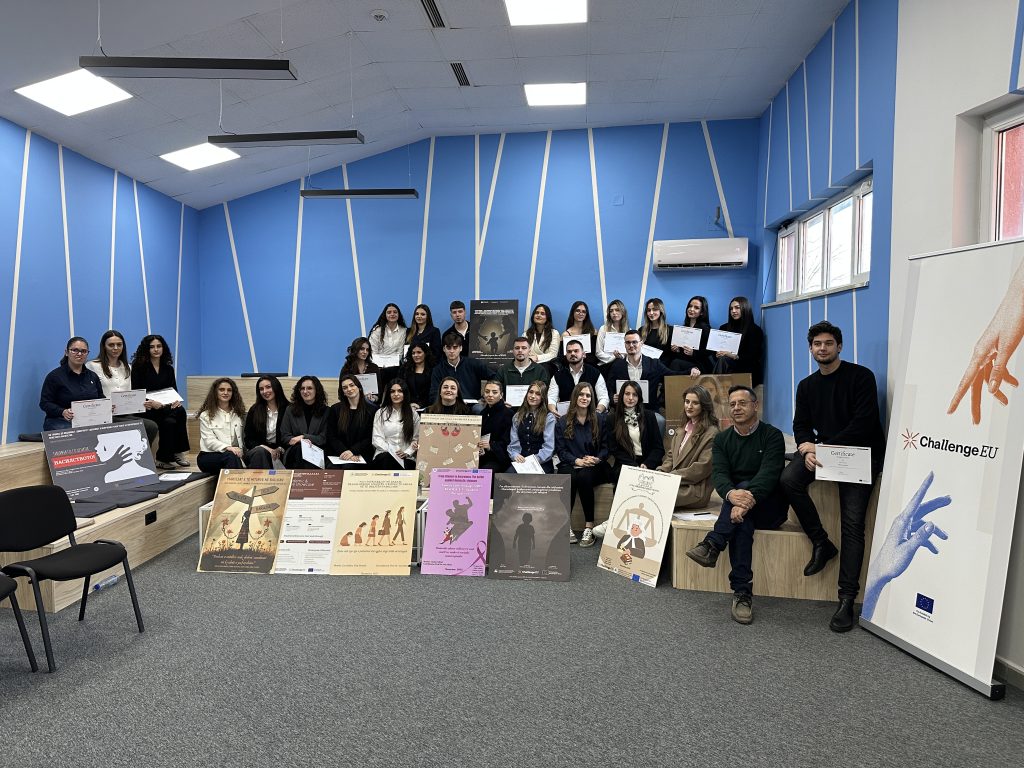
The event “Family Law through ODEI M.A.R.K.E.T.: Student Perspectives”, organised as part of ChallengeEU, is a compelling example of how innovative, inclusive and student-centred learning can generate meaningful academic and societal impact at South East European University (SEEU). The event opened with remarks from Prof. Dr Arta Mero, who emphasised the pedagogical value of the ODEI M.A.R.K.E.T. approach in fostering student advocacy, critical thinking and socially engaged legal education. This was followed by a welcome address from Prof. Dr. Veli Kreci, Director of the Max van der Stoel Institute, who highlighted the importance of embedding openness, diversity, equity, and inclusion into academic practice and curricula, particularly within the framework of the ChallengeEU Alliance. Representing the student perspective, Mevlan Ademi, Student Ambassador for ChallengeEU, reflected on the role of students as active contributors to university initiatives and European academic collaboration, underscoring how such formats empower students to engage meaningfully with societal challenges. Through the ODEI M.A.R.K.E.T. framework (Multi-Actor Research, Knowledge, Exchange, Teams), students moved beyond traditional classroom learning to become active researchers, presenters, and contributors to public and academic discourse. Their work demonstrated not only strong legal knowledge but also critical reflection, ethical awareness, and social sensitivity, particularly in addressing family law challenges through the lenses of diversity, equity, openness, and inclusion. The integration of the M.A.R.K.E.T. model in Family Law confirms its value as a sustainable, inclusive, and high-impact educational approach, enhancing academic excellence while strengthening the social relevance of legal education. The event also highlighted the transformative role of academic staff and fourth-year student mentors, whose guidance and commitment enabled participating students to translate theoretical knowledge into practice-oriented and socially responsive legal analysis. This collaborative effort reflects SEEU’s core values and reinforces its position as a leading institution within the European University Alliance, actively shaping modern, responsible and inclusive higher education. Presentations on adoption, domestic violence, child marriage, post-divorce parental responsibilities, children’s participation in legal proceedings and evolving approaches to divorce were delivered by: Albina Pajaziti, Sara Besimi, Era Fejzullai, Arion Dauti, Erjon Murseli; Iva Stefanovska, Bojana Velkovska, Emanuela Dimovska, Suejla Sulejmani, Zahide Hajdari, Drita Emini, Sara Vejseli; Aida Selami, Fatime Sejfuli, Leonita Xhelili, Mimoza Jahiu; Erlind Rufati, Valon Bexheti; Lindihana Uzeiri, Amina Iljazi, Eugerta Selami; and Jehona Saiti, Albina Rexhepi and Djellza Pajaziti, under the mentorship of Elisa Murseli, Mila Arsić, Elsa Havziju, Amina Ademi, Elfatir Lloga, Mevlan Ademi, Era Sadiku and Omer Ajruli (fourth-year students). The presentations were followed by an open and dynamic debate, during which students, mentors, and participants discussed research challenges, the role of mentoring, and emerging perspectives for family law within the ODEI framework, further enriching the academic exchange and reinforcing the participatory nature of the initiative. Strong engagement from legal practitioners (attorneys, notaries and judges), NGOs, institutional representatives, and students from other faculties and universities significantly amplified the event’s impact. Stakeholders welcomed the initiative and described it as a unique and rarely seen format in the legal field, emphasising its value in bridging academia and practice. As key collaborators of SEEU, they recognised the importance of such initiatives in advancing legal scholarship and strengthening societal trust in the legal system. The event concluded with a certificate ceremony, recognising the commitment and academic contribution of all participating students and mentors. Overall, this initiative confirms that ODEI M.A.R.K.E.T. within the ChallengeEU framework is not merely a project activity but a sustainable educational model, one that empowers students as agents of change, strengthens academic practice, and positions SEEU as a hub of inclusive, forward-looking, and socially responsible higher education with a tangible impact on both society and academia.
Mental Health at the Centre: M.A.R.K.E.T. MEET-UP at UEL
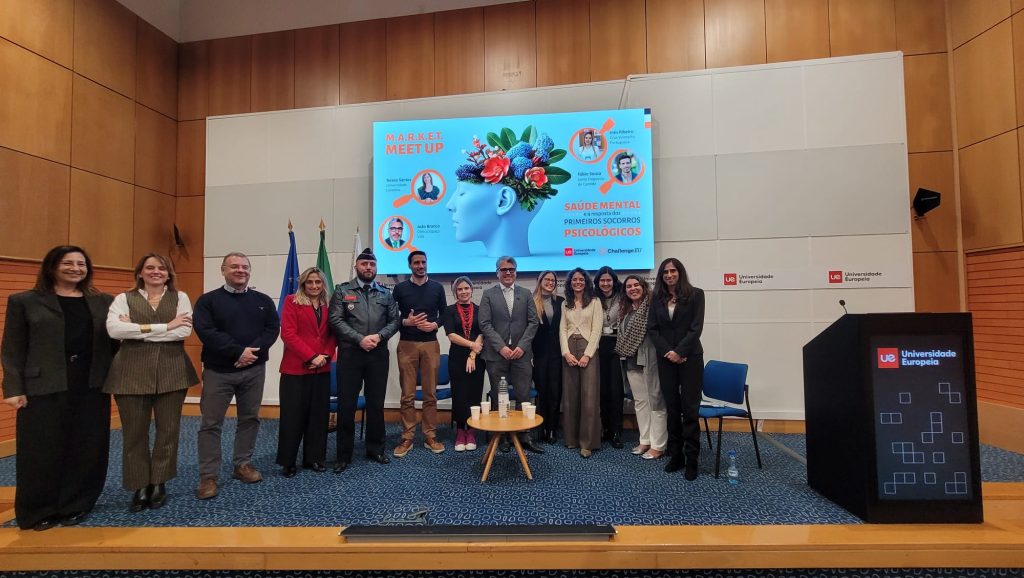
On 4 December, Quinta do Bom Nome, one of Universidade Europeia’s campuses in Carnide, hosted a vibrant gathering that brought together 50 participants: partners in the ChallengeEU Alliance, academia (academic staff, administrative staff and students), civil society, political decision-makers and economic actors. The group engaged in a frank, action-oriented conversation on mental health and psychological first aid (PFA). Opening remarks were delivered by Dr Rita Freitas, ChallengeEU Chief Implementation Officer at Universidade Europeia. She framed the Quadruple Helix model as a collaborative framework that brings together academia, government, civil society and the economy to reflect on shared challenges and design practical solutions across the initiative’s three Smart Specialisation Areas: Health & Well-Being, Smart Digitalisation and Sustainable Futures. Professor Dr Sofia Lopes hosted the event throughout the day, ensuring smooth transitions between segments and speakers. The roundtable was moderated by Professor Dr Lisa Roque, a member of the ChallengeEU community and a psychology faculty member, who placed PFA at the centre of the discussion and emphasised the need to build capacity to respond competently when someone experiences a critical event. Quadruple Helix in action The conversation gained depth as representatives from each “vertex” of the helix sat side by side. On behalf of academia, Prof Teresa Santos, Dean of the Faculty of Health Sciences, underscored the importance of mental-health literacy and transversal training – integrating competencies such as active listening, emotional regulation and crisis management into curricula and professional development programmes for students, faculty and staff. Representing civil society, Dr Inês Ribeiro of the Portuguese Red Cross highlighted the importance of timely responses and certified training in PFA, especially in crisis contexts, and the value of normalising these care practices as part of collective preparedness. From the local economy, Dr João Branco of Clínica Espaço Vida – Clínica Médica shared an integrated clinical perspective (general practice, psychiatry, nutrition and psychology), emphasising the link between prevention, triage and referral, as well as the value of accessible protocols connecting campus services, community support and specialised follow-up. The political dimension was represented by Fábio Sousa, Vice-President of the Carnide Parish Council, who explained how the council engages with local residents and stressed the importance of shared involvement – building proximity, networks and collective responsibility as pillars of an effective public response. Regional voices join the dialogue In a second round, the dialogue opened to regional stakeholders, reinforcing the reach of the model and the commitment to translate intentions into consistent practice. Firefighter Miguel Pereira, from the Sacavém Volunteer Firefighters, brought frontline experience, showing how early emotional and behavioural responses can make a tangible difference in mitigating harm and guiding decisions under pressure. Pedra Base – Consulting & Training, represented by Sara Carvalha and Daniela Guerreiro, presented first-aid training solutions for the corporate sector, advocating the implementation of internal protocols, response plans and ongoing team capacity-building. From expertise to practice: building mental-health literacy and response capacity A key takeaway resonated throughout the day: anyone can provide psychological first aid – provided they have the competence to do so. In many settings, equipping communities with PFA skills can help address shortages in resources and existing capacity, strengthening empathy, mutual support and immediate responses to critical events – alongside physical first aid when necessary. This shared vision turns the campus into a living laboratory of solutions, with impact both within and beyond the university. The closing segment opened the floor and turned the gathering into a productive brainstorming session, generating proposals that set direction and ambition: PFA modules embedded in curricula and continuous training; campus response plans and referral protocols aligned with local partnerships; mental-health literacy campaigns combined with hands-on skills training; and monitoring and impact-evaluation mechanisms grounded in data and continuous improvement. It became clear that Universidade Europeia and ChallengeEU are taking the concept off the page and into practice: when academia, civil society, political decision-makers and the economy sit at the same table – with informed moderation, careful hosting and shared objectives – the outcomes can be applicable, replicable and sustainable. More than a debate, this meet-up marked a turning point: empowering people to act with competence and care, precisely when it matters most.
Holiday Traditions Across the ChallengeEU Alliance

The ChallengeEU Alliance brings together nine universities from nine different countries. Members of our community are happy to share their cultures with one another – including the traditions that shape them. We invite you to explore a short guide to customs associated with the Christmas and New Year holiday season. From candlelit processions and Christmas markets to family feasts, carols, and small acts of kindness, the weeks around the end of the year look a little different in every country – yet they share a common spirit of togetherness. Below, our partner universities take you on a festive journey through their local traditions, favourite flavours, and the unique ways their campuses celebrate the season. Latvia: Candlelit Ziemassvētki, Nine Dishes and the Magic of Riga’s Christmas Market Christmas in Latvia is a blend of Christian tradition and deep-rooted pagan customs that honour light, nature, and renewal. The season begins with Advent, when homes glow with candles and the aroma of piparkūkas – spiced gingerbread – fills the air. On December 24th, Ziemassvētki, families gather for a warm and peaceful celebration. Many still observe the old custom of eating nine symbolic dishes, believed to bring strength and luck, e.g. grey peas with bacon for prosperity. The Christmas tree also has special significance here: Latvia is one of the first places in Europe where the decorated tree tradition was recorded, dating back to the 16th century. Instead of folk songs and ķekatas, many visitors today experience the festive atmosphere at the Riga Christmas Market, one of the most charming and celebrated markets in the world. Set in the heart of the Old Town, it glows with wooden stalls, handmade crafts, mulled wine, local delicacies, and traditional music. Tourists and locals gather around the towering Christmas tree in Doma Square, creating a warm, bustling contrast to the crisp winter air. Christmas in Latvia remains slow, candlelit, and deeply rooted in tradition – yet beautifully complemented by the magical charm of Riga’s world-famous market. Latvia University of Life Sciences and Technologies has its own special Christmas traditions. One of the most elegant and anticipated events in the country is the Christmas Ball held in Jelgava Palace, bringing together students, staff, and guests for an evening of music, dancing, and rich historical atmosphere. Each year, LBTU also hosts a Christmas market organized by students and university employees, offering handmade gifts, festive treats, and a warm sense of community. Another cherished tradition is the LBTU Winter Solstice greeting, which highlights the university’s connection to Latvian seasonal heritage. Among the most significant traditions is the formal session of the LBTU Convent, a ceremonial gathering that reflects the university’s academic spirit and long–standing cultural identity. Spain: Twelve Grapes, the Christmas Lottery and Three Kings In Spain, Christmas celebrations are deeply rooted in tradition. Families and close friends gather on Christmas Eve and Christmas Day to share festive meals and joyful moments. New Year’s Eve is equally special: people flock to the main square of their city or village, holding twelve grapes to eat in rhythm with the twelve chimes of midnight. Finishing all twelve grapes before the last chime is believed to bring good luck in the year ahead. Another highlight of the season occurs on December 22, when the entire country tunes in to watch the National Christmas Lottery. Known as the largest lottery in the world, it boasts a prize pool of €2.7 billion, with more than 70% of Spaniards participating. Finally, on January 6, Spain celebrates the arrival of the Three Wise Kings. Traditionally, Spanish children receive their gifts from the Reyes Magos rather than from Father Christmas. During the holidays, Christmas music echoes everywhere. Alongside global favorites like All I Want for Christmas Is You, traditional Spanish carols can be heard in Christmas markets, bustling streets, and department stores, adding a uniquely local charm to the festivities. Christmas in Spain is also a feast for the senses. Families enjoy dishes such as turkey, seafood, and comforting meatball soup, accompanied by classic sweets like nougat and polvorones. On January 6, the celebration continues with the Roscón de Reyes, a special cake hiding a bean inside. Whoever finds it is crowned “King” for the day, adding a playful tradition to the holiday table. At Universidad Europea de Valencia, the festive spirit fills every corner. Buildings are beautifully decorated with Christmas ornaments and a grand tree, creating a warm and joyful atmosphere. The university also partners with Fundación Mi Aportación to fulfill the wishes of underprivileged individuals who have written heartfelt letters. In addition, student clubs – ranging from sports to cultural groups – organize special activities to celebrate the season together. North Macedonia: Holiday Songs, Flavours, Buzmi and Badnik Traditions In North Macedonia, winter holidays are celebrated across communities through a mix of shared practices and distinct cultural traditions shaped by the country’s multiconfessional character. New Year’s Eve (31 December) is widely observed as a family celebration, marked by festive meals, visits, and gifts for children. Among Albanians, the holiday season carries an additional cultural layer rooted in the ancient traditions of Buzmi and Kërshëndellat – pre-Christian solstice rituals symbolizing renewal and the rebirth of light. The burning of the buzmi log expresses hopes for prosperity and good fortune, while Kërshëndellat are understood as të këndellunit e ditës së re – the awakening of the new day. Macedonian families observe Badnik on 6 January and Orthodox Christmas on 7 January. Across the country, all communities welcome the season with warm hospitality, family gatherings, and traditions that blend spiritual meaning with elements of older symbolism. Most families decorate Christmas trees as part of the New Year festivities. End-of-year celebrations also fill schools with laughter and excitement, as children present songs, dramas, and poems during festive concerts. During the winter holidays in North Macedonia, music reflects the country’s cultural diversity. Among Albanians, children often sing “Drenushat vrapojnë” (“The Does Are Running”), a playful winter song – similar in melody to Jingle Bells – that is especially popular around New Year.
UWM–HSO meeting: Cooperation is a shield in difficult times
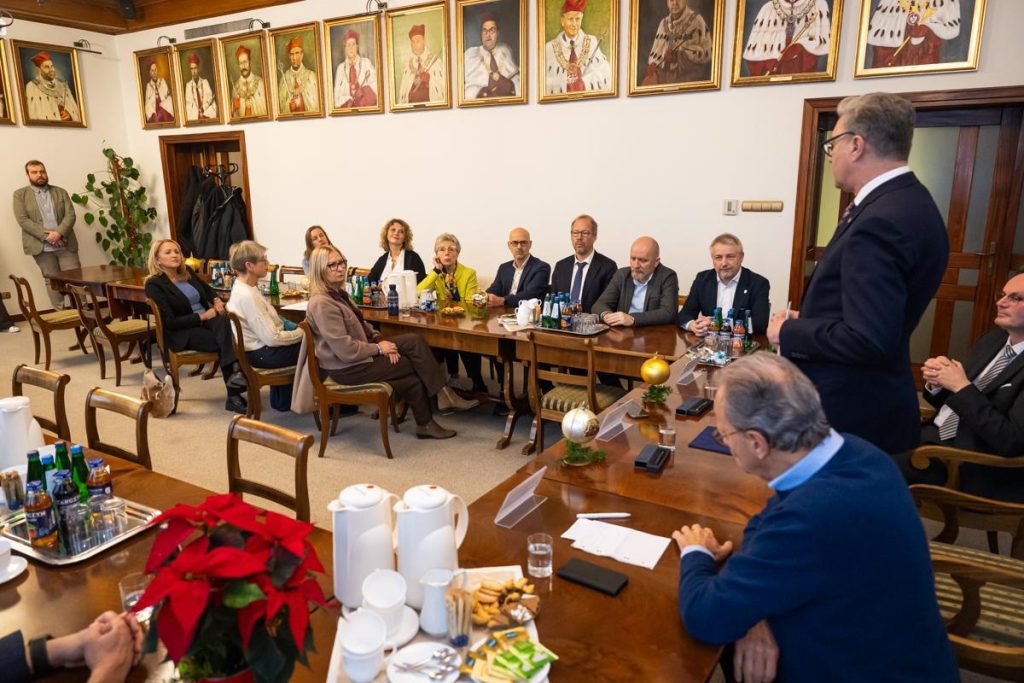
On Monday, 8 December, the University of Warmia and Mazury was visited by guests from Hochschule Offenburg and the Maria and Georg Dietrich Foundation. The pre-Christmas meeting is a tradition that strengthens the ties between the two partner universities. It was, among other things, this friendship that gave rise to the ChallengeEU Alliance. The annual UWM–HSO meeting is a tradition. Professor Jerzy Przyborowski, Rector of the University of Warmia and Mazury (UWM), welcomed the delegation in the rector’s office building, saying: “I am very grateful that we can meet every year as part of the Christmas Bridge initiative, launched by Georg Dietrich. It is a true symbol of friendship between our institutions, but also between all the people involved.” Both the host and the guests emphasised that good relations between countries are more important than ever in the face of the ongoing war in Ukraine and many other geopolitical threats. “Thank you very much for this wonderful welcome during Advent. For us, this is not an official visit – it is a visit to friends. This friendship is a prerequisite for successful cooperation, because something good usually grows out of human relationships,” said Prof. Dr Stephan Trahasch, Rector of Hochschule Offenburg (HSO). Participants in the meeting underlined that what has particularly strengthened the friendship between the University of Warmia and Mazury and Hochschule Offenburg in recent times is the fact that both universities are members of the ChallengeEU European Universities Alliance. The ChallengeEU Alliance places strong emphasis on student mobility. “Exchange and cooperation among young people form the foundation of unity between nations, and thus of peace in Europe,” explained Stephan Trahasch. During the meeting, discussions on joint initiatives within the ChallengeEU Alliance were continued. Prof. Dr Tobias Hagen, Vice-Rector for Internationalisation at Hochschule Offenburg and Chair of the ChallengeEU Alliance, spoke, among others, with Professor Paweł Wielgosz, the UWM Rector’s Representative for European Universities, about new joint educational programmes and academic cooperation – especially in the field of research. “The project has only just started, but we already have our first results – our academic staff have taken part in joint training sessions, and in recent days students, including from our university, met in Offenburg,” said Prof. Paweł Wielgosz. “We are preparing to launch new joint study programmes – not only with HSO, but also with other partner universities. It is also very important to me that we can conduct scientific research together. From experience, I know that effective academic cooperation is often born precisely from joint research. I hope that our working meetings will lead to ideas for new study programmes and new areas of scientific collaboration.” As Prof. Dr Stephan Trahasch recalled, in addition to cooperation within the ChallengeEU Alliance and its other dimensions, what connects UWM and HSO is joint education. The universities run two programmes at the Faculty of Geoengineering (Environmental Engineering in the field of Process Engineering and Biotechnology) and one at the Faculty of Food Science (Food Technology and Human Nutrition in the field of Food Engineering). They also cooperate in programmes such as German Studies and Business Linguistics, in which students also learn German. Prof. Dr Tobias Hagen, who took part in several ChallengeEU working meetings during his stay at UWM (including one devoted to the conference planned for May to summarise the Alliance’s first year of activities), noted that discussions within the ChallengeEU team and with the Faculties of Economics, Geoengineering and Food Science were intensive, extremely fruitful and constructive, and took place in a very friendly atmosphere. He was convinced that this would enable us to further develop the long-standing partnership between our universities and that there would be many new ideas for the future. The HSO delegation also included Prof. Dr Jens Pfafferott (Dean of the Faculty of Mechanical Engineering and Process Engineering in Offenburg), who had the opportunity to meet with UWM representatives to discuss possibilities for further cooperation. Dr Wolfgang Bruder, Chairman of the Georg and Maria Dietrich Foundation, noted that over the years the foundation has awarded more than 200 scholarships to UWM students, contributing to broadening knowledge, creating better learning conditions, and deepening cooperation. In this way, it continues the ideas of Georg Dietrich, who already decades ago deeply understood the importance of Polish–German cooperation and was committed to ensuring that it also developed at university level.
ChallengeEU Empowers Early-Career Researchers at SEEU
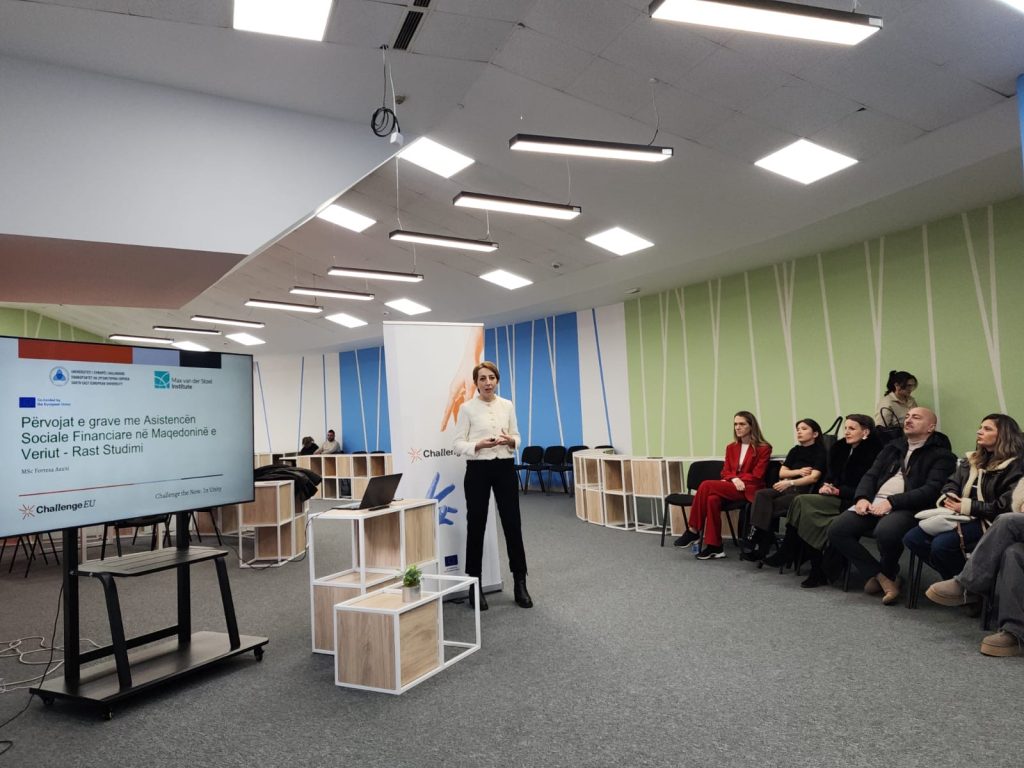
As part of the ChallengeEU Talent Academy, South East European University successfully organized (6th December) the “Meet the Researchers” training session, designed to inspire and empower early-career researchers. The goal of this session was to encourage socially relevant research and strengthen participants’ ability to effectively translate scientific findings into real-world impact. During the Meet the Researchers event with coffee in hand and plenty of motivation, attendees enjoyed a series of insightful presentations showcasing three socially impactful research case studies – along with valuable guidance on scientific writing and research design. The training session was opened by Pro-Rector for Planning, Research, and Entrepreneurship, Prof. Dr. Veland Ramadani, who shared practical strategies and key steps for navigating the publication process with confidence. The session was followed by the Director of the Max van der Stoel Institute, Prof. Veli Kreci, who provided clear guidance on crafting strong, testable hypotheses that lay the foundation for robust research. The three case studies that followed the session were mainly on topics aligned with the Challenge EU three Smart Specialisation Areas, that of Smart Digitalisation, Sustainable Futures, Health and Well-being. Fortesa Asani, a researcher at the Max van der Stoel Institute, presented findings on how social perceptions influence individual well-being, highlighting implications for policy and practice. Lejla Ademi Shaqiri, a researcher at the Max van der Stoel Institute, demonstrated methods for assessing indoor air quality and discussed its importance for public health. Lastly, Shqipe Salii, a teaching assistant at the Faculty of Contemporary Sciences and Technologies, introduced an innovative machine-learning approach that enhances accuracy while protecting patient data privacy. The event brought together curious minds, meaningful discussions, and inspiring ideas.
CBL Training Days at Universidade Europeia in Lisbon
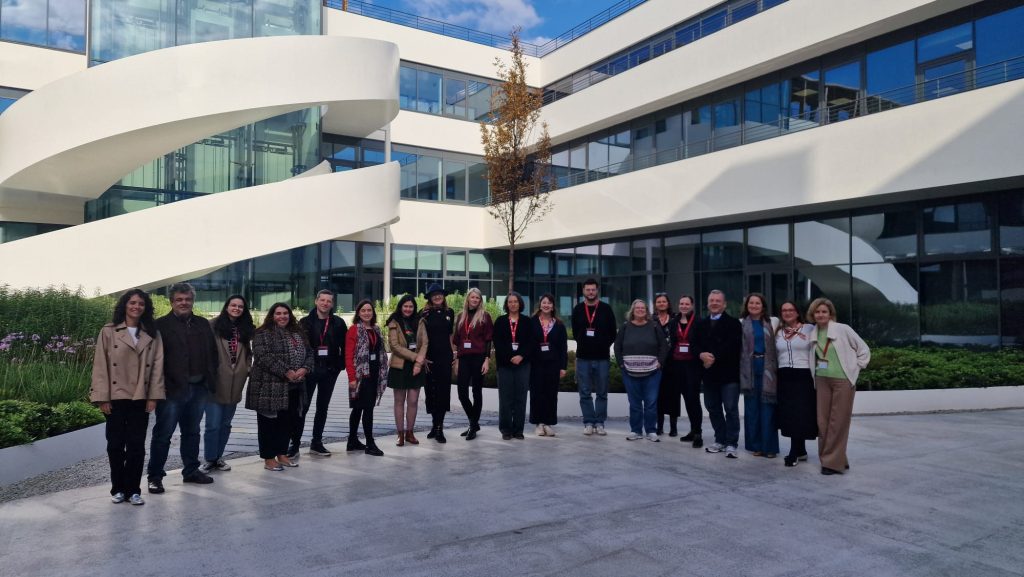
Under a bright winter sun and crisp Lisbon air, Universidade Europeia hosted the CBL Training Days on November 27 and 28, bringing together more than 40 participants from the 9 universities of the ChallengeEU Alliance. The mission was clear: to deepen the practice of Challenge-Based Learning (CBL) and strengthen cooperation among European institutions to transform education. The first day took place at the historic Quinta do Bom Nome, starting with a hybrid opening session in the Sala de Atos. Rector Prof. Dr. Hélia Gonçalves Pereira welcomed participants, followed by Prof. Dr. Rodrigo Morais, who introduced the Academic Model for Sustainability. The afternoon featured the CBL Challenge, led by Prof. Dr. Sara Gancho, and concluded with an immersive experience in simulation-based learning with actors, moderated by Professors Frederico Raposo and Sofia Lopes, turning disciplinary problems into opportunities for practical reflection. On the second day, the event moved to the modern Oriente Green Campus, where advanced CBL strategies were explored with Professors Cidália Neves, Sandra Oliveira, and Sofia Santos, who shared real success stories, including cases from IPAM Porto and projects with APPDCI, a partner entity of the ChallengeEU Alliance that promotes inclusive and sustainable practices. The program continued with a hands-on workshop using real cases, led by Prof. Dr. Rodrigo Morais, and a session on research-based learning, conducted by Prof. Dr. Joana Ramalho. The closing session, led by Vice-Rector Prof. Dr. Paulo Vieira, highlighted the next steps to adapt learning to the ChallengeEU project, during a networking moment that reinforced a shared ambition: to transform education through collaboration and innovation. “During the training, we learned how to apply the CBL method in practice, how to integrate it into the content of different courses, and how several courses or subjects can be combined into a single joint project based on practical solutions,” explains Prof. Agnieszka Jaszczak, Head of the Department of Landscape Architecture at the University of Warmia and Mazury in Olsztyn. She also notes that the training offered an opportunity to examine the project development process – starting from the selection of a partner, such as a company for which a solution is being designed. “I was particularly interested in projects developed within design programmes due to their close connection with my own field of work – architecture, landscape and spatial planning. I was impressed by the excellent, modern infrastructure, including laboratories, graphic, artistic, photographic and computer studios available to students not only during project work but also after classes. I was also struck by the university campus, with its beautiful architecture and green spaces,” adds Prof. Agnieszka Jaszczak. During the event, Professor Agnieszka Jaszczak also promoted the ChallengeEU summer school entitled “Traces in the Landscape,” which will take place next year at the Department of Landscape Architecture at the University of Warmia and Mazury in Olsztyn. The school will bring together students and doctoral candidates from the nine universities forming the Alliance. Its aim is to deepen participants’ knowledge and sensibility in identifying, interpreting and protecting traces present in the landscape – cultural, natural and aesthetic. The CBL Training Days were not just an academic event – they were a living laboratory of ideas, where theory and practice came together to build concrete solutions for the challenges of the future.
Orange for Awareness at SEEU: Empowering Law Students Against Gender-Based Violence
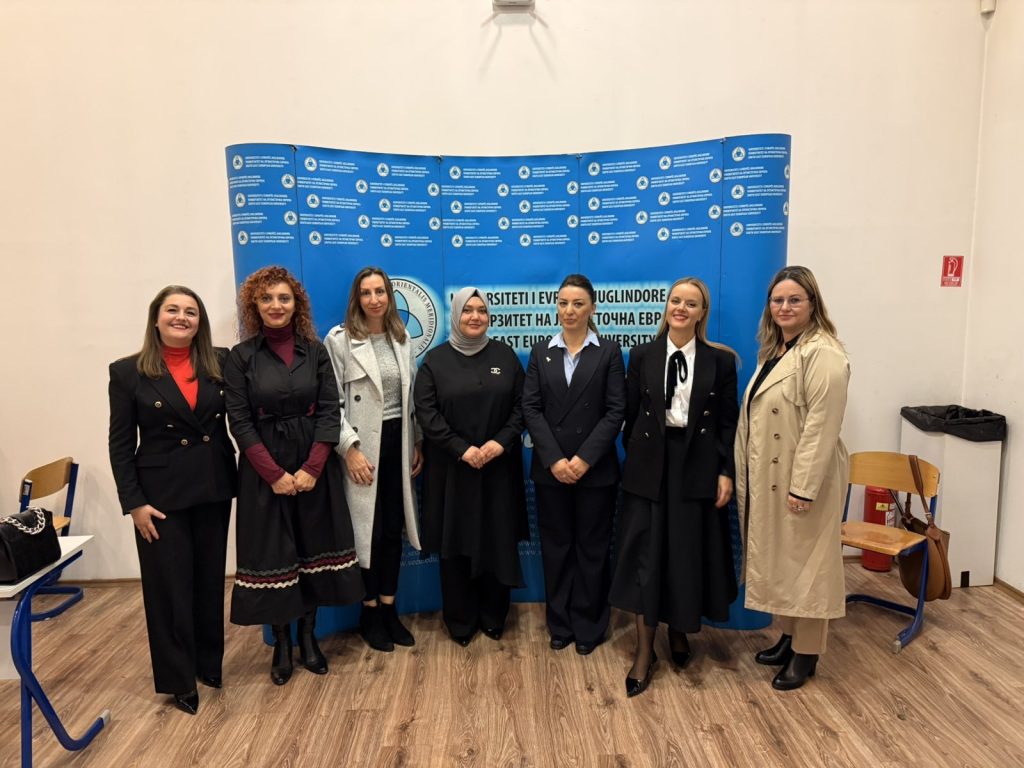
South East European University (SEEU), through its Faculty of Law and the ODEI Working Group (Openness, Diversity, Equity, and Inclusion) of the ChallengeEU project, launched the 16 Days of Activism Against Gender-Based Violence with the seminar “Orange for Awareness: Empowering Law Students Against Gender-Based Violence.” This year’s global theme, “UNiTE to End Digital Violence Against All Women and Girls”, guided the keynote messages and discussions throughout the event. The seminar opened with remarks by Prof. Dr. Arta Mero, who emphasized the importance of preparing future legal professionals to address both physical and digital forms of violence against women and girls. She highlighted SEEU’s ongoing commitment to fostering a safe, inclusive, and supportive academic environment for all students. The event brought together law students, academic staff, NGOs, gender-based violence activists, and participants from ChallengeEU partner universities who joined online. The presence of SEEU’s leadership demonstrated strong institutional support: Rector Prof. Dr. Sadudin Ibrahimi, Pro-Rector Prof. Dr. Veland Ramadani, and Prof. Dr. Besa Arifi, Advisor for Community and International Relations. The seminar featured a series of powerful contributions from experts and practitioners in the field. Vilma Dule, activist and survivor of gender-based violence, offered a deeply personal and academic reflection in her presentation “Rebirth as an Act of Resistance.” Elizabeta Bozhinovska, Programme Director at HERA, highlighted the importance of comprehensive services for victims, perpetrators, and men in crisis. From the University of Tetova, Prof. Dr. Hana Saliu discussed the psychological impacts of gender-based violence and the therapeutic interventions available to survivors. SEEU’s Prof. Dr. Albana Meta-Stojanova examined the alarming rise of femicide in her talk “Femicide: Chronicle of a Foretold Murder,” while Prof. Dr. Vedije Ratkoceri provided an overview of the criminal legal framework for protection against gender-based violence and its alignment with international standards. A special highlight of the event was the acknowledgment of the “Emine Zendeli” Legal Clinic, which supports victims of gender-based violence through primary legal assistance and offers students essential practical training and real-case experience. Today’s seminar reaffirmed that gender-based violence is not only a legal or institutional challenge, but a shared social responsibility. Only through cooperation among universities, institutions, organizations, activists, and students can we build a safer, fairer, and more humane society. SEEU and ChallengeEU remain committed to safeguarding human rights and standing united against all forms of gender-based violence. Together, we rise against gender-based violence.
Sustainable Idea Lab: Creative Minds Co-Create Solutions
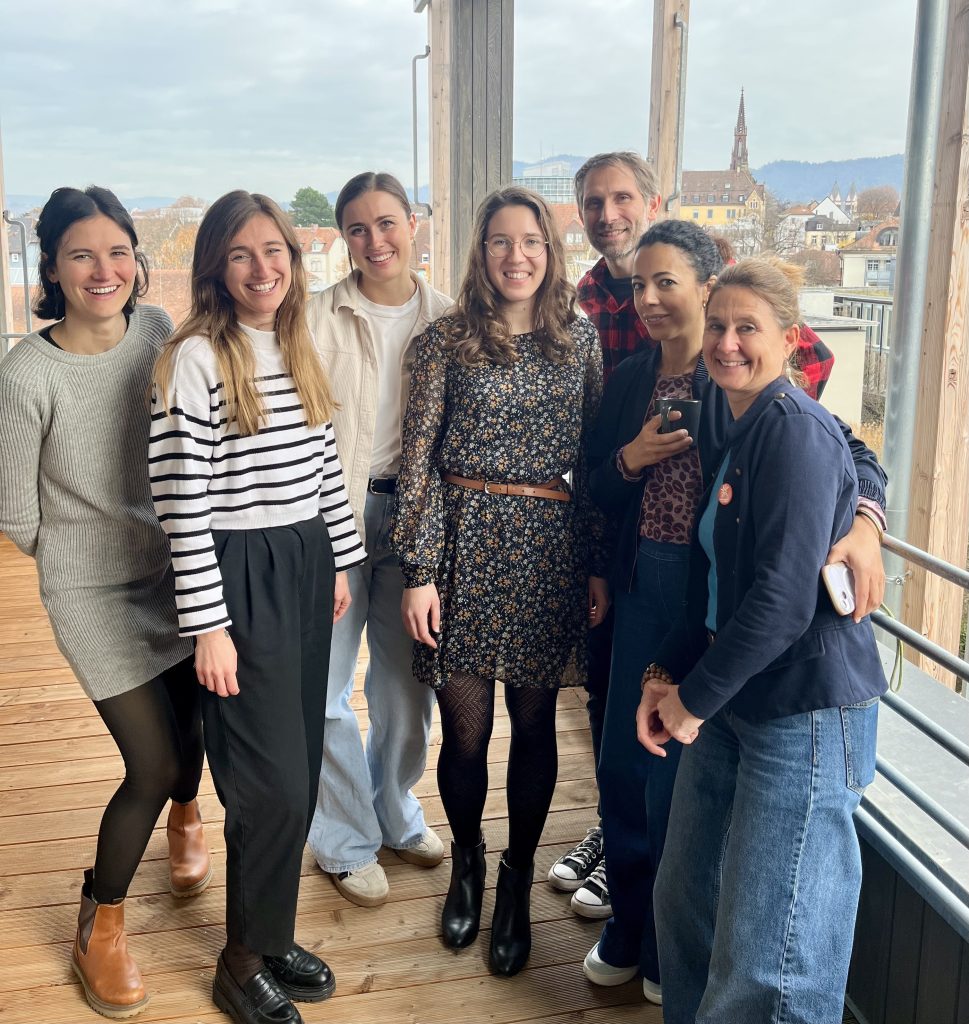
During a two-day (14–15 November) Sustainable Idea Lab workshop, 25 motivated participants came together to tackle five exciting real-world challenges. Divided into five dynamic teams, they worked side by side, sharing ideas in several languages and bringing together diverse perspectives, backgrounds, and experiences. The Sustainable Futures Idealab, held at Flow1986 in Offenburg, was organized by the Open Innovation Managers (M.A.R.K.E.T. Officers) of Sustainable Futures Idealab and the ChallengeEU Alliance. Their mission is to act as bridge builders between universities, students, industry, politics, and civil society – connecting people who want to collaboratively shape a sustainable future. The two-day workshop invited participants to bring their own sustainability-related challenges. These were consolidated into five problem statements addressing inclusive tourism, fair energy transition, inclusive collaboration, circular economy solutions, and the quality of scientific illustration. To strengthen regional cooperation, the team initiated dialogue with local partners such as Impact Hub, Link, La Maison de l’Emploi, SINGA, Interreg, Black Forest Innovation, and BadenCampus. Together, they co-created the concept for an open, participatory Sustainable Idealab. Interdisciplinary teams worked on these topics using design thinking, creative methods, and structured mentoring. Each group was guided by a team mentor who ensured both methodological clarity and space for innovation. The Idealab brought together a diverse group of participants from multiple countries and backgrounds, who collaborated intensively and produced early prototypes and solution concepts in just 1.5 days. This initiative started with fruitful discussions and ended with generated impact through: