From challenges to Solutions. UWM Hosts M.A.R.K.E.T. Meet-Up on Water Innovation and Resource Recovery
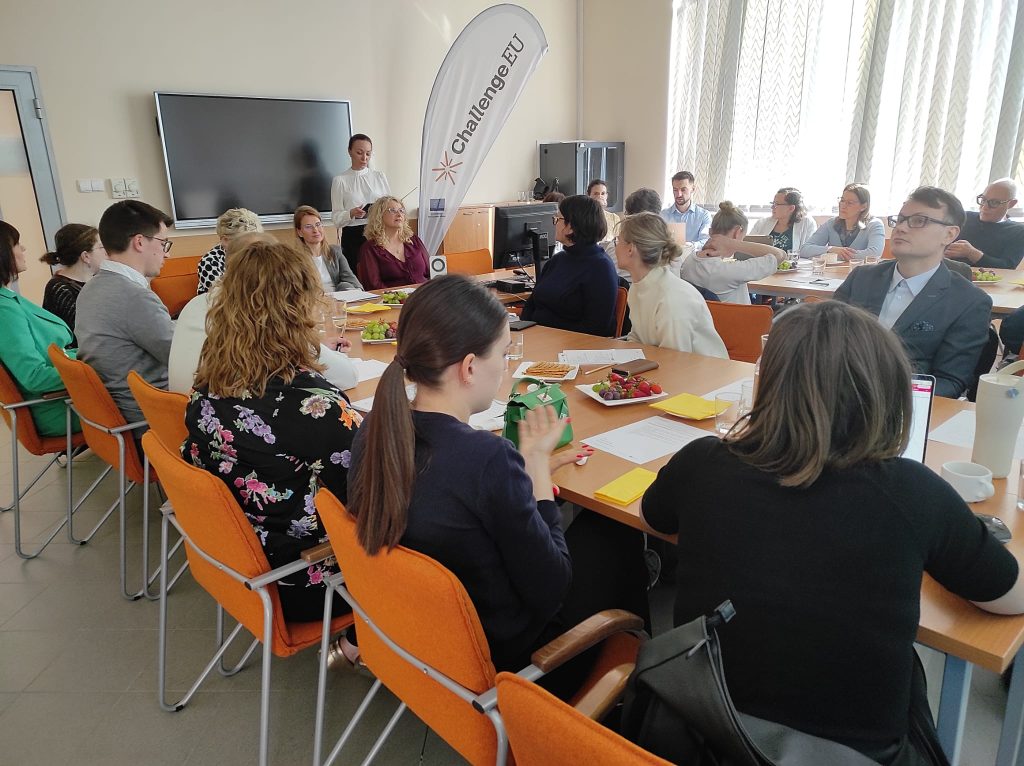
On 22 April 2026, the M.A.R.K.E.T. Meet-Up titled “From Water Challenges to Solutions: Innovation, Treatment and Resource Recovery” took place at the University of Warmia and Mazury in Olsztyn. The event brought together representatives of regions and institutions from across Europe, who engaged in joint discussions on modern solutions in water management, environmental protection, and resource recovery. Participants included representatives of: the Region of West Flanders (Belgium), the Region of Lower Austria – Business Agency of Lower Austria, the Tampere Region (Finland) and the Baltic Institute of Finland, TUA West – Technical University Alliance for Economic Transformation in West Flanders (Belgium), the City of San Sebastián (Spain) – Formento, the municipal economic development agency, the Emilia-Romagna Region (Italy), the City of Bremen (Germany), the Autonomous Province of Vojvodina (Serbia), and the Warmia and Mazury Regional Development Agency in Olsztyn. Among the participants was also a representative of an associated partner of ChallengeEU from the Marshal’s Office of the Warmia and Mazury Voivodeship. The programme featured presentations on innovations in lake protection and restoration, sludge management in the context of reducing eutrophication, and advanced environmental technologies such as anaerobic digestion and microalgae cultivation. The meeting concluded with a visit to the technological laboratory of the Department of Environmental Engineering at UWM, where participants had the opportunity to explore ongoing research and scientific infrastructure. The M.A.R.K.E.T. Meet-Up served as a platform for the exchange of experiences and good practices among European regions, fostering cooperation between academia, public administration, and economic partners. “One of the topics that attracted particular attention during the meeting was lake restoration. This is a highly relevant issue not only for our region, but across Europe, especially in areas with a long history of intensive agricultural and urban development. As highlighted during the discussions, the current state of many lakes is largely the result of historical pressures — decades of nutrient inflows, insufficient wastewater treatment in the past, and land-use practices that have led to the accumulation of pollutants in sediments. These legacy effects mean that even if external pollution sources are reduced today, lakes often continue to degrade due to internal loading. In this context, innovative restoration approaches are gaining increasing importance. Among them, the use of phosphorus inactivation compounds (salts of iron and aluminum) was presented as a particularly promising method. These technologies can effectively limit phosphorus release from sediments, which is one of the key drivers of eutrophication. What makes them especially valuable is their potential for relatively rapid implementation and measurable environmental impact, supporting the recovery of aquatic ecosystems,” said Dr Paulina Rusanowska, ChallengeEU Project Implementation Specialist at UWM. “The strong interest from international participants confirms that lake restoration is not only a scientific challenge but also a strategic priority for regional development, water management, and environmental protection. Sharing experiences and solutions in this field creates real opportunities for scaling up effective practices and building long-term resilience of water resources across Europe,” she added.
Advancing sustainable futures through open innovation. The M.A.R.K.E.T. Meet-Up at Kaleidoscoop Strasbourg
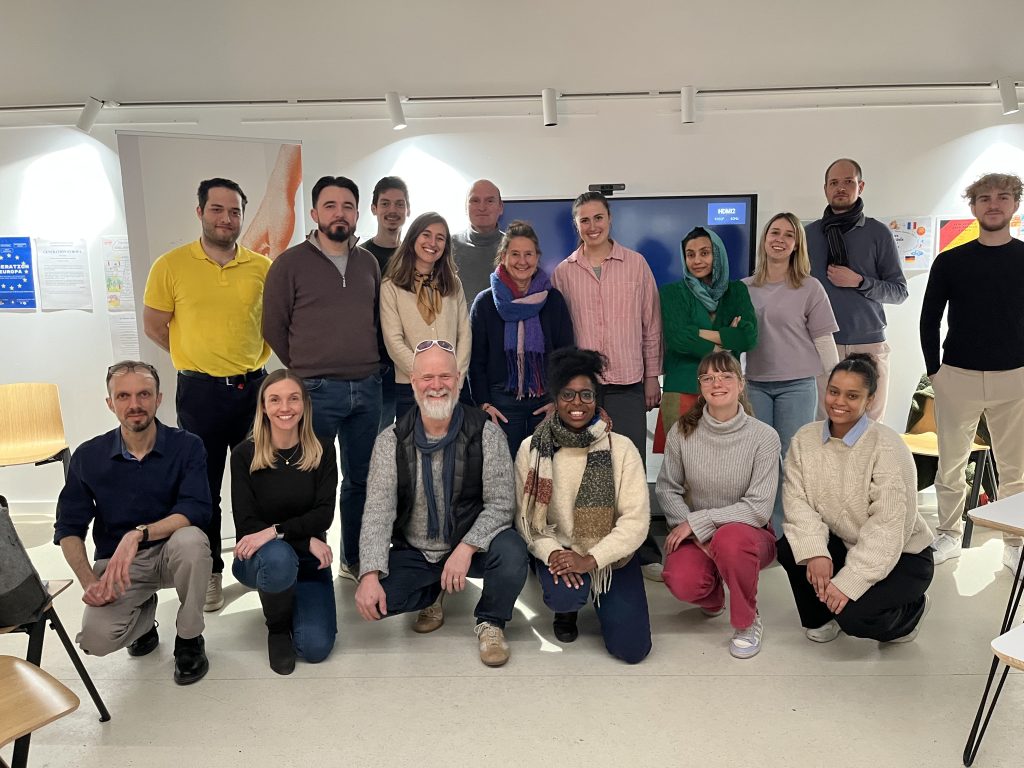
Held on 27–28 March 2026 at Kaleidoscoop Strasbourg, The M.A.R.K.E.T. Meet-Up: Idea Lab x Sustainable Futures 2.0 marked a significant step forward in fostering cross-border collaboration and innovation for sustainable development. Building on the outcomes of the Sustainable Idea Lab held in November 2025, this follow-up event brought together a diverse network of participants, organisations and experts committed to shaping practical, long-term solutions for civil society. Organised within the framework of the ChallengeEU initiative and aligned with its emphasis on open, participatory innovation ecosystems, the meet-up exemplified the principles of collaborative knowledge creation, inclusivity and real-world impact through transnational cooperation and continuity. While the November session focused on identifying key sustainability challenges and generating early-stage ideas, the March meet-up shifted its attention towards transforming these concepts into viable and scalable solutions. Participants worked in interdisciplinary and intercultural teams representing France, Germany, Canada, Iran, Ukraine and beyond. Several promising concepts emerged from the meet-up, including digital platforms designed to boost cultural exchange and immersive intercultural training models. Other ideas focused on developing accessible approaches to circular economy practices aimed at making a positive contribution to the local environment. By connecting participants across borders, disciplines and generations, the initiative has continued to demonstrate its value for civil society participants and to create a ripple effect across the Upper Rhine region and beyond, helping to shape a shared European vision built on open collaboration.
Second edition of the M.A.R.K.E.T Meet-Up at ECAM LaSalle
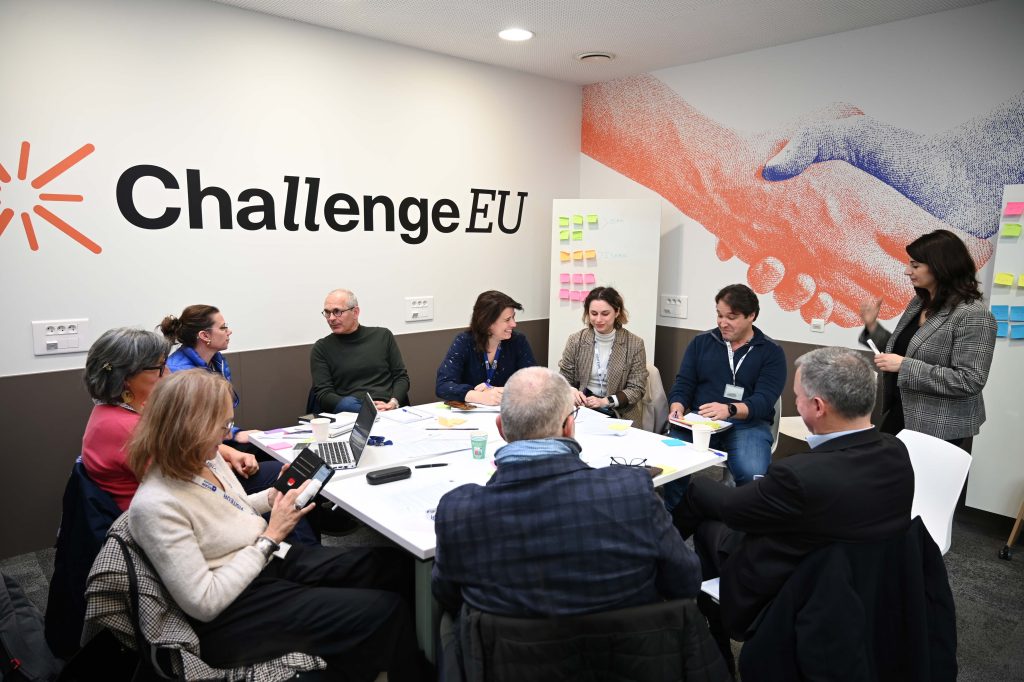
On Friday 27 March, ECAM LaSalle welcomed our local partners from the academic, industrial, public and civil society sectors as part of ChallengeEU. Naldeo Group, Robotique First, ISARA, Saint Thomas d’Aquin, France Travail, the Lyon Metropolis and the Auvergne-Rhône-Alpes Region were all present to discuss an issue that concerns them all: lifelong learning and the development of skills to respond to ecological, social, industrial and societal transitions. This morning’s session provided an opportunity to exchange perspectives, share experiences and identify concrete needs to support both employees and organisations through these transitions. This is a major challenge, as it involves not only securing career paths but also fostering sustainable skills development in step with current and future challenges. This issue will be at the heart of next month’s Hackathon, in which students from ECAM LaSalle and their academic partners will participate, designing, developing and presenting solutions to the challenges outlined by our local partners. The event was another example of the ChallengeEU Alliance’s commitment to building bridges between academia and the socio-economic environment, in line with the Quadruple Helix approach. It also highlighted the importance of interregional cooperation in developing sustainable and scalable solutions to shared European challenges. Such initiatives strengthen regional innovation capacity and contribute to shaping a more resilient and sustainable future.
Blooming partnerships. A new season of M.A.R.K.E.T. Meet-Ups at SEEU
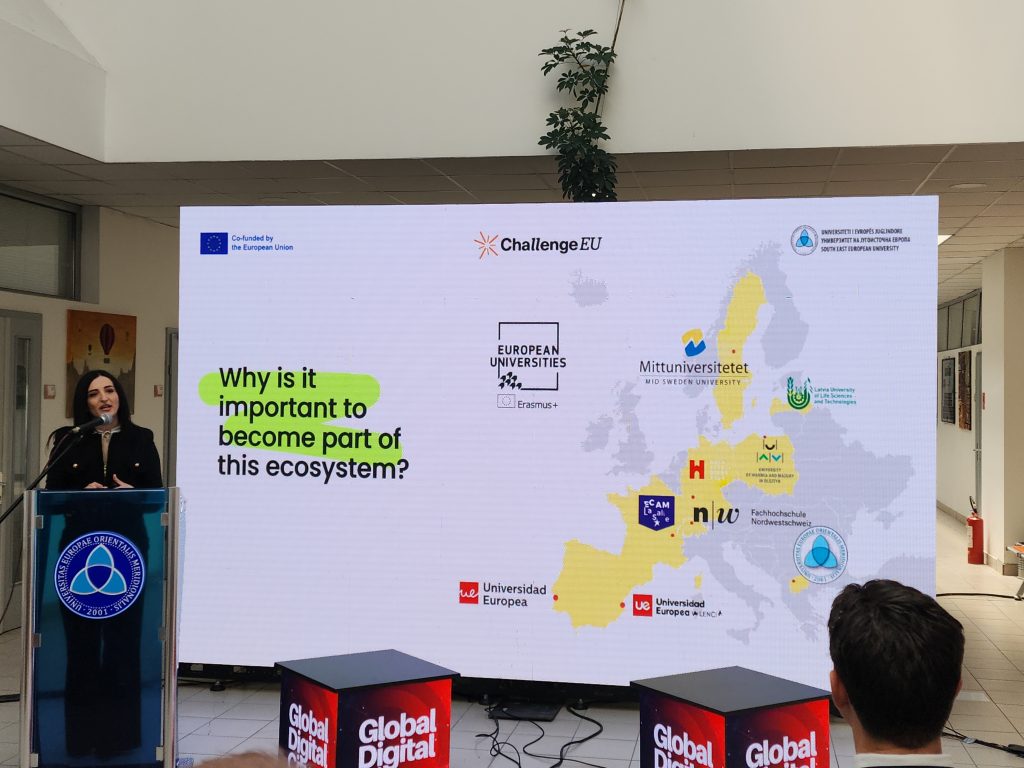
The second day of the Global Digital City event took place at South East European University (SEEU), with the support of ABSL North Macedonia, bringing together key representatives from academia, industry, the diplomatic community, and public institutions. The activities followed the M.A.R.K.E.T. Meet-Up approach of the ChallengeEU Alliance, creating an interactive environment where collaboration moved beyond dialogue toward practical engagement. The event strengthened connections between universities, businesses, policymakers, and young professionals, encouraging the co-creation of innovative solutions. During the keynote session, Assoc. Prof. Dr. Shpresa Alija, Market Officer of the ChallengeEU project, presented the initiative’s strategic vision for developing a digital collaboration platform and a sustainable innovation ecosystem. She highlighted how ChallengeEU bridges academia and industry by mobilising students, leveraging academic expertise, and engaging international partner universities to transform real-world challenges into concrete collaborative projects. Hamit Kamberi, designer of the first digital platform developed within the ChallengeEU framework – Impact Lab – then introduced the platform, outlining its key features, benefits, and the stakeholder registration process. He emphasised that Impact Lab serves as a new digital collaboration space connecting universities, industry, and partners at both regional and international levels. The programme concluded with practical workshops and training sessions focused on employability and industry readiness, providing participants with hands-on experience and direct interaction with experts and employers. The event clearly demonstrated how M.A.R.K.E.T. Meet-Ups generate tangible results by turning ideas into action and strengthening long-term partnerships across the broader European ChallengeEU alliance.
M.A.R.K.E.T. Meet-Up on Distance Campus strengthens regional collaboration for MIUN in Östersund
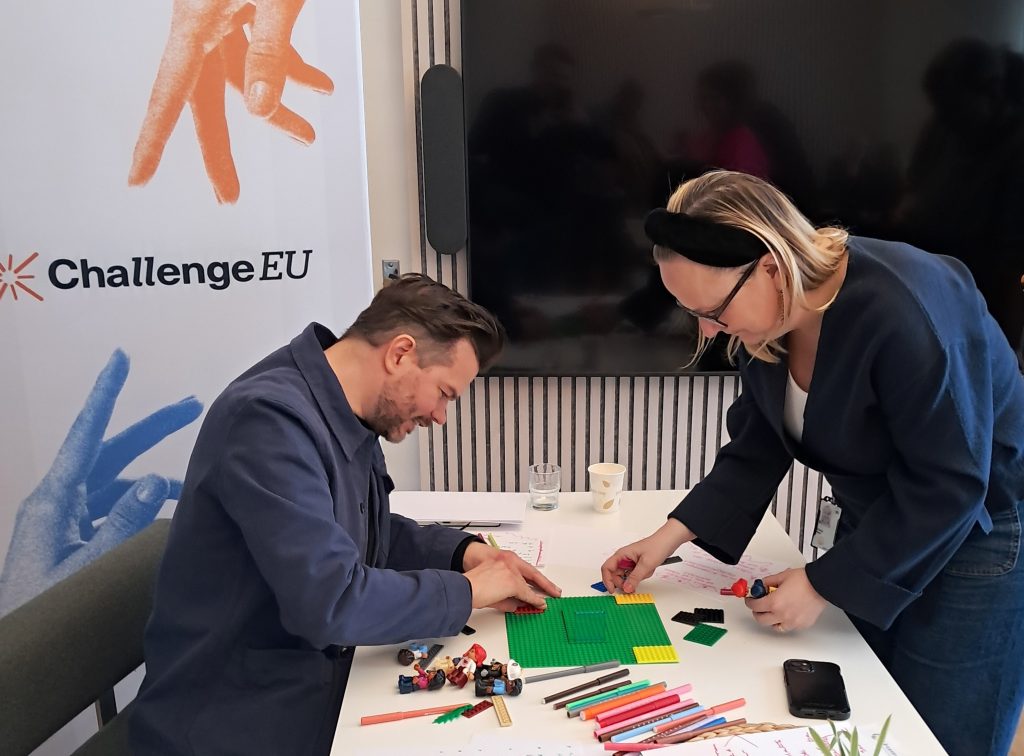
On 24 February 2026, Mid Sweden University and ChallengeEU hosted a M.A.R.K.E.T Meet-Up on the continued development of the distance campus together with Lärcentrum Östersund (Östersund Adult Education Centre). Around 20 participants gathered, representing the public sector, the business community, civil society, and academia. The Distance Campus is a physical space where distance students can study, connect with peers, and network with potential future employers. The meeting provided a valuable and up-to-date overview of the current status of the Distance Campus, which is hosted by Lärcentrum Östersund. Participants also had the opportunity to hear directly from distance students who actively use the facilities, offering important insights into their study conditions and everyday needs. During a well-received facilitated workshop, the group identified key challenges and areas for improvement related to the further development of the Distance Campus and the study environment for distance learners in the Jämtland/Härjedalen region. The discussions enabled participants to exchange ideas, experiences, and expertise, and to outline potential actions with clear regional relevance and impact. Distance students living in the region are increasingly recognised as an important part of the regional talent supply for both the business and public sectors. The event confirmed strong engagement among regional stakeholders and marked an important step forward in strengthening collaboration to create sustainable and supportive conditions for distance students.
Neurodiversity in focus: ChallengeEU workshop in Offenburg
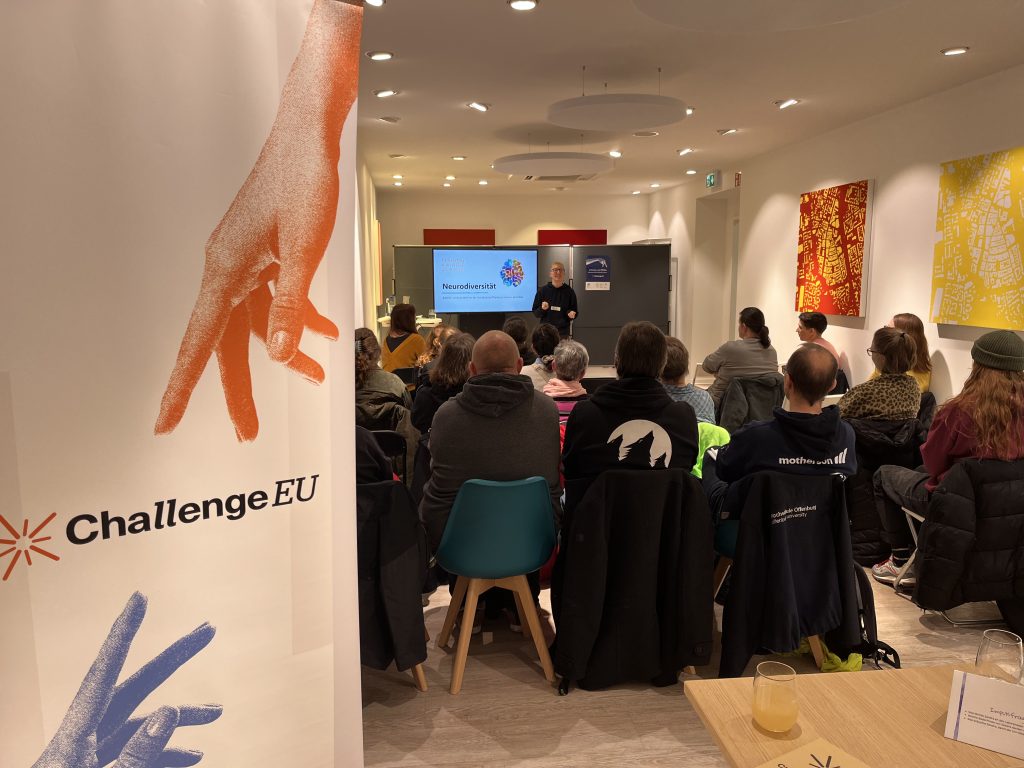
On 12 February, the first neurodiversity-focused workshop of the ChallengeEU alliance took place at Stadtraum Offenburg, bringing together the M.A.R.K.E.T. approach and ODEI principles (Openness, Diversity, Equity, Inclusion). The event became an inspiring platform for exchanging experiences among academics, students, institutional representatives, and external practitioners. The programme was led by neurodiversity expert Sylvia Drews. The workshop opened with an introduction to neurodivergence in the workplace, including how traits such as ADHD and autism spectrum conditions may present differently in individuals. Participants explored core patterns of neurodivergent functioning as well as the challenges neurodivergent people face in professional and educational environments. A strong emphasis was placed on interaction. Working in groups, participants collaboratively developed ideas for creating more inclusive spaces that genuinely support neurodivergent individuals. Discussions addressed both workplace settings and educational institutions, highlighting that inclusive solutions can – and should – be implemented at multiple levels. An important part of the meeting was reflection on practical steps that can be taken in organisational policies and everyday practices. The aim was to identify actions that help build safe environments where everyone can express themselves freely and confidently, without fear of judgment. The workshop demonstrated how ChallengeEU creates spaces where diverse perspectives meet: academic knowledge, student voices, institutional experience, and expert practice. Bringing these groups together in one room makes it possible to move beyond dialogue toward shared responsibility for inclusive transformation. Participants highlighted the inspiring atmosphere of the event and the value of meaningful exchange and collaboration. The workshop also provided an opportunity to connect these discussions with ChallengeEU’s mission – encouraging unconventional thinking, collective action, and challenging the now, in unity.
UWM Regional Meet-Up
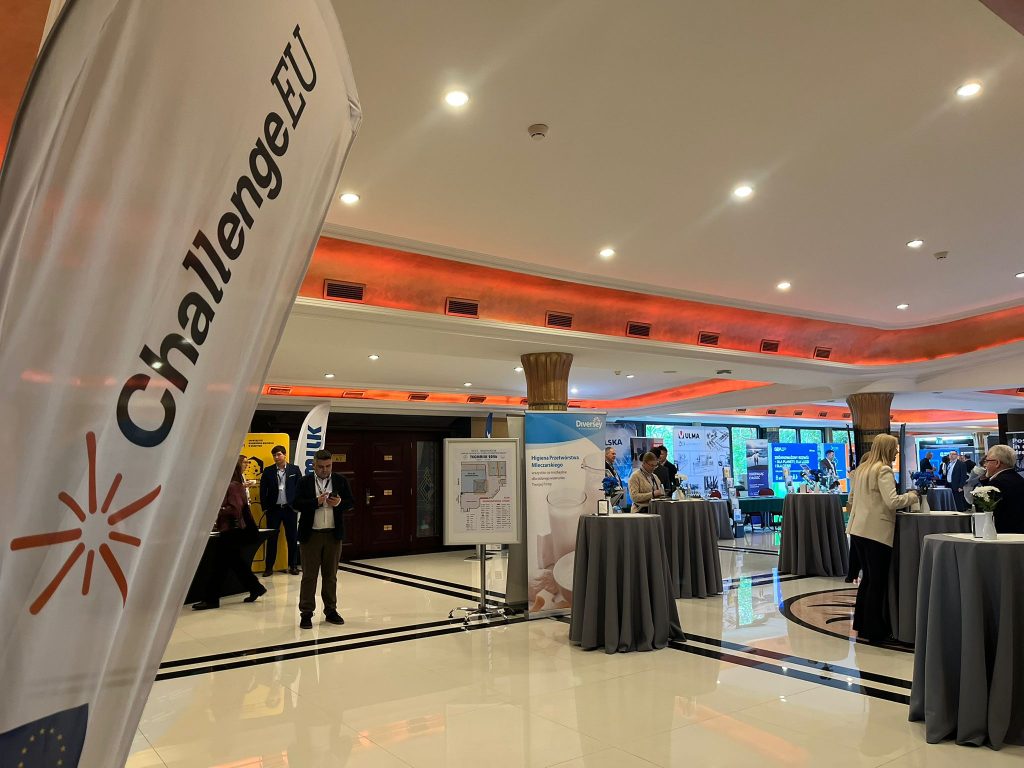
On 11–13 February, the 27th edition of the Techmilk seminar was organised by the University of Warmia and Mazury. The event is devoted to modern technological solutions in the dairy processing sector. During the seminar, science met industry. Techmilk brought together representatives of academia, business, local government authorities, and students – nearly 400 people attended the event in total. Through presentations, debates, and showcases of technical solutions, dialogue was established between scientists, representatives of dairy companies, and suppliers of modern industry solutions. “Techmilk was an excellent opportunity to promote the alliance’s ideas and establish new contacts. During the UWM Regional Meet-Up, we also met with our associated partners – including companies such as Mlekpol and Piątnica. We observed very strong interest in the ChallengeEU alliance, and many companies expressed their willingness to cooperate,” says Dr Adriana Łobacz, Market Officer in WP4. It is also worth noting that students from universities forming the ChallengeEU alliance were not forgotten during the event. Representatives of UWM’s Office for International Cooperation worked together with entrepreneurs to offer students opportunities for internships and traineeships.
M.A.R.K.E.T. Meet-Up on Events and Sustainability in the Region of Valencia
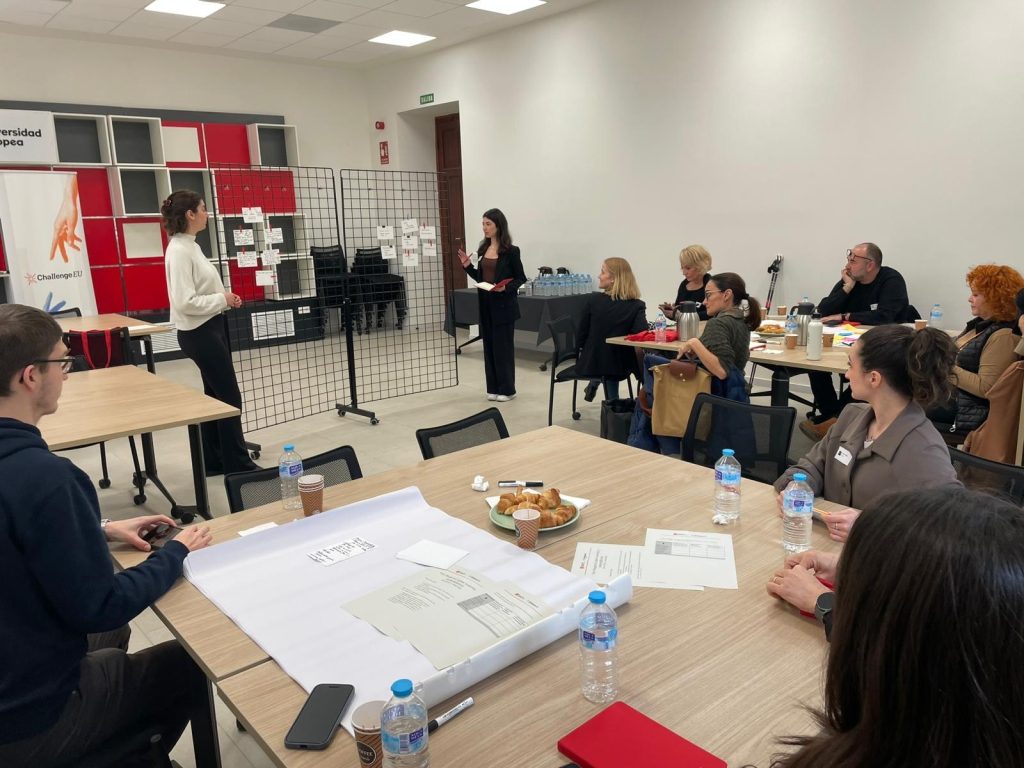
On Tuesday, February 10, 2026, Universidad Europea de Valencia hosted its first M.A.R.K.E.T. Meet-Up dedicated to Events and Sustainability in the Region of Valencia. Organized in collaboration with Meeting Professionals International (Iberian Chapter), this dynamic session brought together local experts representing the Quadruple Helix (Government, Industry, Academia and Civil Society) to explore how events can contribute to sustainability outcomes and create lasting legacies in destinations. This collaborative exercise featured insightful discussions on integrating sustainability into event planning and execution. It focused on identifying local challenges related to sustainable events and generating practical solutions to ensure that sustainability principles are embedded in future event strategies. Participants engaged in a lively exchange of ideas, emphasizing the importance of collaboration between event organizers, destinations, and stakeholders to achieve meaningful sustainability goals. The conversation highlighted actionable steps for reducing environmental impact, promoting local communities, and ensuring that events leave a legacy beyond the experience itself. Key Challenges Identified: Potential Solutions: “Thank you to all attendees and partners for making this event a success. Together, we are shaping a more sustainable future for the events industry in the region of Valencia and beyond,” said the organizers.