1,000 kilometers on one kilowatt-hour: Team Schluckspecht presents the “S8”
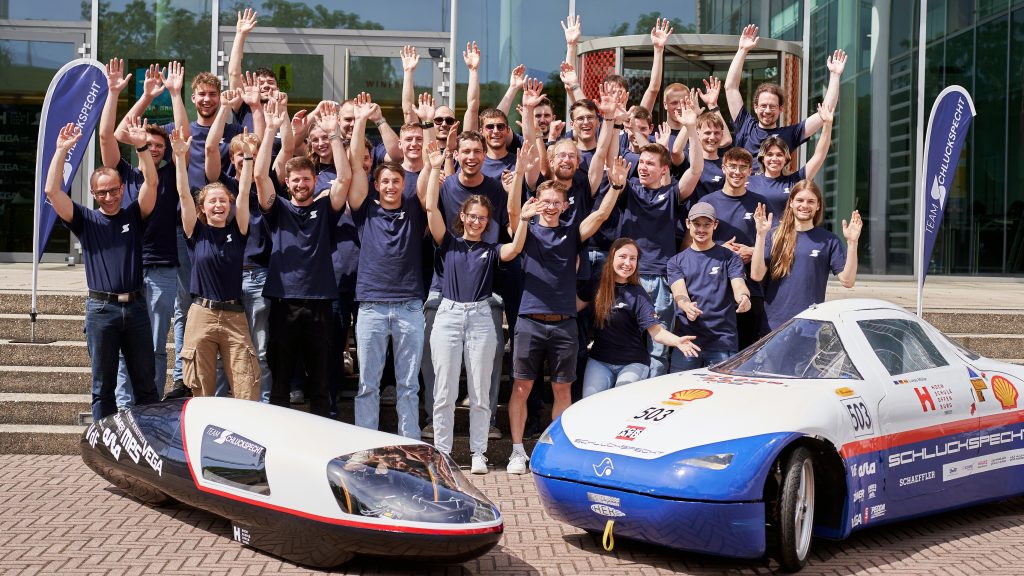
After two years of intensive development work, the student team “Schluckspecht” has presented Hochschule Offenburg’s new energy-efficient vehicle. With the prototype, the students are aiming for a new long-distance record. At the ceremonial roll-out of the “S8” in front of around 150 guests, the technical milestones of the new prototype were on full display. The most striking innovation: The front wheels are once again fully integrated into the body. Flow simulations had previously shown that this provides significant aerodynamic advantages when cornering and in crosswinds. Around 1,000 hours of work went into the lighter and stiffer CFRP body alone, whose elegant carbon weave shimmers blue at the rear. In addition, the interdisciplinary team optimized the chassis digitally and using industrial methods to maximize quality in every detail—from straight-line stability to driver feedback. At the end of June, the S8 will compete alongside the established “S5 Urban Concept” at the Shell Eco-marathon in Poland. The goal for both vehicles is to qualify for the World Drivers Championship in Qatar. More information (in German): https://www.hs-offenburg.de/hochschule/news/artikel/1000-kilometer-mit-einer-kilowattstunde-sind-das-ziel
Olsztyn LOVE Science: A Celebration of Curiosity
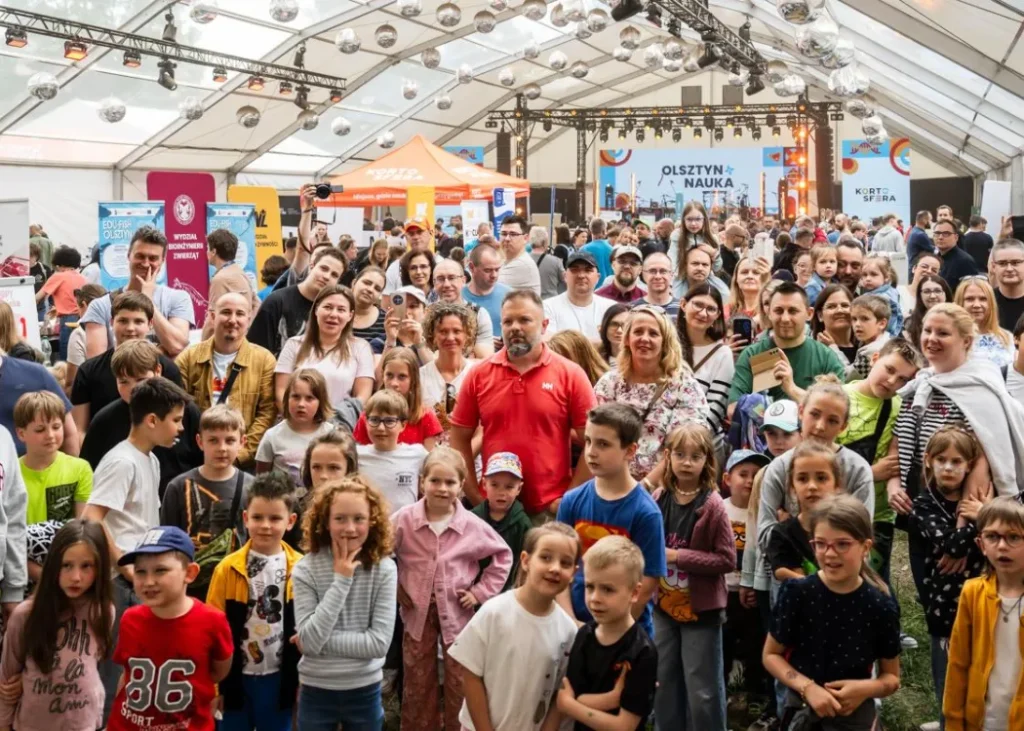
The first edition of Olsztyn LOVE Science brought together families, researchers, students, and science enthusiasts for a day of discovery, creativity, and fun at the University of Warmia and Mazury in Olsztyn. Organised by Kortosfera – the Centre for Science and Innovation, the open-air science festival featured hands-on experiments, interactive workshops, educational activities, live demonstrations, and concerts, proving that science can be engaging, accessible, and inspiring for everyone. Designed to connect academia with the wider community, the event encouraged visitors of all ages to explore the world of science through play, curiosity, and direct interaction with researchers. Following the success of its inaugural edition, Olsztyn LOVE Science is set to become a recurring celebration of science and innovation in the region.
Former HSO Student Wins German Film Award
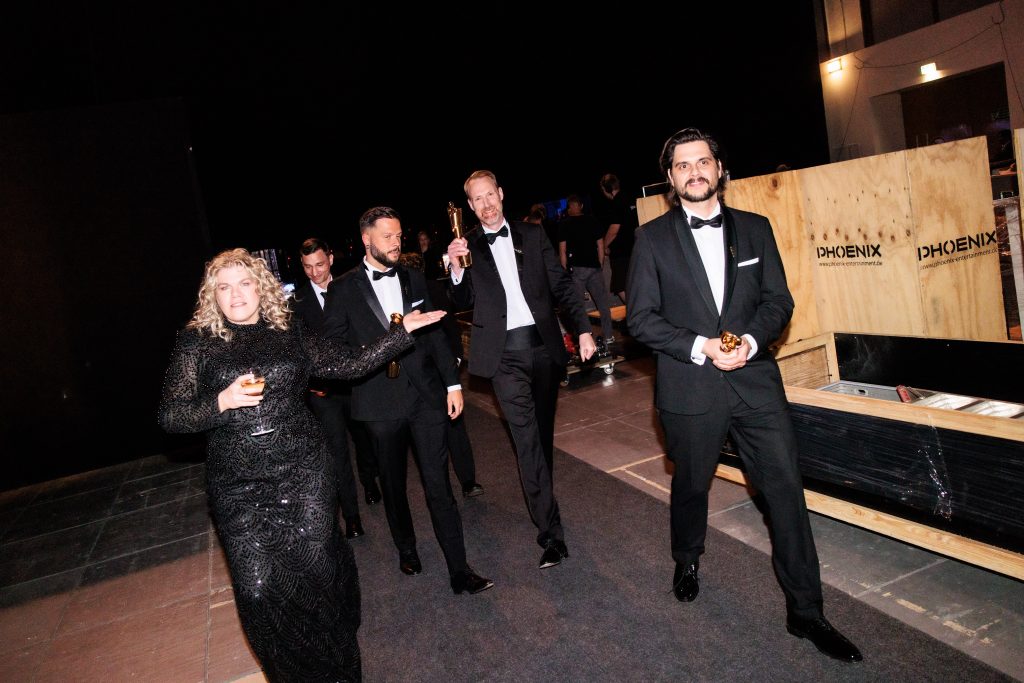
A major success for Hochschule Offenburg: Alumnus Claudio Demel has been awarded the prestigious “Lola” for Best Sound Design in the feature film “In die Sonne schauen.” The film won a total of ten awards during the gala evening. Claudio Demel, who studied Media Design and Production in Offenburg from 2010 to 2014 and then further specialized at the Film Academy Baden-Württemberg, accepted the award together with his team in Berlin. Presenter Gisa Flake in her speech emphasized the fundamental importance of sound, which condenses stories and defines the blend of the film. In die Sonne schauen tells the eerily intertwined life stories of four women from different eras living on a secluded farm. For Demel, who now lives in Berlin as a freelance film sound engineer and sound designer, the award is a milestone. It also underscores the high quality of media education at Hochschule Offenburg. More information (in German): https://www.hs-offenburg.de/hochschule/news/artikel/ehemaliger-mgp-student-gewinnt-deutschen-filmpreis
Streaming Day 1
Streaming Day 2
ChallengeEU 1st Annual Conference 2026- Streaming
Before you access the video recording, we’d like to ask you to take a moment to fill out a short form. It will only take a minute, and your answers will help us get to know our audience better – who you are, what brings you here, and what matters to you. This insight is incredibly valuable to us. It allows us to shape future events around the people who actually attend them, so that each conference becomes more relevant, more useful, and more enjoyable than the last. Once you’ve completed the form, you’ll get full access to the video. Thank you for helping us make our next event even better. We truly appreciate it.
ChallengeEU 1st Annual Conference 2026 in Olsztyn
Bridging Regions – Connecting Universities
Building Bridges: Collaboration for Impact (BIP) has officially started!

Collaboration for Impact, a Staff BIP bringing together representatives from across Europe to strengthen collaboration with external stakeholders and enhance societal impact trough joint learning and exchange
Scientific Wednesdays at UWM
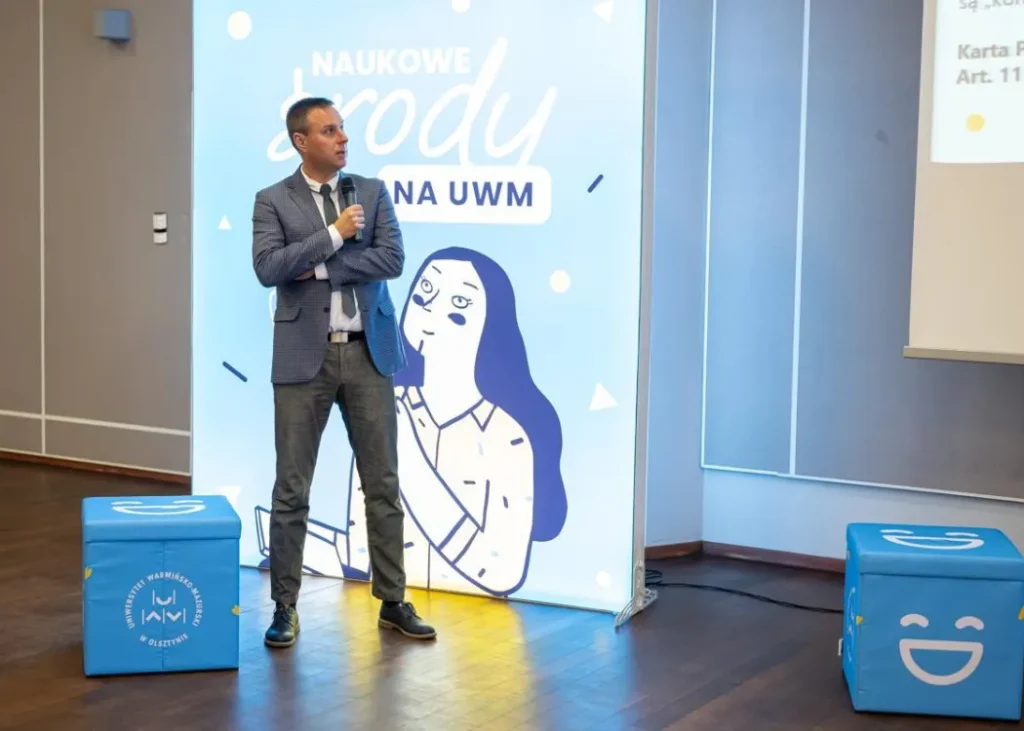
Do the terms hate, hate speech, and hate crimes mean the same thing? Where are the limits of freedom of expression—and what consequences can we face for crossing them? Participants of another meeting in the “Scientific Wednesdays at UWM” series had the chance to explore these questions. The guest speaker was Dr Maciej Duda from the Faculty of Law and Administration. “Scientific Wednesdays at UWM” is a series of open lectures delivered by researchers from the University of Warmia and Mazury in Olsztyn. Its goal is to share knowledge on issues that concern us all. This time (on 4 March), a scholar from the Department of Criminology and Forensics discussed the legal, criminological, victimological, and social aspects of hate speech. Where does freedom of speech end? One of the key questions that arises whenever freedom of speech is discussed is where its boundaries lie. Dr Duda therefore began his lecture with a quotation from Ulpian, a Roman jurist—one that, in his view, remains surprisingly relevant today and helps to explain the moment when freedom of expression turns into harm inflicted on another person. “The precepts of the law are these: to live honourably, not to injure another, to give each person what is due to them.” As Dr Duda explained, in contemporary terms this means that the boundary of our rights is the right of another person. Put differently: one person’s freedom ends where another person’s freedom begins. Hate is not new—yet the internet amplifies it What we now call “hate” is not a new phenomenon. However, the internet has undeniably contributed to its spread, giving users an illusory sense of anonymity—and, as a result, more courage to publish, for example, hateful comments. Dr Duda reminded the audience that hate can be understood as a broad range of aggressive or hostile behaviours aimed at insulting, humiliating, or slandering individuals and groups. It may take the form of trolling, cyberbullying, defamation, insult, or hate speech. He also pointed out that crime has increasingly moved online. In his words, many offences are now committed in the virtual world—sometimes crimes that can occur only online, and sometimes those transferred from the offline world into cyberspace. Hate, hate speech, hate crimes: not the same thing Dr Duda emphasised that hate—unlike hate crimes, which include hate speech—is not a legal term. Hate has become a social concept, widely used in the media and everyday language. Therefore, hate and hate speech cannot always be treated as equal. From words to violence: the “Pyramid of Hate” When discussing hate and hate speech, it is impossible to ignore their consequences—which can be tragic, both for individuals and for entire nations or ethnic groups. Dr Duda argued that the path from words to actions can be very short, referring to the Pyramid of Hate developed by American psychologist Gordon Allport. The process begins with language—words and hate speech. It may then escalate into ostracism, alienation, rejection of certain social groups, followed by overt discrimination, and ultimately physical violence and even extermination. As Dr Duda noted, history provides painful examples: the Second World War, and later events as well. One of the most striking cases demonstrating the devastating consequences of hate speech is the genocide in Rwanda, which—in essence—was preceded by a radio broadcast that incited hatred and defamed people of Tutsi origin. “Don’t be indifferent”—and react early The appeal not to remain indifferent may sound like a cliché, but in the context of hate it becomes crucial. Dr Duda argued that the only effective way to stop this phenomenon is to counteract it. He referred to the criminological “broken windows” theory: if someone breaks a window in a newly built block of flats or sprays graffiti on a wall, it must be addressed immediately—otherwise the behaviour escalates. The same applies to social relations: if we do not respond quickly, minor incidents may grow into misdemeanours, crimes, and—in the worst cases—tragic acts of violence. He also mentioned practical ways of responding, including: shaping positive social attitudes, recognising disinformation, intervention by online administrators (removing hateful content or accounts), and reporting specific incidents to law enforcement. Discussion after the lecture After the talk—following the tradition of “Scientific Wednesdays at UWM”—the audience took the floor. Judging by the questions, a major concern among participants was hate coming from politicians. Attendees did not hesitate to mention specific names of those in power, arguing that irresponsible statements not only lower the quality of public debate but also worsen social moods. One participant raised the issue of growing polarisation fuelled—according to him—by representatives of Poland’s two largest political parties. He asked Dr Duda whether anything could stop these divisions. Dr Duda responded that politicians sometimes use hate speech intentionally, relying on sensational and controversial messages to win voters. As he noted, populism and hate can become a recipe for political success—though he expressed hope that this will change and that people will ultimately be able to “shake hands” regardless of political preferences. He stressed that society should not allow itself to be divided by politicians. Further reading and upcoming meetings Those who would like to expand their knowledge on the issues discussed can reach for publications by the Department of Criminology and Forensics on hate crimes, including: During the next open lecture organised by the UWM Centre for Marketing and Media (18 March), participants will meet Prof. Jerzy Czołgoszewski (Faculty of Social Sciences), who will discuss what happens to a person in prison. The first meeting in the series, held on 18 February, focused on nutrition. Prof. Katarzyna Przybyłowicz (Faculty of Food Sciences) and Dr Małgorzata Obara-Gołębiowska (Faculty of Social Sciences) spoke about how to make diet “less like black magic” and how to navigate calories and macronutrients without losing one’s mind. A report from that meeting is available on the University of Warmia and Mazury website. All lectures take place at the UWM University Library and are open to everyone.
StuCon advises companies with student expertise
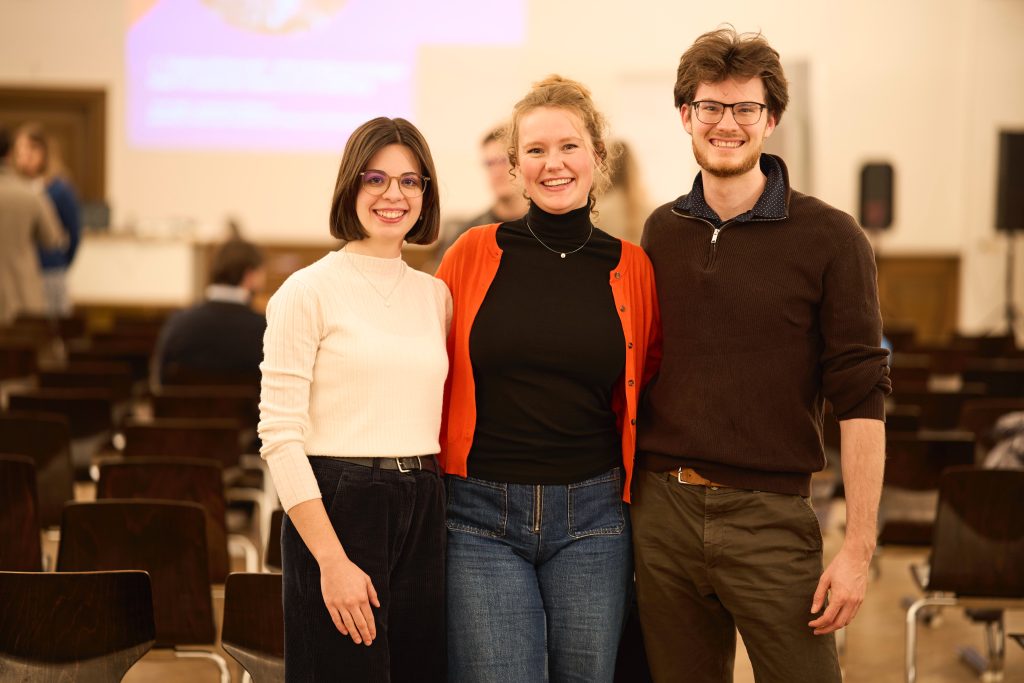
The newly founded student-run consulting service StuCon at Hochschule Offenburg combines theory and practice. Around 30 students, mainly business psychology majors, offer analyses, workshops and individual consulting projects for companies and those interested in starting a business. The association dates back to the 1990s and is currently managed by Charlotte Feller, Frederike Nopper and Marcel Krübel. Interdisciplinary teams work systematically from needs analysis to implementation. The objective is to create added value for companies and practical experience for the students.Contact: stucon@hs-offenburg.de More information (in German): https://www.hs-offenburg.de/news-detailseite/article/neue-studentische-unternehmensberatung-schlaegt-bruecke-zwischen-theorie-und-praxis
European University debates the end of lifelong jobs at BTL
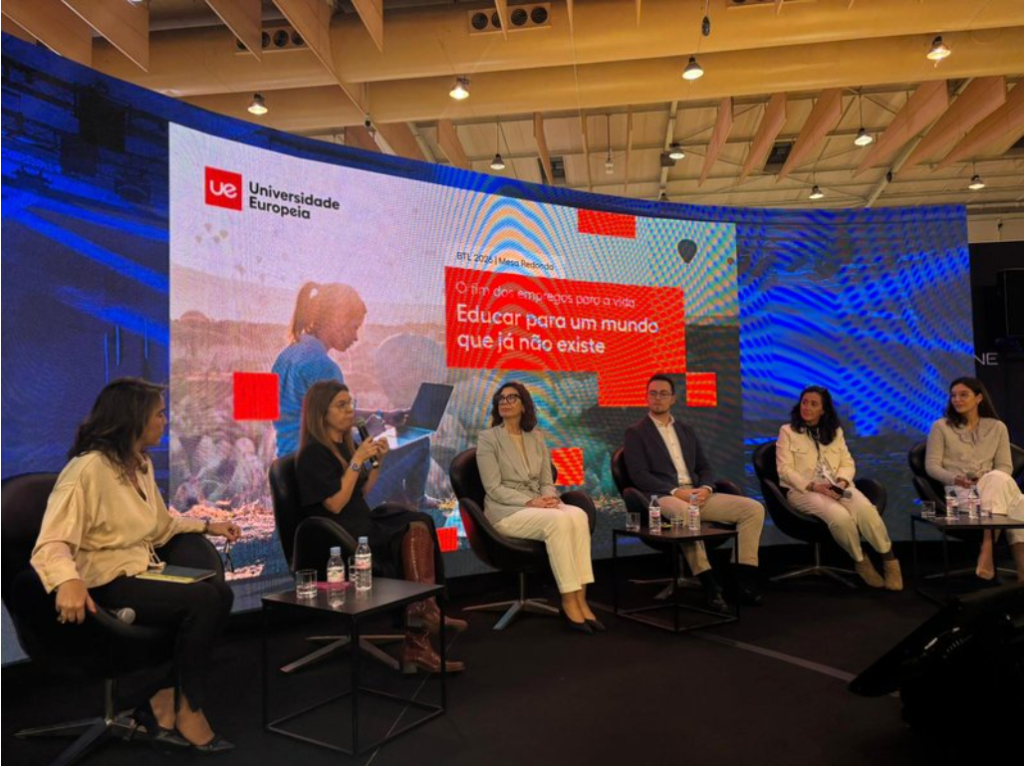
The European University hosted this Wednesday, the 25th, as part of BTL – Better Tourism Lisbon Travel Market, a roundtable dedicated to the theme “Educating for a World That No Longer Exists” and to the challenges of training and talent management in the Tourism sector. In a context marked by digital transformation, evolving professional expectations and profound generational shifts, the tourism industry faces a growing mismatch between traditional training models and the new ambitions of young professionals. Flexibility, purpose, continuous learning and a healthy work–life balance are now decisive factors in choosing a career, placing greater pressure on educational institutions and organizations within the sector. The debate therefore invited a plural and intergenerational reflection on how education can respond to a rapidly changing labour market, fostering a more effective alignment between academia and industry in a sector where people remain the main differentiating factor. The session featured Rosário Pinto dos Santos, Executive Search, Recruitment & Career Coach and Hospitality Advisor at Stamina Hospitality, offering the perspective of specialized recruitment; Elsa Guerreiro, Human Resources Director at Ace Hospitality Management (AHM), bringing a strategic view of talent management; Sofia Brandão, Hotel Director at Alma Lusa, representing the operational dimension; and Joana Cordeiro and Filipe Crisóstomo, Alumni of the European University, as representatives of the new generations. In addition to his role as Alumni, Filipe Crisóstomo also serves as the European University’s representative on the Student Council of the CHALLENGEeU Alliance, of which the University is a member. The roundtable was moderated by Professor Sofia Almeida, Coordinator of the Tourism area at the European University. Link: https://www.europeia.pt/noticias/Universidade-Europeia-debate-fim-dos-empregos-para-a-vida-na-BTL/