ChallengeEU at the 4th European Universities Initiative Forum in Ireland
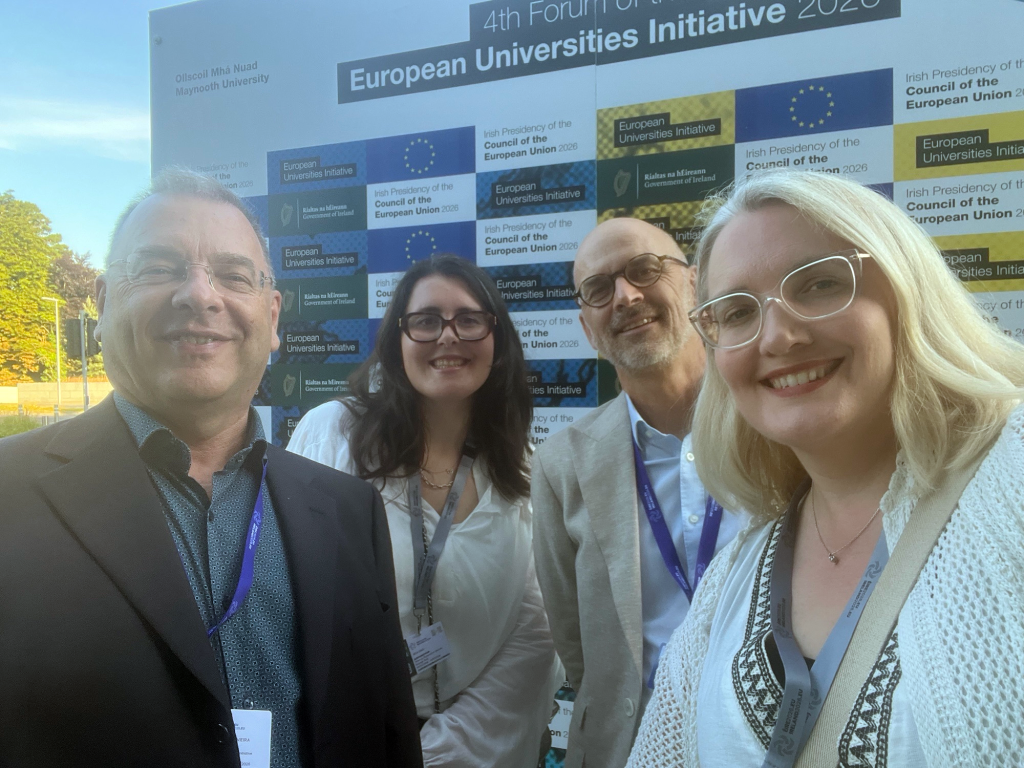
Shaping the future of higher education requires both bold ambition and a sustainable foundation. This perspective guided the ChallengeEU delegation during the 4th European Universities Initiative Forum, held on 10 July 2026 in County Kildare, Ireland, under the Irish Presidency of the Council of the European Union. The forum brought together representatives of the European higher education and research sectors, as well as institutions responsible for shaping public policy to take stock of the progress of the European Universities Initiative and discuss its future direction. The programme focused on the future of European University Alliances, with particular attention to sustainable investment, governance and policy frameworks that can support deep and lasting collaboration in education, research and innovation. The ChallengeEU delegation included Managing Director Tobias Hagen from Hochschule Offenburg, Paulo Nuno Vieira from Universidade Europeia, who serves on the Management Board, and External Advisory Board members Enora Bennetot Pruvot from the European University Association and Ana Rita Dias from the European Association for International Education. The forum addressed some of the most important questions currently shaping the future of European higher education: how university alliances can become permanent catalysts for institutional transformation, how they can contribute to European competitiveness, innovation, inclusion and democratic values, and how students can be meaningfully involved in governance and co-creation. Discussions also covered the development of the European Degree, deeper academic integration, and the alignment of EU, national and institutional strategies. One of the key takeaways from the forum was the strategic role of university alliances in driving long-term institutional change. Rectors and university leaders highlighted that alliances are no longer only project-based cooperation structures, but increasingly serve as engines of transformation, helping institutions rethink education, research, innovation and governance in a European context. At the same time, the discussions clearly pointed to a significant challenge: the need to address the funding gap. Against the background of ongoing negotiations on the next Multiannual Financial Framework, participants reflected on the tension between the transformative ambitions of European University Alliances and the limitations of current project-based funding models, which are often based on short cycles and intensive reporting requirements. “Together, we engaged in critical discussions regarding the current state of the initiative and the strategic evolution of university alliances. The discussions underscored a critical necessity: the need to reconcile the programme’s long-term vision with a more sustainable and robust financial structure,” said Tobias Hagen, Managing Director of ChallengeEU. For ChallengeEU, participation in the forum was an important opportunity to contribute to the European debate on the future of university alliances and to strengthen the shared commitment to building long-term, resilient and transformative cooperation in higher education. Through dialogue, strategic reflection and collaboration across Europe, ChallengeEU continues to challenge the now — in unity.
Student Journal: Reflections from the EUSAF Conference 2026 in Warsaw
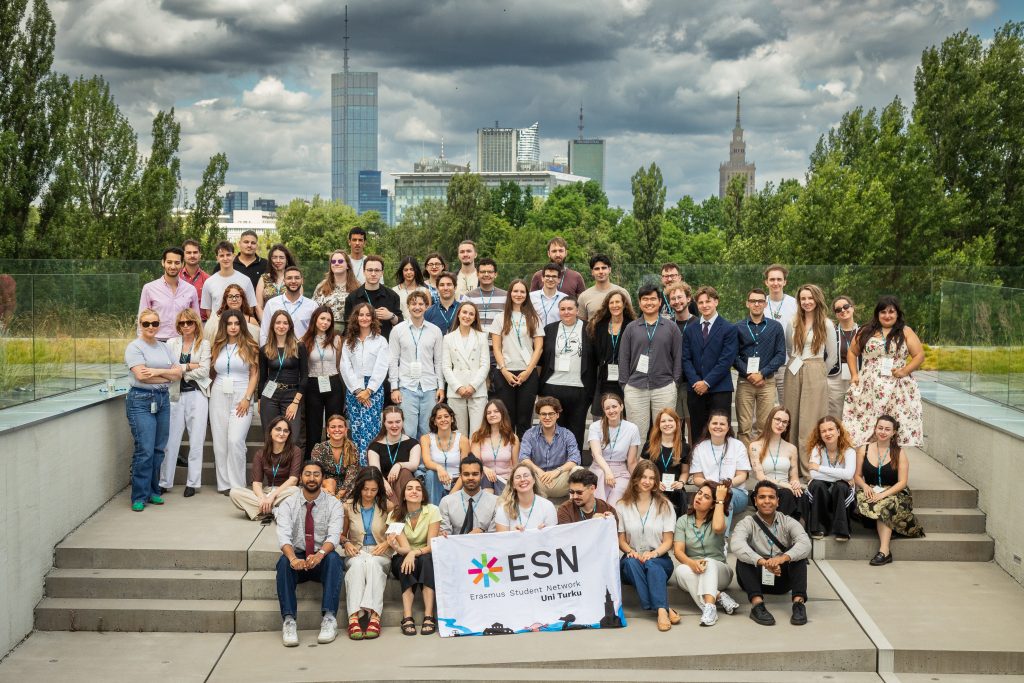
“There is a particular kind of energy that emerges when young people from across a continent come together to imagine what “European” actually means in practice. I was lucky to be part of that energy for three intense days,” writes Charles Stelandre. A representative of the ChallengeEU Student Council from ECAM LaSalle took part in the EUSAF Conference 2026 in Warsaw. In July, I had the opportunity to represent the ChallengeEU Student Council at the EUSAF Conference 2026 in Warsaw. Between the skyline of Varso Tower and the more grounded conversations taking place in workshop rooms, the event offered a rare chance to sit with peers from other European University Alliances and ask difficult questions about funding models, project sustainability, and what it truly takes to build institutions that outlast any single cohort of students. Best practices were shared, but so were tensions and unresolved debates about governance, student voice, and who alliances are really built for. Conversations stretched long into the night: alliances comparing notes, students exchanging views on what works and what does not, and a shared recognition that the future of European higher education cooperation depends not only on frameworks developed in Brussels, but also on people willing to sit in a room at 1 a.m. and talk things through. Thank you to the organisers for creating such an inspiring and thoughtful event, and to the ESN team for providing the framework that made these exchanges possible. Thank you also to SGH Warsaw School of Economics for hosting the event with such professionalism. I am grateful to the ChallengeEU team, especially Claire Gozé and Erin Monaghan, as well as to everyone whose support made this participation possible. Finally, thank you to my friends Rebeca Rocha and Sohaib Al-Hadheri for their support in preparing for the event. I am truly grateful to have been part of this experience and to bring back questions worth exploring further within ChallengeEU. Charles Stelandre EUSAF Conference 2026 in Warsaw was a European forum bringing together student representatives from European University Alliances. Held on 2–4 July 2026 at SGH Warsaw School of Economics, the event created a space for students to exchange experiences, share good practices and discuss the future of higher education in Europe. Its programme included workshops, collaborative sessions and networking activities focused on student engagement, alliance governance, stakeholder cooperation and the role of students in decision-making processes.
Black Forest Sustainability Forum: Turning Climate Action into Measurable Impact
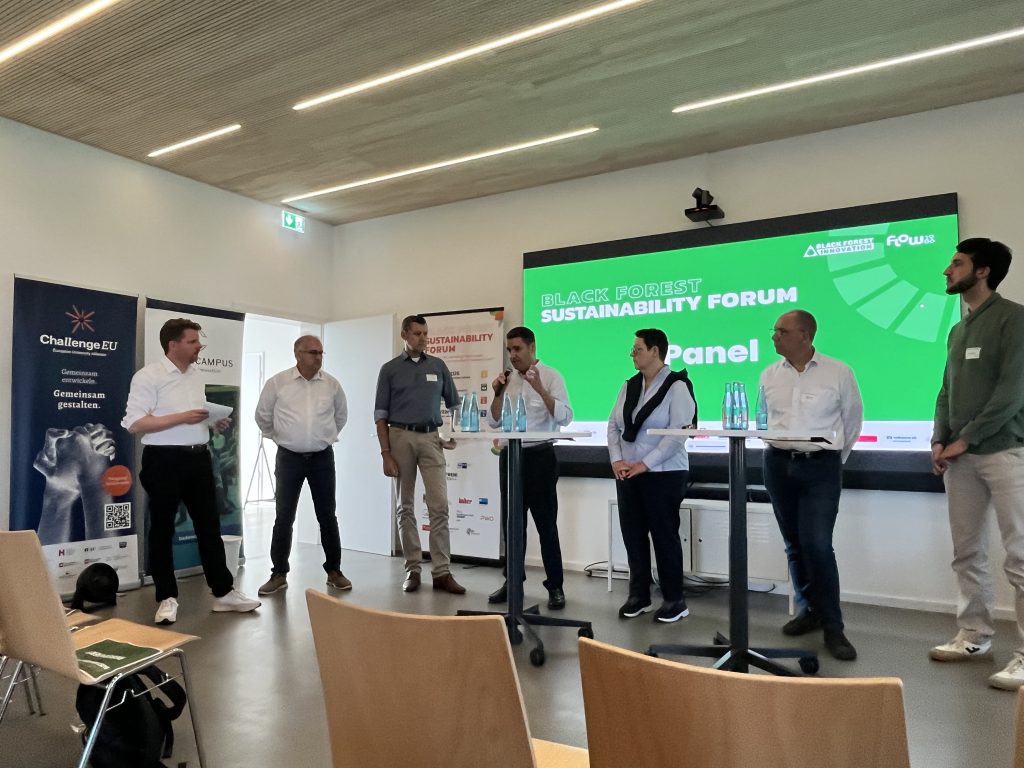
Representatives of organisations and companies came together to explore SDG 13: Climate Action and discuss practical pathways towards a more sustainable future. One of the highlights of the forum was the presentation by Professor Roberto Gómez-Calvet from Universidad Europea de Valencia, a partner of the ChallengeEU Alliance. He led an inspiring session on developing robust sustainability indicators that can strengthen corporate responsibility and support long-term impact. His insights underlined the importance of accurate data, clear metrics and responsible frameworks in driving meaningful sustainability action. The discussions initiated during the forum will continue to inspire further cooperation. The ideas, partnerships and frameworks shared throughout the event provide a strong basis for building real and measurable change in our regions and beyond. The forum was organised with the involvement of Black Forest Innovation and brought together participants committed to collaboration, knowledge exchange and innovation in the field of sustainability. Their contributions helped create a dynamic space for dialogue and the development of practical ideas for future action. Professor Roberto Gómez-Calvet’s visit to Hochschule Offenburg was hosted by colleagues from HSO — Professor Michael Schmidt, Professor Lämmle, Professor Niklas Hartmann, Sascha Rißmann and Professor Ulrich Hochberg. The visit provided an opportunity for valuable expert exchange and dialogue, further strengthening cooperation within the ChallengeEU Alliance. The programme also included a guided tour of INES – Institute for Sustainable Energy Systems and a visit to the hydrogen production and methanation pilot plant at Hochschule Offenburg, offering participants an opportunity to learn more about applied research and innovative solutions in sustainable energy systems. Through collaboration across the ChallengeEU Alliance and beyond, we continue to turn knowledge into action and work towards a more sustainable future.
Three students from Universidad Europea de Valencia, recognised at the 9th Capitanía General Awards for their academic excellence
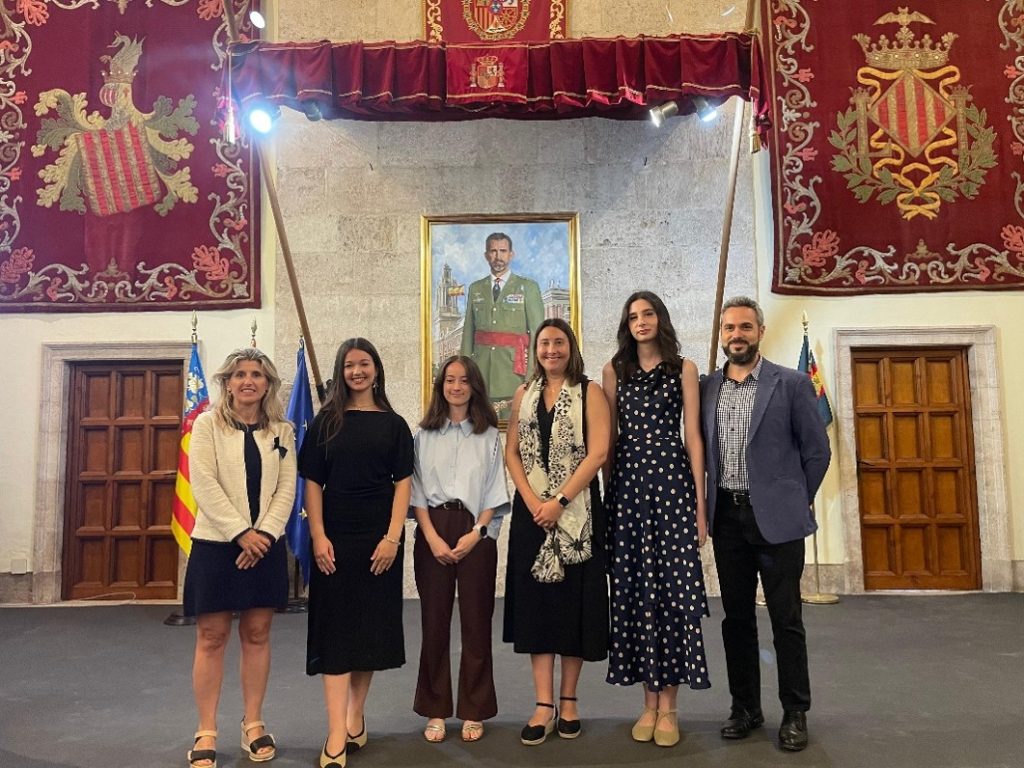
The students were honoured at a ceremony organised by the Army to recognise university talent and the training of future leaders. Three students from Universidad Europea de Valenciahave been recognised for their outstanding academic record at the 9th edition of the ‘Capitanía General de Valencia’ Awards, organised by the Spanish Army’s High Readiness Land Headquarters (CGTAD). This prestigious award honours students with the best academic records from Valencian universities across various fields of study. The award winners are Brenda Artagoitia Abellán, from the Bachelor’s Degree in Business Administration and Management with International Teaching (Global Bachelor’s Degree); Apolline Mélanie Marcelle Bonnefoy-A-L’Anne, from the Bachelor’s Degree in Physiotherapy; and María Minguela Sáez, from the Bachelor’s Degree in Physics. The ceremony, held on Tuesday 16 June at the Cuartel de Santo Domingo in Valencia, brought together 27 award-winning students, due to graduate in 2025, nominated by their respective universities in these three fields of study: Arts and Humanities/Social and Legal Sciences; Sciences and Health Sciences; and Engineering and Architecture. The students were accompanied by their families and by academic representatives from Universidad Europea de Valencia, including the Vice-Chancellor for Academic Organisation and Students, Silvia Trujillo; the Dean of the Faculty of Social Sciences, Carla de Paredes; and the Director of the School of Science, Engineering and Design, Vicent Gassó. In this context, Vice-Rector Silvia Trujillo highlighted “the value of initiatives such as these awards, which recognise academic achievement and strengthen the connection between the university and institutions, such as the Army, that share a commitment to education, values and the development of a better-prepared and more responsible society”. These awards, now well established in the city of Valencia, aim to recognise the best undergraduate academic records and strengthen the links between the Armed Forces and the university sector, emphasising the role of education in shaping the leaders of the future. During the ceremony, emphasis was placed not only on academic achievement, but also on humanity, discipline and commitment – key qualities for tackling the challenges of a society in constant transformation.
ChallengeEU in Practice: MIUN and SEEU Develop Academic Cooperation
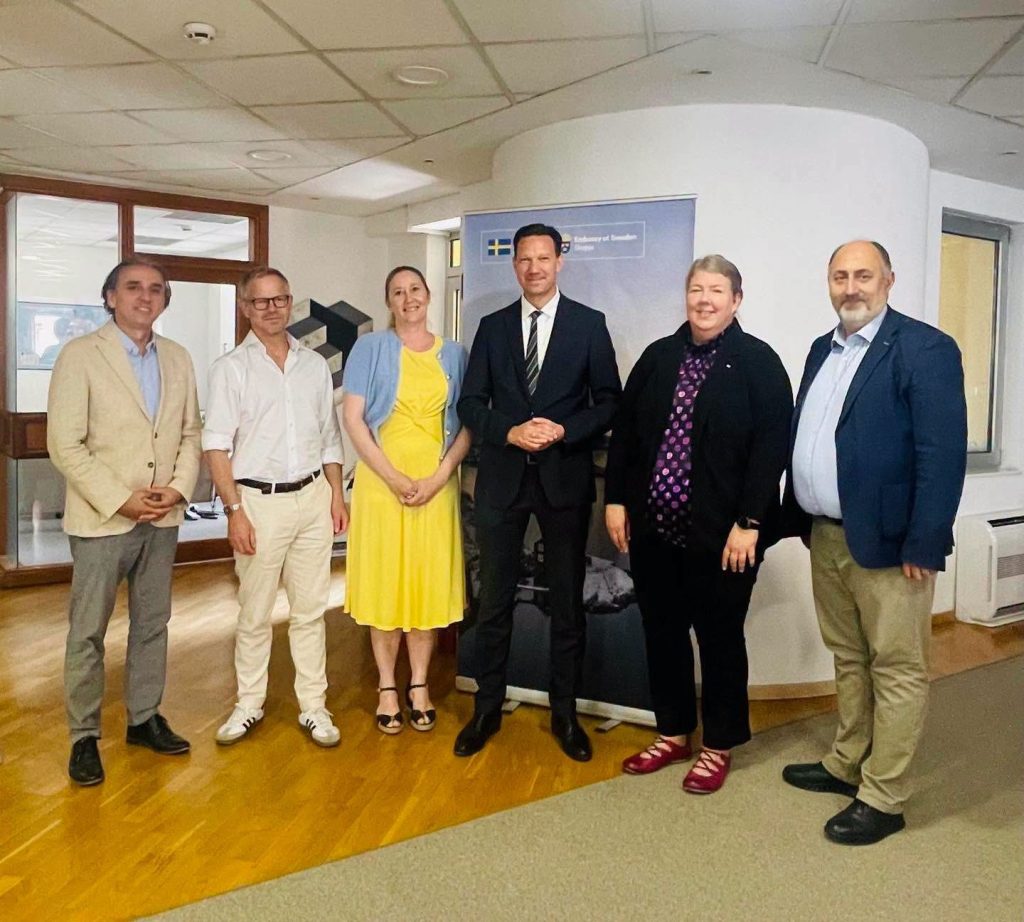
South East European University (SEEU) hosted a delegation from Mid Sweden University as part of efforts to strengthen academic cooperation and activities within the European university alliance ChallengeEU. During the visit, the Swedish delegation held a series of meetings with SEEU representatives, including the Rector of SEEU, Prof. Dr. Sadudin Ibraimi, together with members of the university management and academic staff. At a meeting with the Pro-Rector for Planning, Research and Entrepreneurship, Prof. Dr. Veland Ramadani, discussions focused on the development of joint study programmes — Joint Degrees and Double Degrees — within Work Package 3 of the ChallengeEU alliance. The parties explored the possibility of establishing a joint degree in the fields of entrepreneurship and innovation, as an important step towards expanding the university’s international academic offer. A separate meeting was held with the Head of the International Relations Office, Bujar Sinani, during which opportunities for student and staff mobility were presented, along with the services and programmes offered by SEEU as part of international cooperation. On the second day of the visit, the MIUN delegation and SEEU representatives held separate meetings at the Embassy of Sweden in Skopje with the Ambassador of Sweden to North Macedonia, Ola Sohlström, as well as with one of the founding partners of the Swedish–Macedonian Chamber of Commerce. The meetings emphasised the importance of successful cooperation between MIUN and SEEU within the ChallengeEU, as well as their shared ambition to develop innovative study programmes in entrepreneurship and innovation. Both universities are actively engaged in the development of the ChallengeEU and contribute to its mission of building stronger, more connected and innovative European higher education. Through their cooperation, MIUN and SEEU support the alliance’s objectives by promoting internationalisation, academic mobility, joint educational initiatives, and collaboration with external partners. Their shared commitment demonstrates how ChallengeEU creates a platform for universities to exchange knowledge, develop new opportunities for students and staff, and respond together to regional and European challenges.
The dentistry of the future comes together at Universidad Europea de Valencia
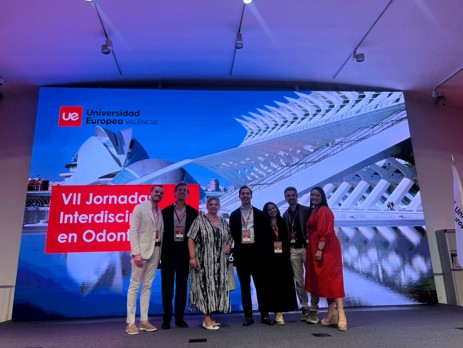
The 7th Interdisciplinary Conference brings together experts, alumni and students to discuss innovation, clinical practice and professional development in the sector. Universidad Europea de Valenciahas held the seventh edition of its Interdisciplinary Dentistry Conference at the Príncipe Felipe Museum, a well-established event that has brought together students, lecturers and specialists to reflect on the challenges and opportunities facing the profession. As is customary at this event, the expert presentations were led by alumni of the university itself, who are now leading professionals in their respective specialities, thereby reinforcing the link between academic training and clinical practice. Thus, Dr Gabriele Amelio (surgery and implants), Dr Lidiana Montero (orthodontics and RNO), Dr Federico Michelini (endodontics) and Dr Antonio Nobili (periodontics) shared their clinical experience, career paths and vision of modern dentistry with the students, offering a realistic perspective on practising the profession. The event concluded with the presentation of scientific papers in poster format and a networking session that enabled students and professionals to interact with representatives from 16 leading companies in the sector. Furthermore, awards were presented for the best final-year dissertations, thanks to the collaboration of the participating commercial organisations, which contributed to the University’s recognition of academic excellence and the commitment of future dental professionals. The Vice-Dean of Dentistry and Biosciences at Universidad Europea de Valencia, Dr Santiago Arias, opened the event by highlighting the value of having graduates serve as role models for students: “The greatest value of these conferences is that they allow our students to visualise the professionals they can become. Seeing how former students return to their university as leading clinicians, researchers and specialists demonstrates that effort, passion and continuous professional development have a real impact on the development of an outstanding professional career.” During the closing ceremony, the Vice-Chancellor of Universidad Europea de Valencia, Rosa Sanchidrián, emphasised the role of this conference as a reflection of the institution’s academic model: “This conference perfectly encapsulates who we are as a university: a space where knowledge is shared, scrutinised and projected out into society”. She also highlighted the students’ hard work and their involvement in research: “Behind every piece of work lie many hours of effort, rigour and learning. And that is precisely what sets your training apart.” The event also benefited from the collaboration of the Valencia Centre for Odontostomatological Studies, chaired by Dr Teresa Chofre, strengthening the link between the university and professional practice – a key element in the training of future dentists.
LBTU to Celebrate Graduates in June
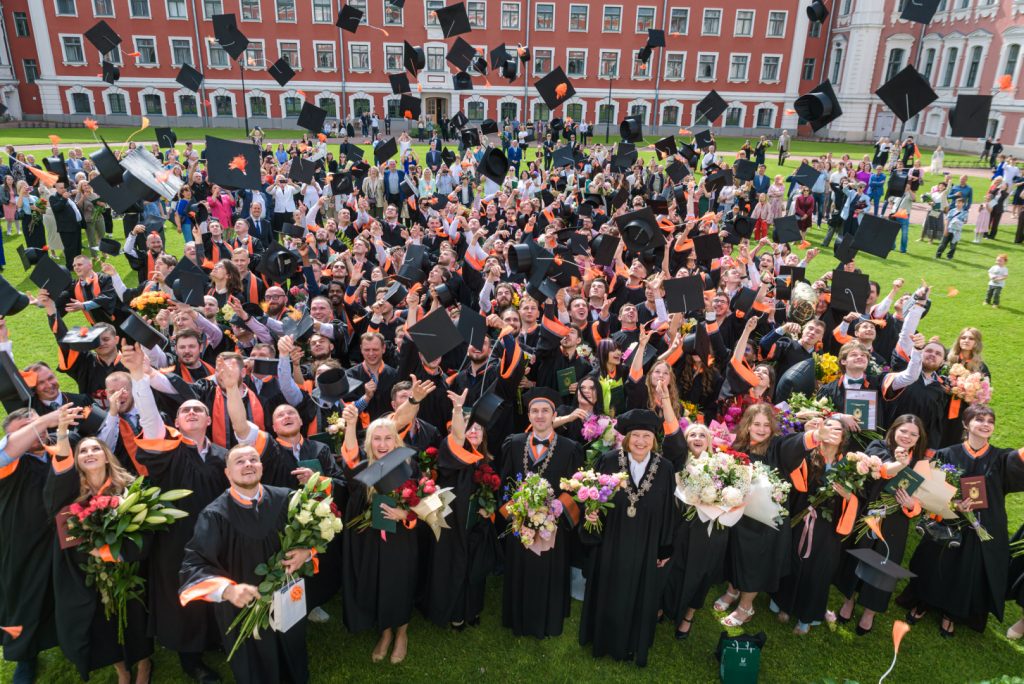
June is graduation month at the Latvian University of Life Sciences and Technologies (LBTU), when students, having successfully completed their examinations and defended their final theses, gather in the LBTU Great Hall (Aula) to receive their higher education diplomas. This summer, diplomas were awarded to 700 graduates, including 60 international students. An additional 40 graduates received Diplomas of Excellence, acknowledging their outstanding academic achievements and commitment during their studies. In total, during the 2025/2026 academic year, 816 graduates will receive higher education diplomas from LBTU. At the winter graduation ceremonies held in January, 116 graduates, including 25 international students, received their diplomas, while 16 graduates were awarded Excellence Diplomas. Number of Graduates by Faculty• Faculty of Engineering and Information Technologies (FEIT) – 171 graduates, including 11 international students;• Faculty of Agriculture and Food Technology (FAFT) – 131 graduates, including 14 international students;• Faculty of Forest and Environmental Sciences (FFES) – 184 graduates, including 3 international students;• Faculty of Economics and Social Development (FESD) – 154 graduates, including 16 international students;• Faculty of Veterinary Medicine (FVM) – 61 graduates, including 16 international students.
Universidad Europea de Valencia is hosting the ninth edition of ISCBE 2026
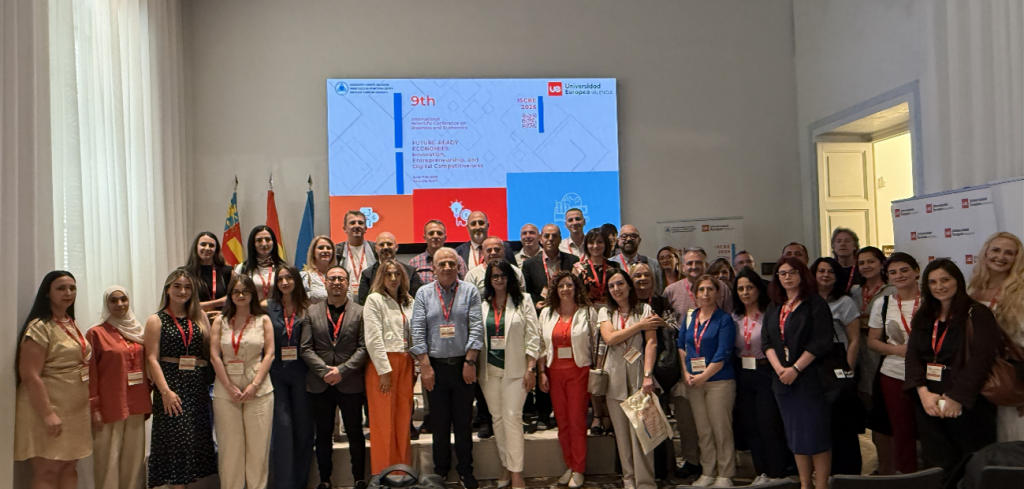
The event, organised by the South East European University and forming part of the ChallengeEU alliance, of which UEV is a member, brings together experts to analyse innovation, entrepreneurship and digital competitiveness On 11 and 12 June, Universidad Europea de Valencia hosted the ninth edition of the International Scientific Conference on Business and Economics (ISCBE 2026), an international conference organised by the South East European University, which brought together researchers and professionals to discuss the main challenges facing future-ready economies. Under the theme “Future-Ready Economies: Innovation, Entrepreneurship, and Digital Competitiveness”, the event transformed the Turia Campus of Universidad Europea de Valencia into an international hub for innovation, digitalisation and sustainable economic development. The official opening ceremony was attended by Blerta Abazi Chaushi, Dean of the Faculty of Business and Economics at the South East European University; Enrique Fatás, Director of the Behavioural Economics Institute at Universidad Europea de Valencia; and Emmanuël Hazé, Chief Implementation Officer of the ChallengeEU alliance at Universidad Europea de Valencia. In addition, Veland Ramadani, Professor of Entrepreneurship and Family Business at the South East European University and Chair of ISCBE 2026, presented an overview of the conference. The programme began with a plenary session in which experts from European universities addressed key issues such as the role of artificial intelligence in sectors such as tourism and its impact on social challenges such as gender equality. The event also included networking opportunities and activities linked to the European ChallengeEU alliance, strengthening academic cooperation between institutions. During the conference, numerous parallel sessions were held, organised around six main areas: sustainability and the circular economy, economics and finance, entrepreneurship and innovation, management and marketing, information systems and artificial intelligence, and the legal aspects of the economies of the future. These sessions provided a platform for presenting research focused on topics such as digital transformation, business resilience and the application of artificial intelligence in decision-making. The programme also featured initiatives focused on knowledge transfer, such as the ‘Meet the Editors’ session, in which editors of international scientific journals shared trends and publication opportunities with participants. By hosting ISCBE 2026, Universidad Europea de Valencia, as the host institution, is reinforcing its position as a leader in research, innovation and international outreach, in line with the objectives of the ChallengeEU alliance and its commitment to developing solutions to the economic and social challenges of the present and the future.
ISCBE 2026 in Valencia Highlights Innovation, Digital Competitiveness and the ChallengeEU Talent Academy
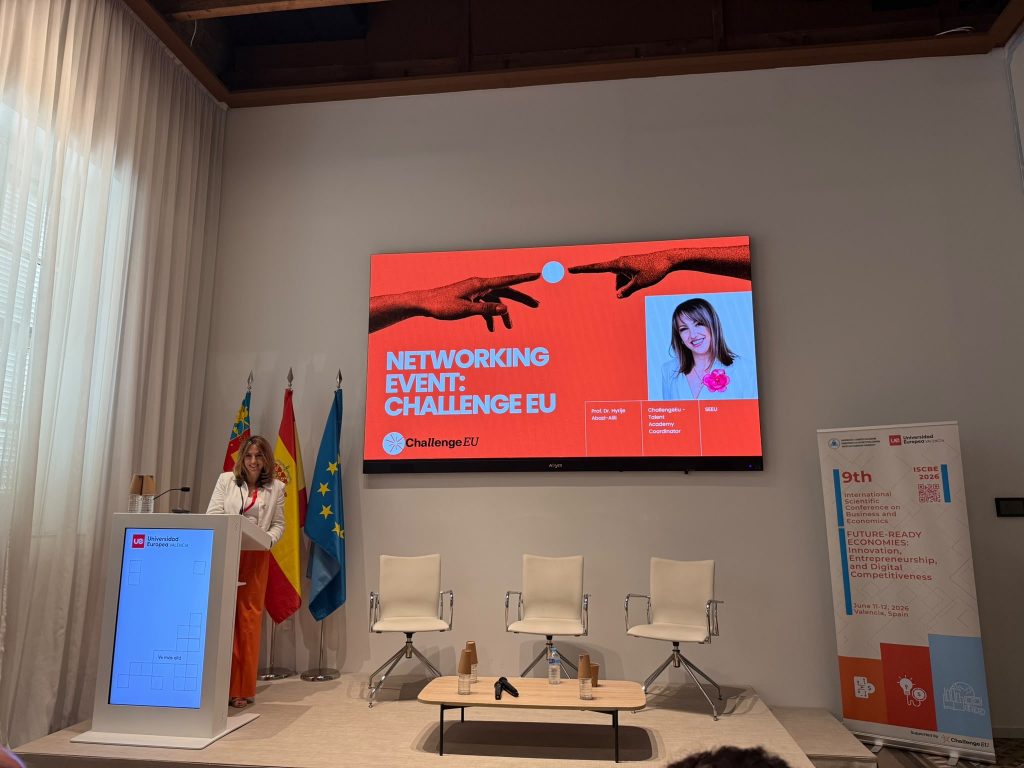
The 9th International Scientific Conference on Business and Economics (ISCBE 2026), held under the theme “Future-Ready Economies: Innovation, Entrepreneurship and Digital Competitiveness”, took place on 11–12 June 2026 at the Universiad Europea de Valencia. The event was organised by the Faculty of Business and Economics of South East European University (SEEU) and brought together international academics and professionals to discuss innovation, entrepreneurship, digital competitiveness and the ChallengeEU Talent Academy. Future-ready economies in focus The conference was held in a hybrid format and brought together academics, researchers and professionals from across the globe to discuss the future of business, innovation and digital transformation. The conference opened with a Welcome Session featuring addresses by Enrique Fatas Juberias, Director of the Behavioral Economics Institute; Blerta Abazi Çaushi, Dean of the Faculty of Business and Economics at SEEU; Emmanuël Hazé, Chief Implementation Officer of the ChallengeEU Alliance; and Conference Chair Veland Ramadani, who presented an overview of ISCBE 2026 and its objectives. Artificial intelligence, transformation and societal impact The Plenary Session highlighted key contemporary challenges and opportunities related to artificial intelligence and digital transformation. Marco Valeri, Associate Professor at Niccolò Cusano University, Italy, presented the role of agentic AI in shaping the future of travel planning, while Catalina Franco from the Norwegian School of Economics (NHH) addressed the impact of artificial intelligence on gender equality. The conference continued with thematic sessions on sustainability, economics and finance, entrepreneurship and innovation, management and marketing, artificial intelligence, information systems, and legal aspects of future-ready economies, providing a valuable platform for international academic exchange and collaboration. ChallengeEU Talent Academy presented during ISCBE 2026 As part of the ChallengeEU Alliance, the Talent Academy was also presented during ISCBE 2026. The initiative is led by Prof. Dr Hyrije Abazi-Alili as Task Lead of T4.5 within Work Package 4, WP4 M.A.R.K.E.T. Ecosystems, of the ChallengeEU Alliance. The Talent Academy brings together doctoral researchers and student entrepreneurs through a series of collaborative learning opportunities that combine academic excellence, entrepreneurship, innovation and societal impact. Built on an extensive mixed-methods needs assessment, including focus groups, online interviews and surveys conducted across all nine partner universities, the initiative responds directly to the challenges faced by emerging researchers and innovators. These include networking, mental health and stress support, academic skills, digital and AI skills, time and project management, team dynamics, and sustainable innovation. Towards a European talent ecosystem The first pilot activities of the Talent Academy are planned to launch in late 2026, marking an important milestone towards a sustainable and interconnected European talent ecosystem that extends beyond the project’s lifetime. Through ISCBE 2026, the Faculty of Business and Economics of South East European University once again demonstrated its commitment to advancing research excellence, international cooperation and innovative thinking in addressing the challenges of tomorrow’s economies.
HSO invites: Intensive Language Course “German as a Foreign Language”
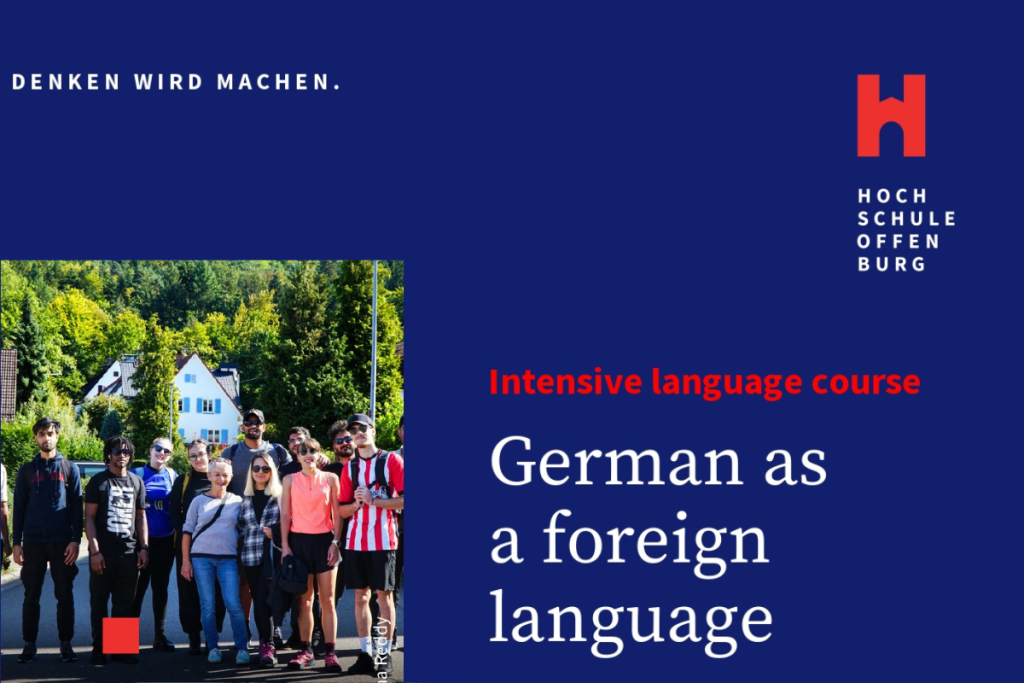
Every year in September, the International Center at Hochschule Offenburg offers the intensive summer language course “German as a Foreign Language”. This four-week summer course (September 1-25) offers both introductory and advanced classes in German language and culture. Students from the ChallengeEU Alliance can take advantage of a special reduced course fee. The application deadline is 15 July. Intensive Summer Language Course All classes (about 12–15 participants each) are taught by experienced German teachers. There are four to five 45-minute lessons per day, Monday through Friday. The course concludes with a final exam, and participants receive a certificate. Our four-week intensive course is ideal for strengthening your German language skills while discovering Southern Germany and its culture. Located in the heart of the Ortenau region, Offenburg provides the perfect setting to learn and prepare for your upcoming studies and everyday life in Offenburg. Highlights of the course: Course fees: Accommodation and housing are not included as part of the fees. More information: >>>Hochschule Offenburg >>> Application form